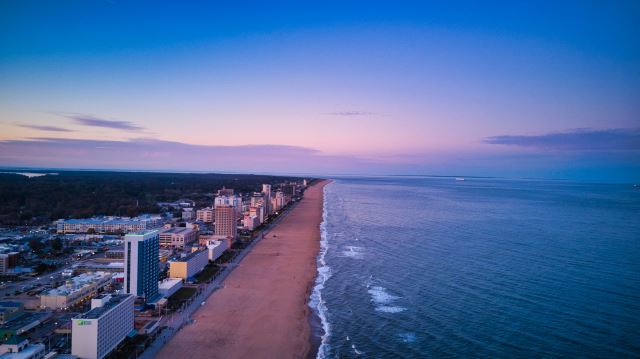
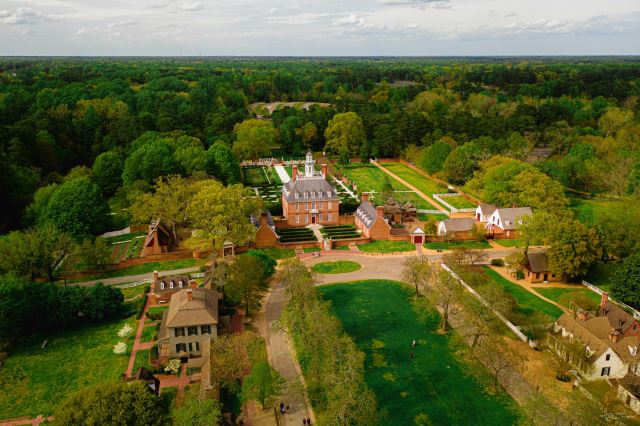
Washington D.C.
Washington, D.C., the vibrant capital of the United States, offers a perfect blend of history, politics, and culture that makes it a must-visit destination for travelers. Known for its iconic landmarks, such as the Lincoln Memorial, the Washington Monument, and the U.S. Capitol, D.C. offers endless opportunities to explore the country’s history through its architecture and museums.
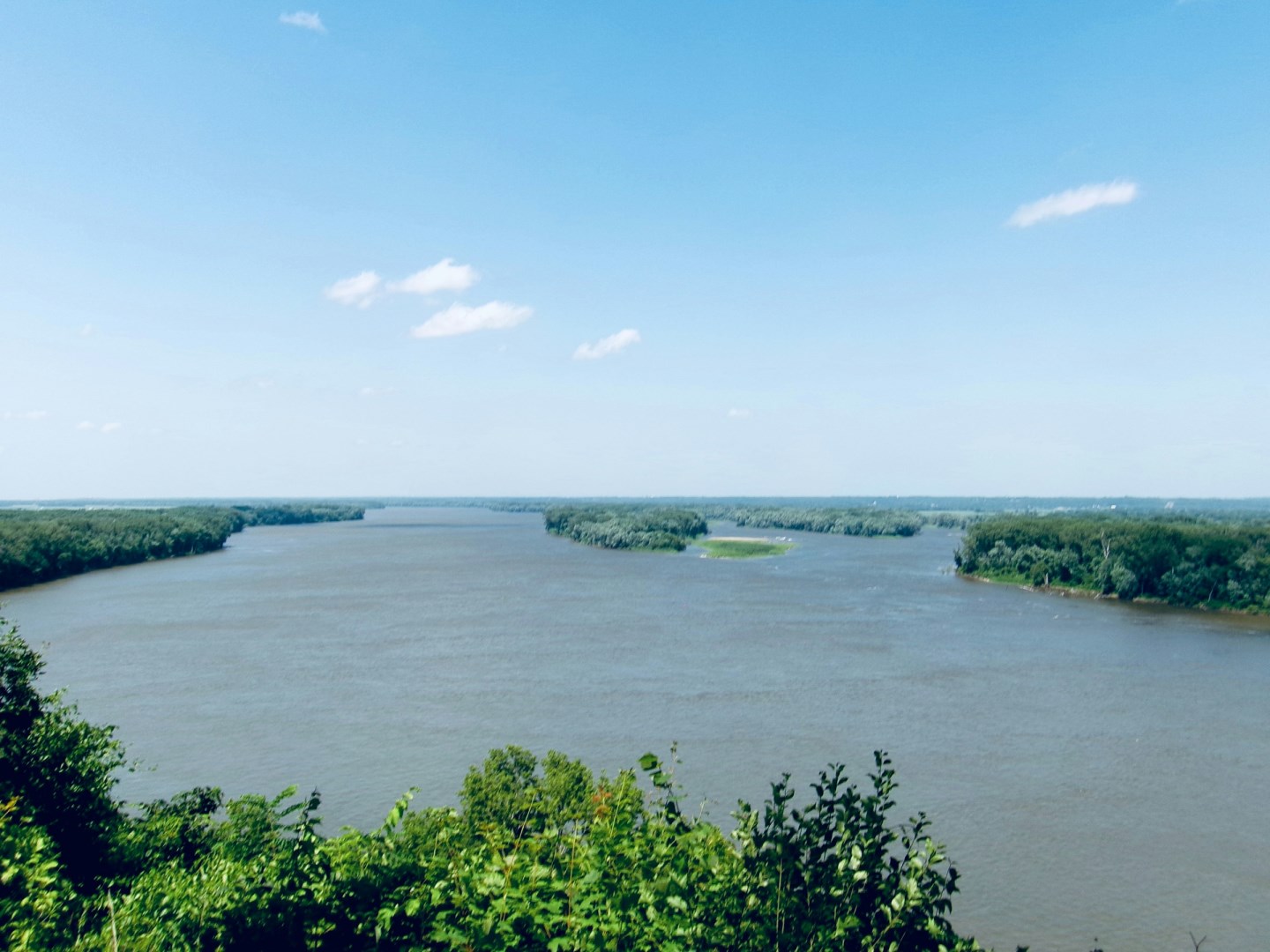
Hannibal
Home of Mark Twain's boyhood home, Hannibal is a quaint Missouri town located on the Mississippi River and a popular stop for river cruises.
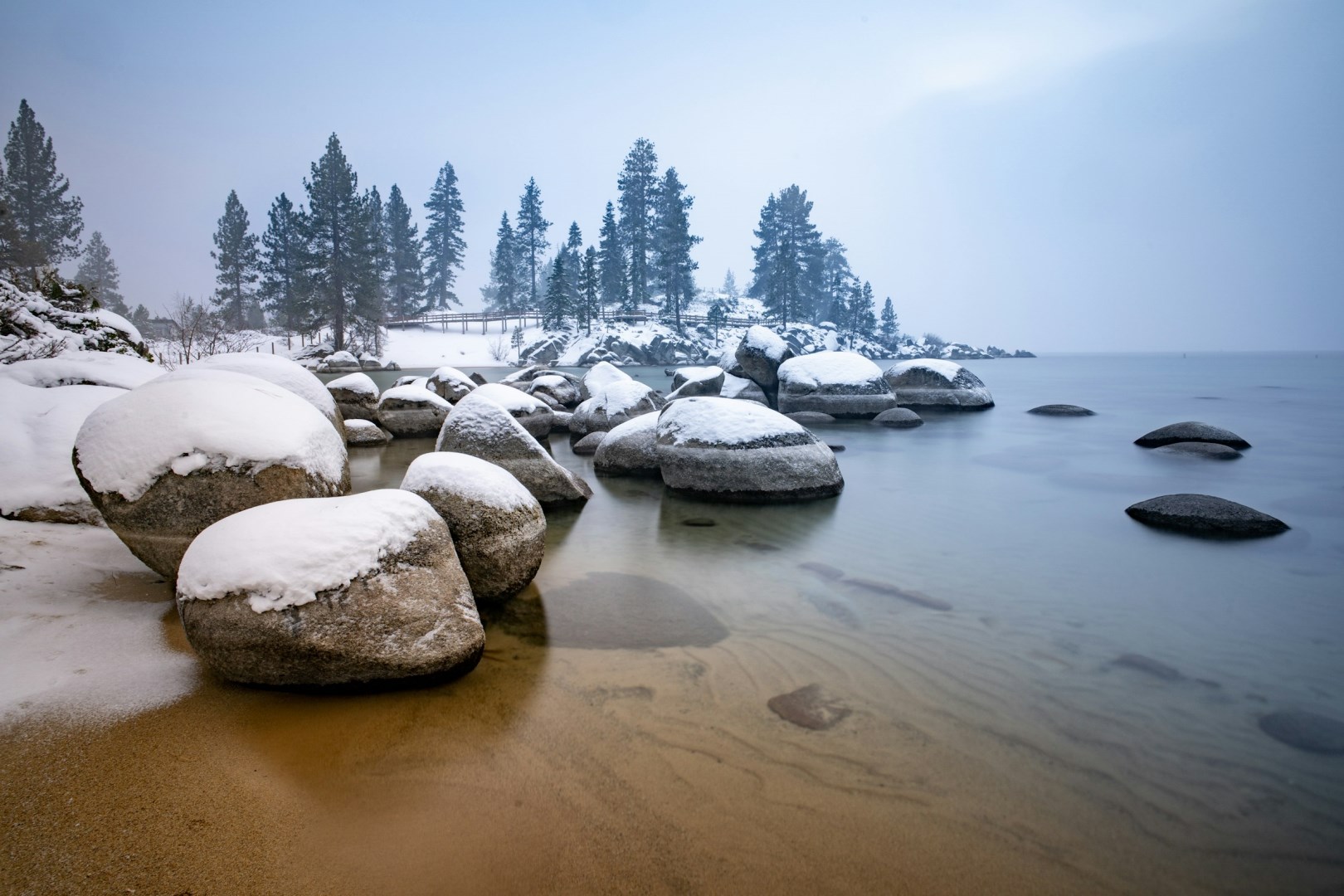
Lake Tahoe
This high sierra get away is America's all year playground and offers a unique combination of scenic beauty, outdoor recreation, and 24-hour night life.

North Seymour
North Seymour Island, located just north of Baltra in Ecuador’s Galápagos archipelago, is a compact but biologically rich destination known for its wildlife encounters. Though small in size, this flat, arid island punches far above its weight when it comes to natural spectacle, offering a rare chance to observe iconic species in a remarkably close setting.
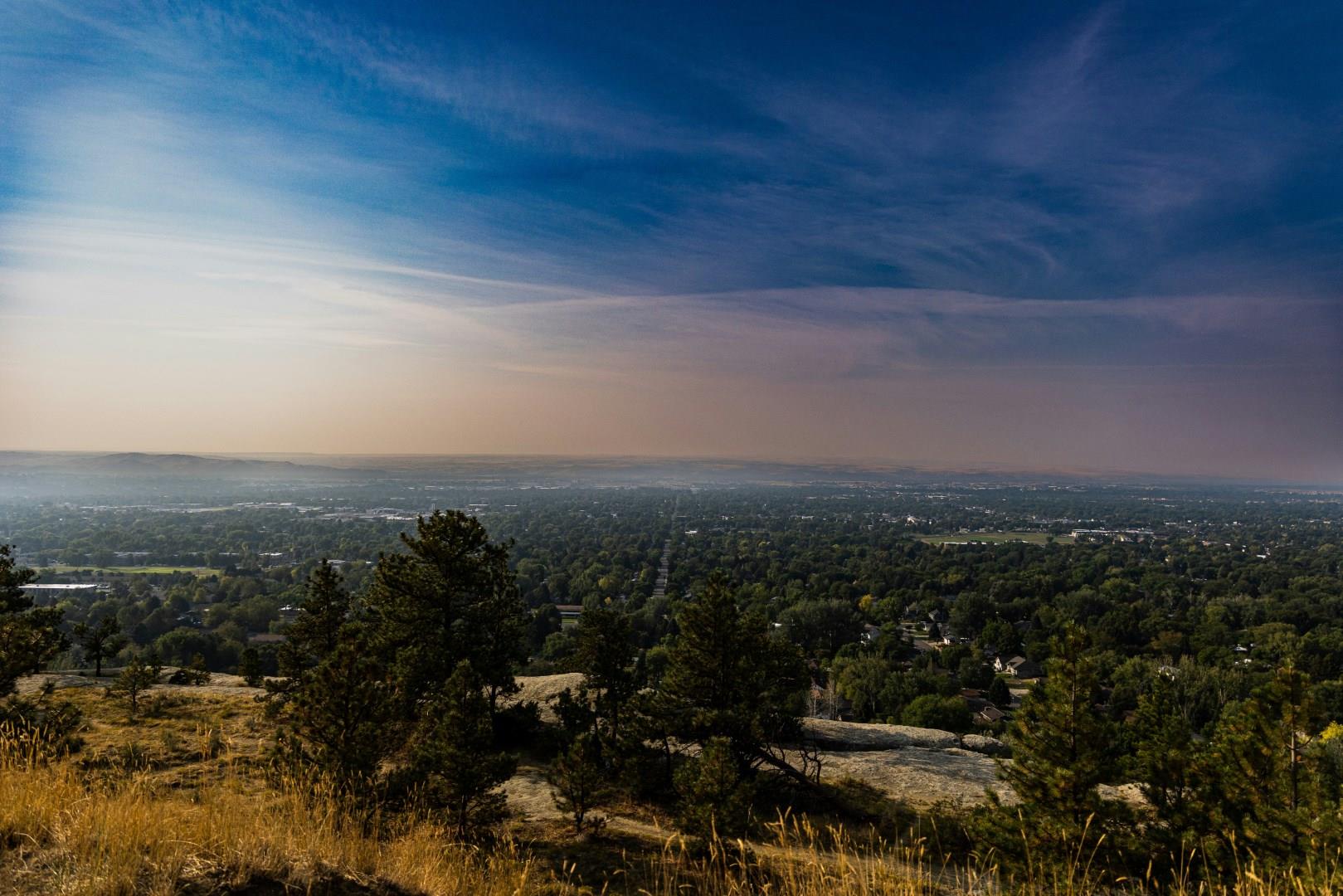
Billings
Billings, Montana sits on the edge of the vast plains and at the base of ancient sandstone cliffs known as the Rimrocks. These formations frame the city and provide miles of scenic overlooks, hiking trails, and even fossil beds. From Swords Park, visitors can walk or bike along the paved trail that follows the rim’s edge, offering sweeping views of downtown, the Yellowstone River, and distant snowcapped peaks.