Bandelier National Monument
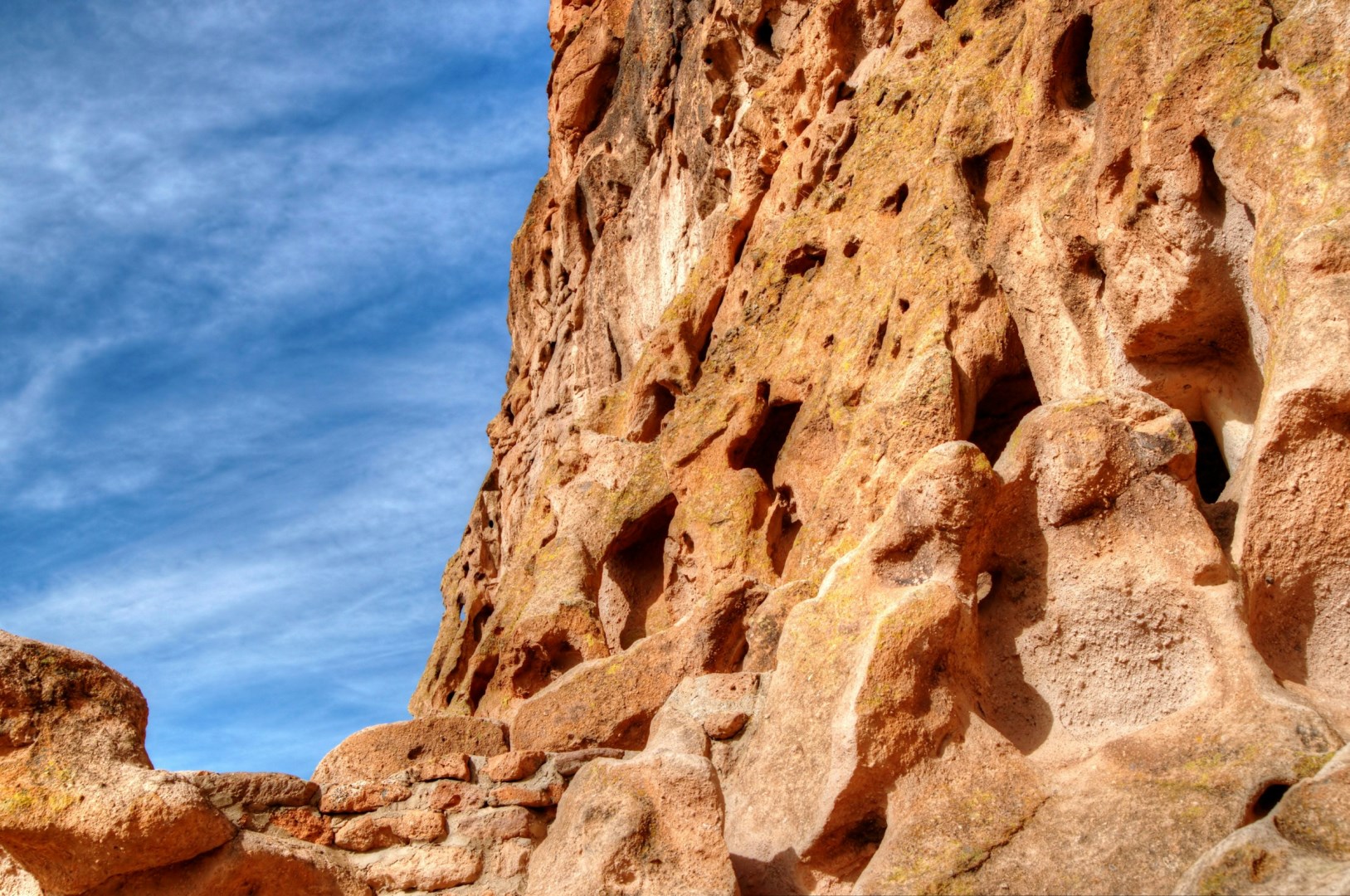
Bandelier National Monument lies in northern New Mexico near Los Alamos, protecting a rugged landscape of canyons, volcanic cliffs, mesas, and forested slopes. The monument is especially known for its ancestral Pueblo dwellings carved into soft volcanic tuff, including rooms, cavates, and ceremonial structures that remain visible along the canyon walls. Frijoles Canyon forms the main visitor area, with trails leading through archaeological sites and wooded terrain.
Gorée
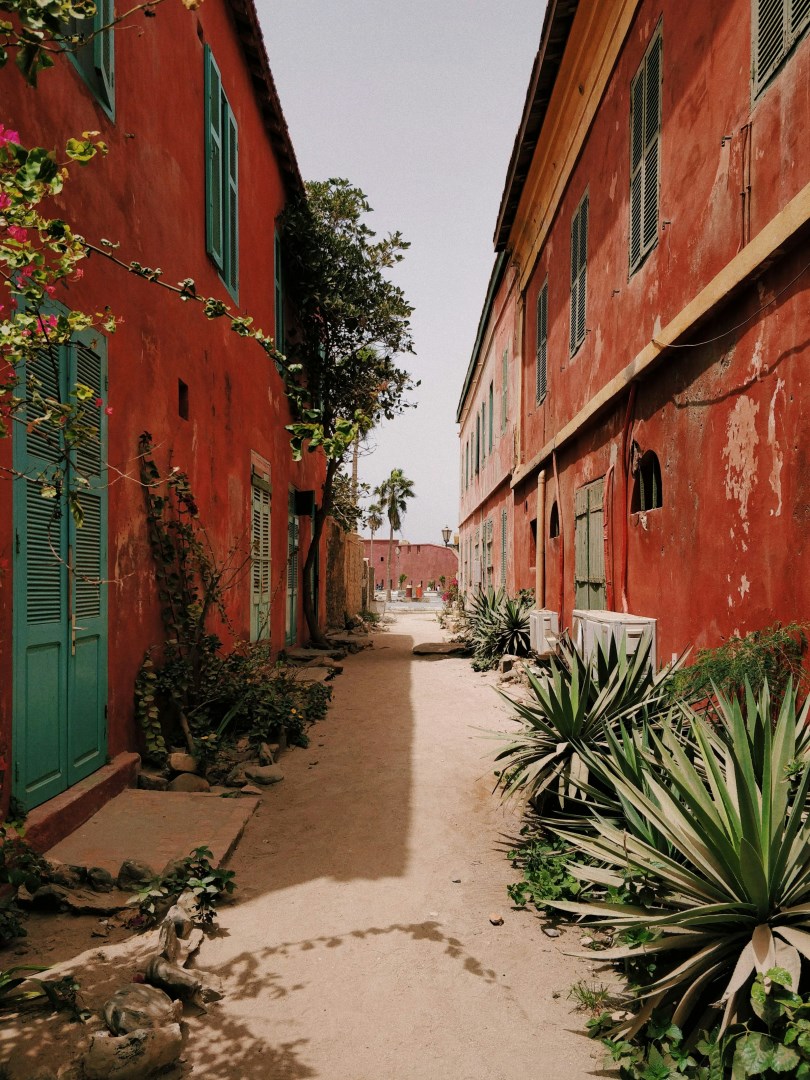
Gorée is a small island off the coast of Dakar, known for its preserved architecture and its central place in Senegal’s history of the Atlantic slave trade. Its narrow streets, pastel-colored buildings, courtyards, and waterfront create a compact historic landscape that contrasts with the modern capital across the water. The island is part of a UNESCO World Heritage Site and is regarded as an important place of memory for the African diaspora.

Iles des Saintes
Framed by an array of tropical flowers, "miniature" houses painted in a pastel palette will enchant you. But, a splash of watercolors is all you'll see as you zip by on a moped. It won't be long before you find the perfect spot for a beach picnic and afternoon of snorkeling.
Île Bonaventure
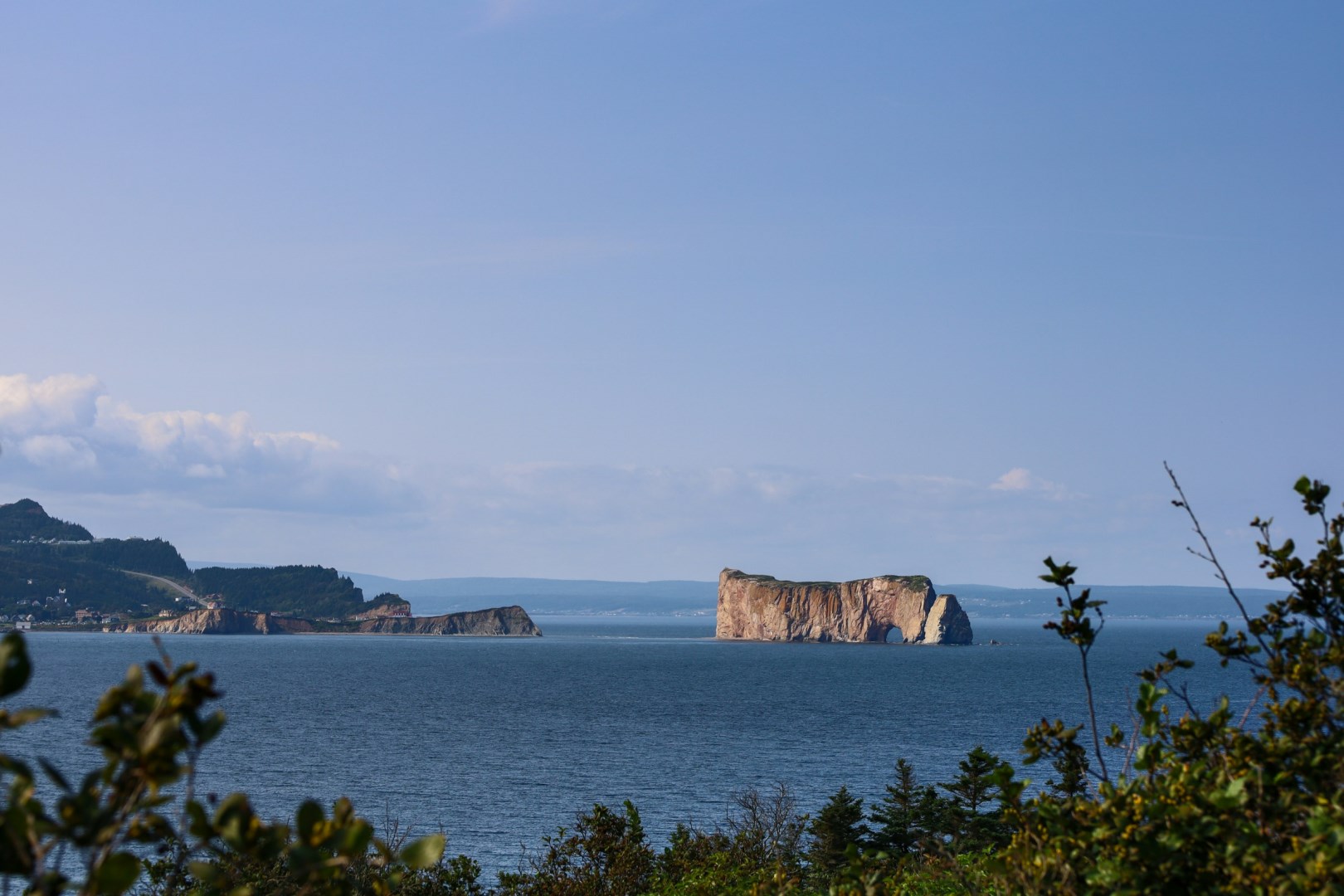
Bonaventure Island is a small island off the coast of Percé in Quebec's Gaspésie region, within the Parc national de l'Île-Bonaventure-et-du-Rocher-Percé. Surrounded by the Gulf of St. Lawrence, the island combines coastal cliffs, forests, meadows, rocky shorelines, and open sea. Its best-known feature is its large colony of Northern Gannets, one of the world's largest and most accessible colonies of the species.
Western Sahara
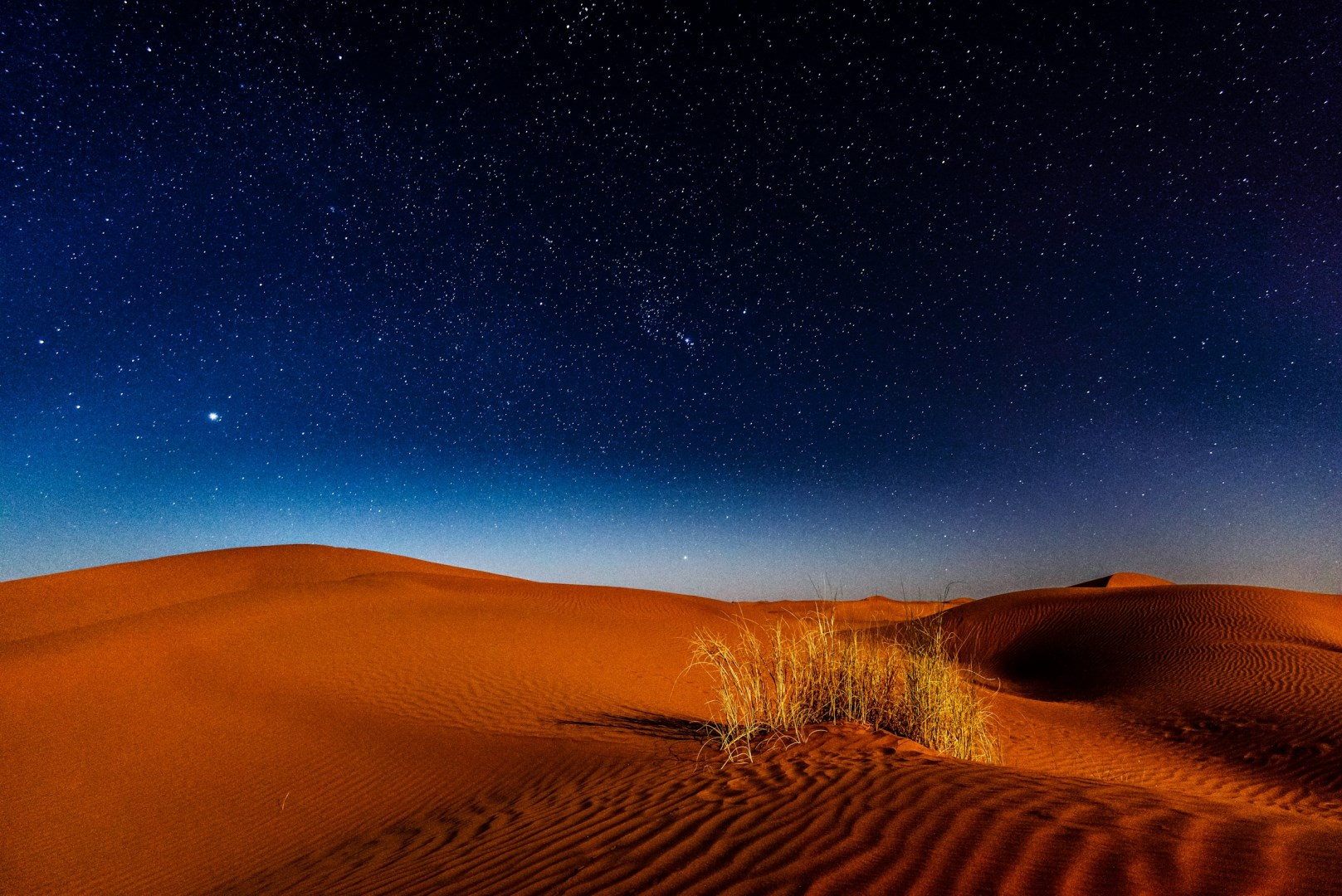
Western Sahara, (formerly Spanish Sahara), northwestern Africa, former overseas province of Spain partitioned in 1976 between Mauritania and Morocco, and since 1979, occupied entirely by Morocco.