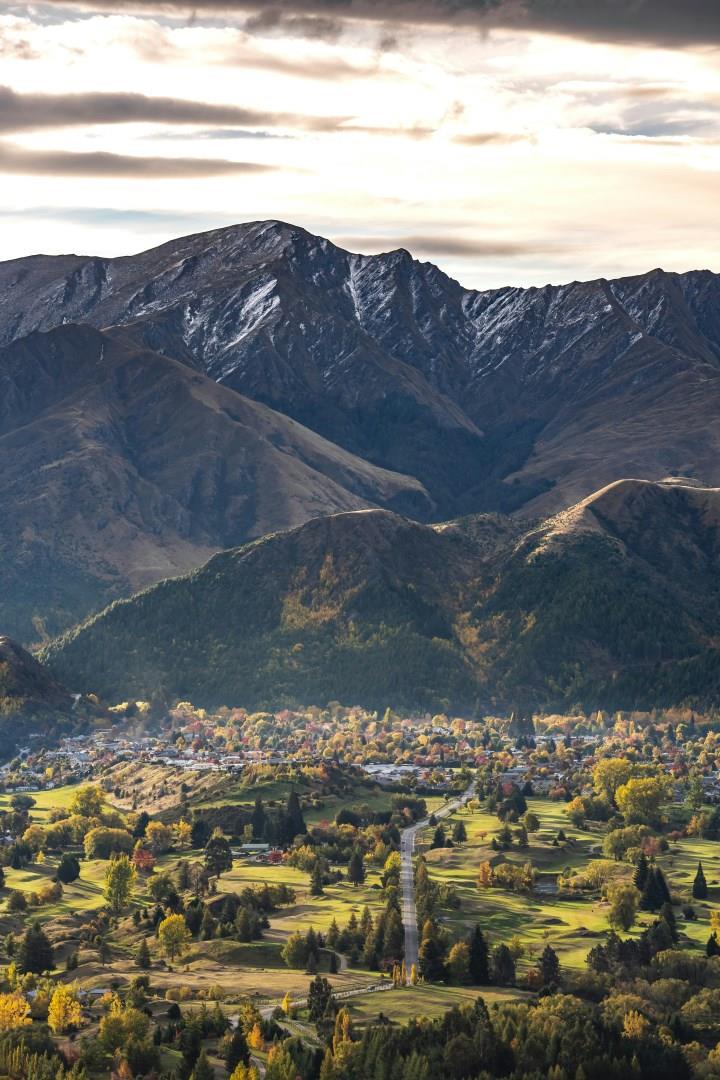
Arrowtown
Arrowtown, New Zealand, is a quaint town steeped in gold rush history, nestled along the Arrow River in the Otago region. The town’s heritage buildings, many carefully preserved from the 19th century, offer a glimpse into its past as a thriving mining settlement.
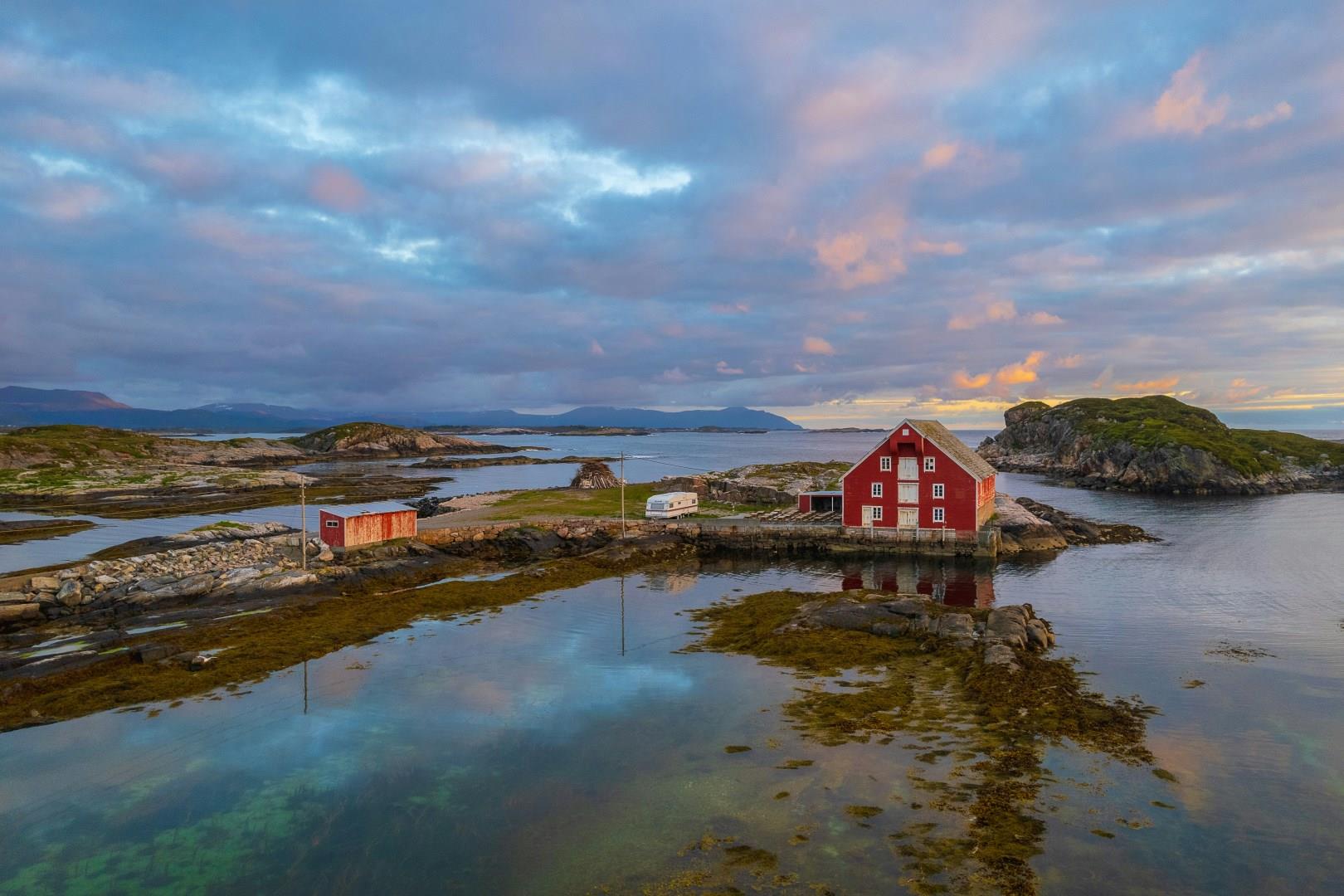
Kristiansund
Kristiansund is a town facing the North Atlantic, on the west coast of Norway. Both its history and geographical position are unique. It is not a big town and does not have a large population, but the friendly attitude of the people who live here and their way of life, makes it a town with a big heart. Its business centre is close to green parks and small forests. The beautiful view of the surrounding mountains completes the picture.

Dominica
Dominica, known as the “Nature Island of the Caribbean,” is a haven for eco-tourists and adventure seekers. Nestled between the French islands of Guadeloupe and Martinique, this lush island boasts a remarkable landscape of volcanic mountains, dense rainforests, and stunning waterfalls. Dominica’s most iconic natural wonder is the Boiling Lake, the second-largest hot spring in the world.
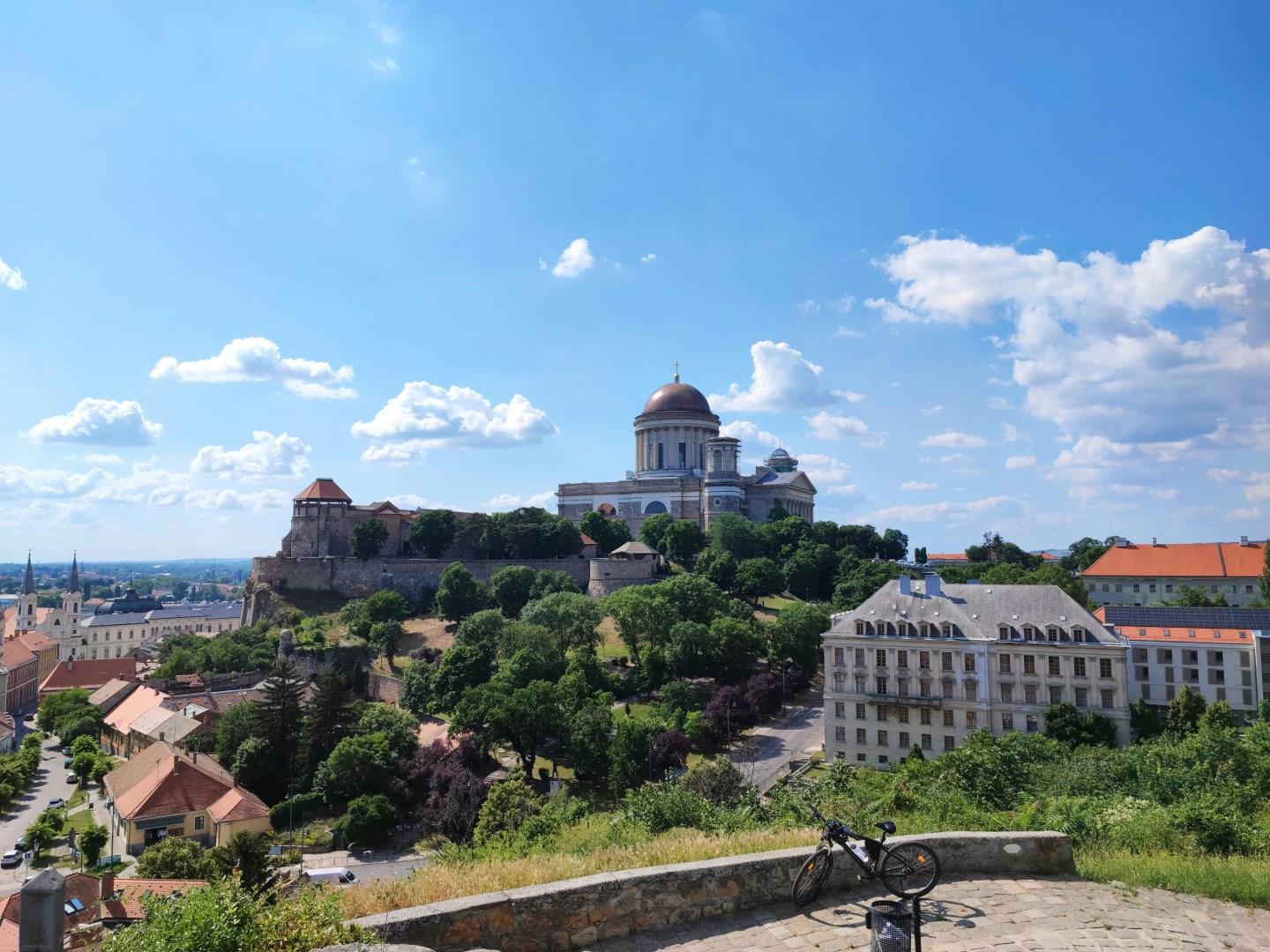
Esztergom
Esztergom is one of Hungary’s oldest and most historically significant towns, located along the Danube River just an hour north of Budapest. It was the country’s royal capital during the Middle Ages and the birthplace of its first king, Saint Stephen. Today, visitors are drawn to the Esztergom Basilica, the largest church in Hungary. Its dome rises over 70 meters high and offers panoramic views of the river, the surrounding hills, and neighboring Slovakia across the Mária Valéria Bridge.

Ocho Rios
Ocho Rios, whose name comes from the Spanish for “Eight Rivers”, was originally a Taíno settlement before Spanish and later British colonial influence shaped its identity. Nestled along Jamaica’s lush north coast, this once-humble fishing village has transformed into a vibrant coastal town that blends historical depth with modern charm.