Lusaka, the capital of Zambia, is a city that blends modern energy with authentic African culture. As the country’s largest urban center, it serves as the gateway for travelers exploring Zambia’s natural wonders while also offering its own dynamic experiences.
Ninh Binh, located about 100 kilometers south of Hanoi, offers a landscape shaped by limestone karsts, winding rivers, and flooded rice paddies. Often referred to as “Ha Long Bay on land,” the area is best explored by rowboat. At Trang An Scenic Landscape Complex, boat routes pass through caves, ancient pagodas, and valleys surrounded by towering cliffs. Local rowers often use their feet to paddle, an unusual technique that surprises many first-time visitors.
Imagine standing in complete stillness as thousands of tiny lights blink in perfect harmony around you. Every spring in Congaree National Park, this bioluminescent ballet plays out under the forest canopy. This is nature’s very own light show, and it lasts only two magical weeks. Time your visit right, and you’ll be part of a glowing experience few ever witness.
The Cook Islands, a group of 15 islands scattered across the South Pacific, offer a rare blend of Polynesian tradition and laid-back island charm. Rarotonga, the largest and most visited island, is ringed by a turquoise lagoon and backed by lush mountains. Visitors can circle the entire island in under an hour, stopping along the way for fresh coconut, beachside cafés, or a quick swim in the clear lagoon.
Cape Town, located at the southern tip of South Africa, is one of the world’s most striking coastal cities. Towering over it is Table Mountain, a flat-topped landmark that can be reached by cable car or on foot, offering sweeping views of the city, ocean, and beyond.
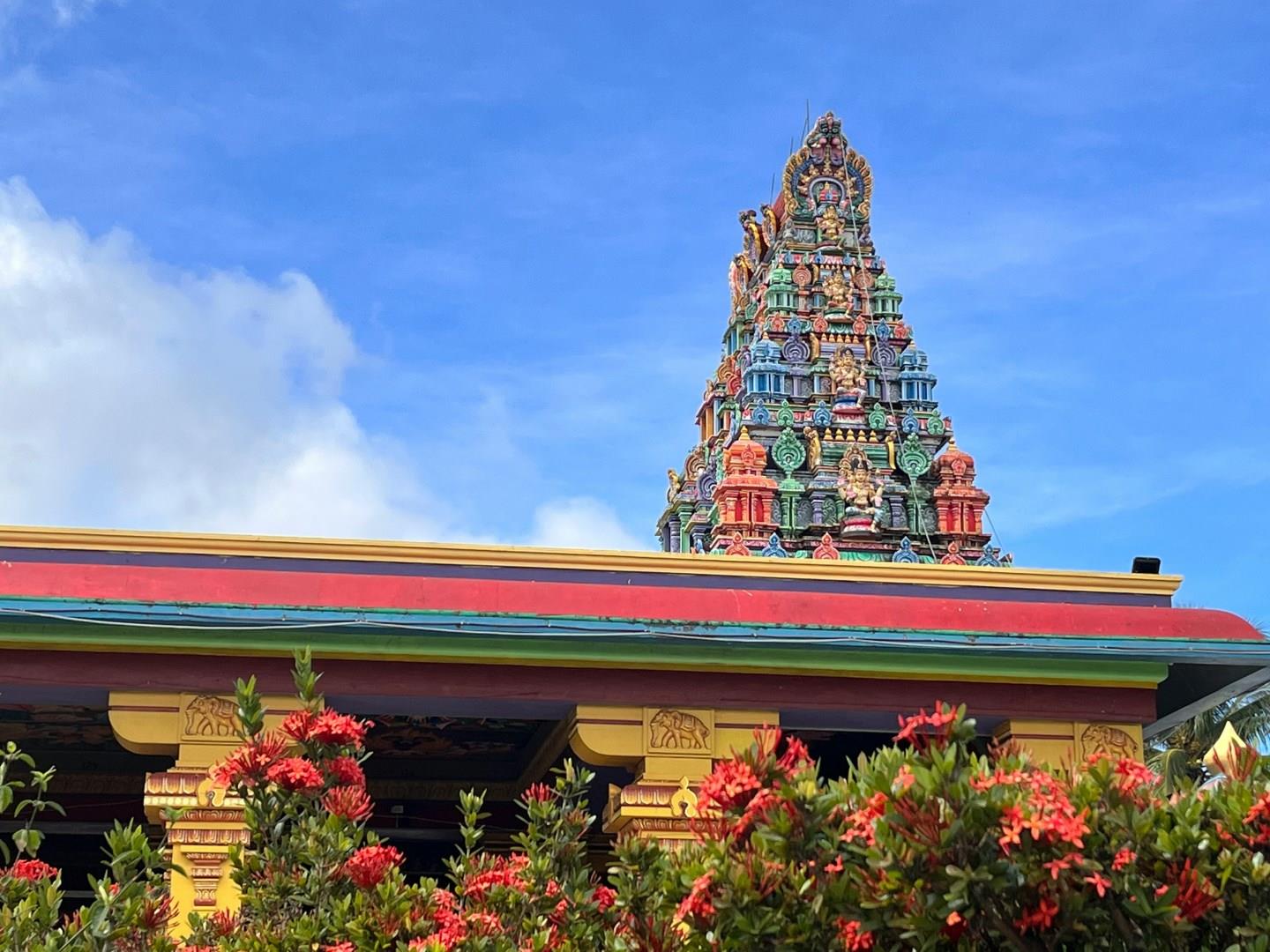
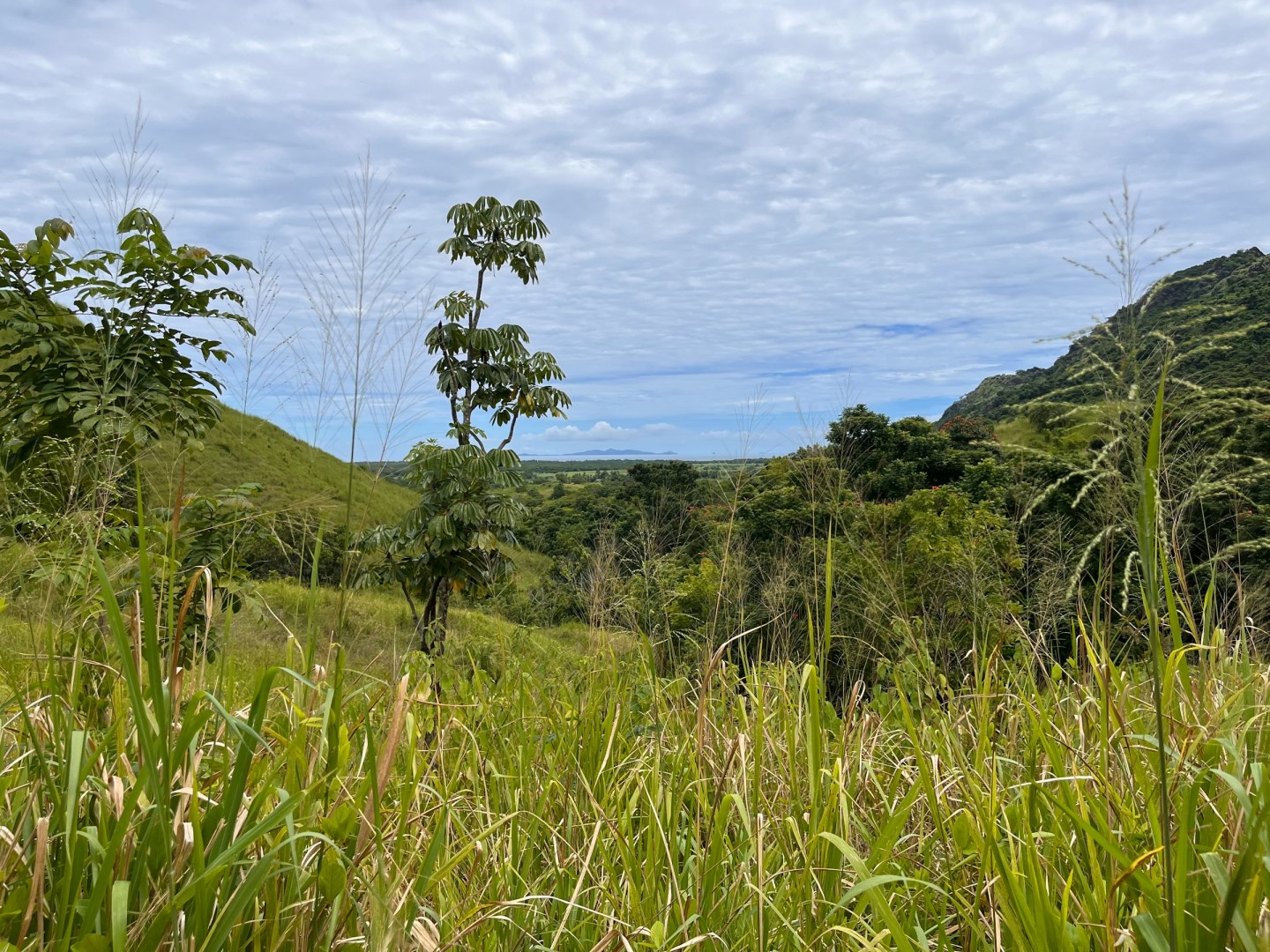
Nadi, a vibrant city on Fiji's western coast, offers a gateway to some of the South Pacific's most enchanting experiences. Known for its bustling markets and lively atmosphere, Nadi is a hub of culture and activity. A must-see is the Sri Siva Subramaniya Temple, the largest Hindu temple in the Southern Hemisphere, renowned for its intricate Dravidian architecture and colorful frescoes. The temple’s vibrant and spiritual ambiance provides a glimpse into Fiji's rich Indian heritage.
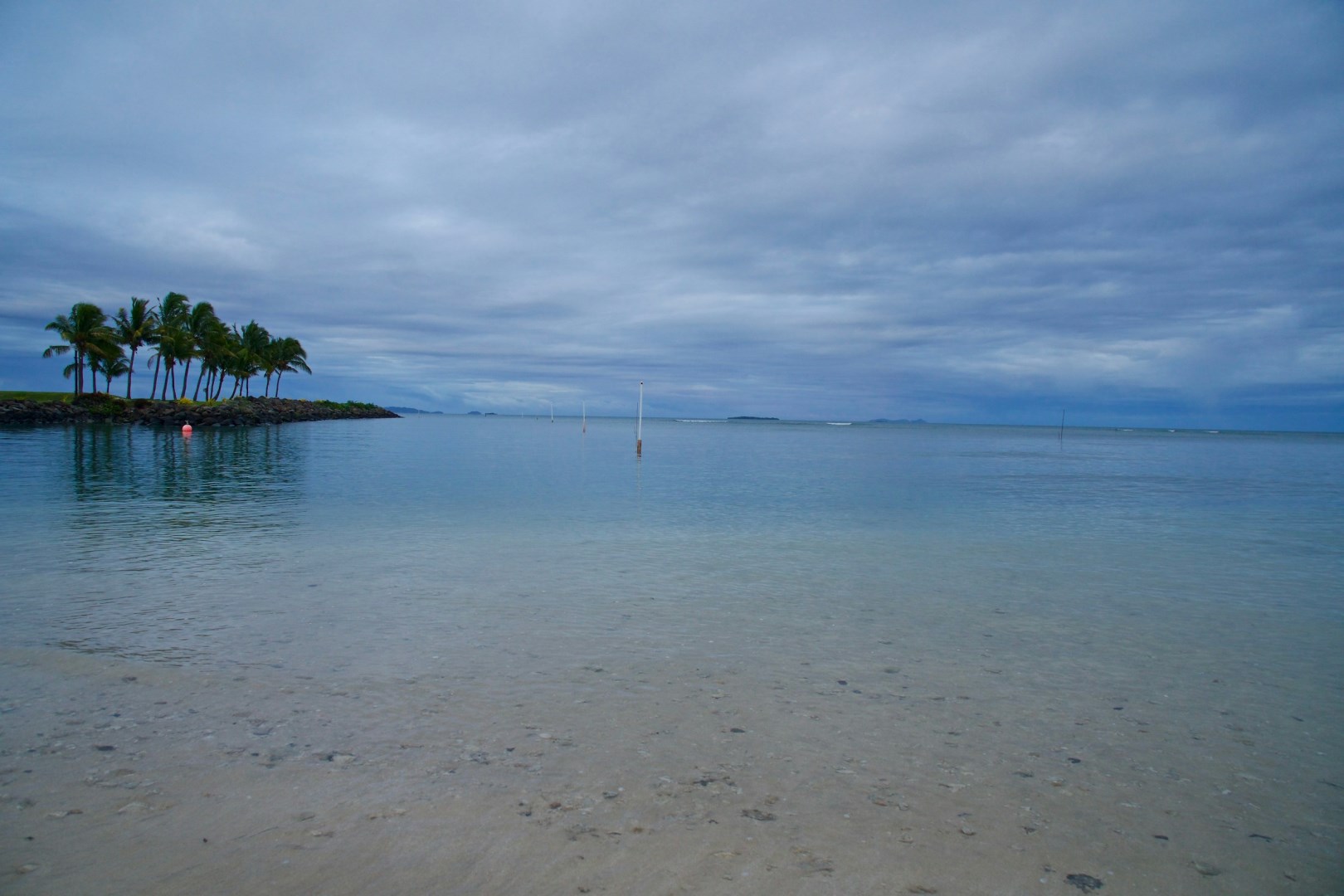
Beyond cultural landmarks, Nadi is a launchpad for exploring the stunning natural beauty of the Fijian archipelago. The nearby Mamanuca Islands and Yasawa Islands offer pristine beaches, crystal-clear waters, and world-class snorkeling and diving opportunities. The islands' idyllic settings are perfect for relaxation and adventure alike, with options ranging from island-hopping tours to water sports and spa treatments.
For those interested in local life, a visit to the Nadi Market is essential. This bustling market is a sensory delight, offering everything from fresh produce and spices to handcrafted souvenirs. It's a great place to experience Fijian hospitality and pick up unique gifts. The lively environment and colorful stalls reflect the city's diverse cultural tapestry.
Nadi's tropical climate and sunny weather make it a year-round destination. The city enjoys an average temperature of 81°F (27°C) and boasts more than 300 sunny days each year. This pleasant weather ensures that visitors can enjoy outdoor activities and beachside relaxation virtually anytime they choose.