Kalmar
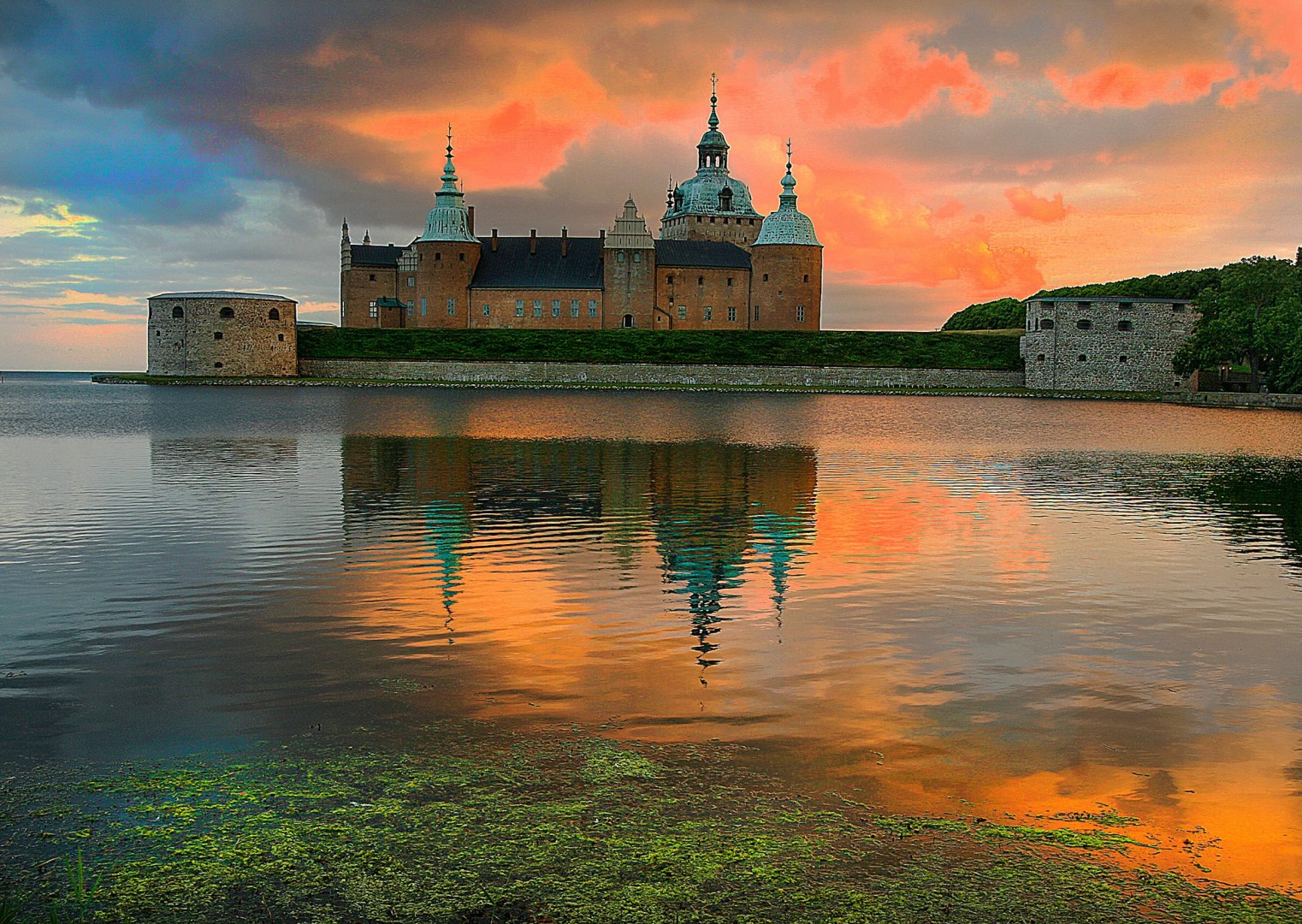
Kalmar Union, combination of the crowns of Denmark, Sweden, and Norway, effected at Kalmar, Sweden, by Margaret I in 1397. Because all three crowns were elective, the union could not be maintained by inheritance. Margaret's successors controlled Sweden intermittently until Gustavus I of Sweden dissolved the union (1523). Norway became independent in 1814.

Cook Islands
The Cook Islands, a group of 15 islands scattered across the South Pacific, offer a rare blend of Polynesian tradition and laid-back island charm. Rarotonga, the largest and most visited island, is ringed by a turquoise lagoon and backed by lush mountains. Visitors can circle the entire island in under an hour, stopping along the way for fresh coconut, beachside cafés, or a quick swim in the clear lagoon.

Poland
Poland offers a layered and often surprising experience shaped by centuries of resilience and creativity. From the cobbled lanes of Kraków’s Old Town to the post-industrial art scenes in Łódź, the country moves comfortably between tradition and reinvention.
Muskegon
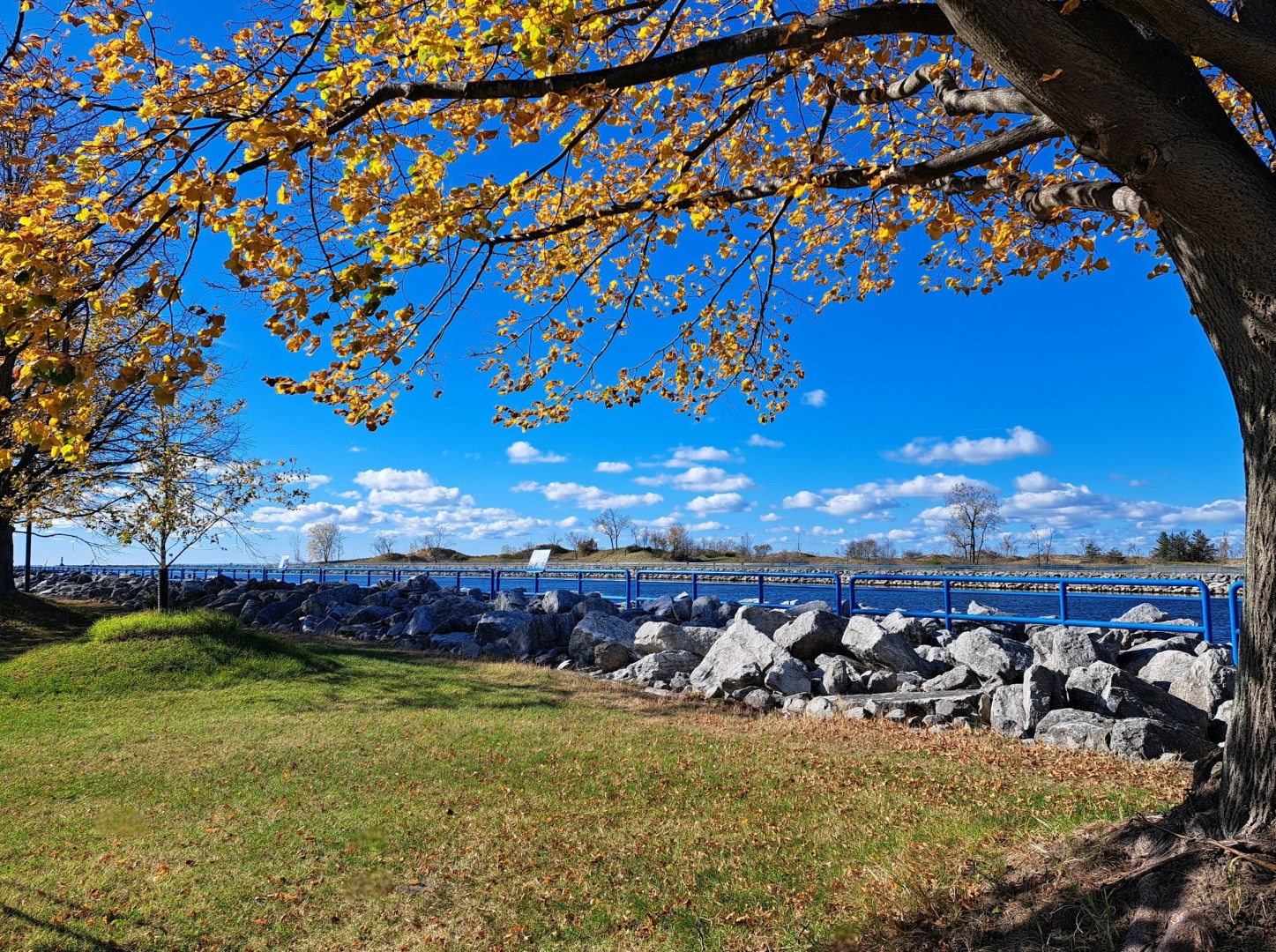
Northwest of Grand Rapids, it has a natural safe harbor off Lake Michigan
San Ignacio
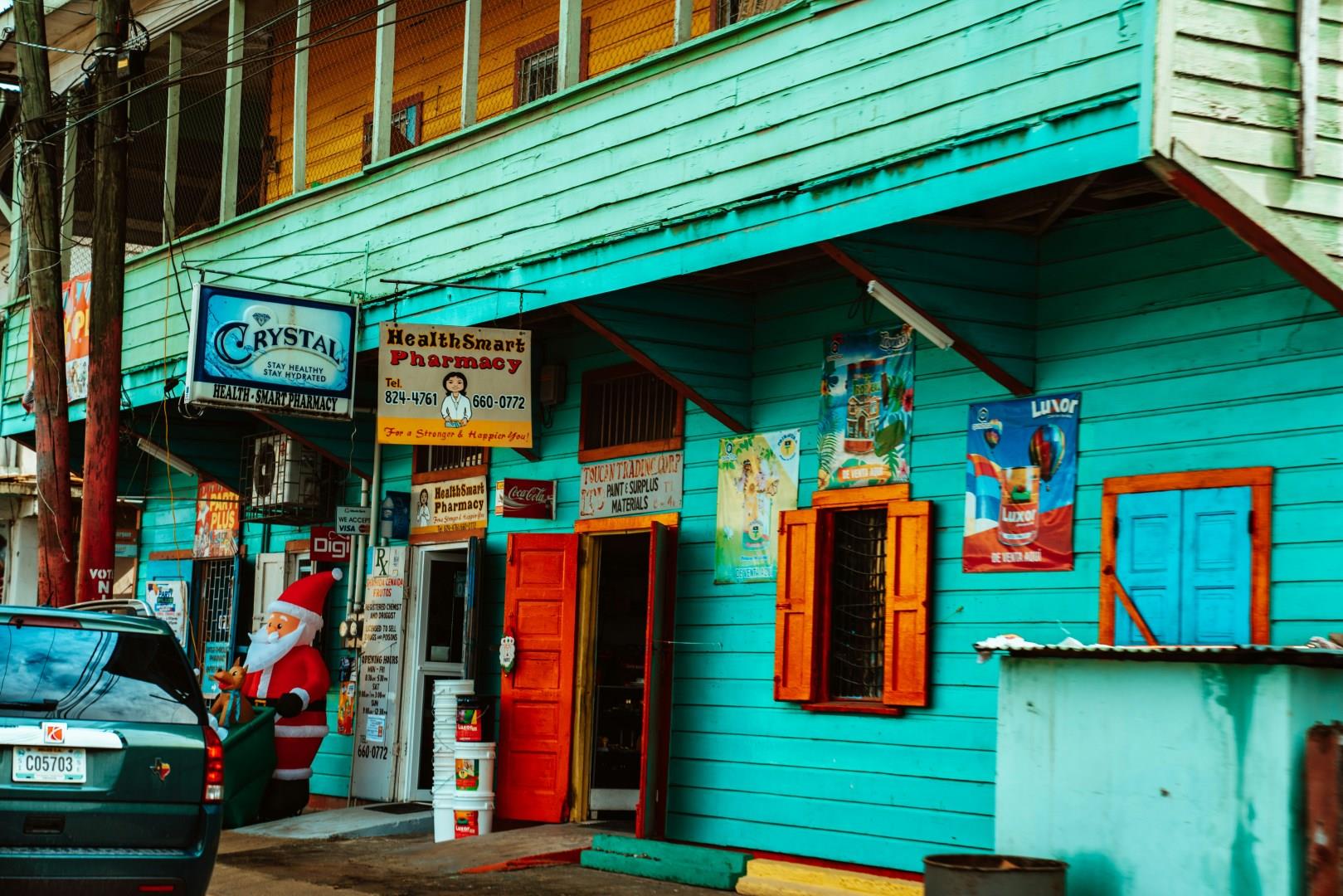
San Ignacio sits in western Belize’s Cayo District on the banks of the Macal and Mopan Rivers, where the town and its sister settlement of Santa Elena are linked by Belize’s lone suspension bridge. Its location also makes San Ignacio a gateway to both inland Belize and the nearby Guatemalan border, making it easy for curious travelers to explore beyond town limits.