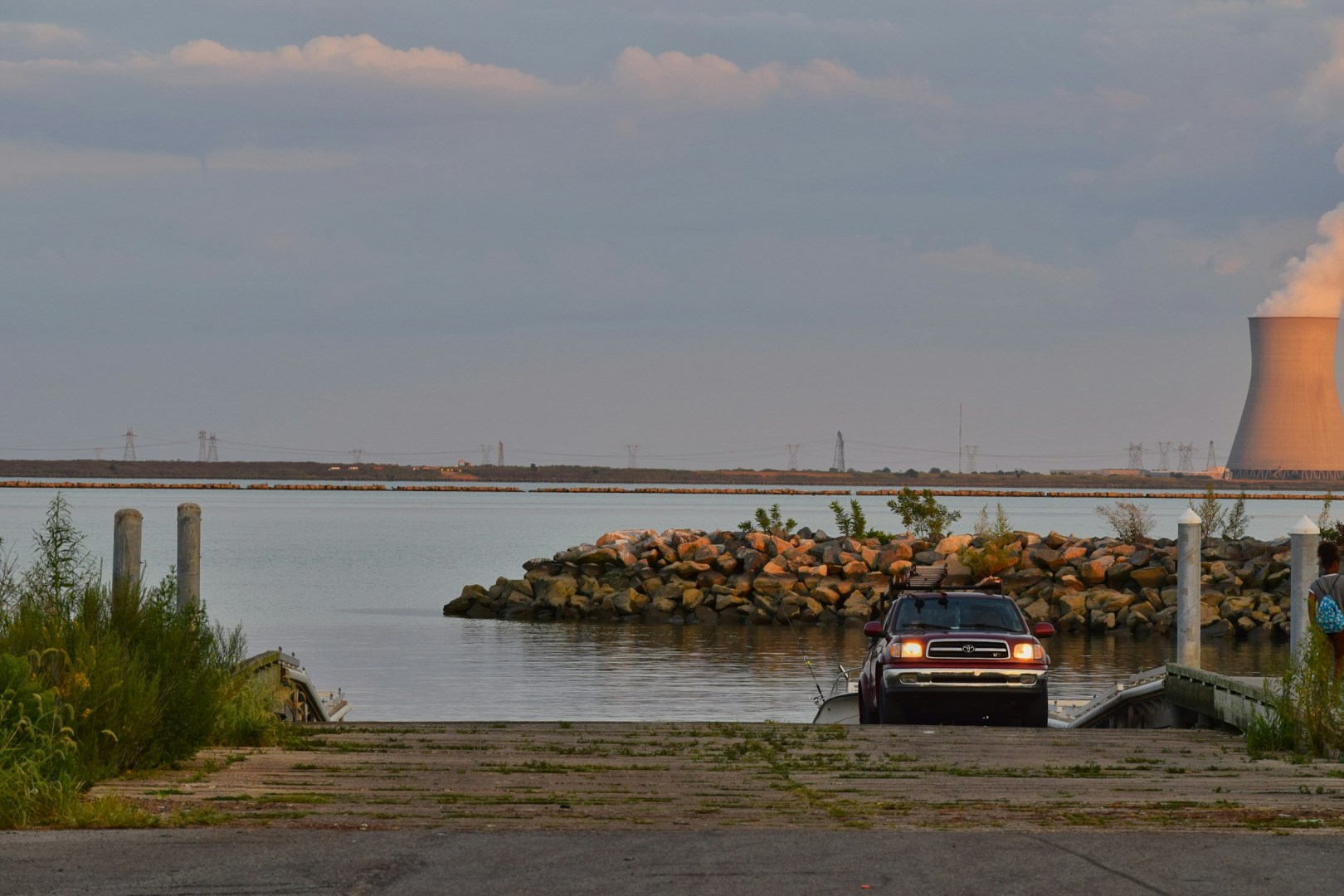
Middletown
Middletown, Delaware, offers a delightful blend of small-town charm and modern appeal, making it an increasingly popular destination for visitors. Nestled in the heart of New Castle County, Middletown is known for its picturesque landscapes and rich history. The town has grown rapidly in recent years, but it has retained its historic character, with spots like the Everett Theatre, which first opened in 1922, offering a nostalgic glimpse into Middletown's past.

English Harbour
English Harbour is a historic harbour district on the southeastern coast of Antigua, known for its sheltered bay, maritime heritage, and surrounding hills. The area is closely associated with Nelson's Dockyard, a preserved Georgian naval complex that remains one of Antigua and Barbuda's best-known heritage sites.
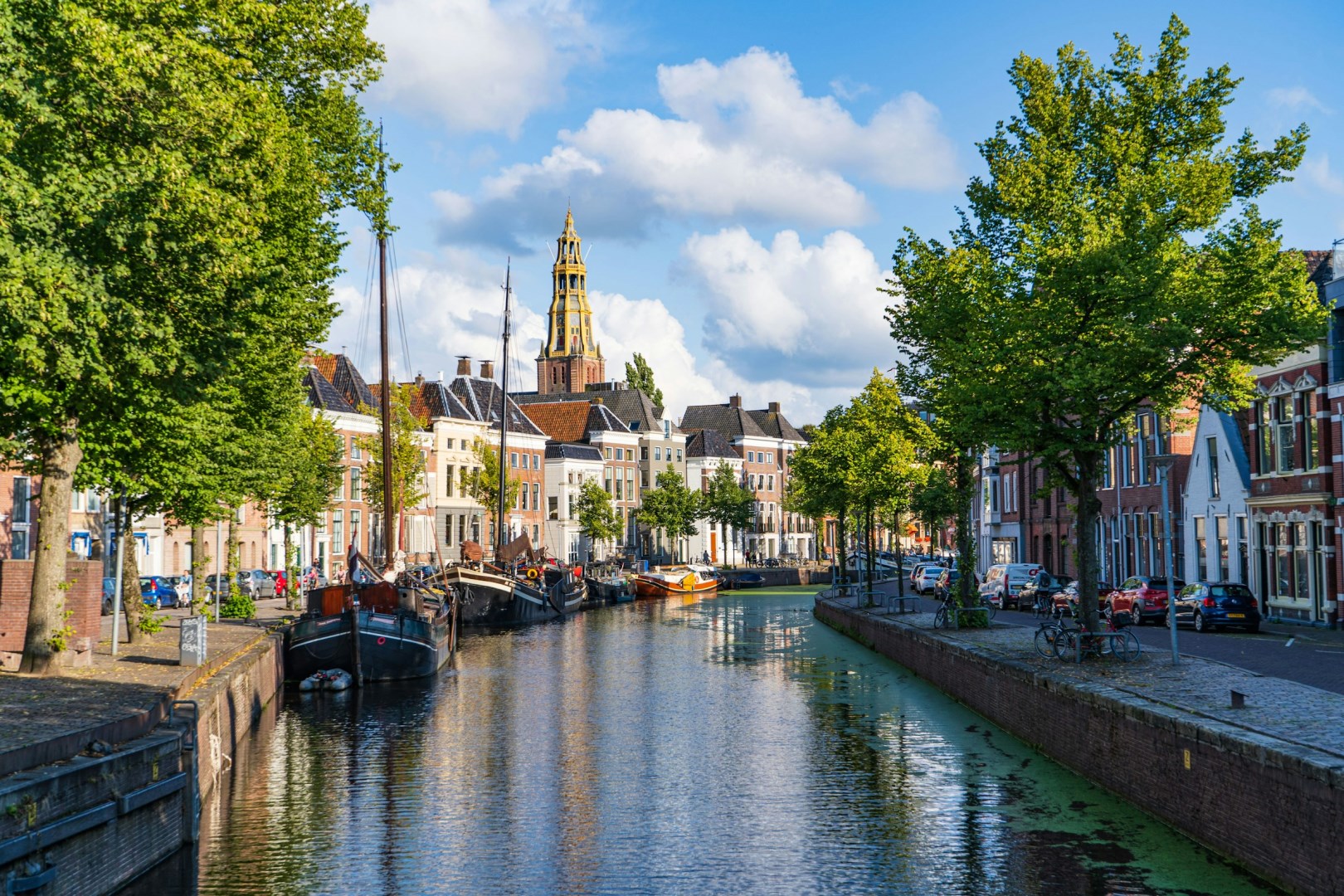
Groningen
Groningen is a university city in the northern Netherlands, known for its historic center, extensive cycling culture, canals, and strong student population. The city grew around the meeting point of waterways and regional trade routes, and its compact center contains medieval churches, former warehouses, courtyards, and market squares.

Bristol
Nestled among quiet mountains lies the thriving Twin City of Bristol. One community in two states, this beautiful city is Bristol, Virginia on the north side of State Street and Bristol, Tennessee on the south side.
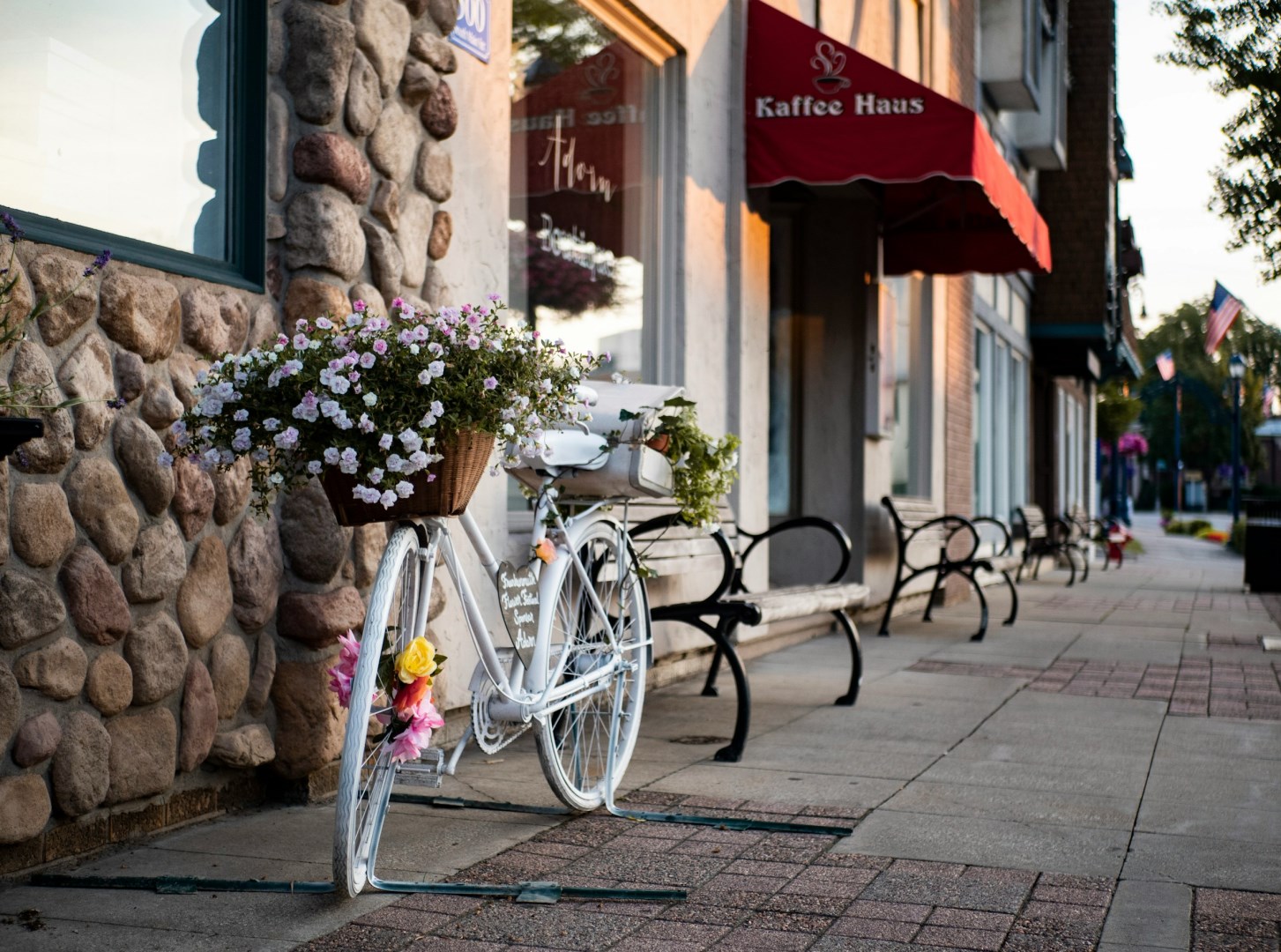
Frankenmuth
Frankenmuth, Michigan, is a small city along the Cass River known for its strong Bavarian identity and distinctive German-inspired architecture. Often called Michigan’s Little Bavaria, it has a compact downtown filled with decorated storefronts, restaurants, specialty shops, and pedestrian-friendly streets. T