Zeebrugge
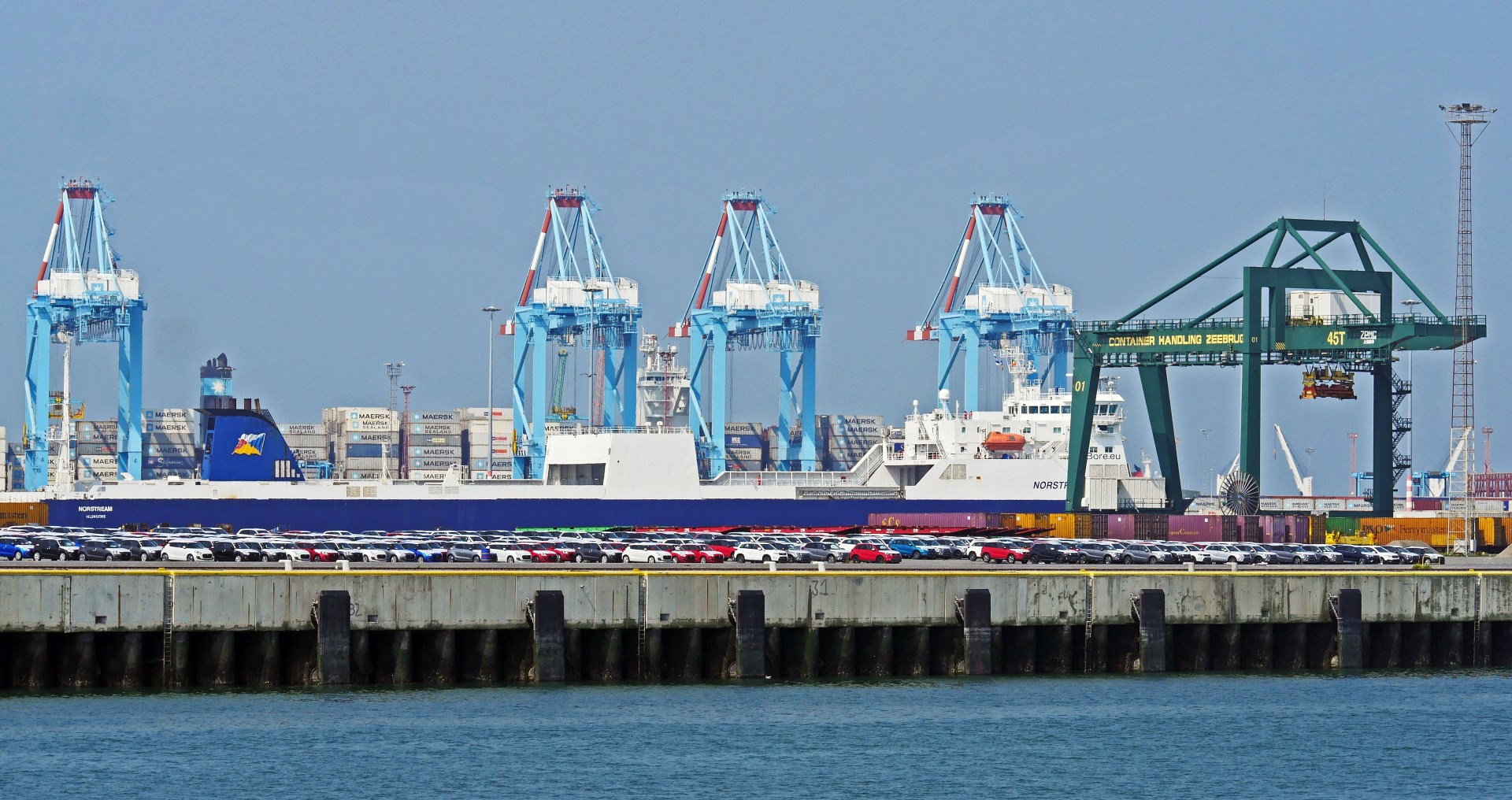
Zeebrugge is a coastal district of Bruges in West Flanders, Belgium, located on the North Sea coast. It is best known as one of Europe’s major ports, handling international cargo, passenger ferries, and fishing activities.

Kos
Kos, an enchanting island in Greece’s Dodecanese archipelago, is a gem steeped in both history and natural beauty. Known as the birthplace of Hippocrates, the father of modern medicine, Kos is home to the ancient Asclepeion, a healing temple where Hippocrates taught his students. Visitors can wander through the well-preserved ruins and enjoy sweeping views over the island and the Aegean Sea.
Lugano
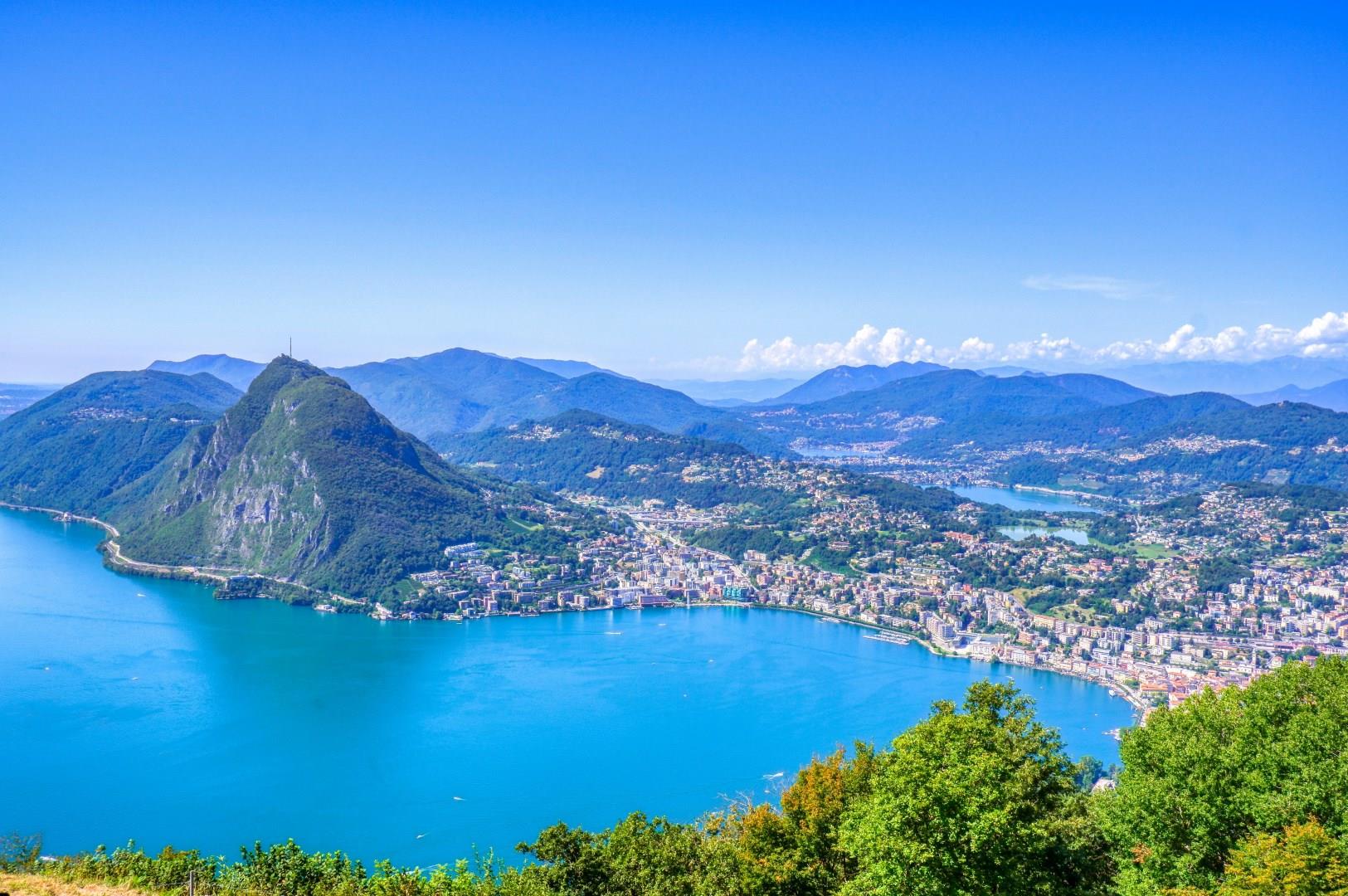
Lugano, tucked into Switzerland’s Italian-speaking Ticino region, blends Mediterranean flair with Alpine elegance. The city sits on the northern shore of Lake Lugano, its pastel-colored villas and palm-lined promenades framed by surrounding mountains such as Monte Brè and Monte San Salvatore.
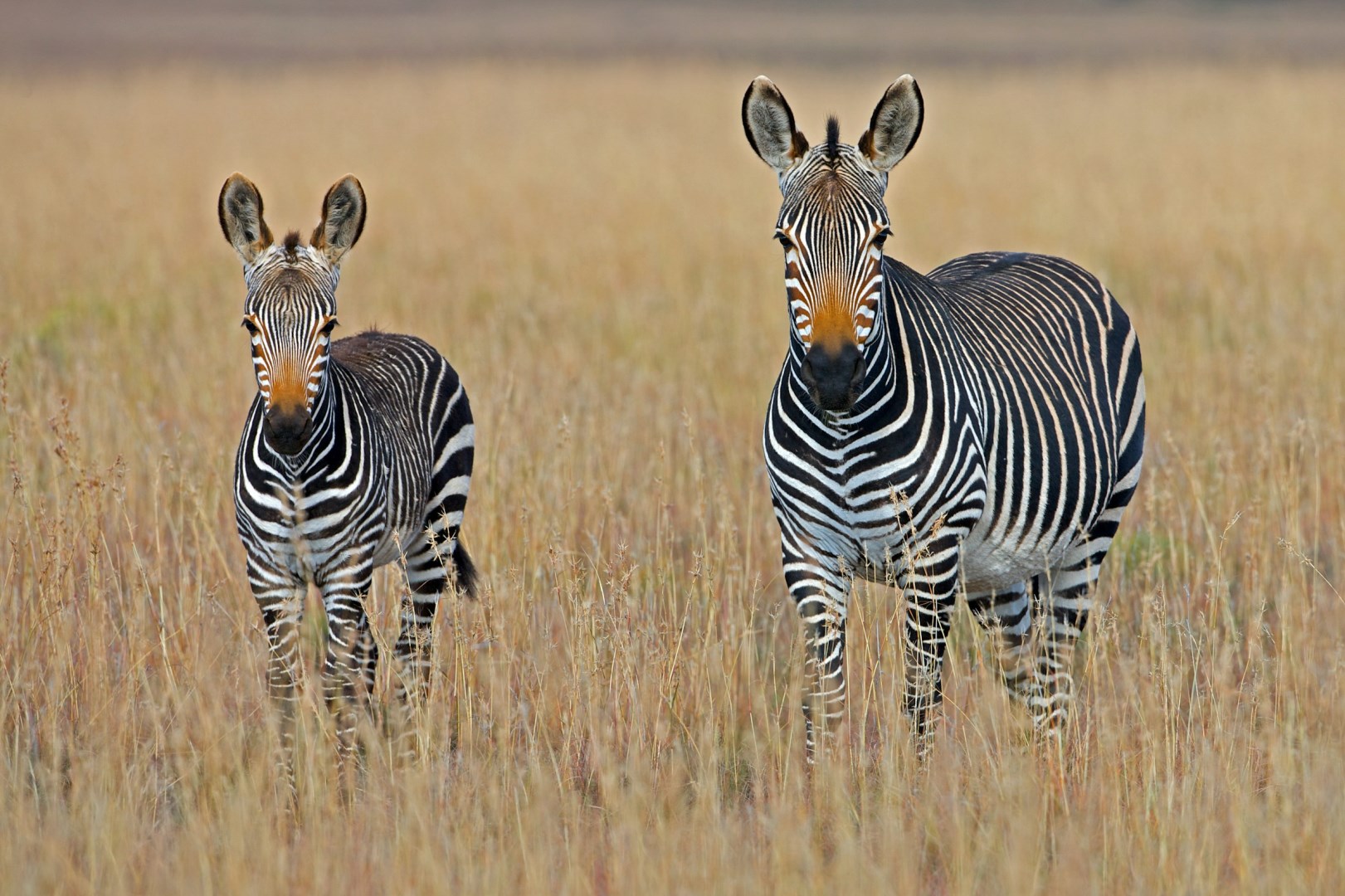
Mountain Zebra National Park
Mountain Zebra National Park lies in the Eastern Cape near Cradock, protecting a rugged section of the Great Karoo. The park’s landscape includes open grassland, rocky mountains, valleys, and dry plateaus, with vegetation adapted to the region’s semi-arid conditions. It was established to protect the Cape mountain zebra, a species that was once severely reduced in number.
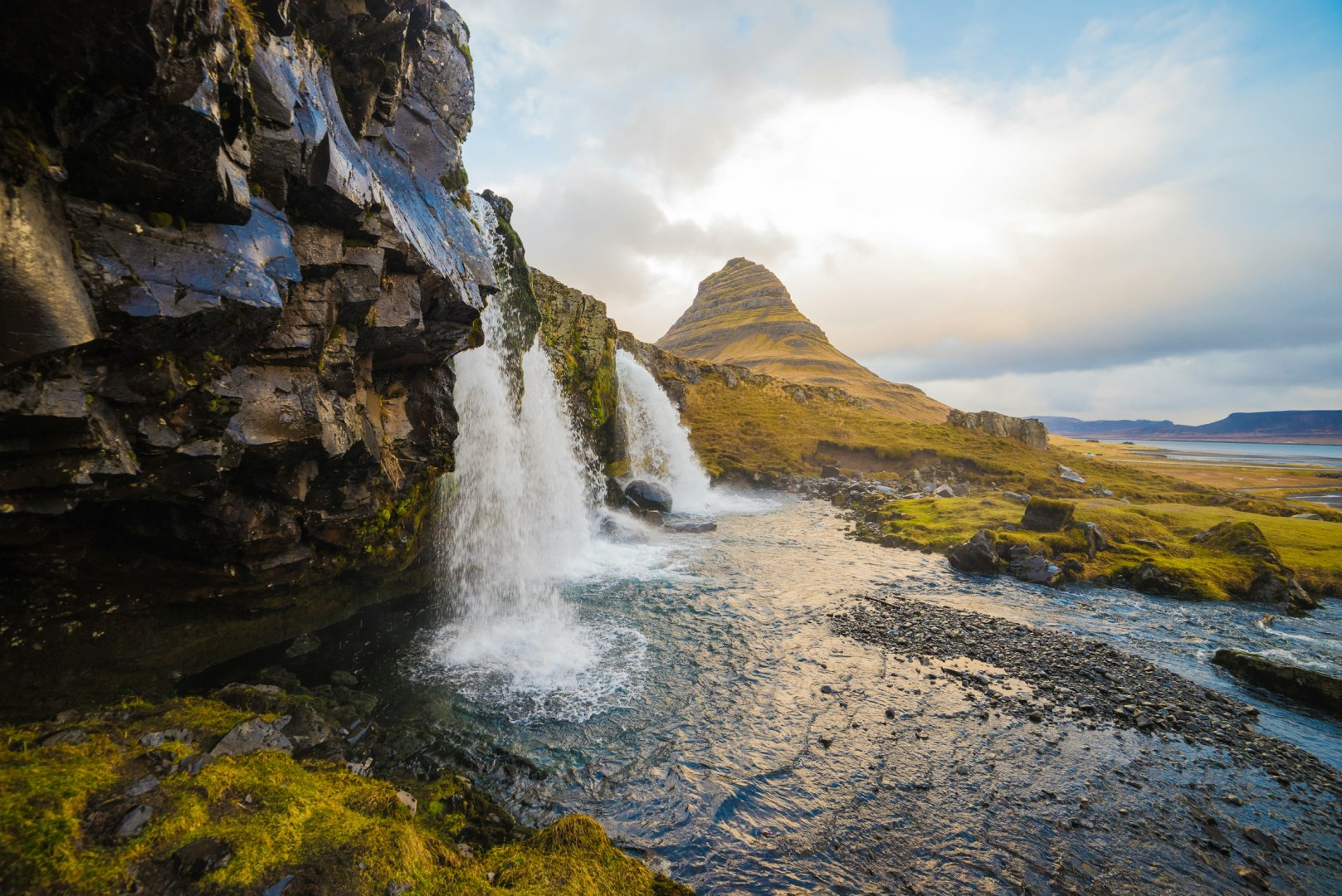
Kirkjufellsfoss
Kirkjufellsfoss is a small series of waterfalls beside Kirkjufell mountain near Grundarfjörður on the northern coast of Iceland’s Snæfellsnes Peninsula. The Kirkjufellsá river descends from the Helgrindur mountain range through several falls before reaching the sea, with Kirkjufell rising prominently behind them. The relationship between the waterfall and the distinctive mountain has made this one of the most recognizable landscapes in West Iceland.