Little Rock
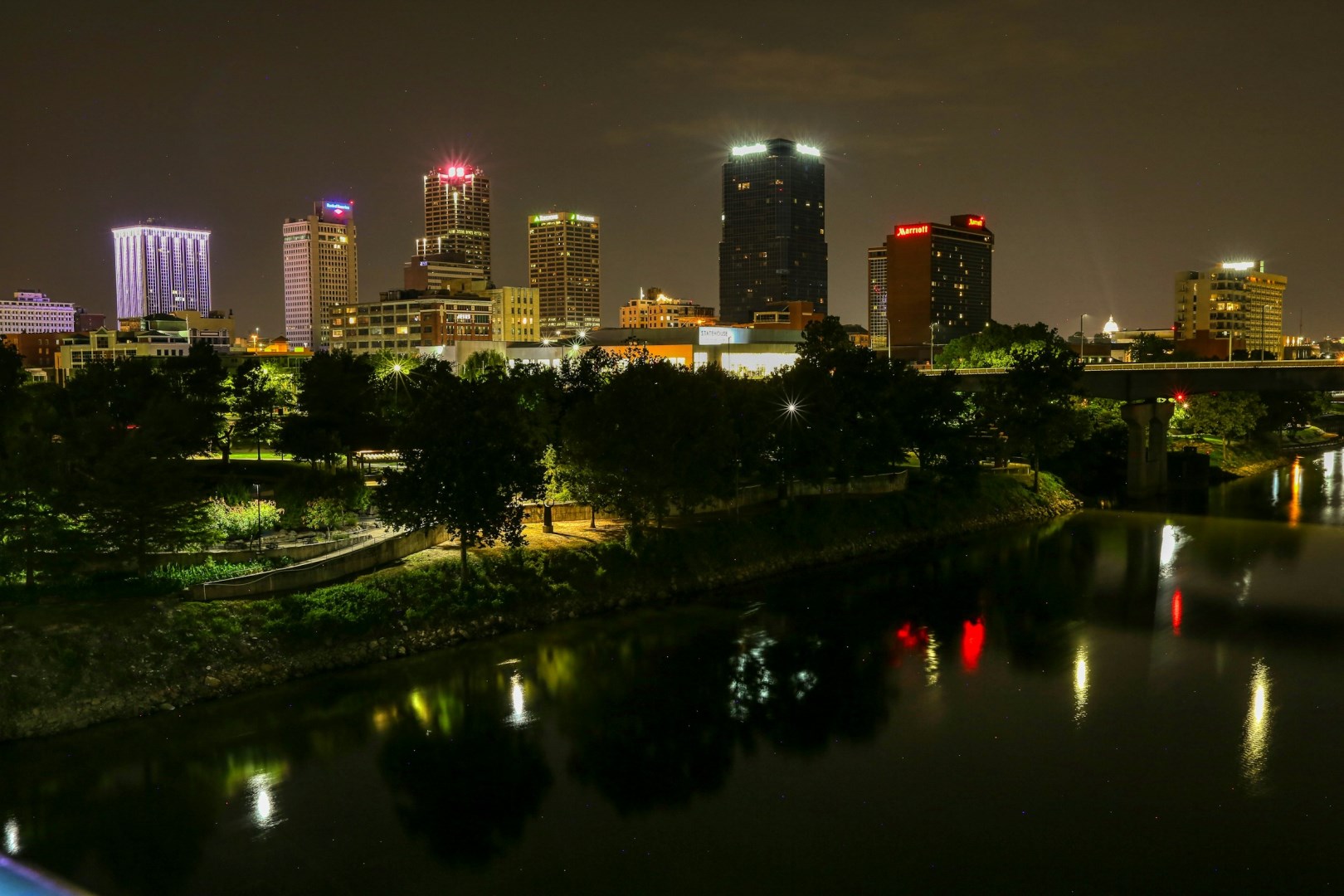
Little Rock, capital and largest city of Arkansas, a port of entry on the Arkansas River opposite North Little Rock, in the central part of the state. Among the attractions in Little Rock are the State Capitol (1911); the Governor's Mansion; Quapaw Quarter, a district of restored buildings that includes the Old State House; the Arkansas Territorial Restoration, a group of restored homes dating from the early 19th century; and MacArthur Park, containing the Arkansas Arts Center, and much more!

Krk
Krk, the largest island in the Adriatic Sea, offers a captivating blend of historical charm and natural beauty. The city of Krk, located on the island's southwestern coast, is renowned for its rich cultural heritage and stunning coastal scenery. The city's historical heart is its Old Town, where ancient walls and charming narrow streets lead visitors through centuries of history.
Robben Island
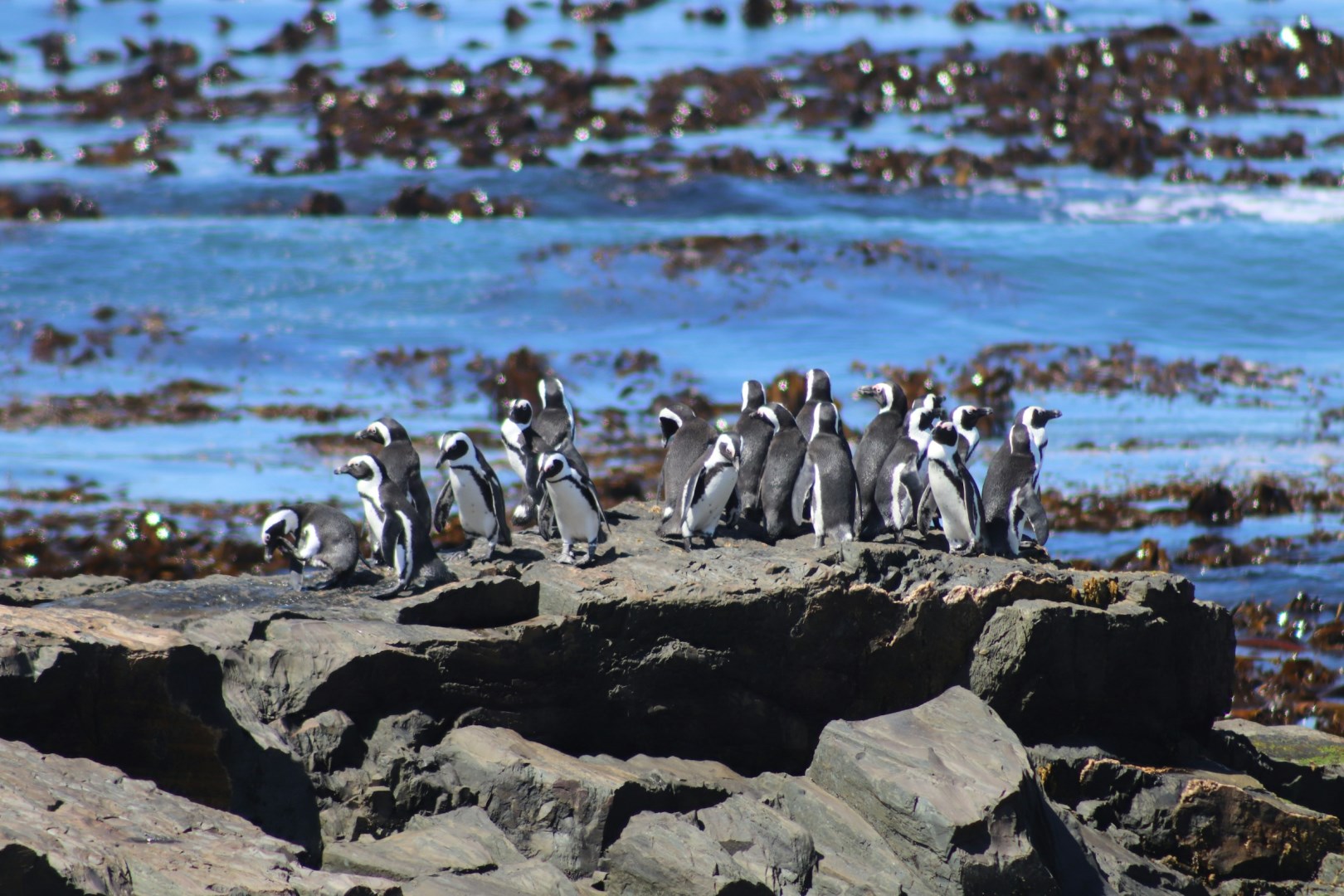
Robben Island lies in Table Bay off the coast of Cape Town and is one of South Africa’s most significant heritage sites. The island is best known for its former prison, where political prisoners opposed to apartheid were held, including Nelson Mandela. Its landscape also contains a lighthouse, historic buildings, military remains, quarries, and areas of natural vegetation.

Aitutaki
Aitutaki is the second most visited of the magical Cook Islands and is recommended as a "must see" extension of any Rarotonga holiday. This is a place of great natural beauty and tranquility, where crystal clear waters and swaying palms provide a simple tonic to sooth away the pressures of the outside world.
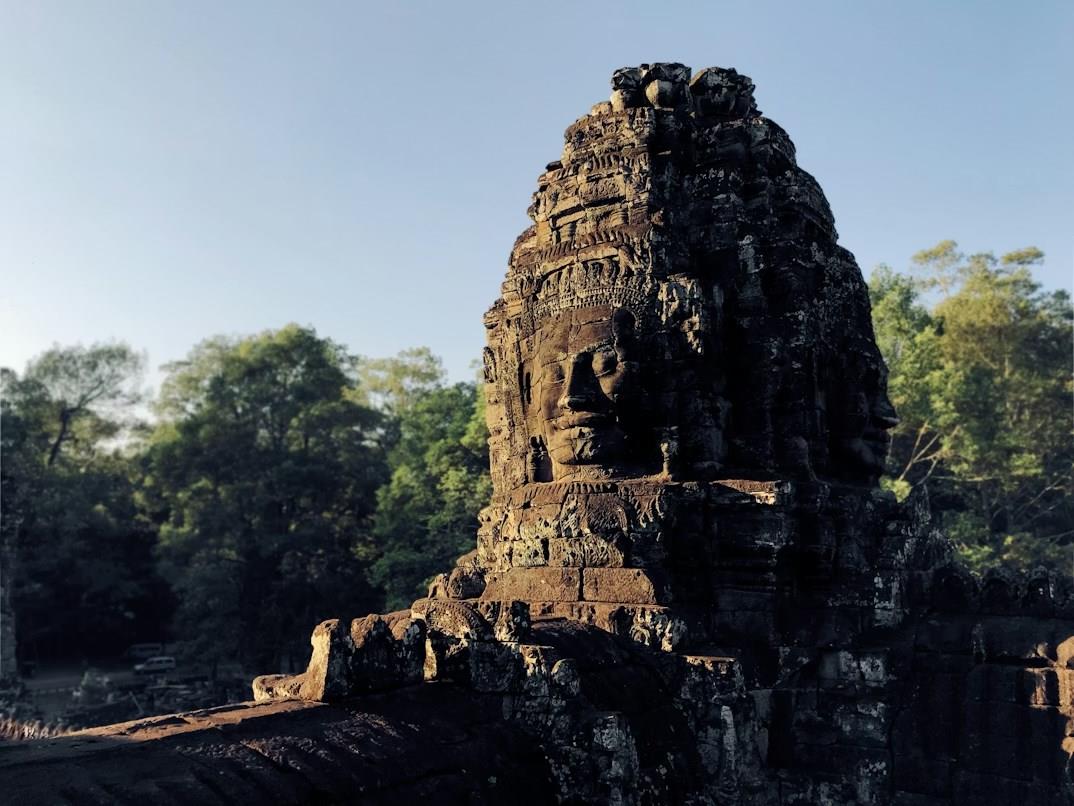
Angkor Thom
Angkor Thom was the last great capital of the Khmer Empire, established in the late 12th century under King Jayavarman VII in what is now northwestern Cambodia. Enclosed by massive stone walls and a wide moat, the city was designed as both a political center and a sacred landscape, symbolizing the cosmic order of the Khmer worldview.