Hustai National Park
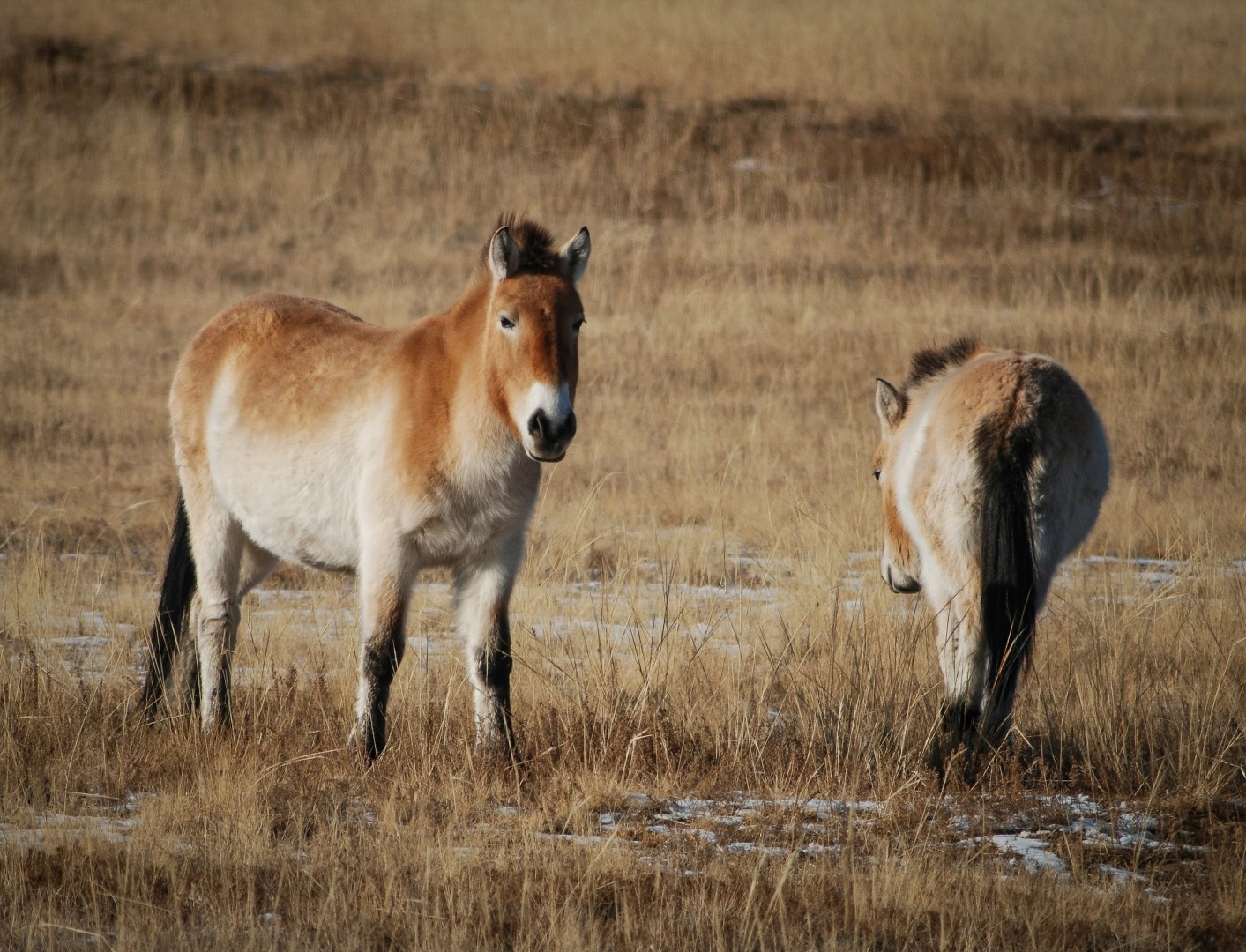
Hustai National Park is a protected grassland reserve in central Mongolia, located west of Ulaanbaatar in an area of rolling степpe, forested hills, and river valleys. The park is best known for the reintroduction of the Przewalski’s horse, known locally as takhi, a wild horse species that had disappeared from Mongolia before conservation programs returned it to the region.
Baja California
Nestled between the Pacific Ocean and the Sea of Cortez, Baja California is a haven for travelers seeking stunning natural landscapes, vibrant culture, and adventure.
Bourg
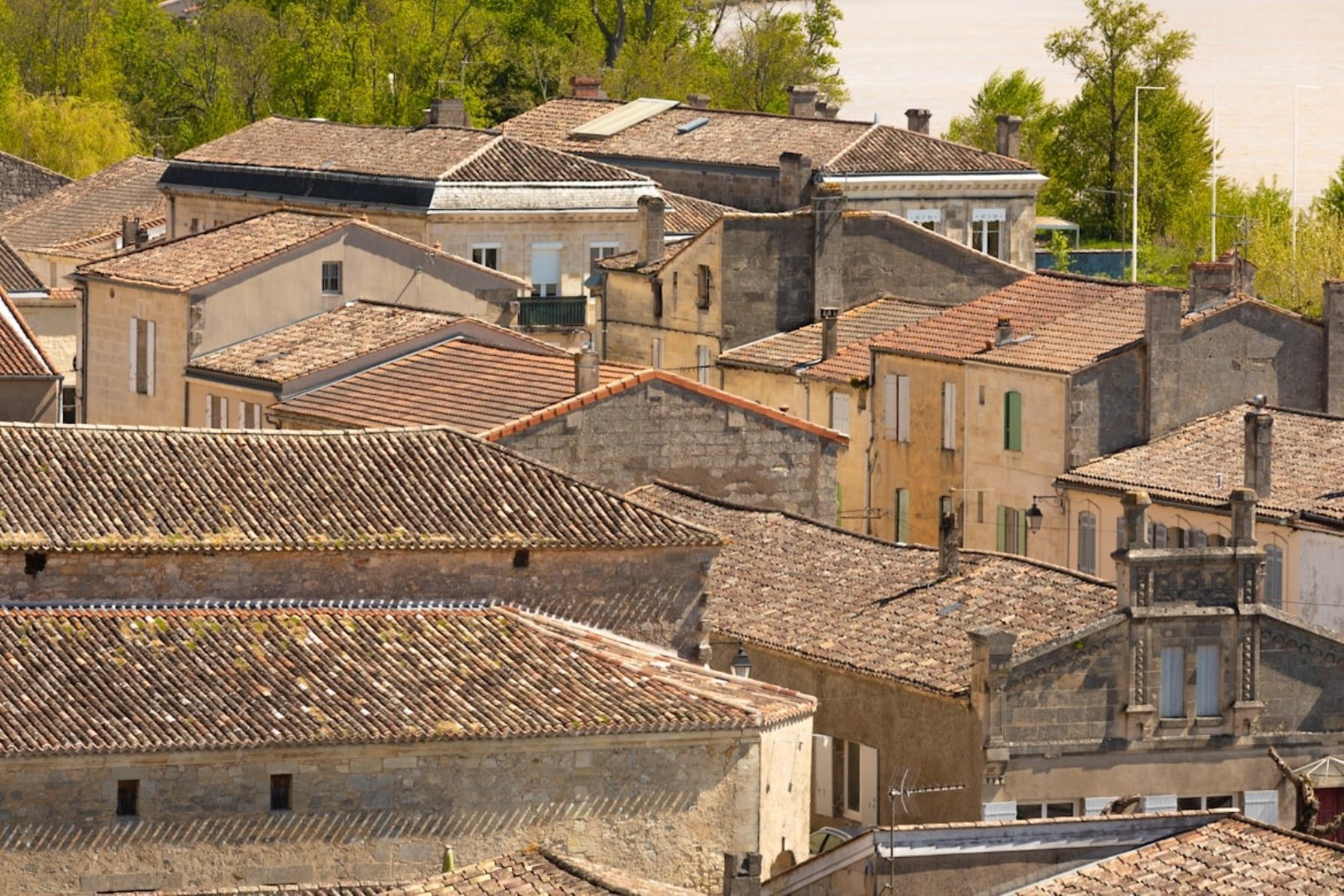
Bourg is a small riverside town set along the Dordogne estuary in southwestern France. Its position above the water gives it a quiet but strategic presence, with stone houses rising along narrow lanes that lead toward the harbor. One of Bourg’s most intriguing features lies beneath its streets. Guided visits reveal hidden staircases, carved stone rooms, and cool corridors that offer a completely different perspective from the sunlit streets above.

Kandy
Nestled in the heart of Sri Lanka’s hill country, Kandy is a city steeped in history, culture, and natural beauty. As the last capital of the ancient kings of Sri Lanka, Kandy holds a unique charm that blends its colonial past with a rich, vibrant heritage. The city’s crown jewel is the Temple of the Sacred Tooth Relic, a UNESCO World Heritage site that houses a relic believed to be the tooth of the Buddha.
Areguá
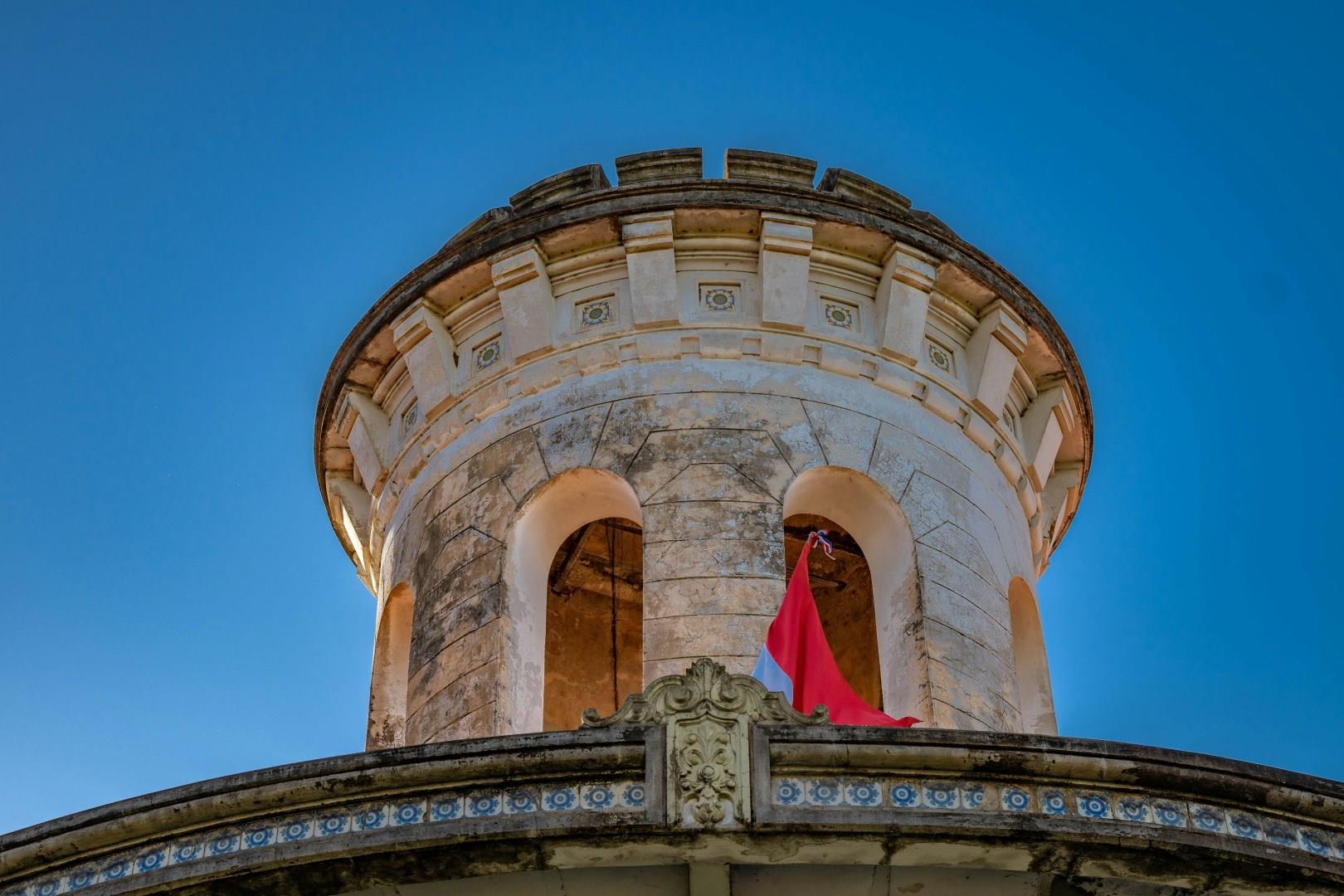
Just 30 kilometers from Asunción, Areguá welcomes visitors with cobbled streets, colonial facades, and a creative energy that has earned it the title of Paraguay’s “City of Arts.” Known for its thriving artist community and traditional crafts, Areguá is perched on the edge of Lake Ypacaraí and framed by rolling hills and red clay cliffs. Whether you're arriving for the annual strawberry fair or simply passing through on a weekend escape, Areguá invites slow walks, open studios, and conversation.