Brasília
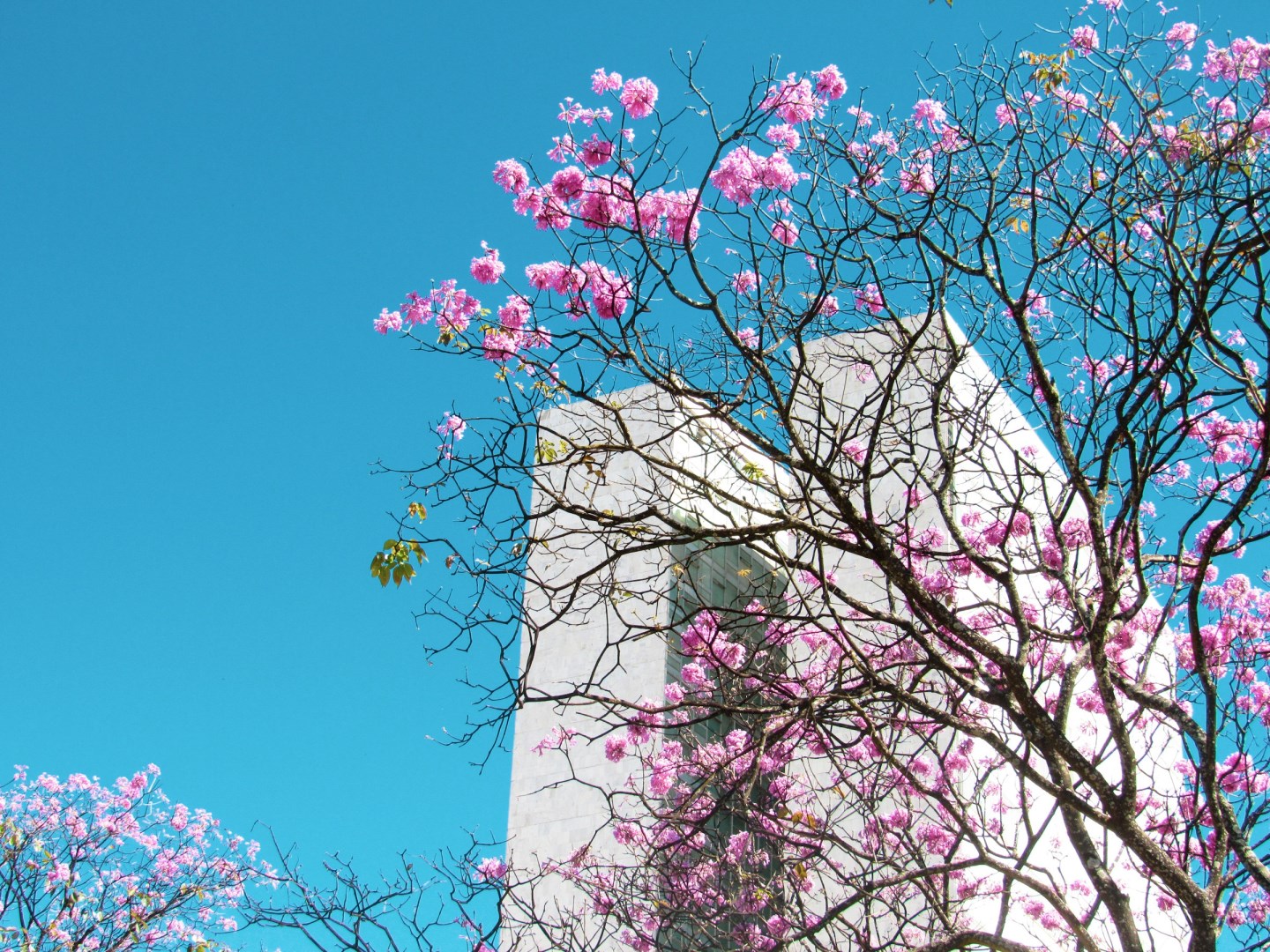
Brasília may be a World Heritage Site, but it is only of interest to town planning and architecture students, and those keen to witness the folly of man on a metropolitan scale. It must have looked good on paper, and still looks good in photos, but in the flesh, forget it. Designed by architect Oscar Niemeyer, urban planner Lucio Costa, and landscape architect Burle Marx, the city was built in an incredible three years between 1957 and 1960.

Muscat
Travelers on the Arabian Sea often find themselves in Muscat, on the Gulf of Oman. This port capital is situated between ocean and mountains, and boasts lovely beaches, great diving sites (watch for turtles!), 16th-century forts, and the impressive Sultan Qaboos Grand Mosque, which can hold 20,000 people.

Patmos
Patmos, a gem in the Aegean Sea, is steeped in history and spirituality, offering a serene escape for travelers seeking both tranquility and rich cultural experiences. Known as the "Island of the Apocalypse," Patmos is famously where Saint John the Theologian wrote the Book of Revelation. Visitors can explore the sacred Cave of the Apocalypse, a UNESCO World Heritage Site, where the saint is said to have received his visions.
Tomar
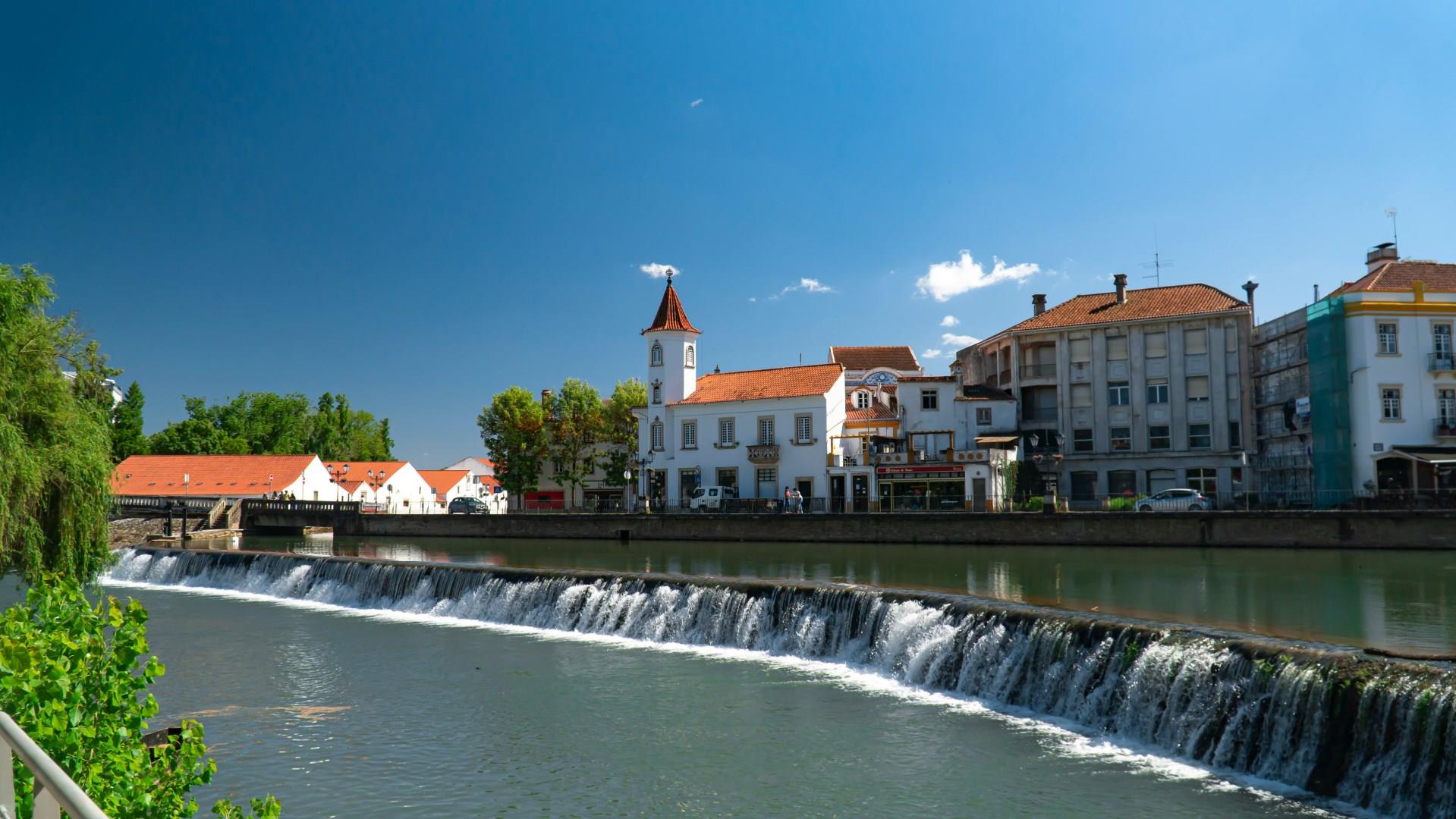
Tomar sits on the Nabão River in central Portugal as a place where medieval history and everyday life meet in welcoming streets and grand monuments. Just outside the convent walls lies the Pegões Aqueduct, an impressive feat of engineering more than 6 kilometers long that once carried water from distant springs to the hilltop site. Some sections of its arches rise more than 30 meters above the valley floor, making it a striking backdrop for photos.
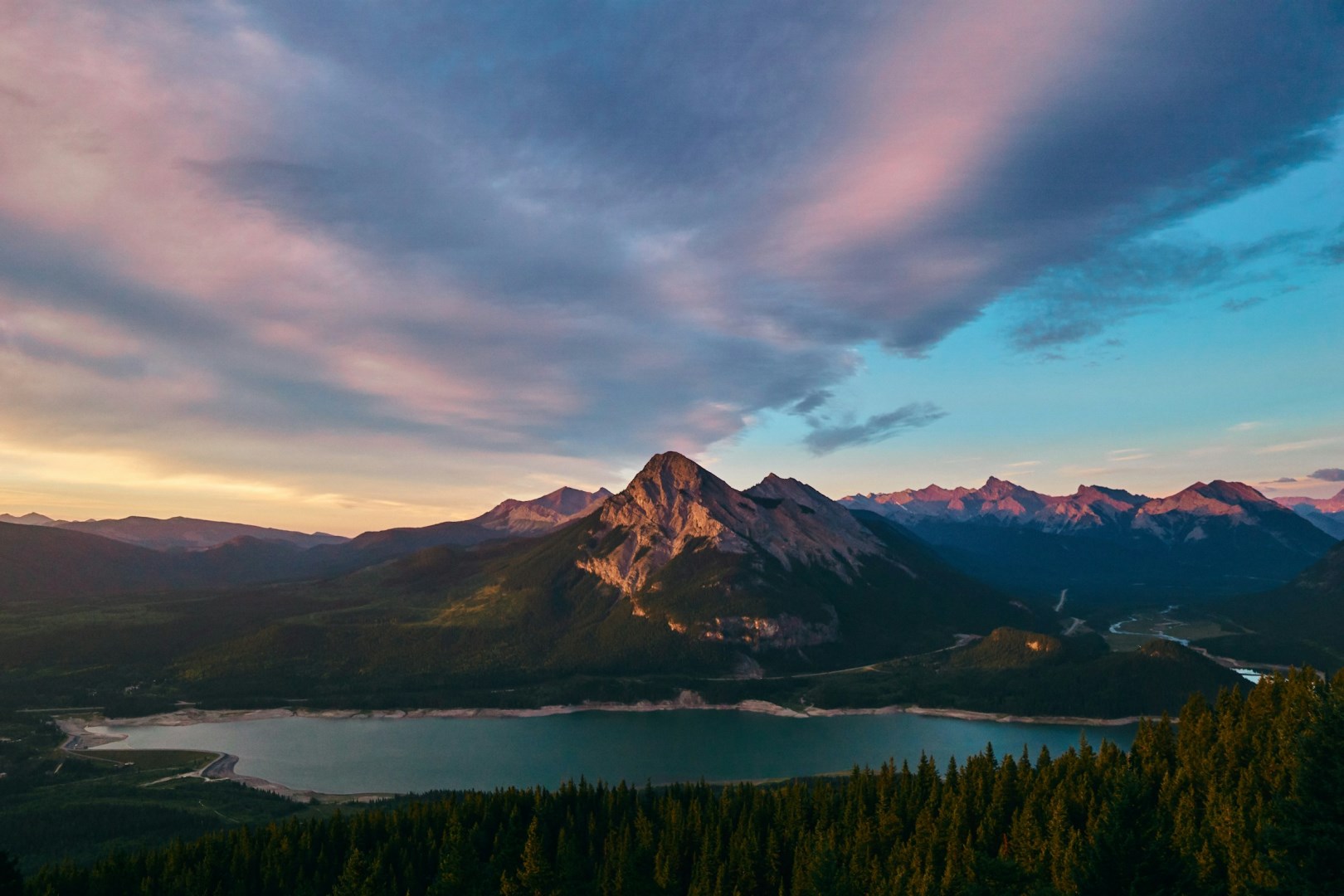
Kananaskis
Kananaskis, located in the foothills and front ranges of the Canadian Rockies in Alberta, is a vast region celebrated for its rugged mountains, alpine lakes, and outdoor recreation opportunities. Unlike nearby Banff or Jasper, Kananaskis is less developed and offers a quieter, more wilderness-focused experience while still being easily accessible from Calgary.