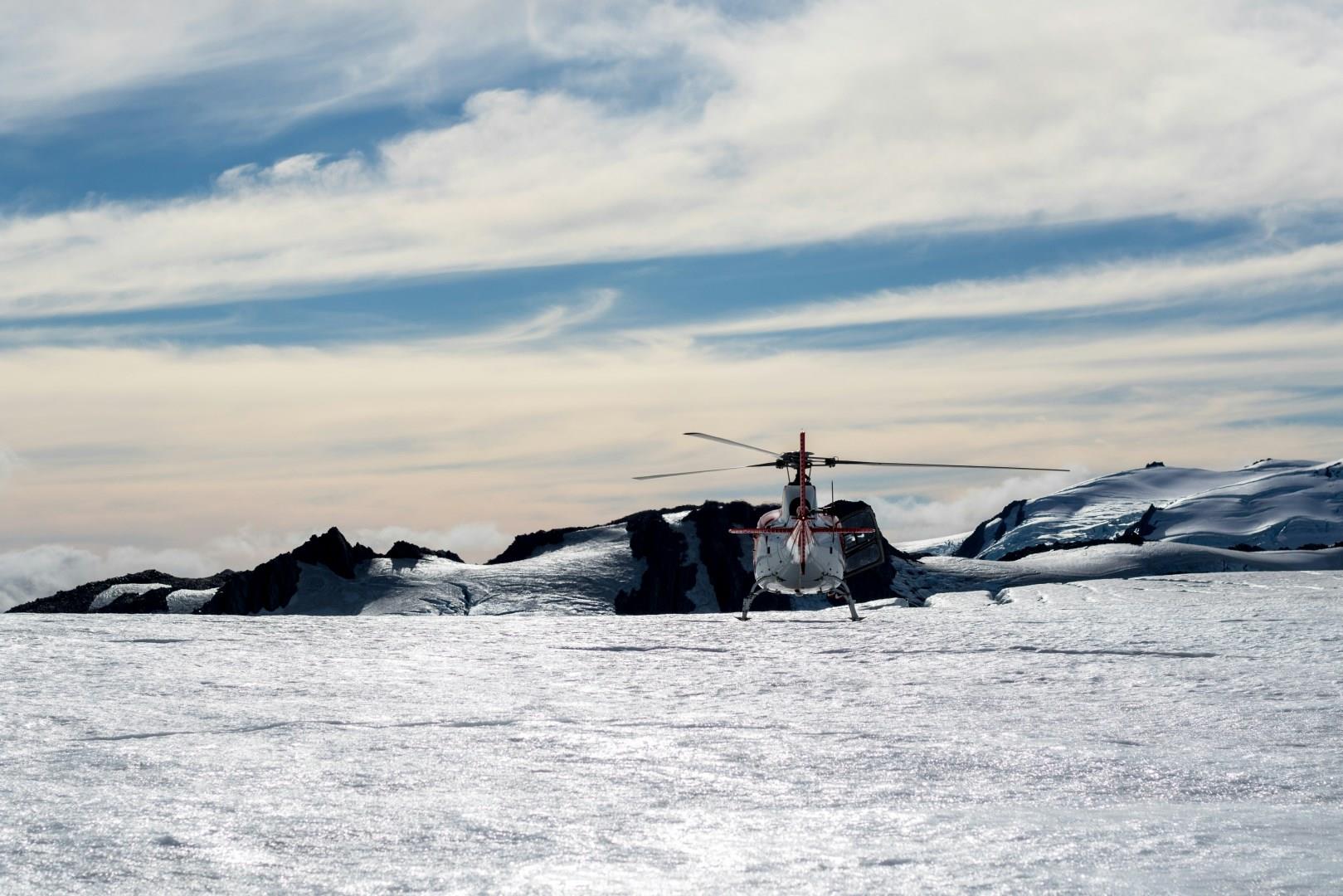
Fox Glacier
Fox Glacier, on New Zealand’s South Island, is one of the country’s most remarkable natural wonders, where icy landscapes meet lush rainforest. Named after Sir William Fox, a 19th-century Prime Minister of New Zealand, the glacier stretches from the high peaks of the Southern Alps down into temperate rainforest.

Bilbao
Bilbao’s unique blend of modern architecture, rich history, and natural beauty makes it a destination like no other. Whether you’re exploring cutting-edge art, savoring Basque cuisine, or simply soaking in the stunning scenery, Bilbao offers an experience that will captivate your senses and leave you wanting more.
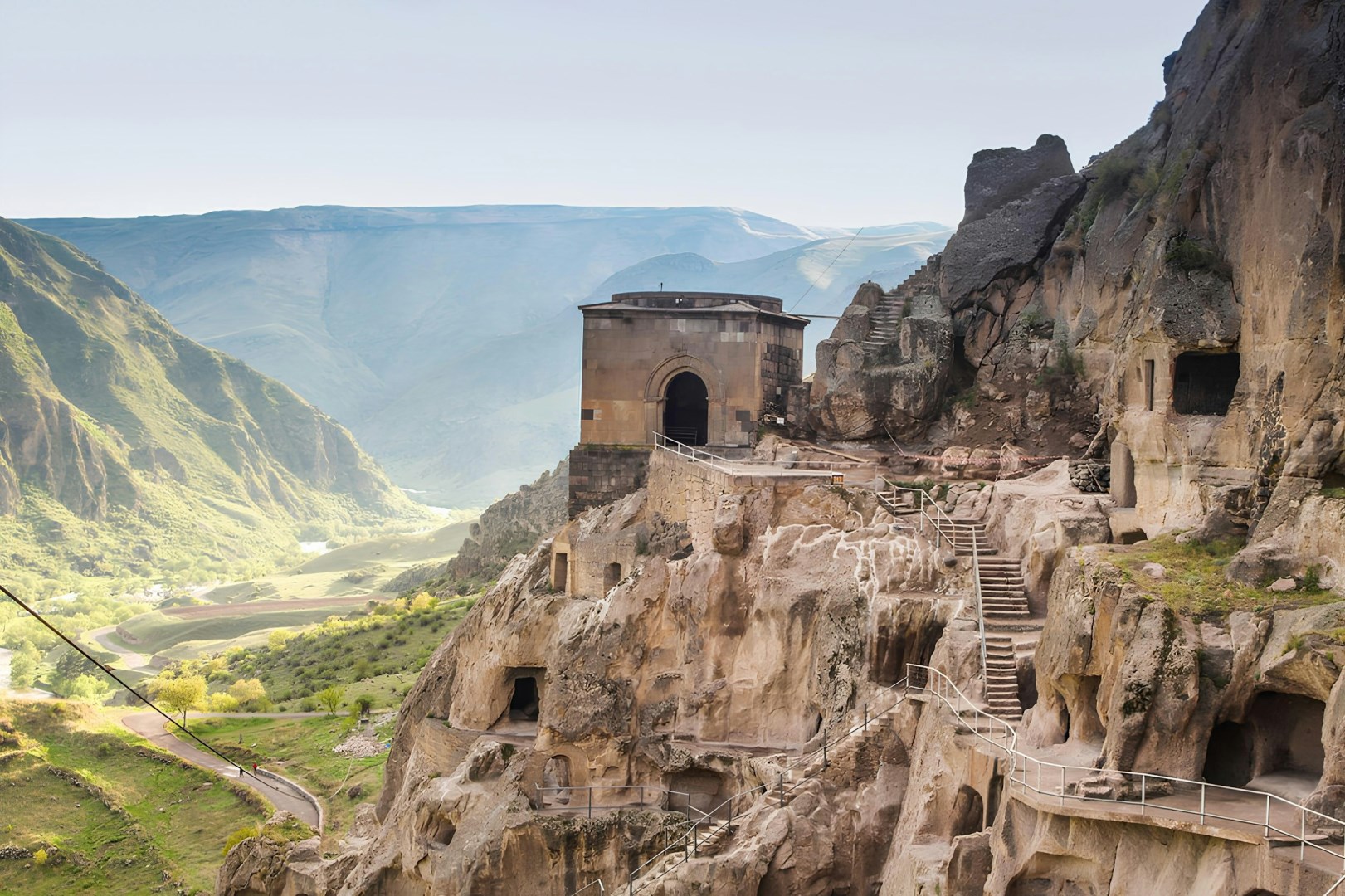
Gogasheni
Gogasheni is a small mountain village in Georgia’s Samtskhe-Javakheti region, situated in the rugged landscape of the Javakheti highlands. The settlement lies near the shores of Lake Paravani, Georgia’s largest lake, and is surrounded by broad upland fields, volcanic hills, and open grassland.
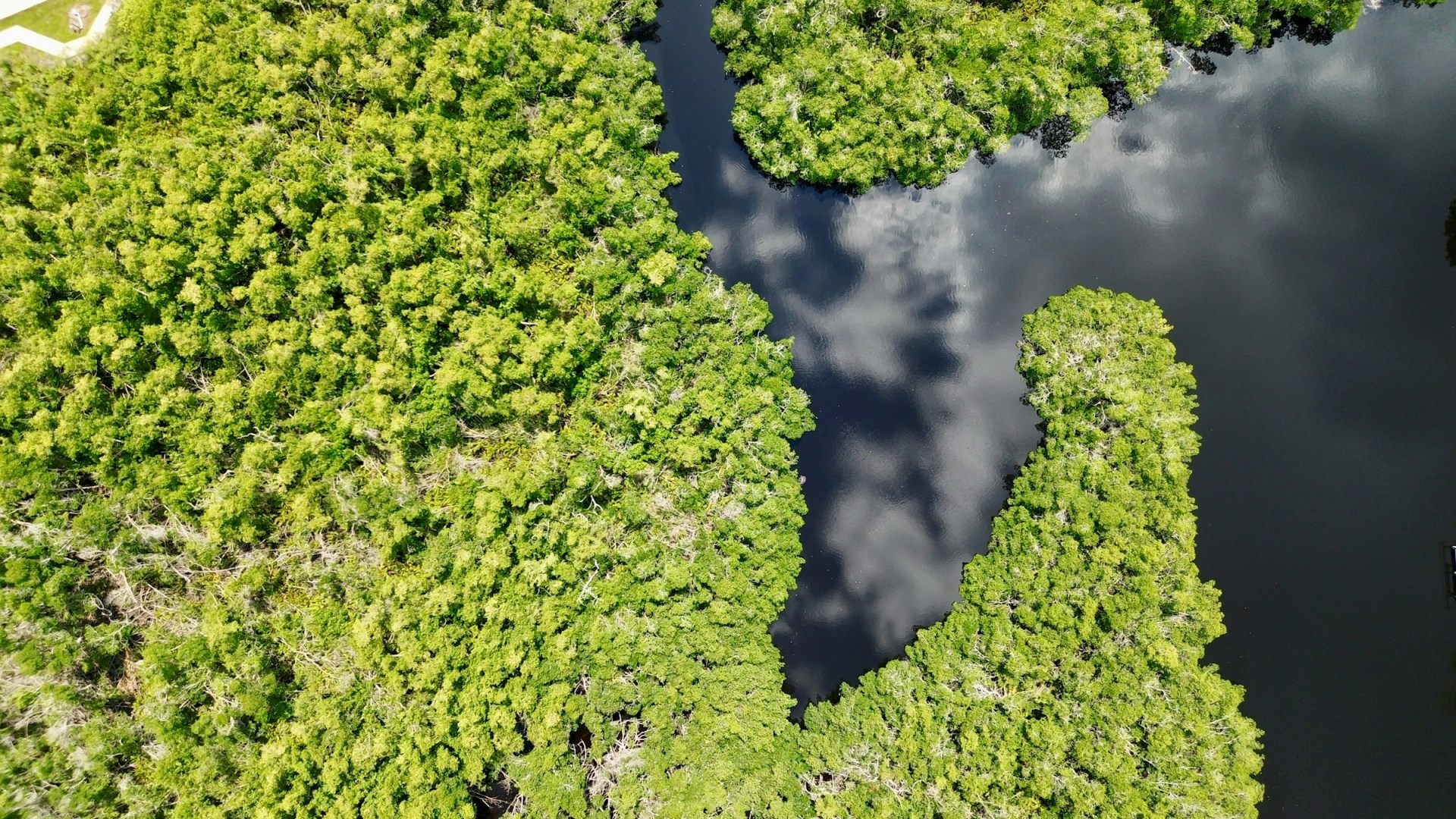
Cape Coral
Cape Coral is a large coastal city in Southwest Florida, occupying a peninsula between the Caloosahatchee River and Matlacha Pass. Its most distinctive feature is an extensive network of more than 400 miles of canals, many connecting with the Caloosahatchee River and Gulf waters. The city was developed as a planned waterfront community, with broad streets, residential neighborhoods, parks, and numerous properties along canals.

St. Ives
St. Ives, a picturesque seaside town on the north coast of Cornwall, England, is a charming blend of stunning natural beauty and rich cultural heritage. With its golden sandy beaches, crystal-clear waters, and quaint cobbled streets, St. Ives has long been a haven for artists, surfers, and sun-seekers alike. The town's vibrant atmosphere is palpable in its bustling harbor, where fishing boats sway with the tide and seaside cafés offer fresh, locally caught seafood.