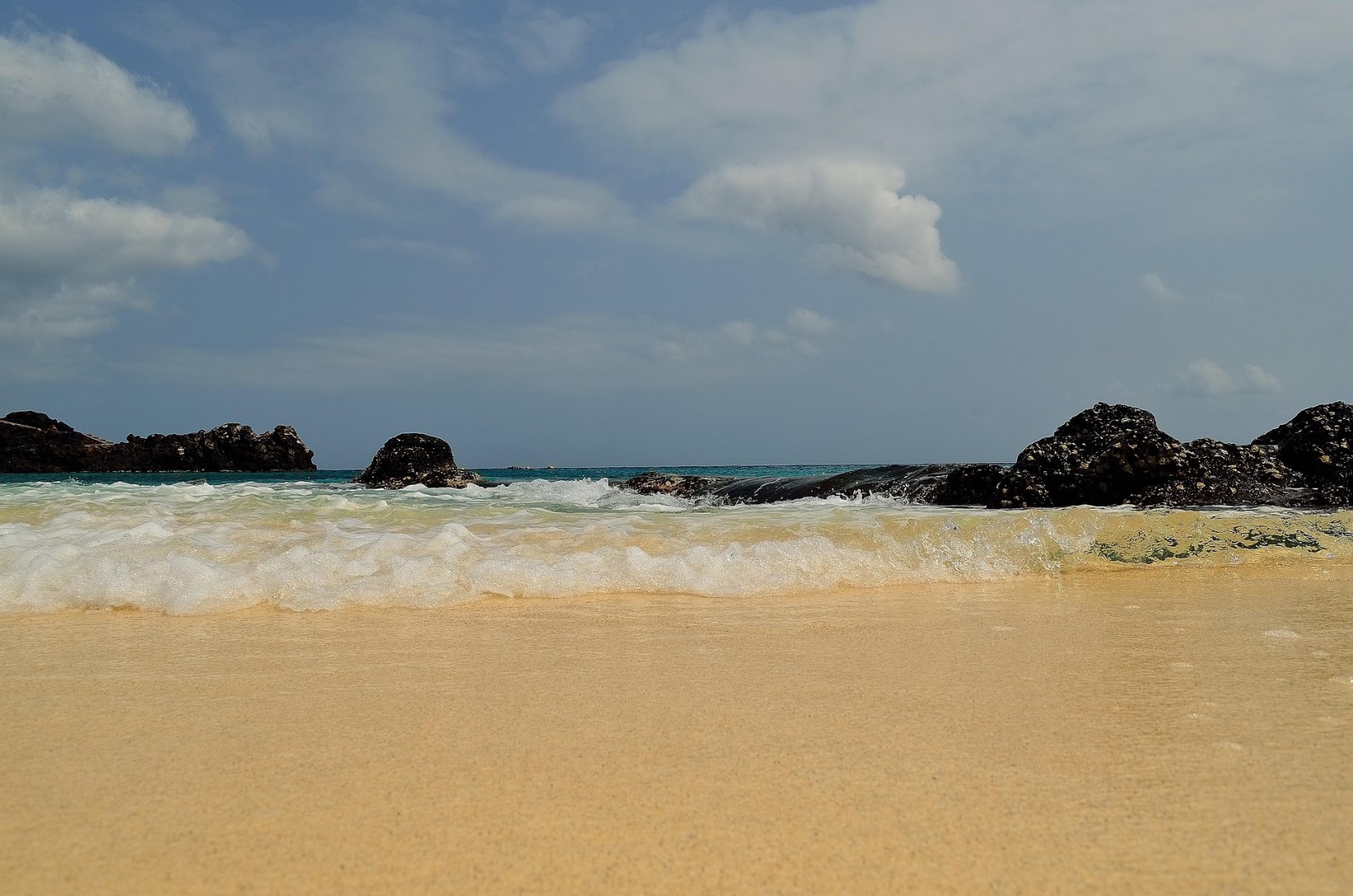
Devil’s Bridge National Park, located on the rugged Atlantic coast of Antigua, is one of the island’s most dramatic natural landmarks. The park is named after its striking limestone arch, carved over centuries by relentless waves and wind.
Dominica, known as the “Nature Island of the Caribbean,” is a haven for eco-tourists and adventure seekers. Nestled between the French islands of Guadeloupe and Martinique, this lush island boasts a remarkable landscape of volcanic mountains, dense rainforests, and stunning waterfalls. Dominica’s most iconic natural wonder is the Boiling Lake, the second-largest hot spring in the world.
The state of Campeche, located on the western edge of the Yucatán Peninsula, is a hidden gem waiting to be discovered by adventurous travelers. Rich in history, culture, and natural beauty, Campeche offers a unique blend of colonial charm and ancient Maya heritage. The state capital, also named Campeche, is a UNESCO World Heritage Site, renowned for its well-preserved Baroque architecture and colorful, pastel-hued buildings.
Tampere is the third largest city in Finland with a population of 182,000. Tampere is also the heart of the Tampere Region which has a dynamic population of about 430,000. In the last few years the city's population has grown rapidly. Tampere is located 110 miles north of Helsinki, the capital.
Iceland, a land of extraordinary contrasts and natural wonders, offers an experience unlike any other. Its dramatic landscapes are defined by active volcanoes, geysers, and sprawling glaciers, all set against a backdrop of ethereal Northern Lights. A must-see is the Golden Circle, a popular route encompassing the Thingvellir National Park, the geothermal area of Geysir, and the majestic Gullfoss waterfall.
Iguassu Falls, straddling the border between Brazil and Argentina, is a breathtaking natural wonder that captivates visitors with its sheer scale and beauty. This UNESCO World Heritage Site boasts the largest waterfall system in the world, with nearly 275 individual falls cascading over a rugged landscape. The Brazilian side of the falls offers stunning panoramic views, where visitors can marvel at the thundering torrents and the vibrant rainbows that often form in the mist.
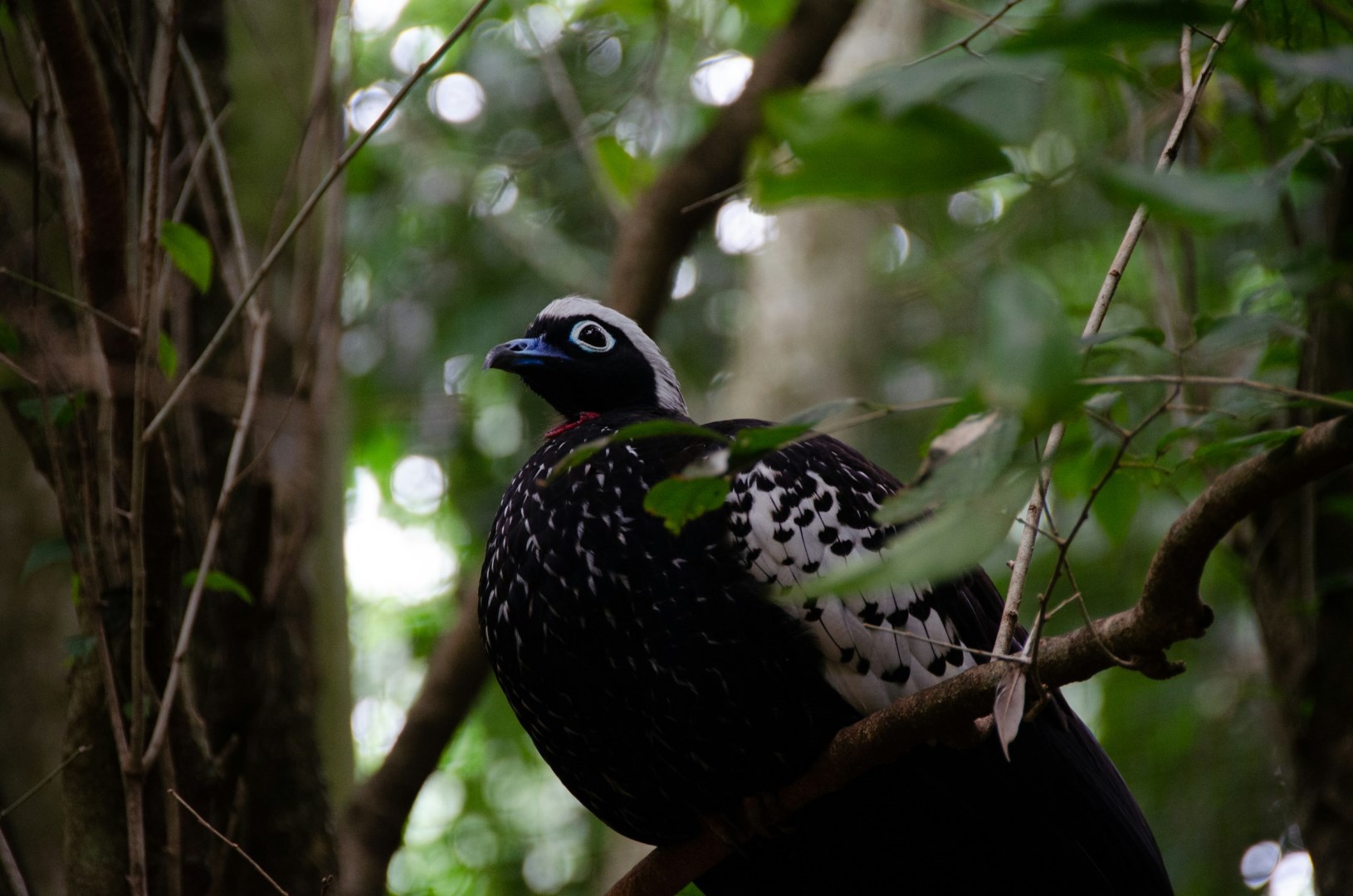
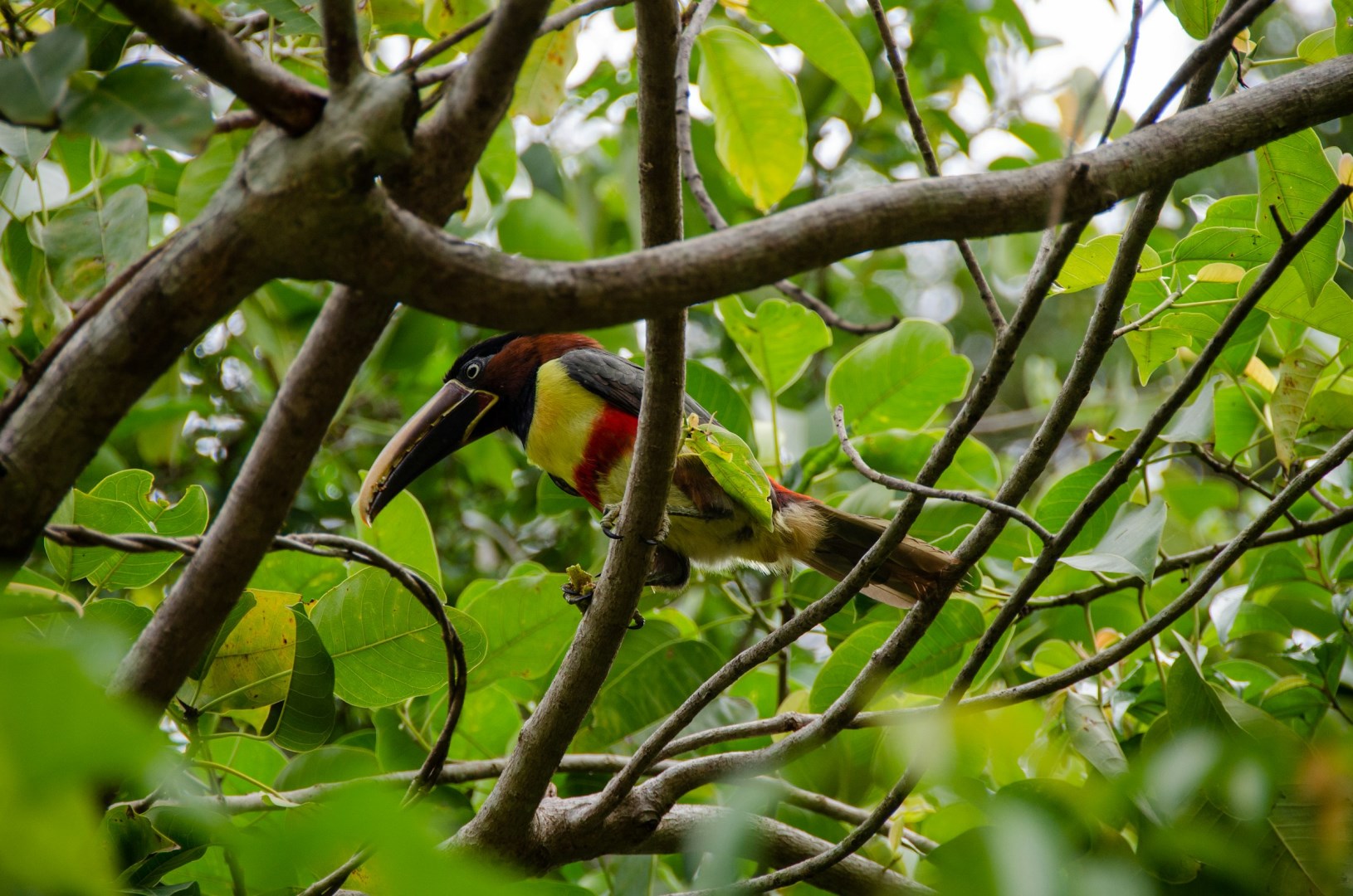
The Iguassu National Park, which encompasses the falls, is a lush haven of biodiversity. Here, travelers can embark on a series of thrilling activities, including boat rides that take you close to the base of the falls, where you’ll feel the raw power of the water as it crashes down. For a more serene experience, the park's extensive network of trails provides opportunities for observing diverse wildlife, including toucans, jaguars, and capuchin monkeys.
A visit to the falls also offers a unique chance to explore the Argentinian side, where the Garganta del Diablo (Devil's Throat) viewpoint provides an unparalleled perspective of the falls' most dramatic and powerful section. The extensive network of walkways on this side allows visitors to get up close to the thundering cascades, enhancing the sensory experience.
A fun fact about Iguassu Falls is that the local name "Iguassu" means "big water" in the Tupi-Guarani language, reflecting the grandeur of this natural wonder. The falls were also featured in the 2016 film The Jungle Book as a backdrop for the cinematic adventures of Mowgli. Whether you’re an adventure seeker or a nature enthusiast, Iguassu Falls offers an awe-inspiring experience that truly embodies the splendor of South America's natural heritage.