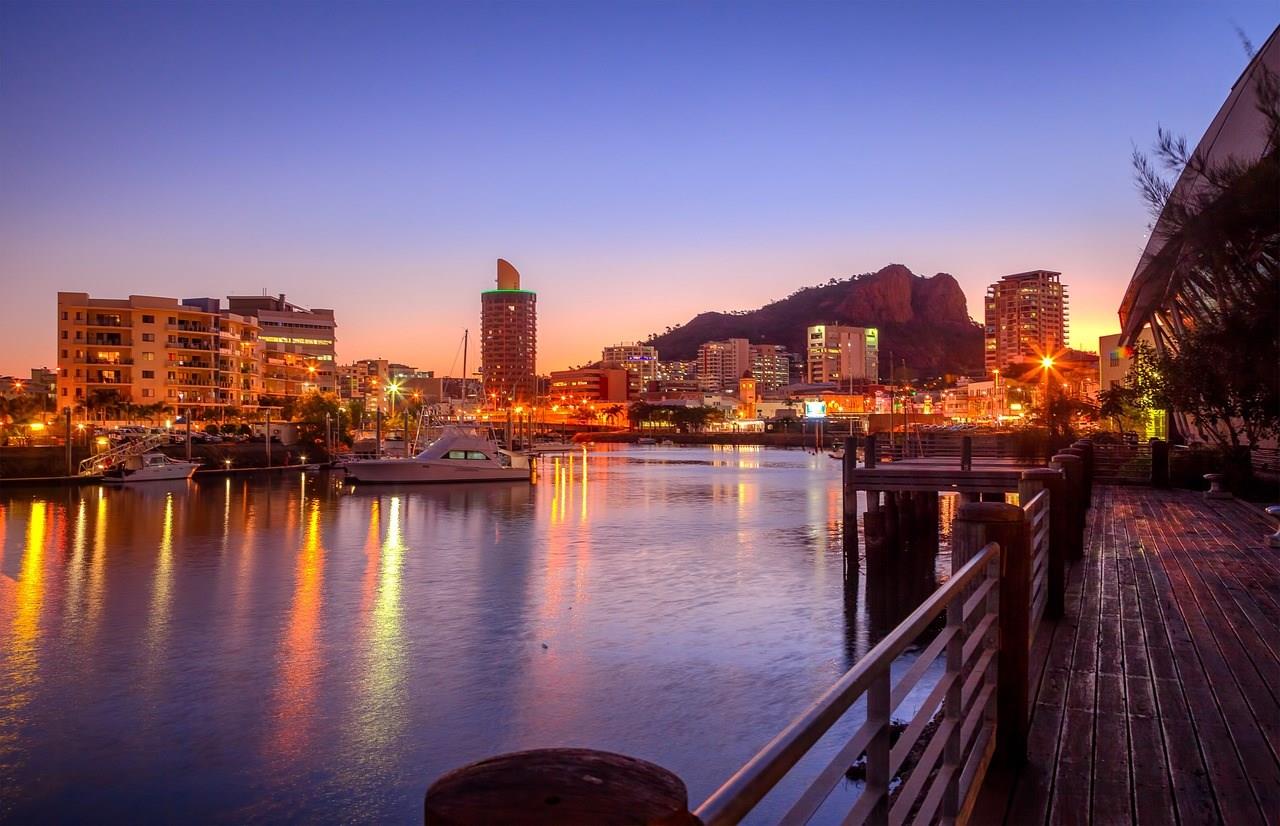
Townsville
Townsville, perched on the northeastern coast of Queensland, is a city where tropical charm meets rich heritage. Once a strategic military base during World War II, Townsville still carries echoes of its past through sites like the Townsville Heritage Centre. The Strand, a scenic, palm-lined beachfront promenade, serves as a gathering place for locals and visitors alike, where weekend drum circles and food trucks bring the esplanade to life.

Bay of Kotor
Enclosed by mountains, the Bay of Kotor is dotted with historic towns, medieval fortifications, and centuries-old churches, making it a must-visit location for travelers looking to explore a unique coastal landscape.
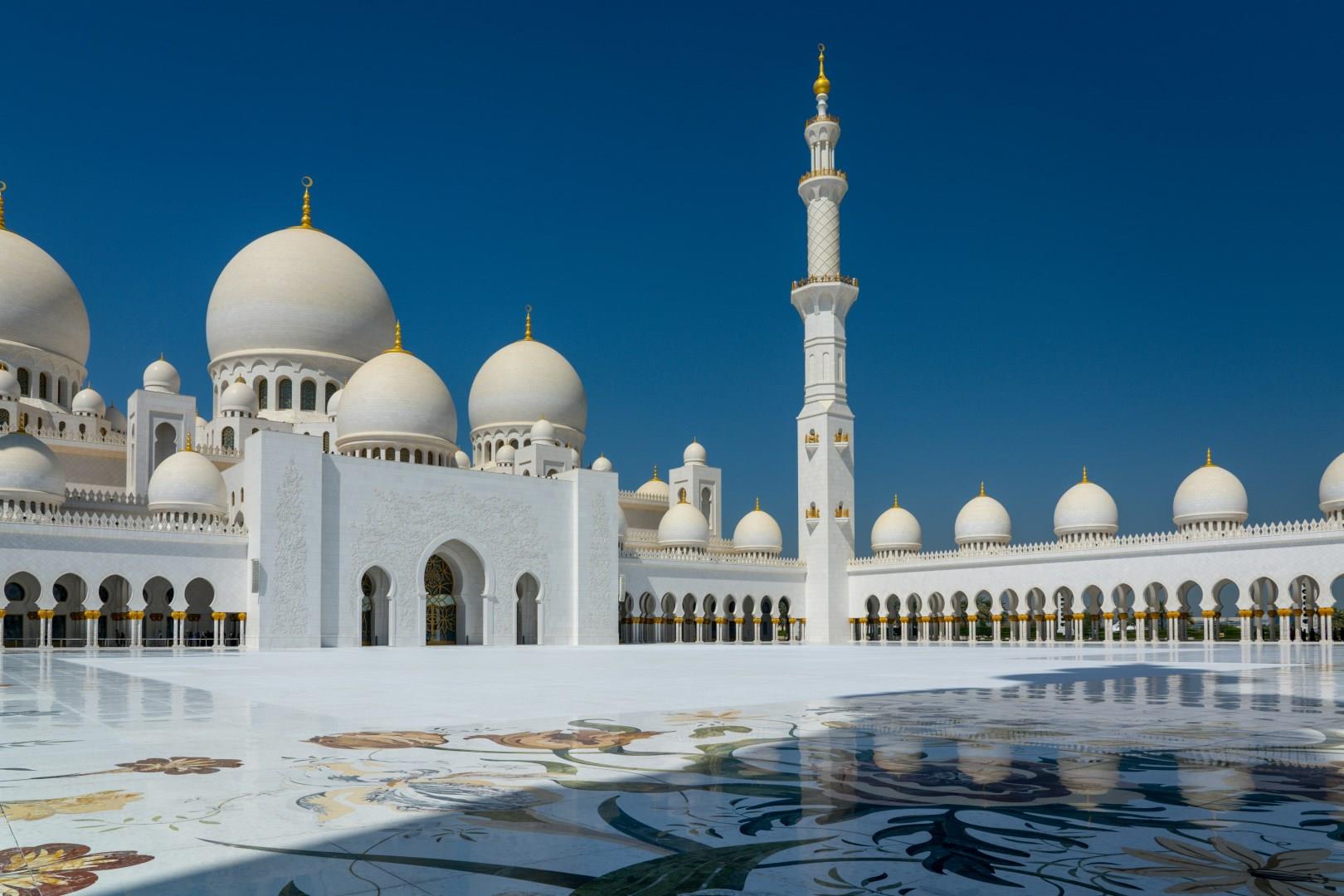
Fujairah
Fujairah stands apart among the emirates as the only one on the UAE’s eastern shore, where waves roll in from the Gulf of Oman and the Hajar Mountains rise sharply behind the city. Life here moves between sea and mountain, where coastal breeze meets rugged terrain, and echoes of ancient trade routes still shape the rhythm of settlements.

Ogunquit
Ogunquit is a beautiful place by the sea. Offering quaint New England flavor of the Village Center, Ogunquit is a bustling holiday haven to visitors from all over the world. Ogunquit today remains a tranquil, small village that continues to offer almost everything to almost everyone as perhaps nowhere else in the country can.
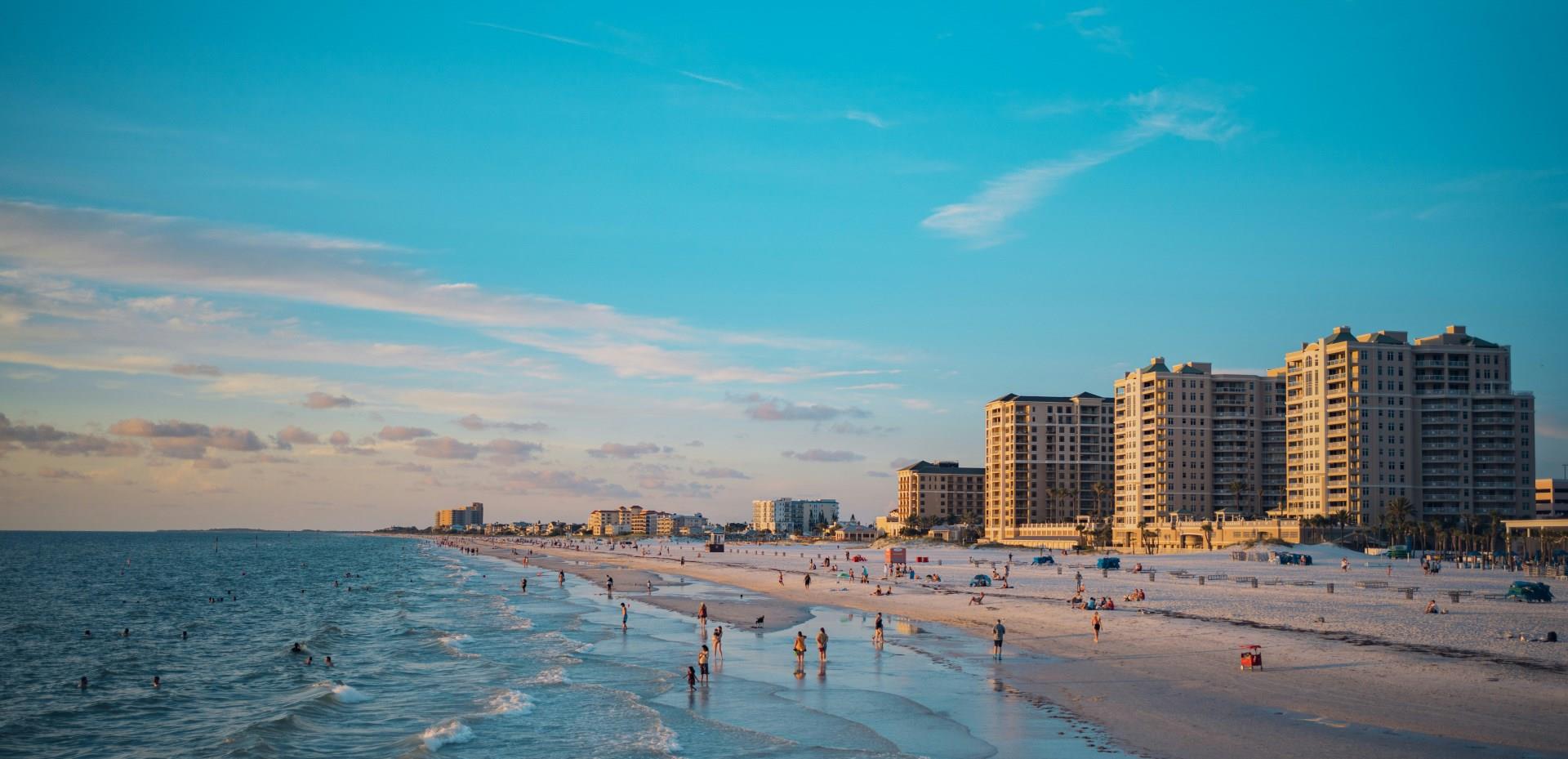
Clearwater
Clearwater, Florida, is a sun-drenched gem on the Gulf Coast, known for its pristine beaches and vibrant atmosphere. At the heart of Clearwater's allure is its Clearwater Beach, often heralded as one of the top beaches in the United States. With its powdery white sands and crystal-clear waters, it's a paradise for beachgoers and water sports enthusiasts alike. The beach offers a bustling promenade, where visitors can enjoy everything from fresh seafood to lively street performances.