Cuenca
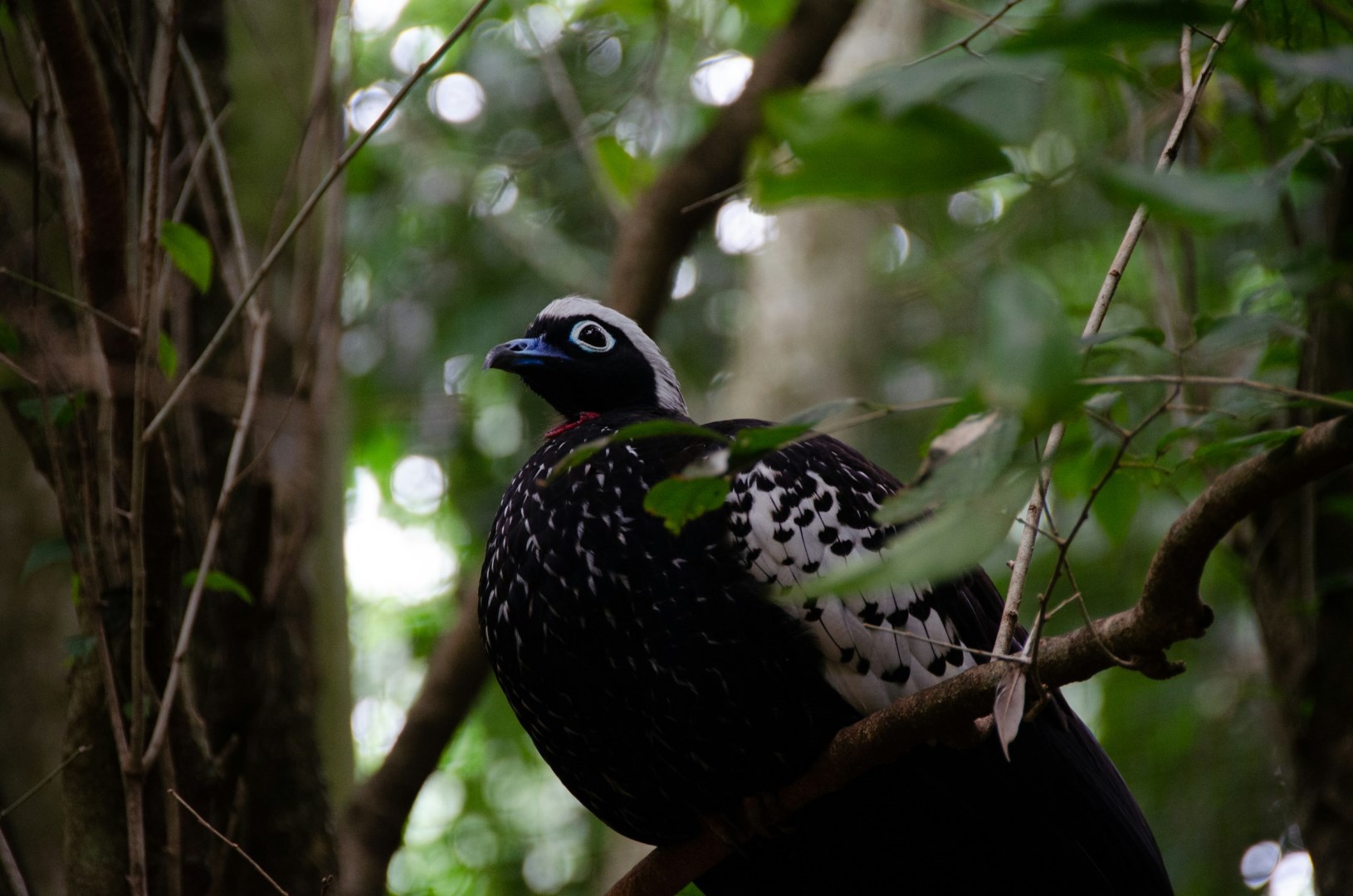
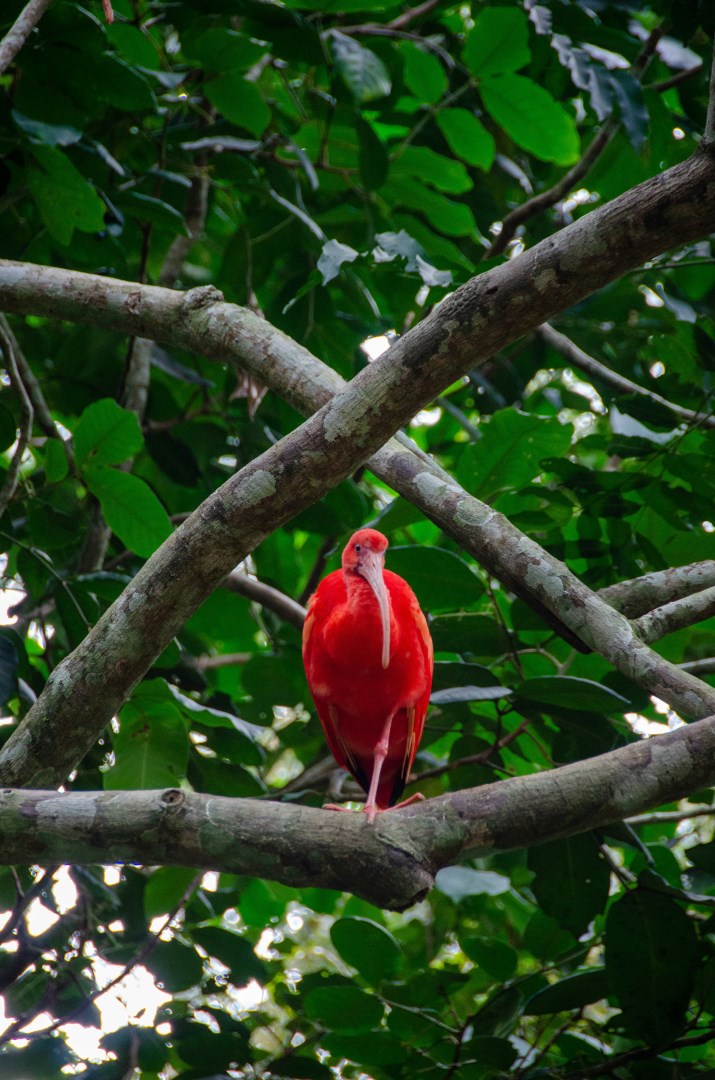
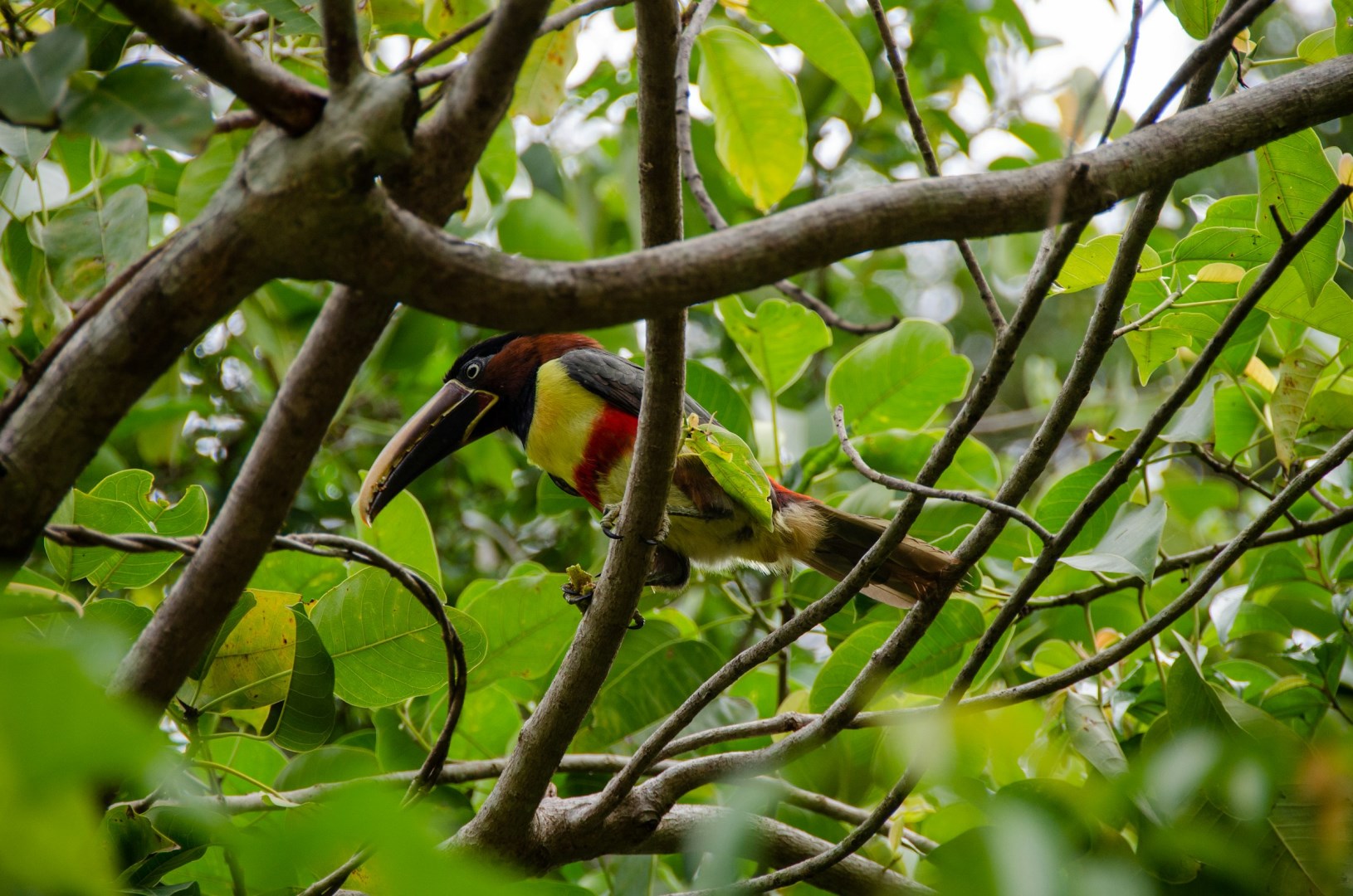
Nestled in the Andes Mountains, Cuenca, Ecuador, is a city that seamlessly blends colonial charm, cultural richness, and natural beauty. Known as the “Athens of Ecuador” due to its vibrant intellectual and cultural life, Cuenca's historic center is a UNESCO World Heritage Site that delights visitors with its cobblestone streets, whitewashed buildings, and red-tiled roofs.
Yaoundé
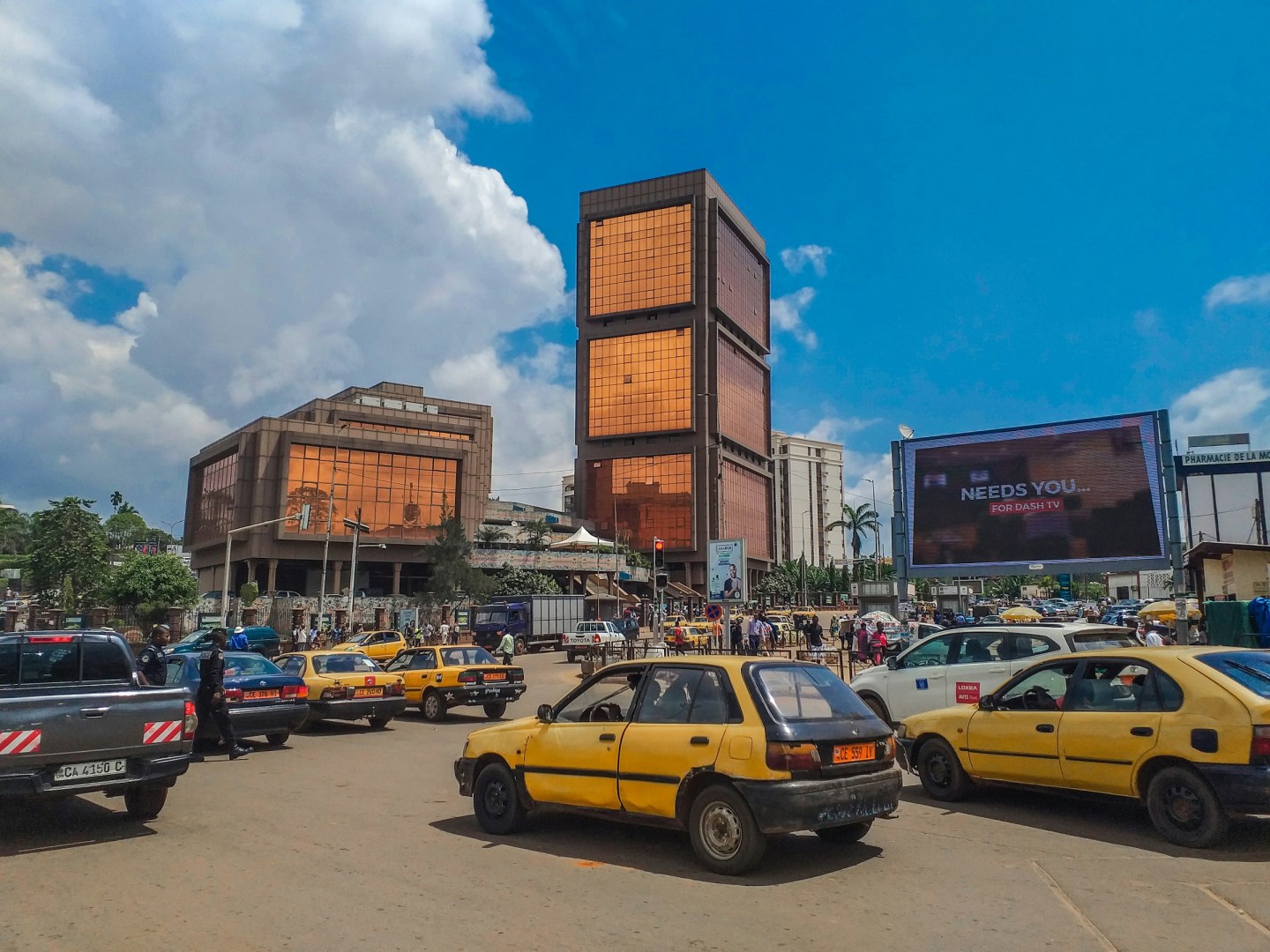
Yaounde is located 18 kilometers from Yaounde Nsimalen Airport, near Central Market.
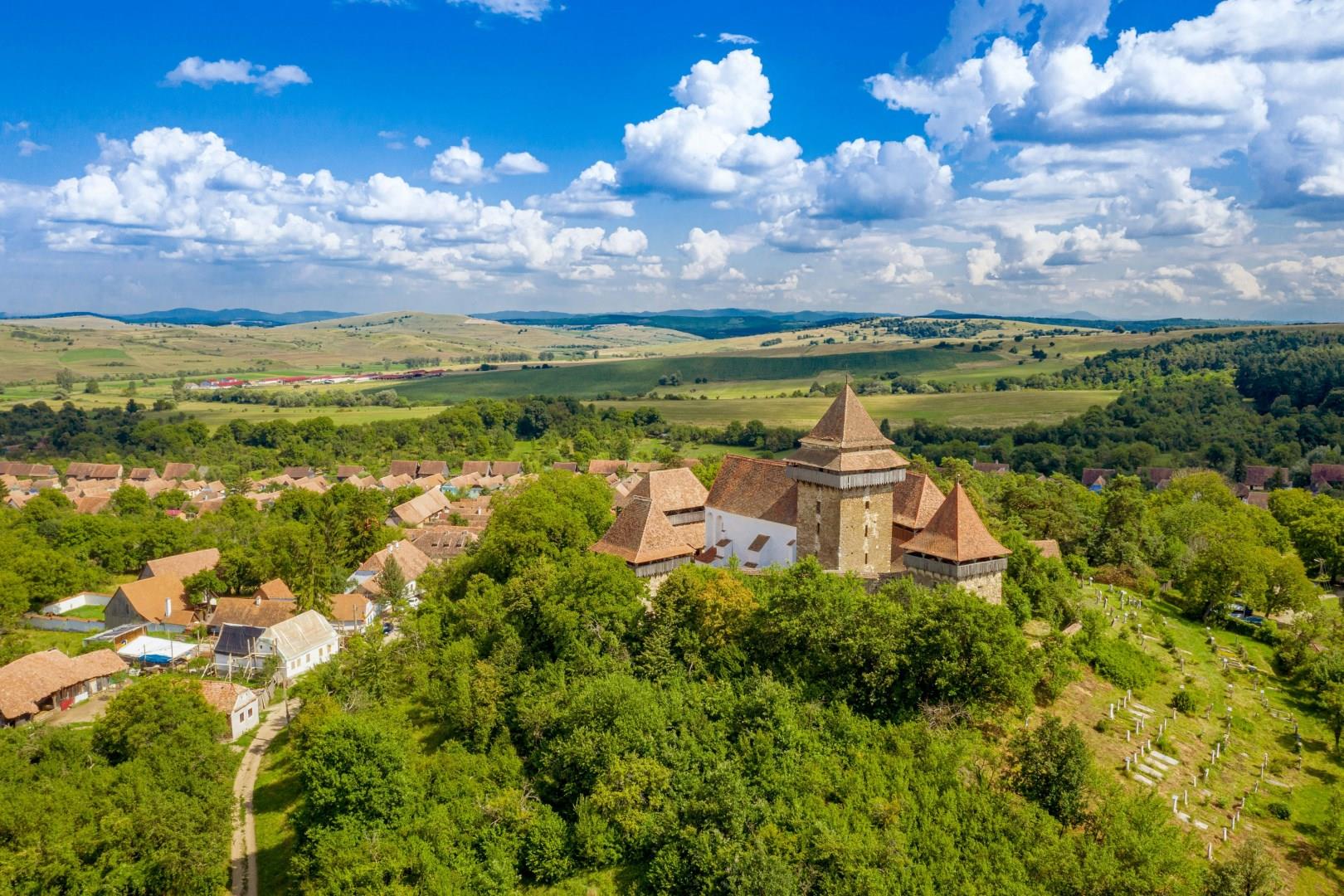
Transylvania
Transylvania is a historical region in central Romania, bordered by the Carpathian Mountains. It is known for its forested landscapes, medieval towns, and a mix of cultural influences shaped by Romanian, Hungarian, and Saxon communities. Cities such as Cluj-Napoca and Brașov serve as regional centers with preserved old quarters and growing modern districts. The region is often associated with folklore, but its identity is grounded in everyday rural life and long-standing settlement patterns.

Red Lodge
Red Lodge is situated 60 miles southwest of Billings, MT, at an altitude of 5,555 ft. Red Lodge and its citizens welcome you with warm Montana hospitality. During the mining boom of the late 1800's, miners from Scandinavia, Scotland and Ireland arrived to seek their fortunes and a better life. The town still has a strong European heritage. Today Red Lodge maintains its frontier tradition without sacrificing current trends

Phu Quoc
This island in the Gulf of Thailand is known for white sand beaches, lush national parks, and night markets packed with fresh seafood. Visitors can spend mornings snorkeling, afternoons exploring temples, and evenings tasting local fish sauce, one of the island’s specialties.