Gyumri
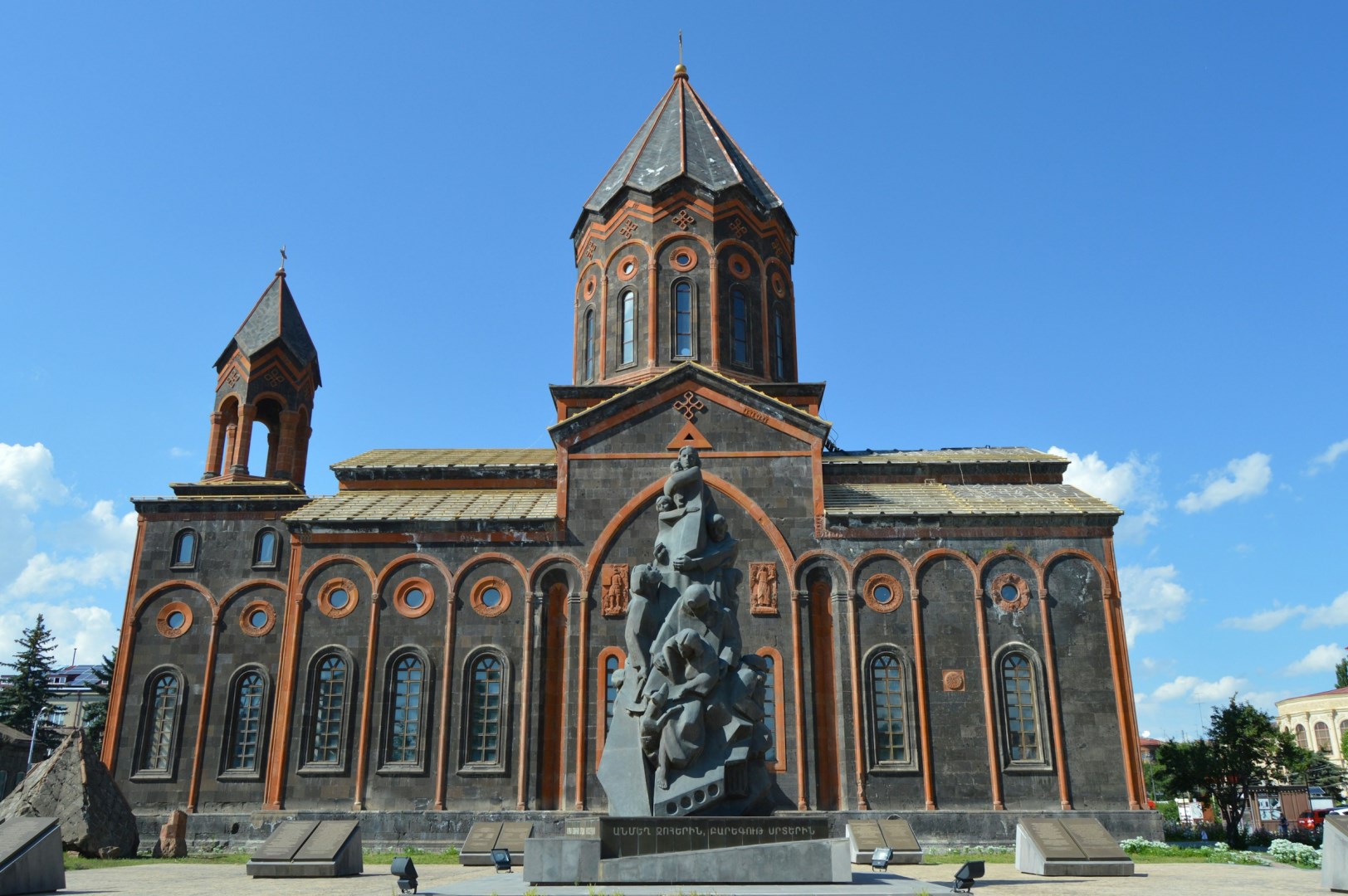
Gyumri is Armenia's second-largest city and the capital of Shirak Province, located on a high plateau in the country's northwestern region. The city is known for its distinctive black and red volcanic-stone architecture, broad streets, historic districts, and strong artistic traditions. Its setting near the Turkish border places it among open plains and volcanic landscapes, with Mount Aragats visible from parts of the surrounding region.

Veneto
Veneto, a region in northeastern Italy, offers a rich tapestry of history, culture, and natural beauty. The city of Verona, famous for its Shakespearean connection, is a jewel within this region. Visitors can explore the ancient Roman Arena, where operas and concerts are still held amidst the ruins. Wander through Verona’s medieval streets, and you’ll find Juliet’s House, a romantic site made famous by Romeo and Juliet.
Venice
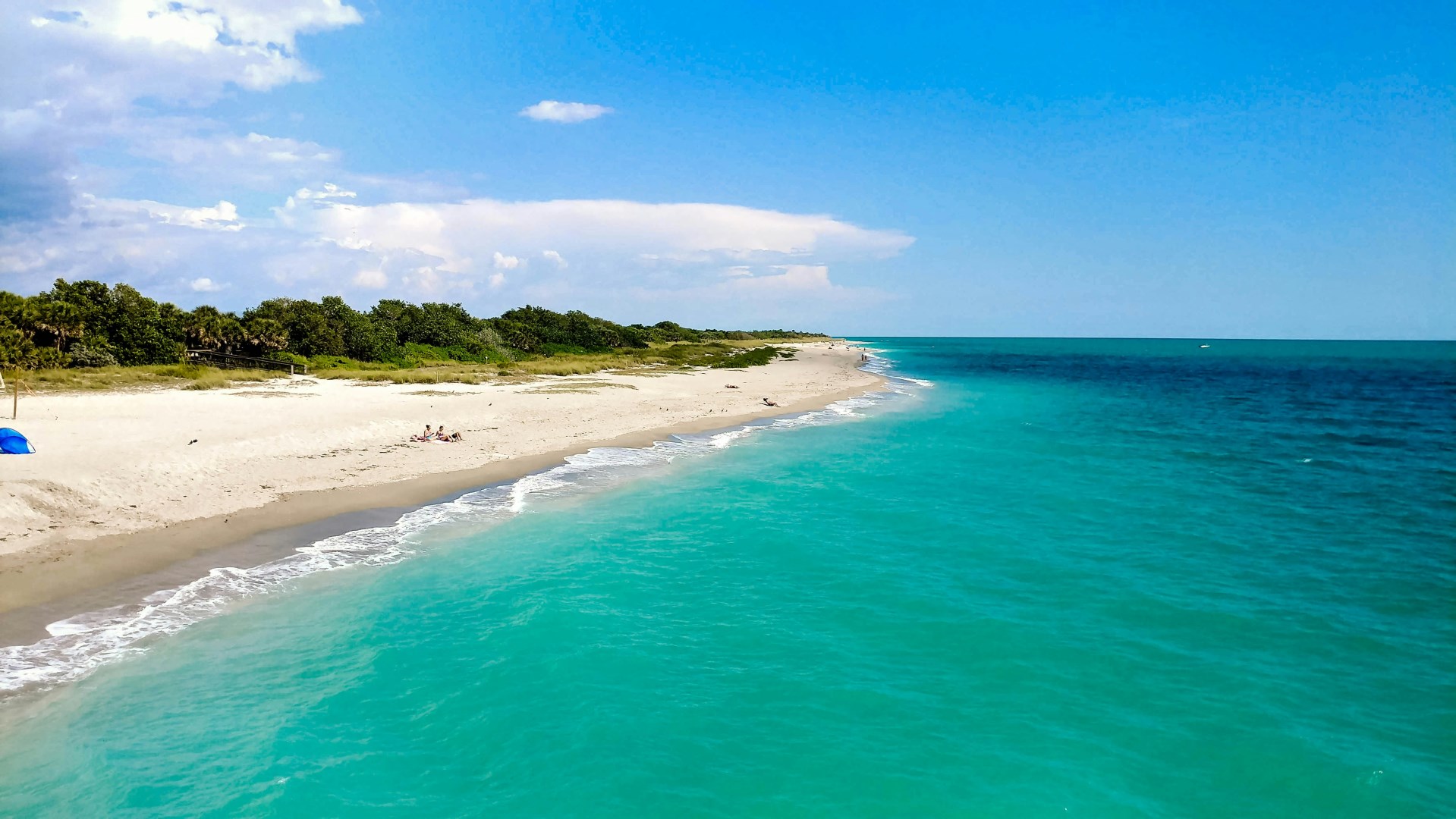
Venice, Florida, a charming coastal city on the Gulf of Mexico, is a perfect blend of natural beauty and relaxed ambiance.
Ko Lipe
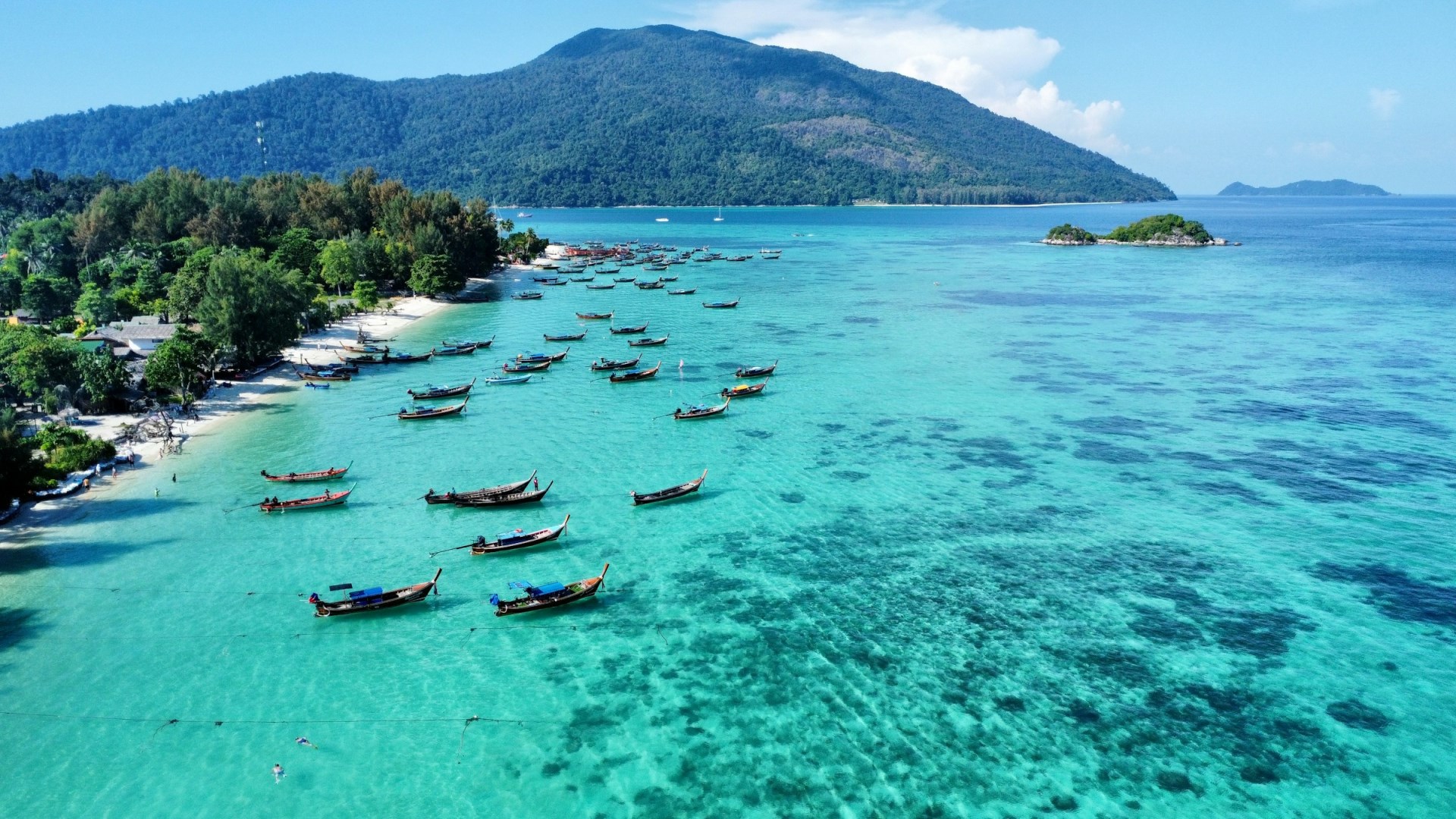
Koh Lipe is a small island in Satun Province in southern Thailand, located in the Andaman Sea near the Malaysian border. It forms part of the Tarutao National Marine Park and is surrounded by clear coastal waters, coral reefs, and smaller islands. The island is known for its sandy beaches, shallow bays, and compact village area, where most places can be reached on foot.
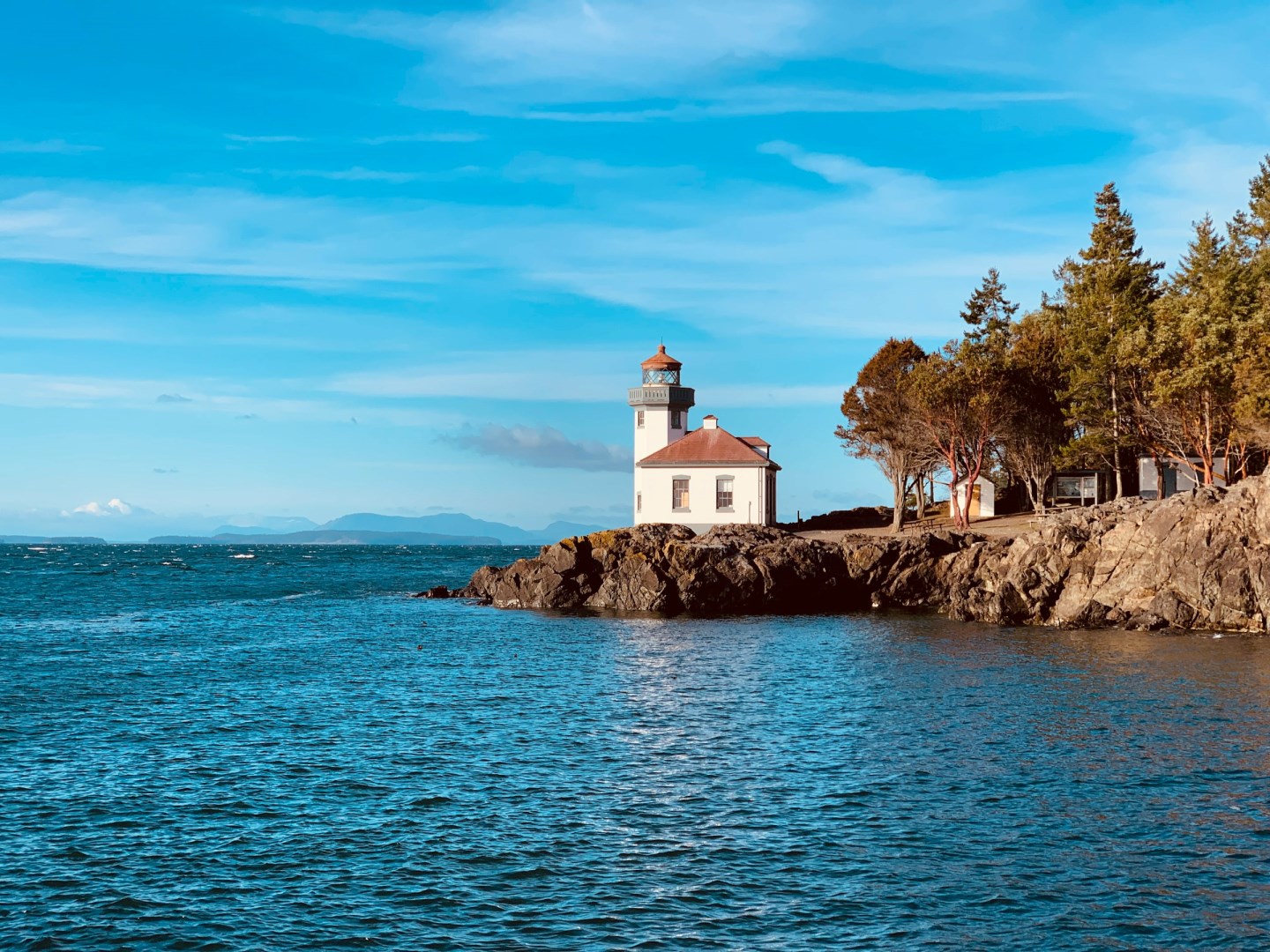
Friday Harbor
Friday Harbor is the principal community and county seat of San Juan County, located on San Juan Island in northwestern Washington. The town overlooks a sheltered harbor and serves as a central gateway to the surrounding San Juan Islands. Its waterfront is lined with marinas, small businesses, restaurants, galleries, and ferry facilities, while residential streets and wooded areas extend beyond the compact downtown.