Belgium may be compact, but it offers a surprising variety of experiences shaped by centuries of shifting borders, artistic innovation, and culinary tradition. In Brussels, the Grand Place sets the stage for history and architecture in one square lined with ornate guild halls. The city is also home to the European Union’s headquarters, surrealist painter René Magritte’s former house, and a lively comic book trail that winds through murals of Tintin and other Belgian icons.
Pennsylvania offers more than just a glimpse into American history, it invites travelers to walk through it. In Philadelphia, the Liberty Bell still draws visitors from around the world, while Independence Hall, a UNESCO World Heritage Site, is where both the Declaration of Independence and the U.S. Constitution were debated and signed. Just a short walk away, modern museums like the National Constitution Center offer hands-on exhibits that connect the past to today’s civic questions.
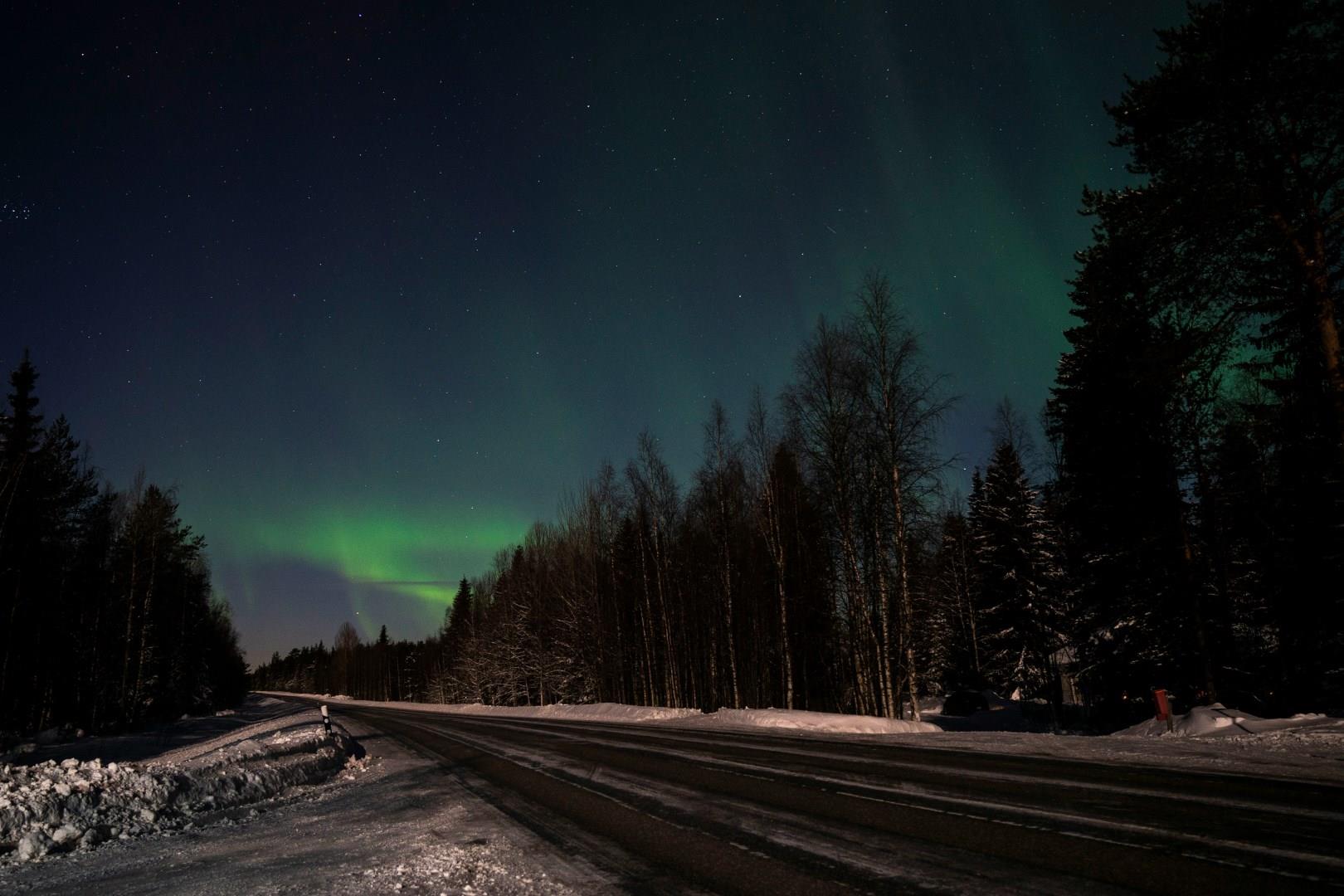
Rovaniemi, located just a few kilometers south of the Arctic Circle, is widely recognized as the official hometown of Santa Claus. From late August through early April, the Northern Lights are visible on clear nights, and several local guides offer nighttime tours to remote locations for optimal viewing. During summer, the sun doesn't set for weeks, giving travelers the rare chance to hike or kayak under a sky that stays bright at midnight.
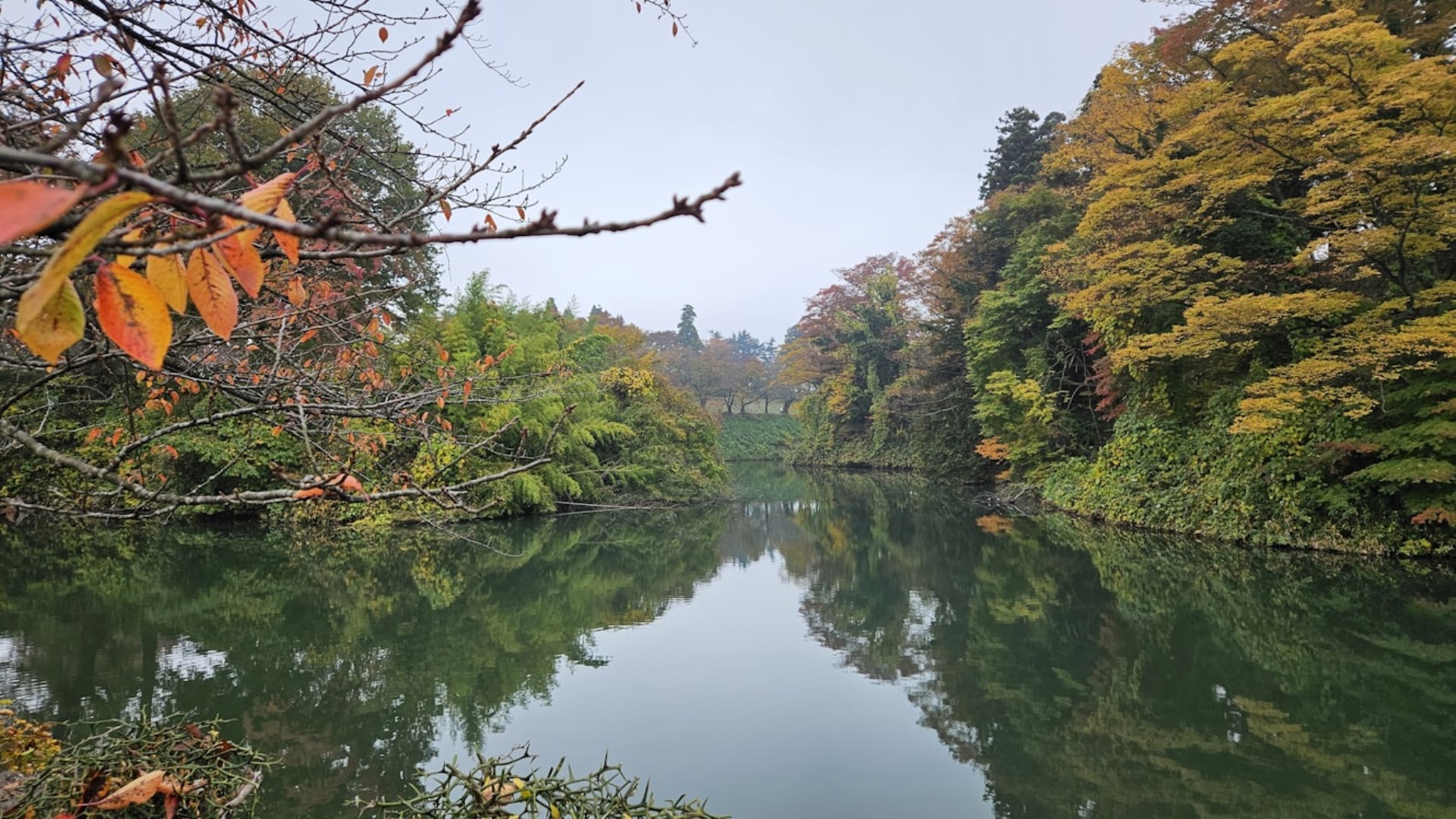
Aizuwakamatsu in Fukushima Prefecture is a city where samurai history is tangible. Once a stronghold of the Aizu domain, it played a pivotal role in the late Edo period and the Boshin War.
Russia attracts thousands of tourists each year who have a taste for cathedrals and monasteries, fine art, theater, museums, and the Russian culture in general.
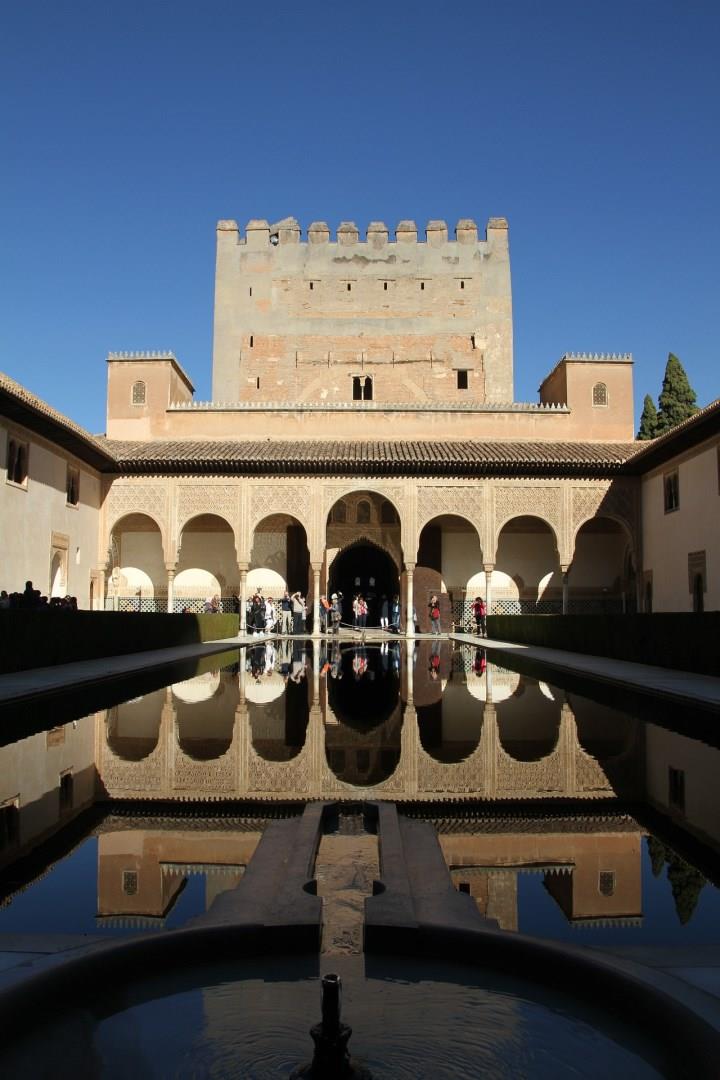
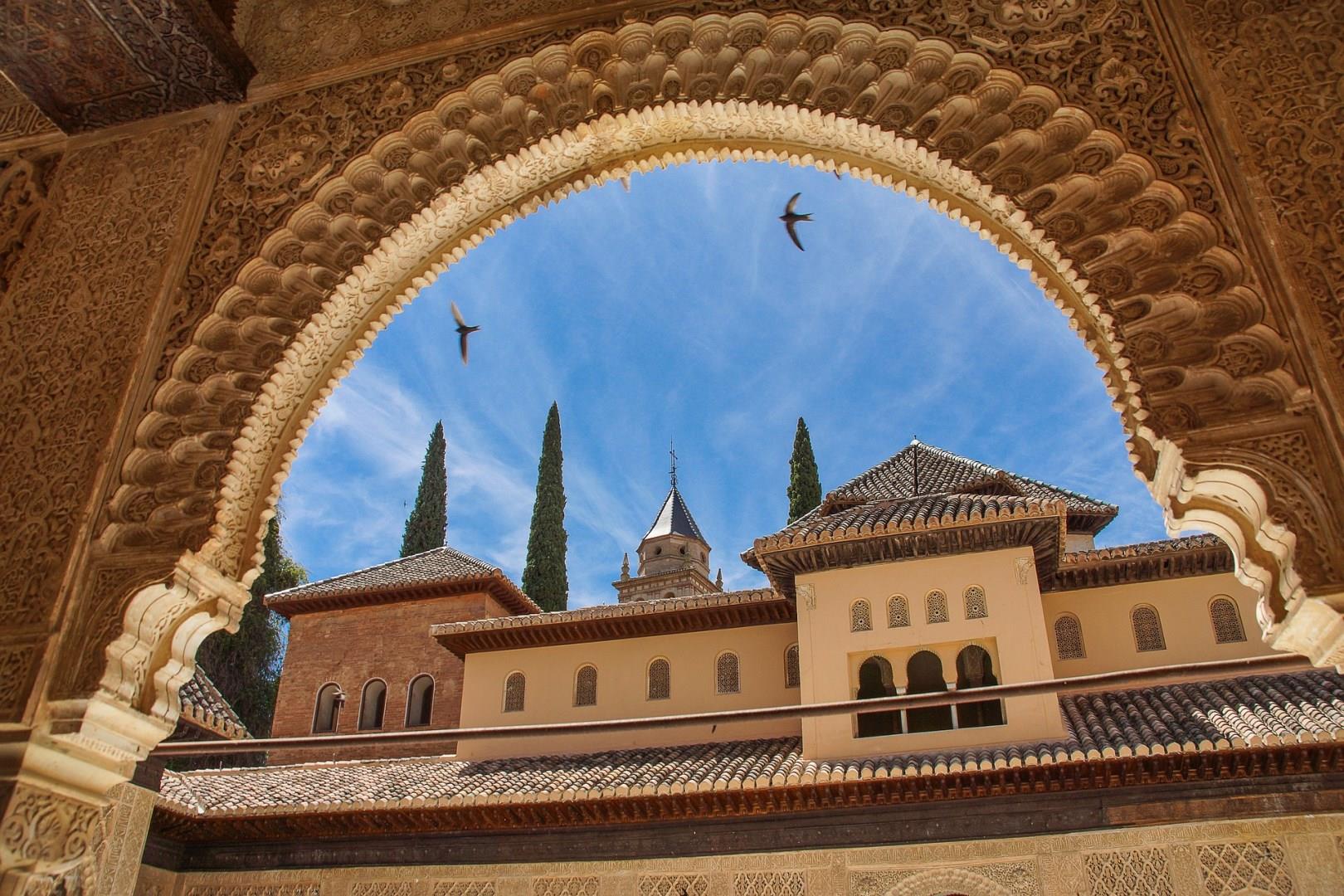
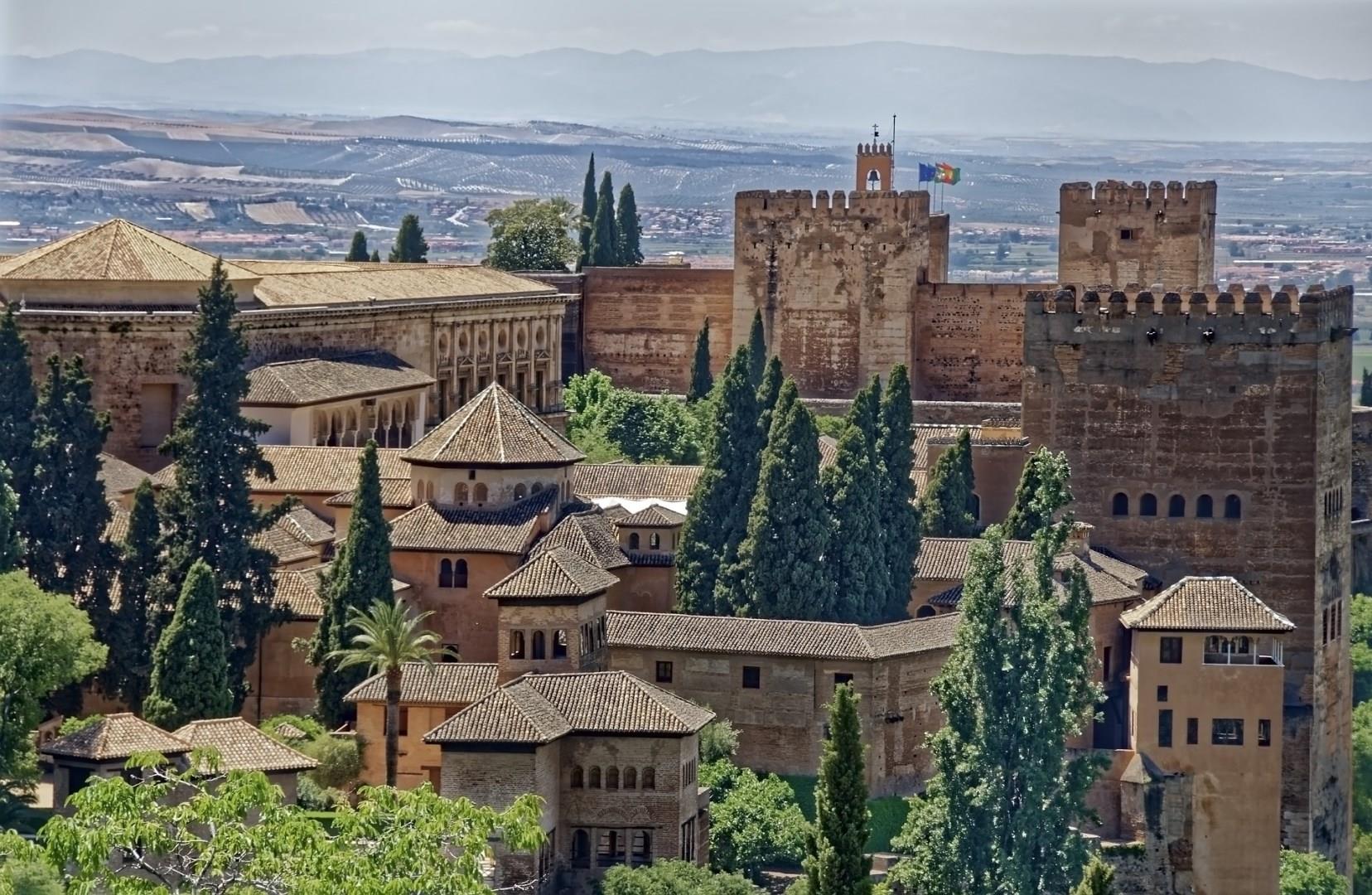
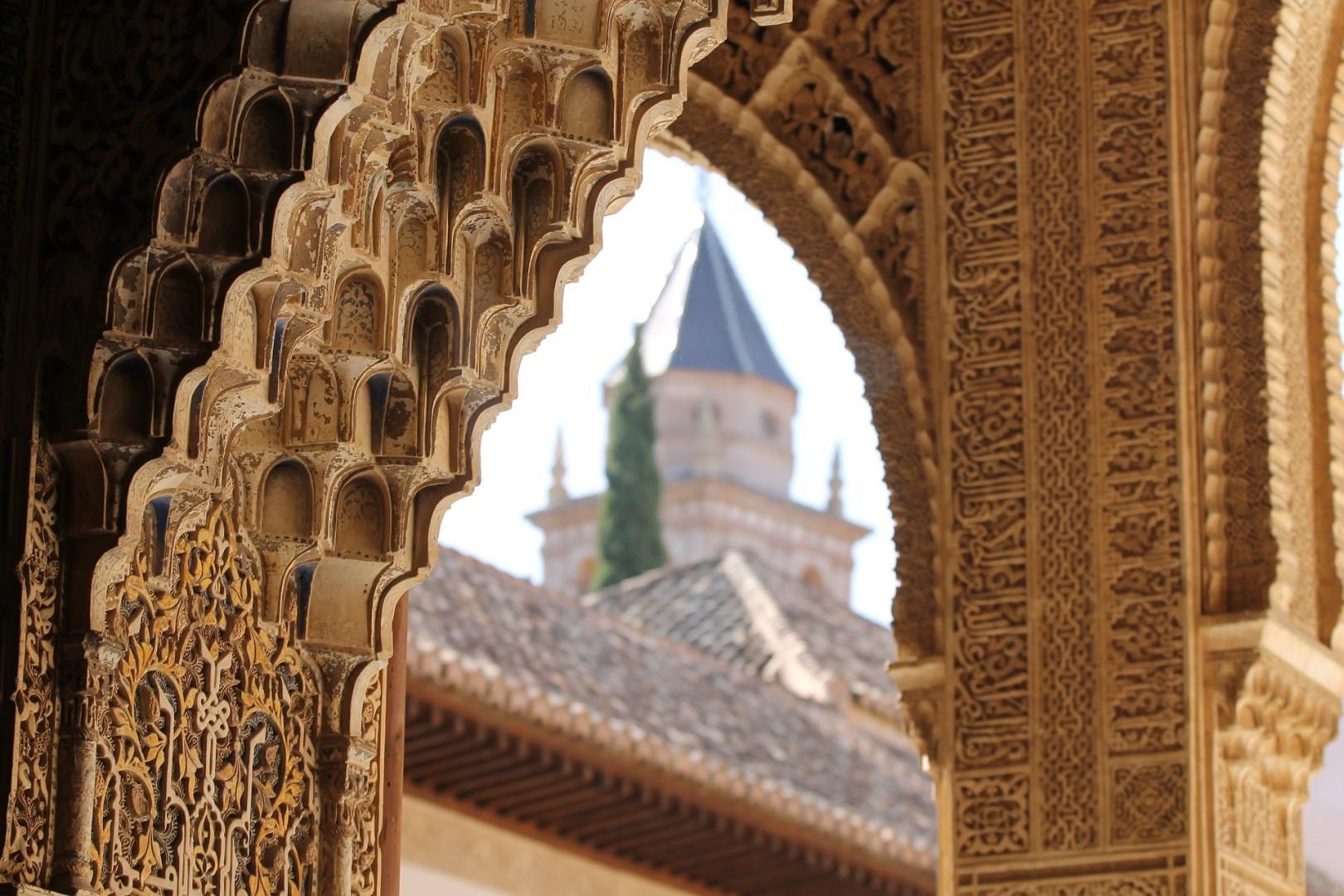
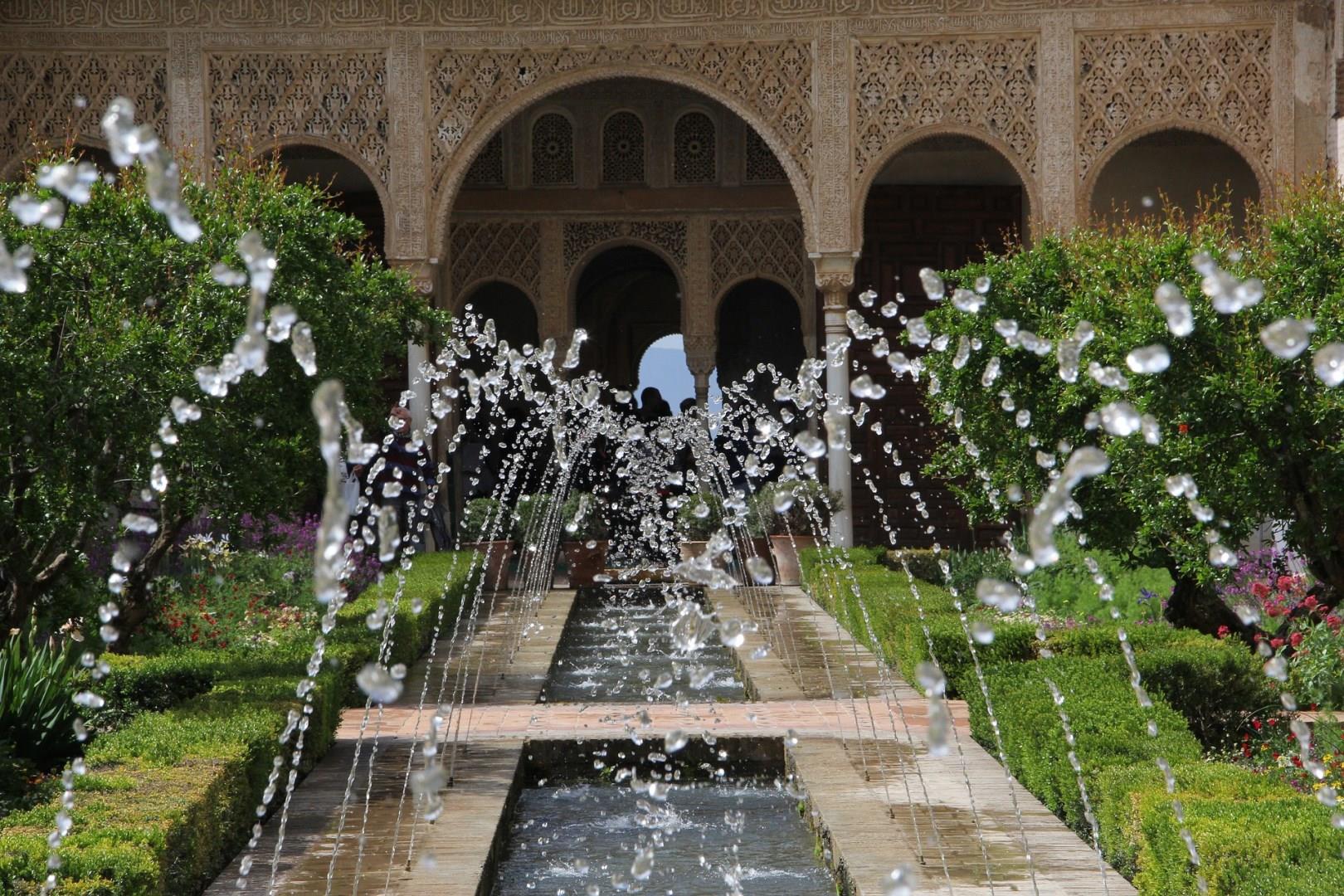
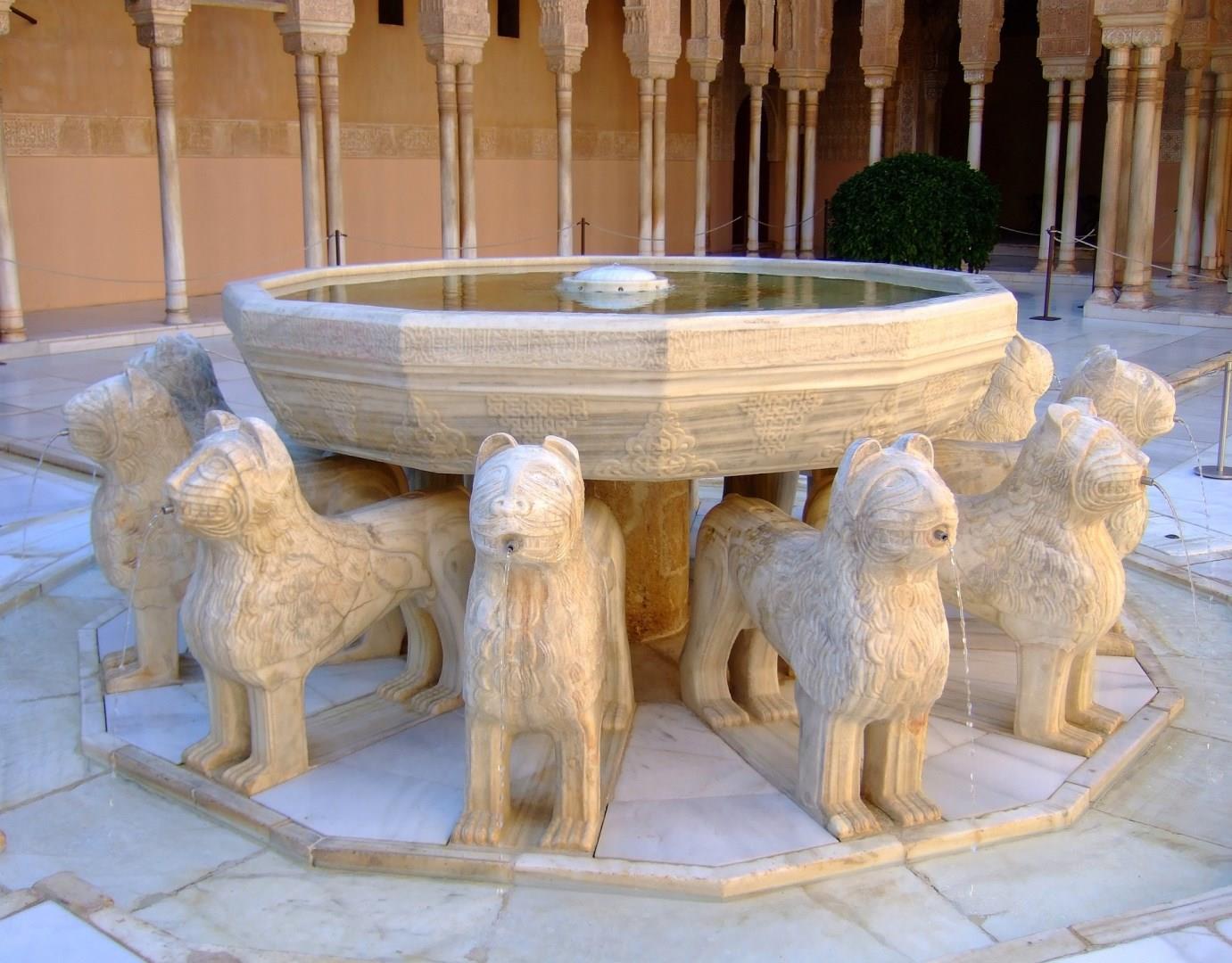
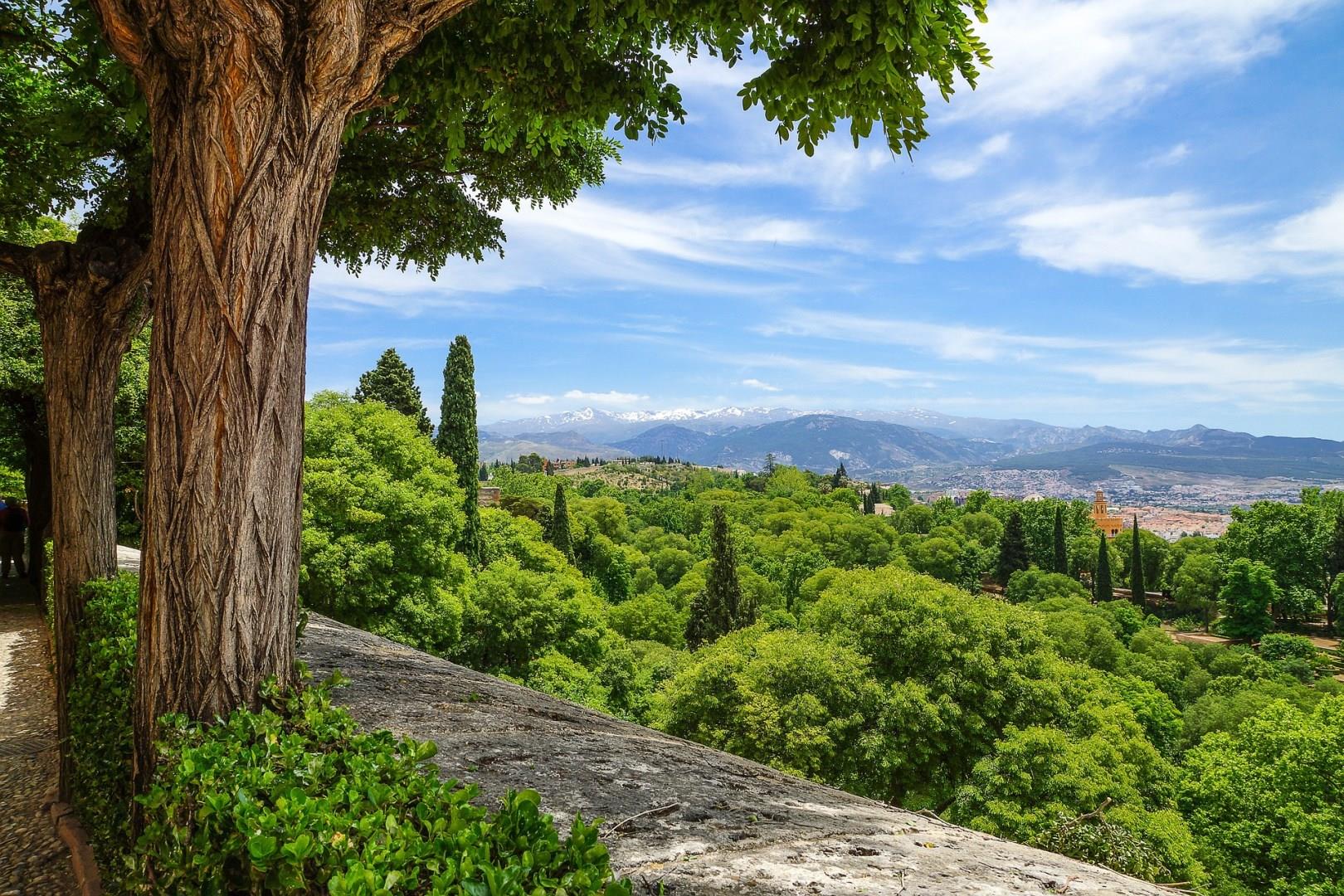
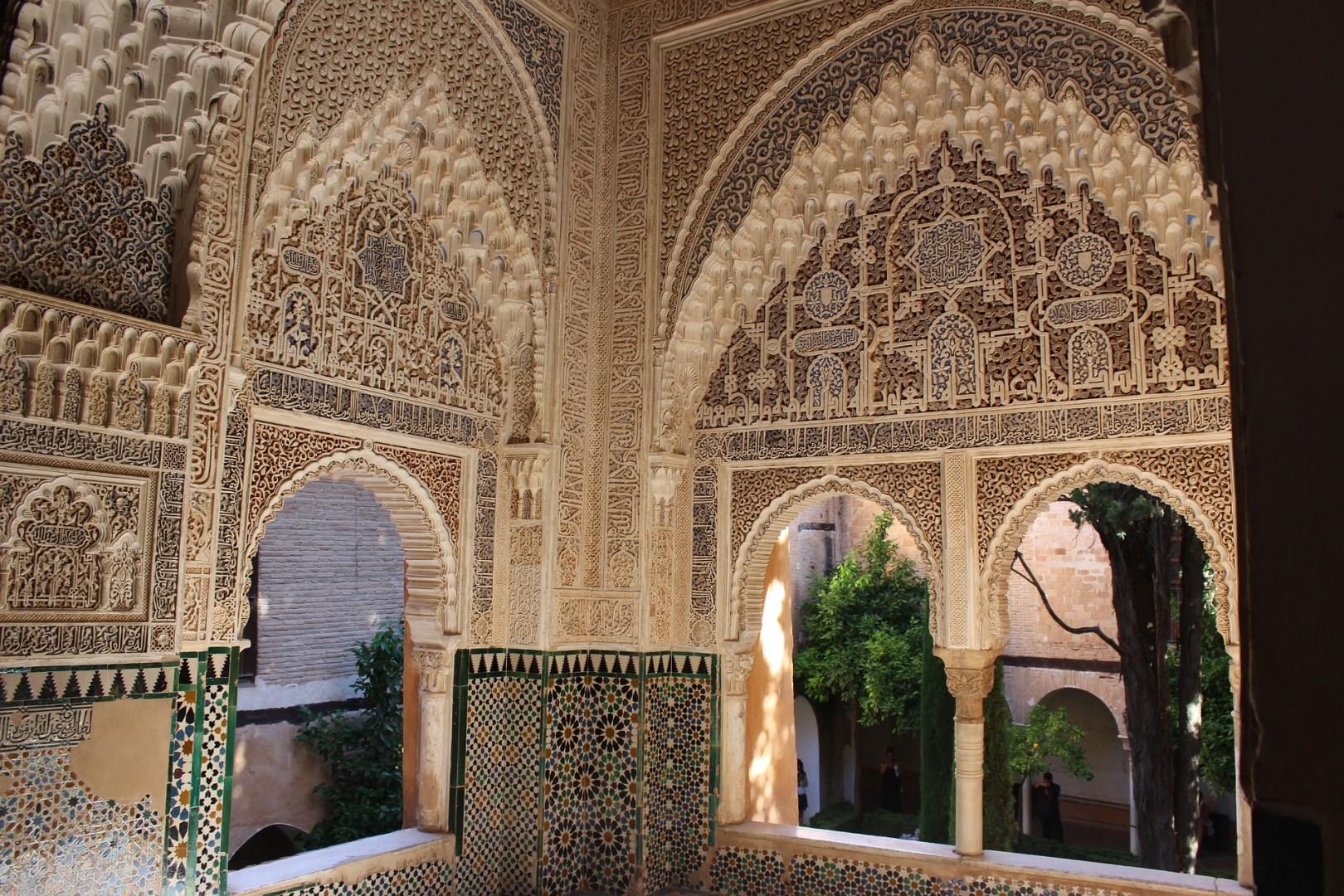
Granada, nestled at the foot of the Sierra Nevada mountains in southern Spain, is a city where history and culture converge in a mesmerizing blend. The jewel of Granada is the Alhambra, a stunning palace and fortress complex that dates back to the 13th century. This UNESCO World Heritage Site is a testament to the city's Moorish past, showcasing intricate Islamic art and architecture. Wander through the Generalife Gardens, where you can admire lush greenery and the tranquil sounds of water fountains while gazing at breathtaking views of the city below.
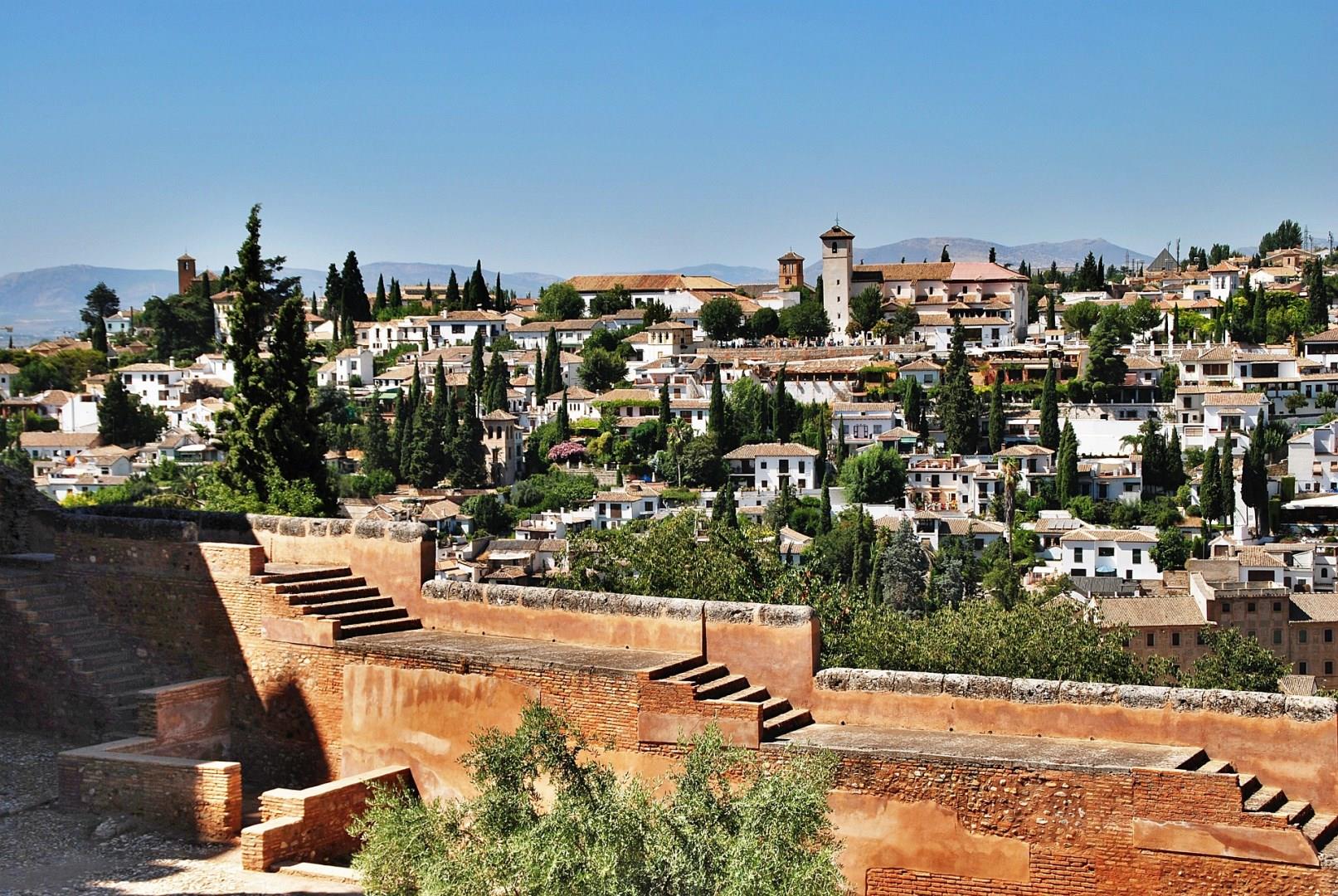
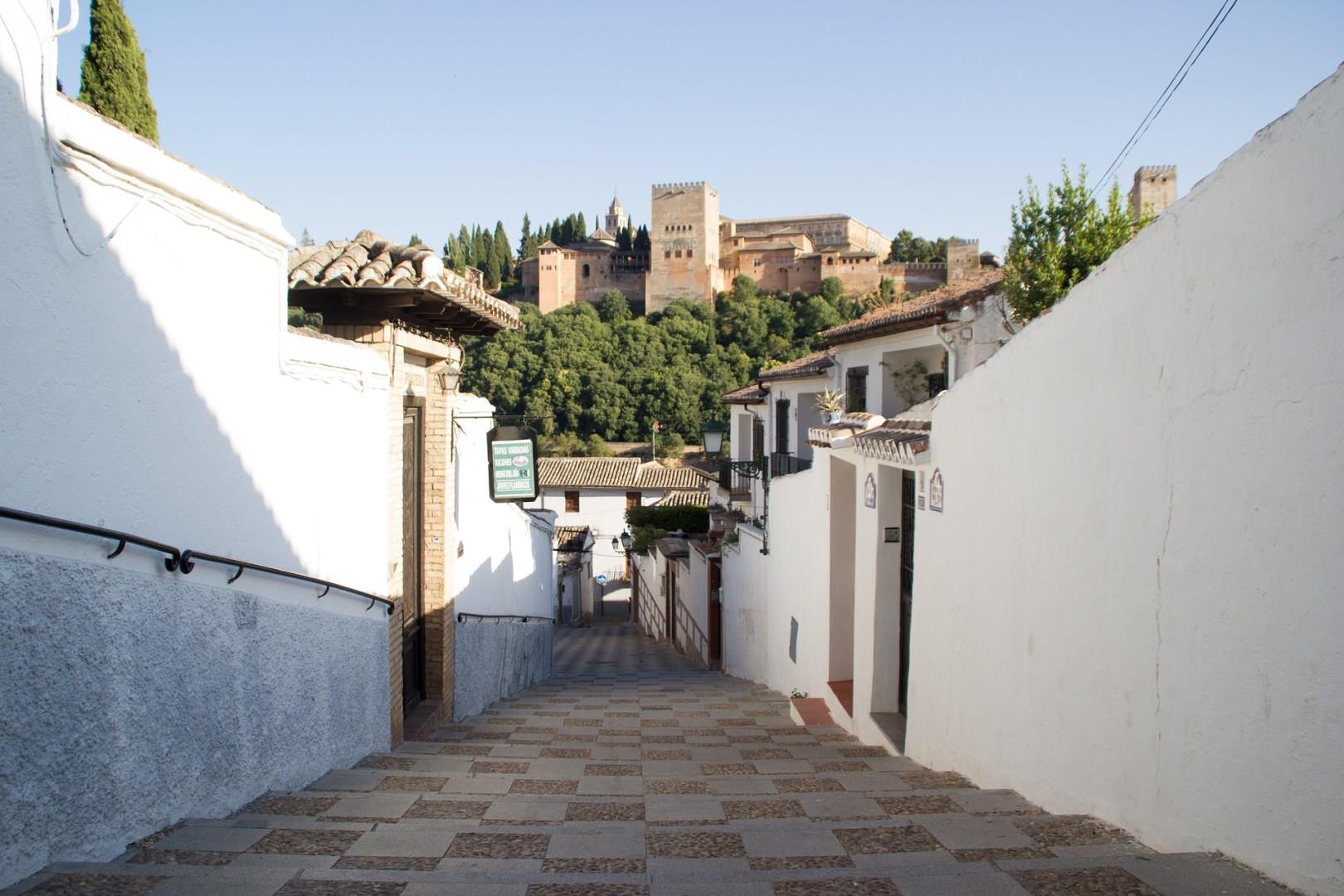
But Granada is not just about its Moorish heritage. The city is also a lively hub of Spanish culture, where flamenco music and dance are deeply ingrained in local life. The Albaicín, Granada's oldest neighborhood, offers a labyrinth of narrow, winding streets that lead to traditional tapas bars and viewpoints like Mirador de San Nicolás, which provides unparalleled views of the Alhambra against the backdrop of the snow-capped Sierra Nevada. The Cathedral of Granada, with its striking Renaissance architecture, stands as a reminder of the city's transformation following the Reconquista.
A visit to Granada isn't complete without experiencing its culinary delights. The city is famous for its free tapas culture—order a drink, and you'll receive a complimentary tapa. This tradition allows you to sample a variety of local dishes, from the savory jamón serrano to the hearty tortilla española, as you explore the city's vibrant nightlife. For a more immersive experience, consider visiting a traditional flamenco show in the Sacromonte district, where the art form was born in the caves of the Roma community.
Fun fact: Granada is one of the few cities in Spain where you can enjoy a day at the beach and ski on the same day. The Mediterranean coast is just an hour's drive away, while the Sierra Nevada Ski Resort offers some of the best skiing in Spain, making Granada a unique destination for year-round outdoor activities.