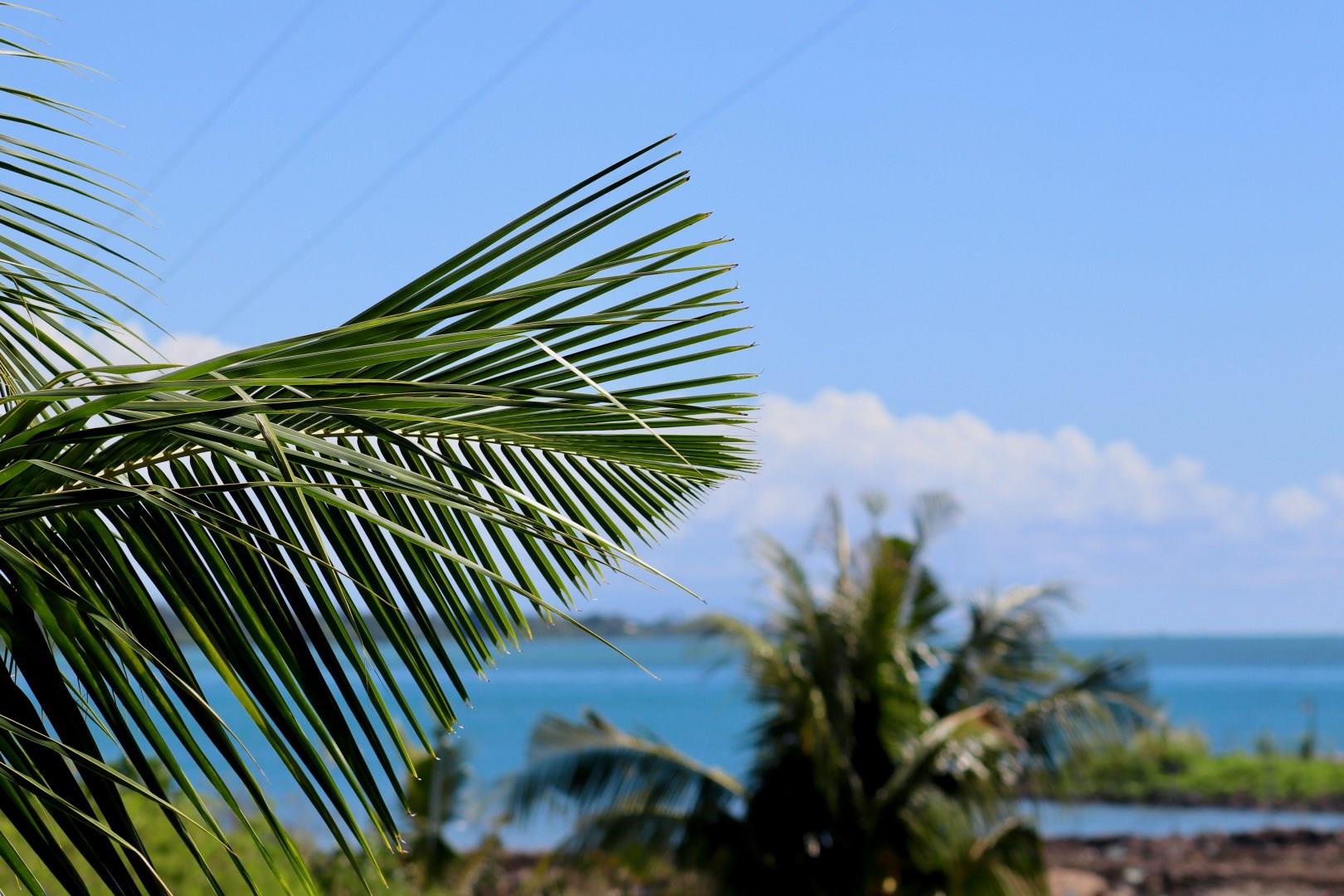
Apia, the lively capital of Samoa, sits on the north coast of Upolu island and blends the island’s rich traditions with a laid-back charm that’s hard to miss. Once a small village, Apia has grown into a central hub where local culture, commerce, and history meet. From bustling markets to quiet waterfronts, Apia offers visitors a chance to experience Samoa’s rhythm at their own pace.

New Haven, city in New Haven County, southern Connecticut, a port on Long Island Sound, at the mouth of the Quinnipiac River. It is known as an educational center and is the seat of Yale University (1701), Albertus Magnus College (1925), and Southern Connecticut State College (1893); the University of New Haven (1920) is in nearby West Haven.
Located on the Adriatic, Koper is a coastal port city in Slovenia. Koper is home to a variety of architectural gems dating back centuries, especially near the city's central Tito Square. Koper's marina and beaches provide spectacular views of the Bay of Trieste, while the city's variety of museums, parks, restaurants, and bars offer plenty to explore and entertain.
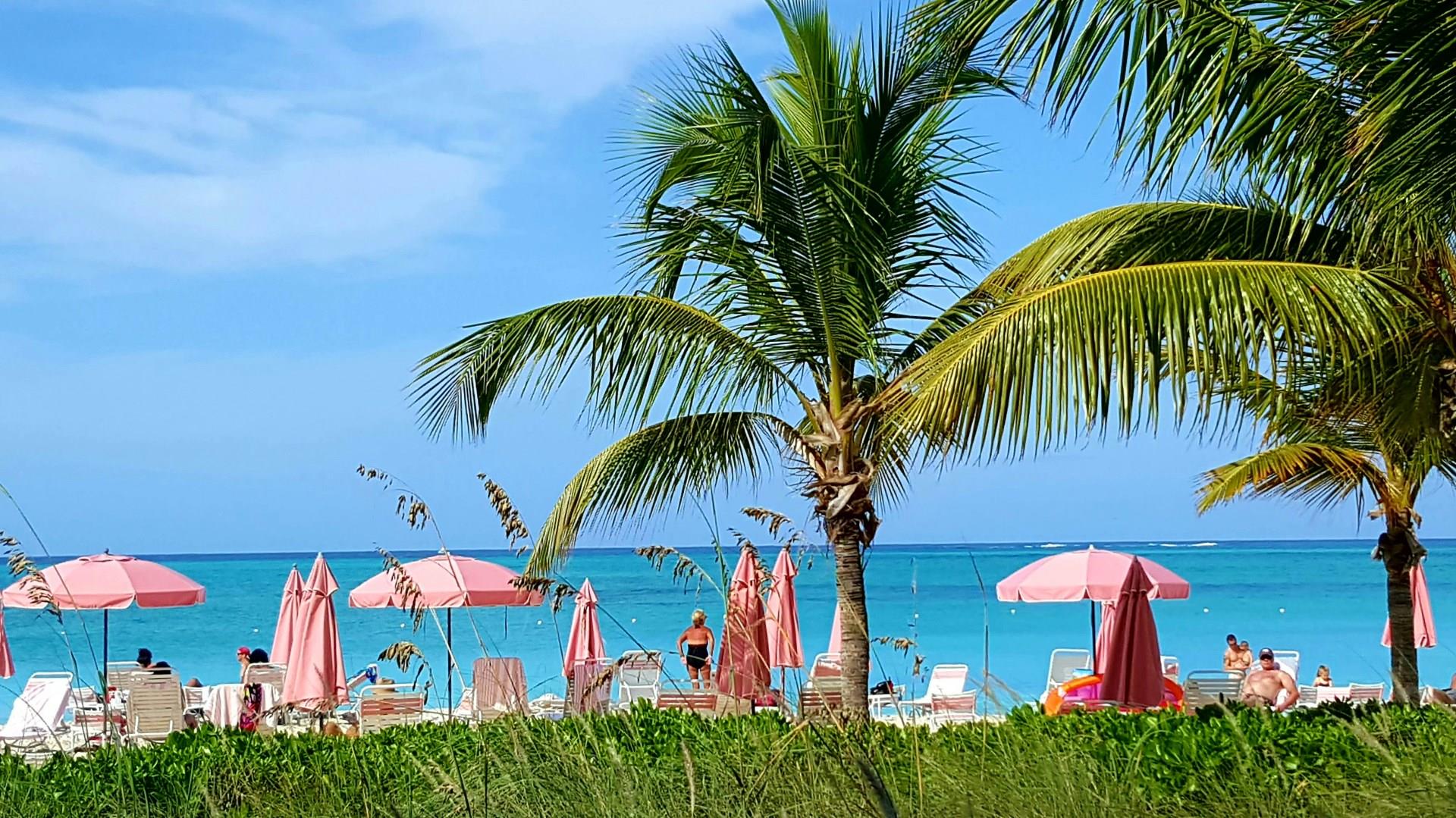
Providenciales, often called “Provo,” is the most developed island in the Turks and Caicos archipelago and a gateway to some of the clearest waters in the Caribbean. Its coastline is famous for long stretches of white sand and shallow turquoise seas that seem to shift color with the sun. Grace Bay Beach, the island’s most celebrated shoreline, runs uninterrupted for more than 19 kilometers and is consistently ranked among the best beaches in the world.

Puerto Ayora is the largest town in the Galápagos Islands of Ecuador and is located on the southern coast of Santa Cruz Island. The town serves as a central base for travel throughout the archipelago, with ports, research centers, hotels, and tour operators concentrated around Academy Bay.
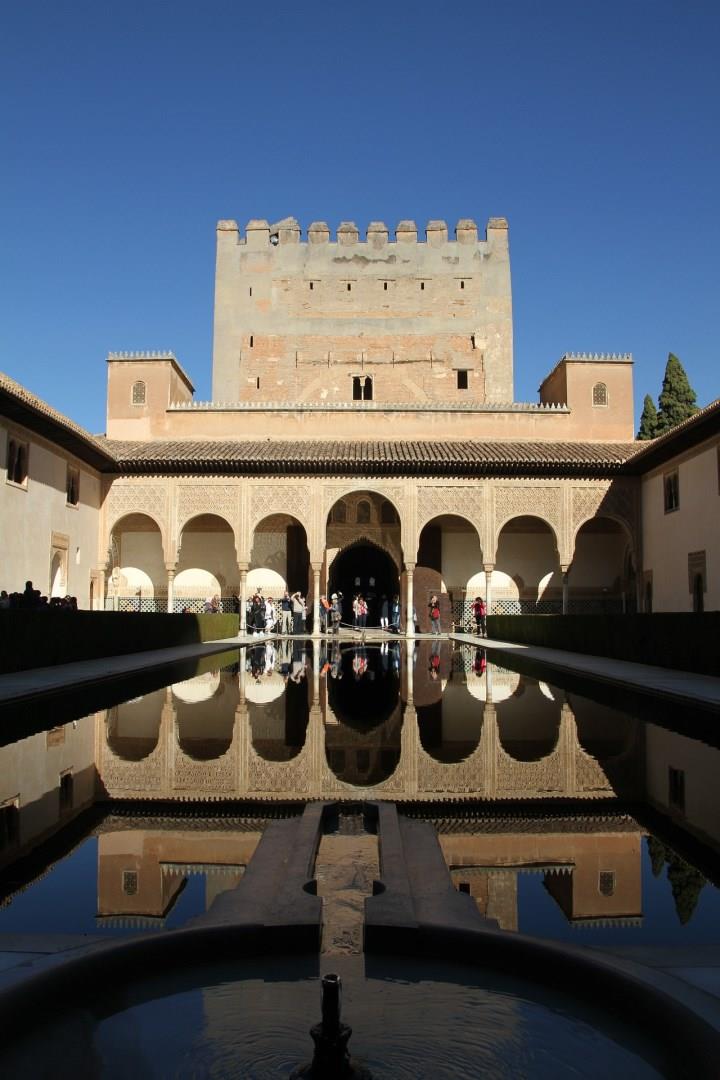
Photo Credit: Photo by Marco Montero Pisani on Unsplash
Alhambra
Photo Credit: Photo by Hari Nandakumar on Unsplash
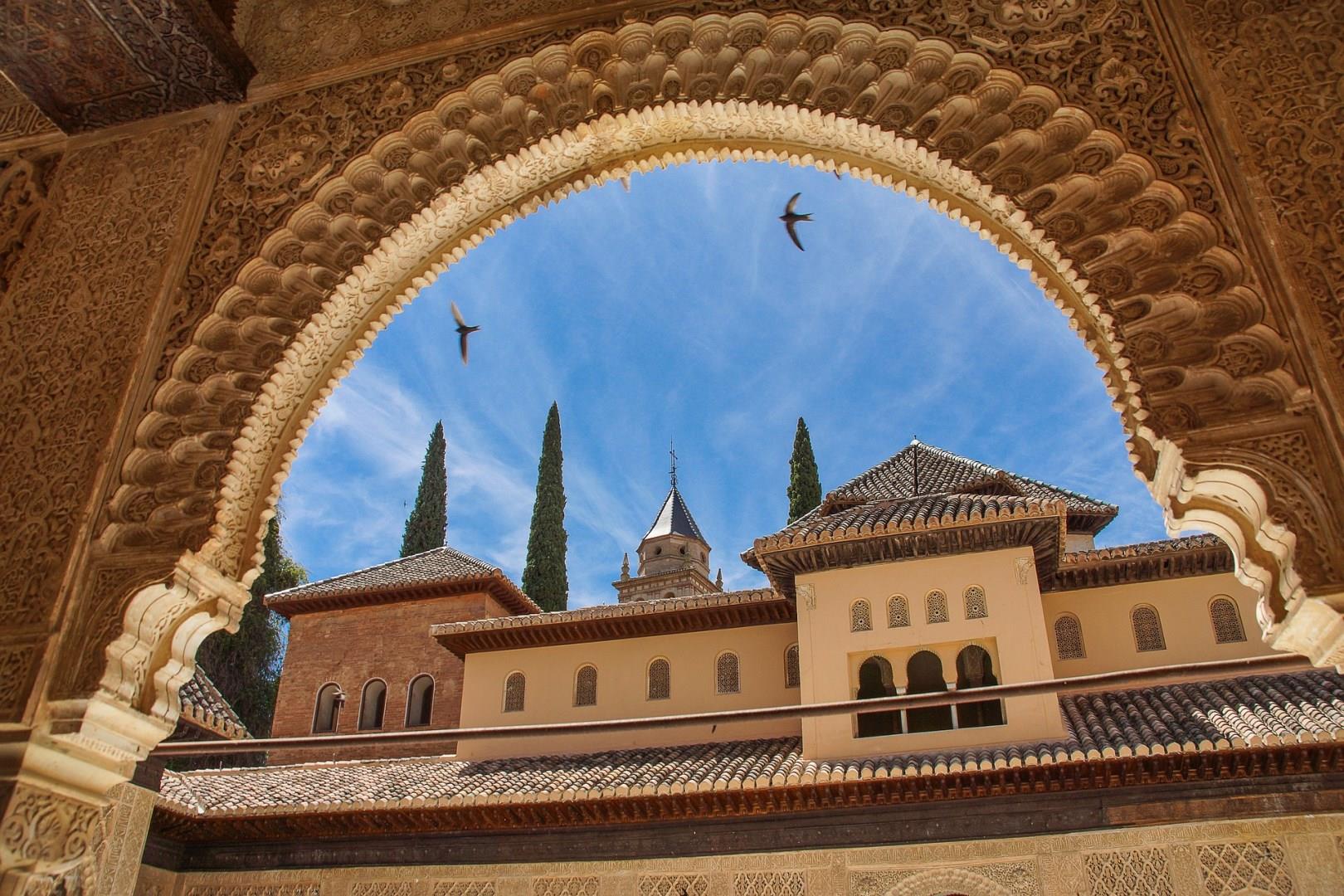
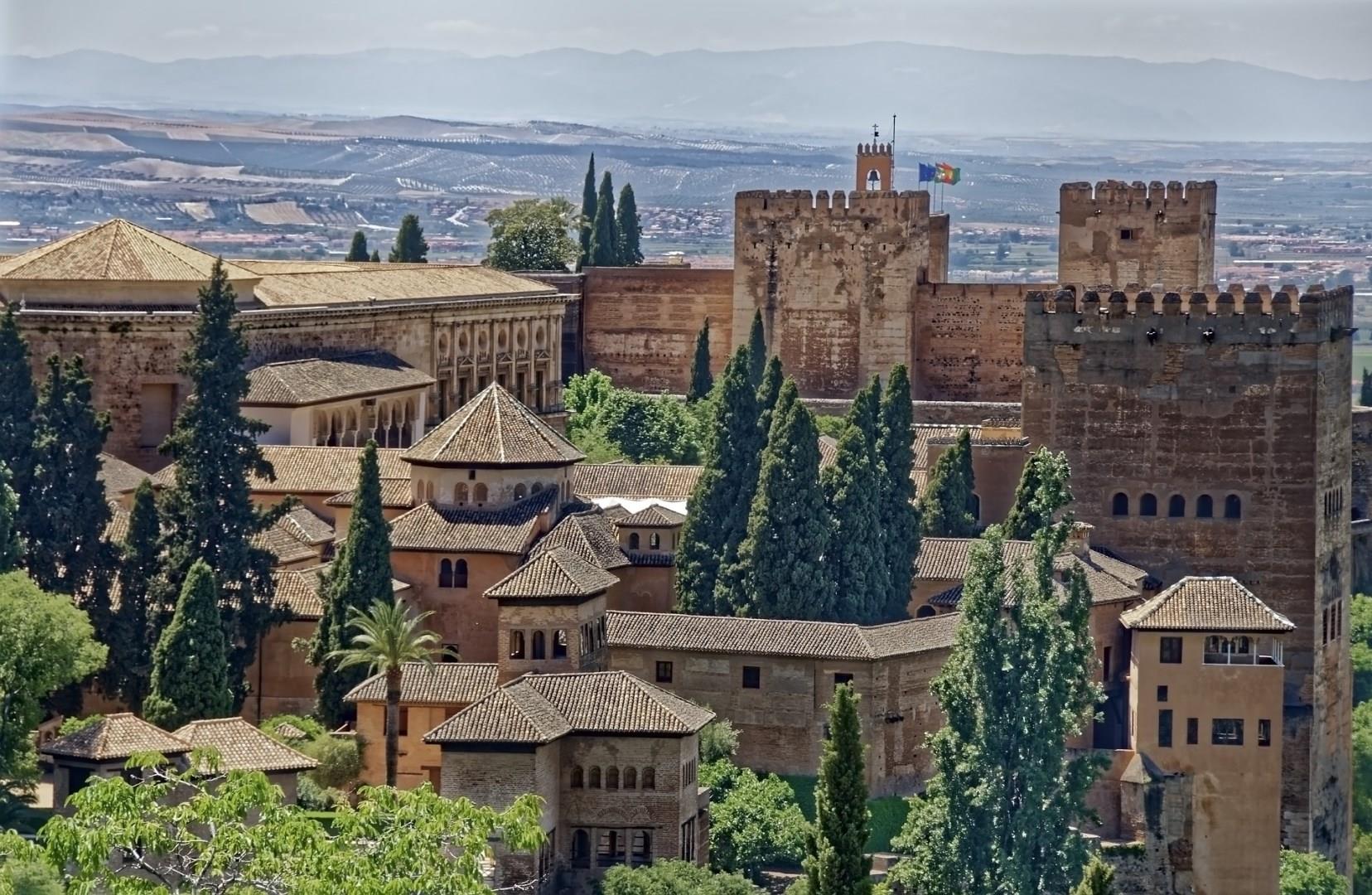
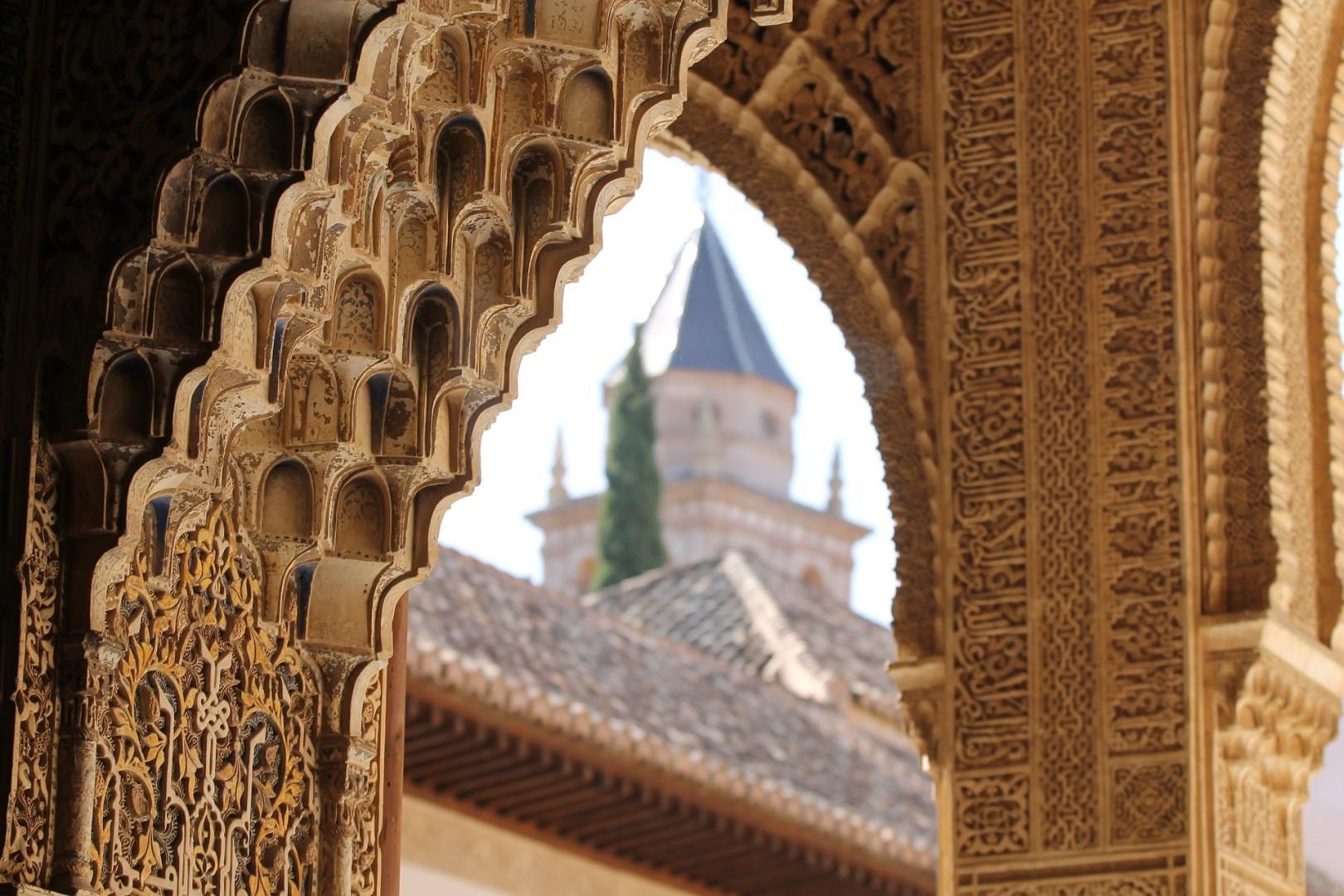
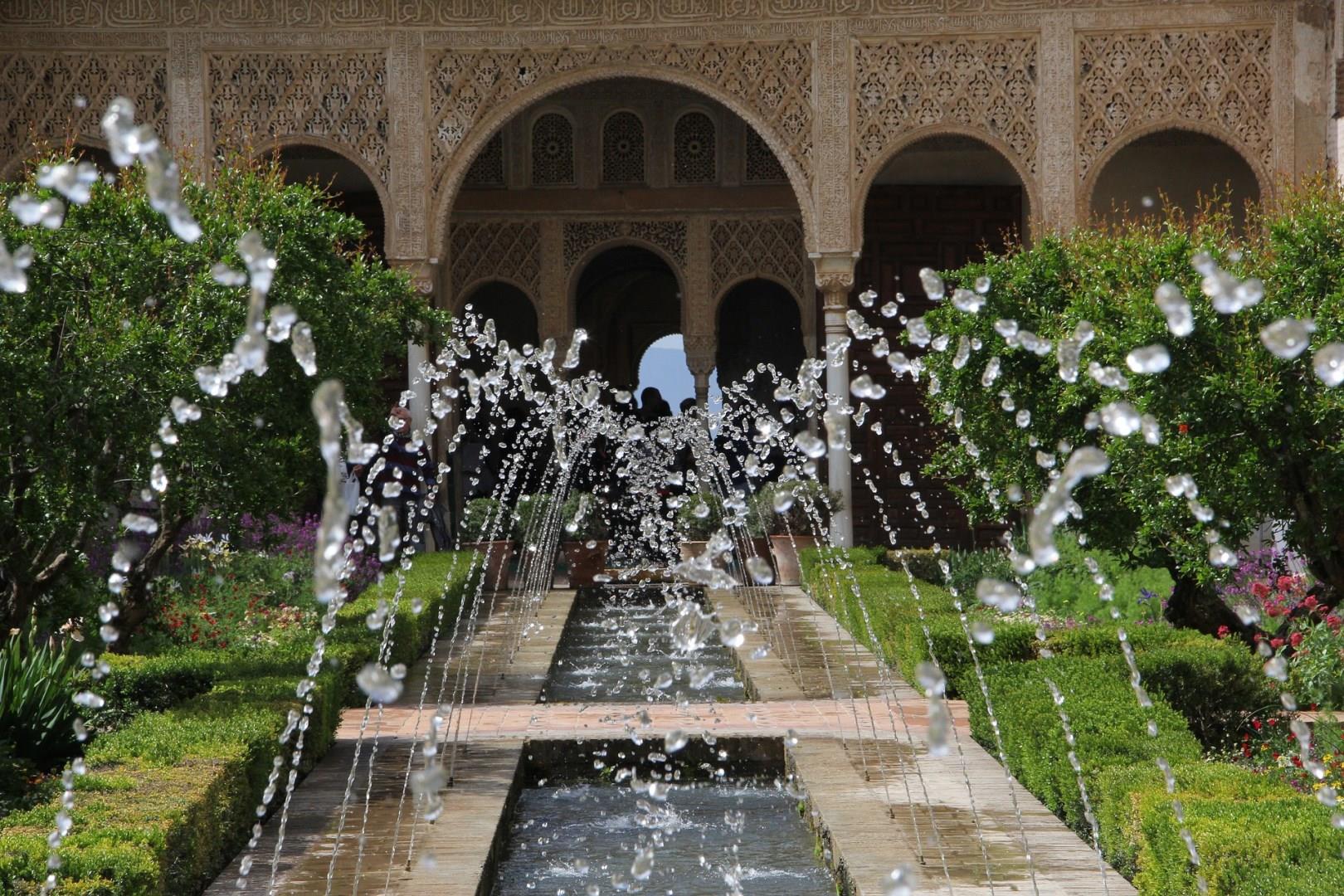
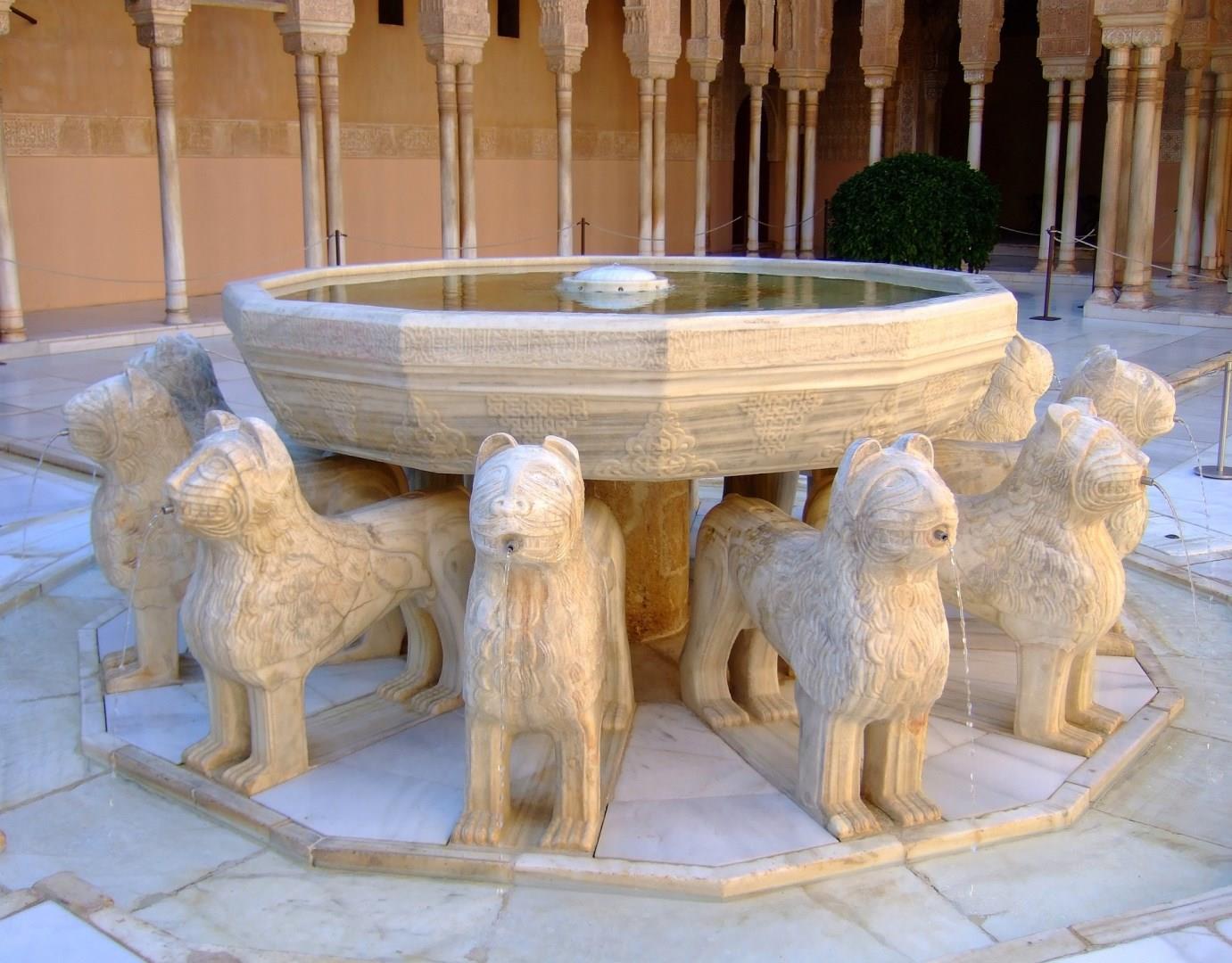
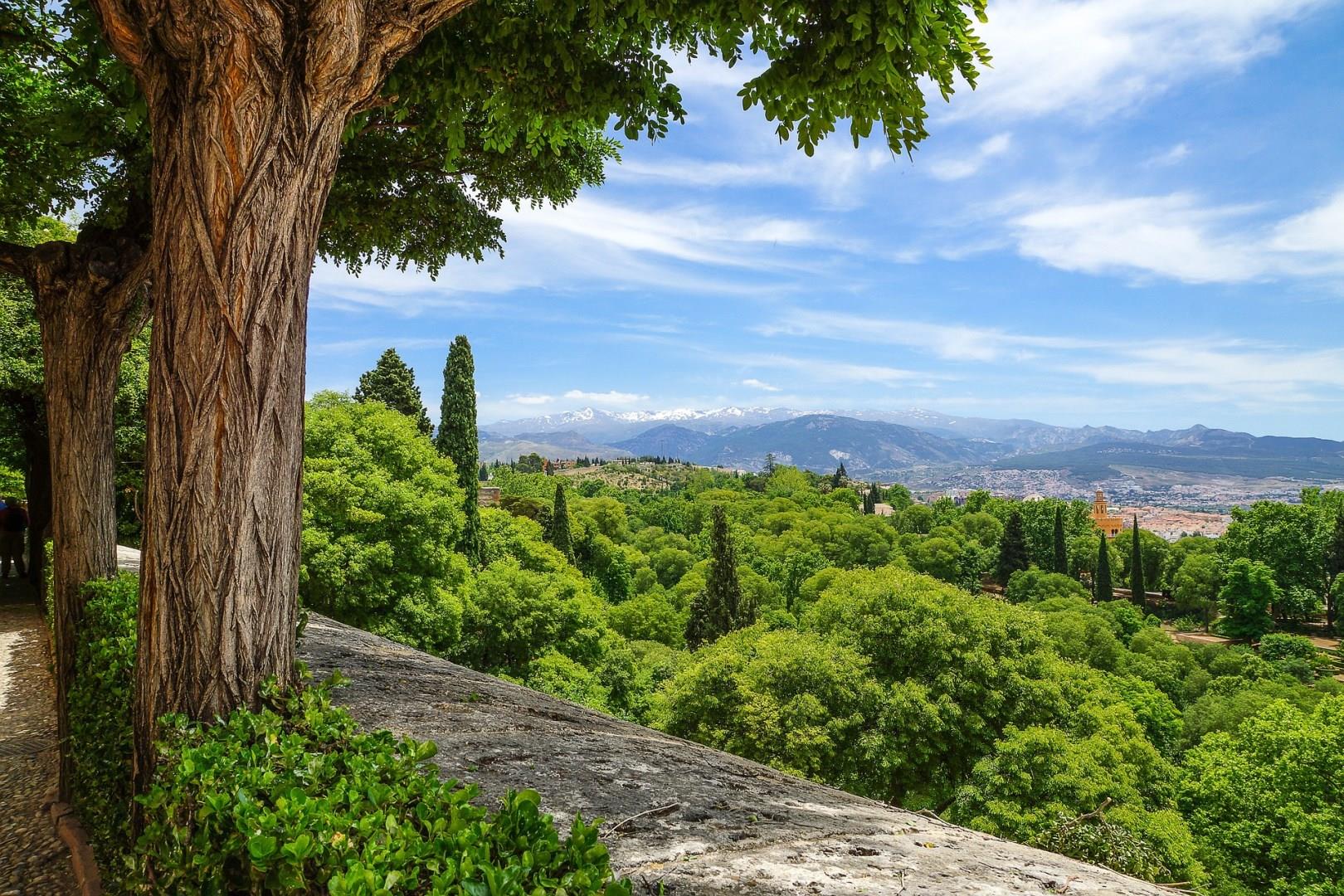
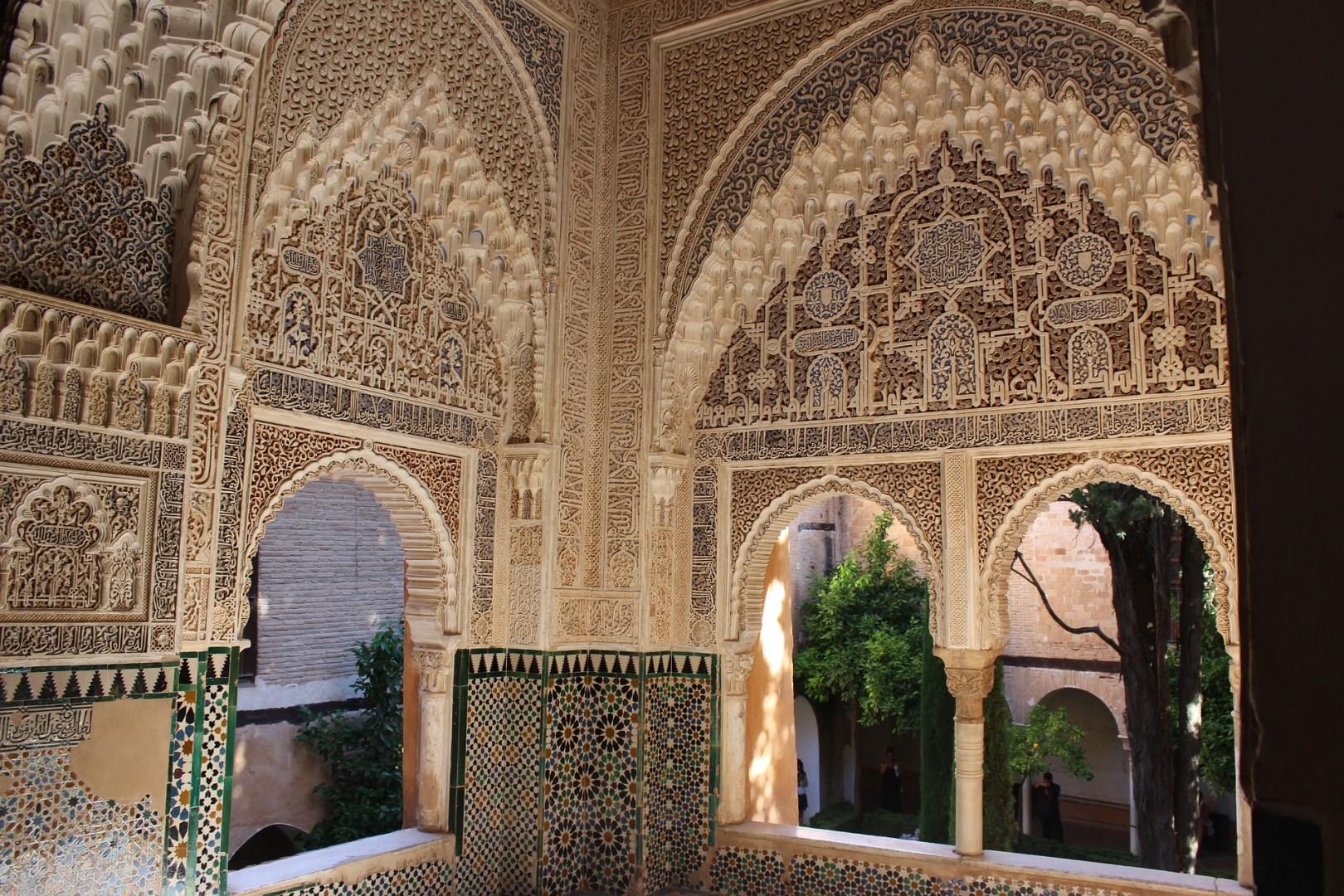
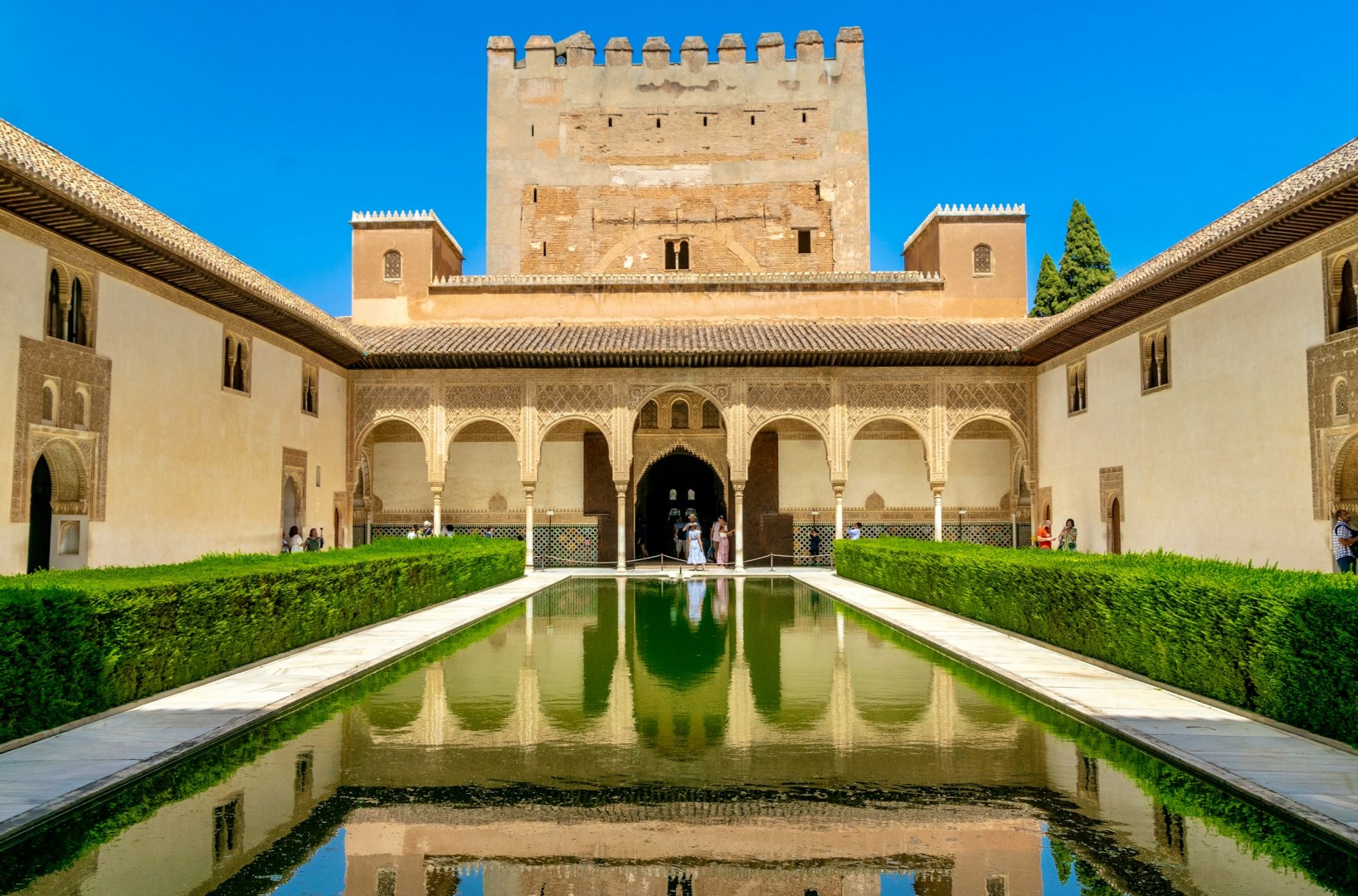
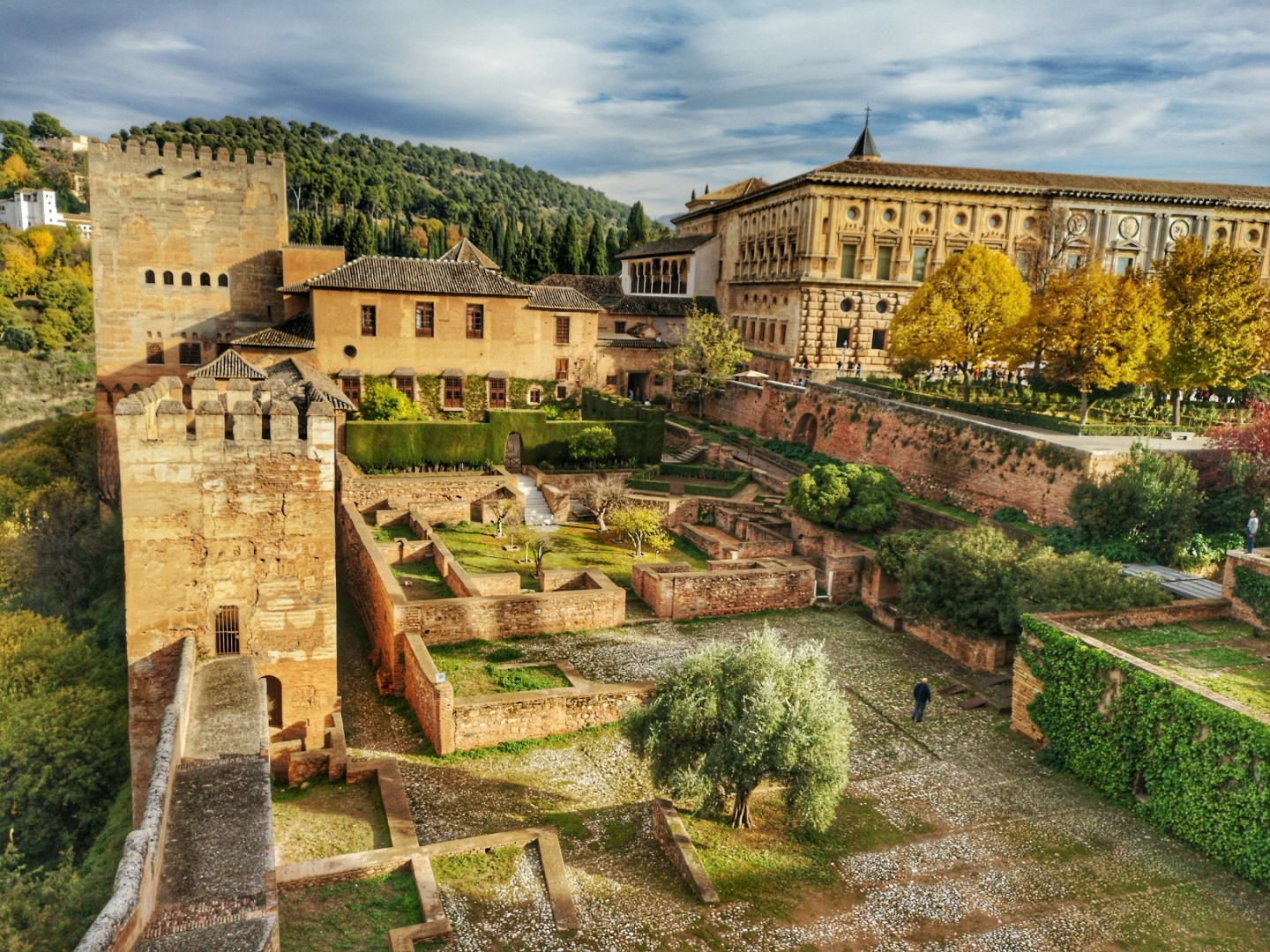
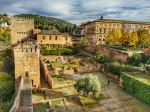
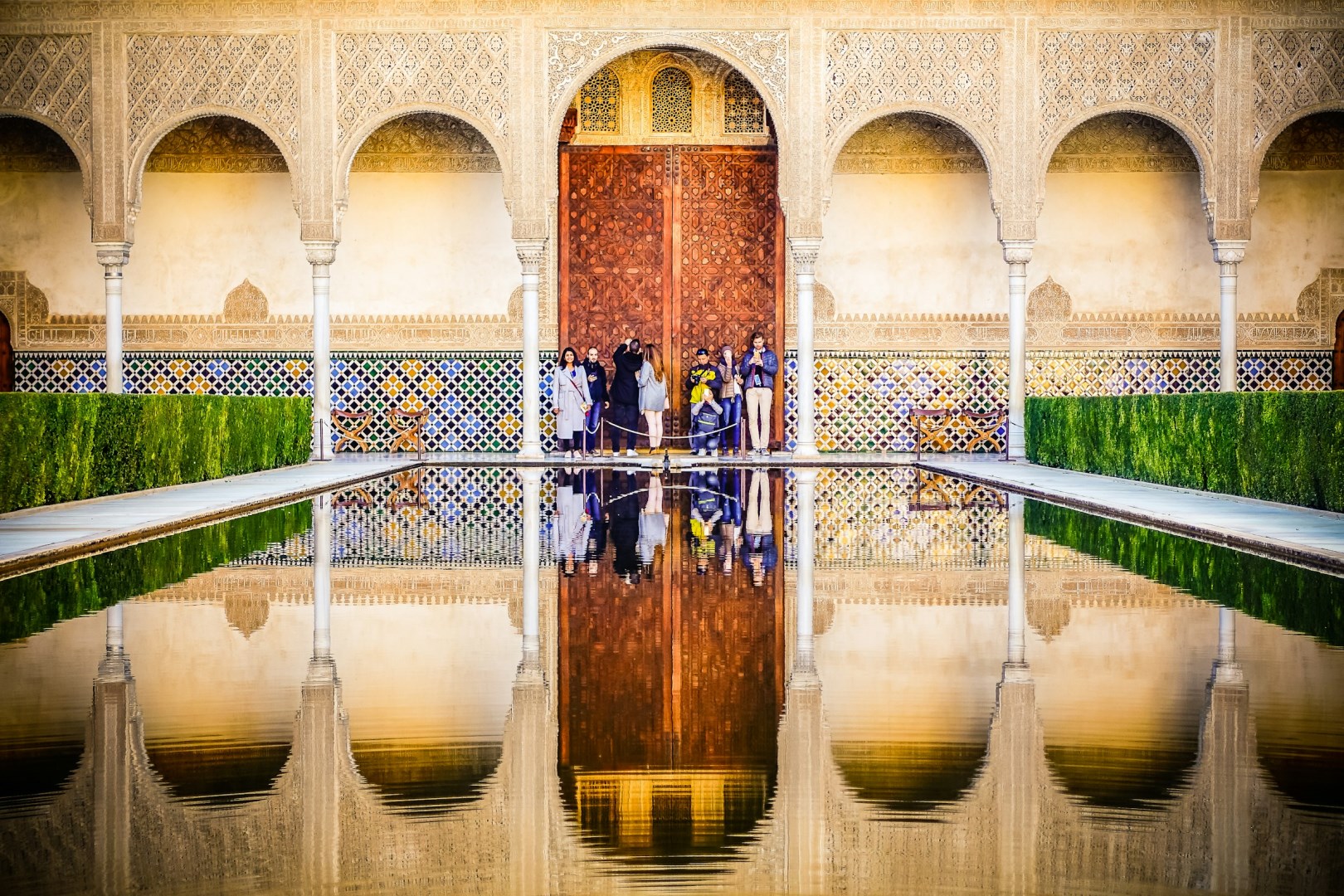
Granada, nestled at the foot of the Sierra Nevada mountains in southern Spain, is a city where history and culture converge in a mesmerizing blend. The jewel of Granada is the Alhambra, a stunning palace and fortress complex that dates back to the 13th century. This UNESCO World Heritage Site is a testament to the city's Moorish past, showcasing intricate Islamic art and architecture. Wander through the Generalife Gardens, where you can admire lush greenery and the tranquil sounds of water fountains while gazing at breathtaking views of the city below.
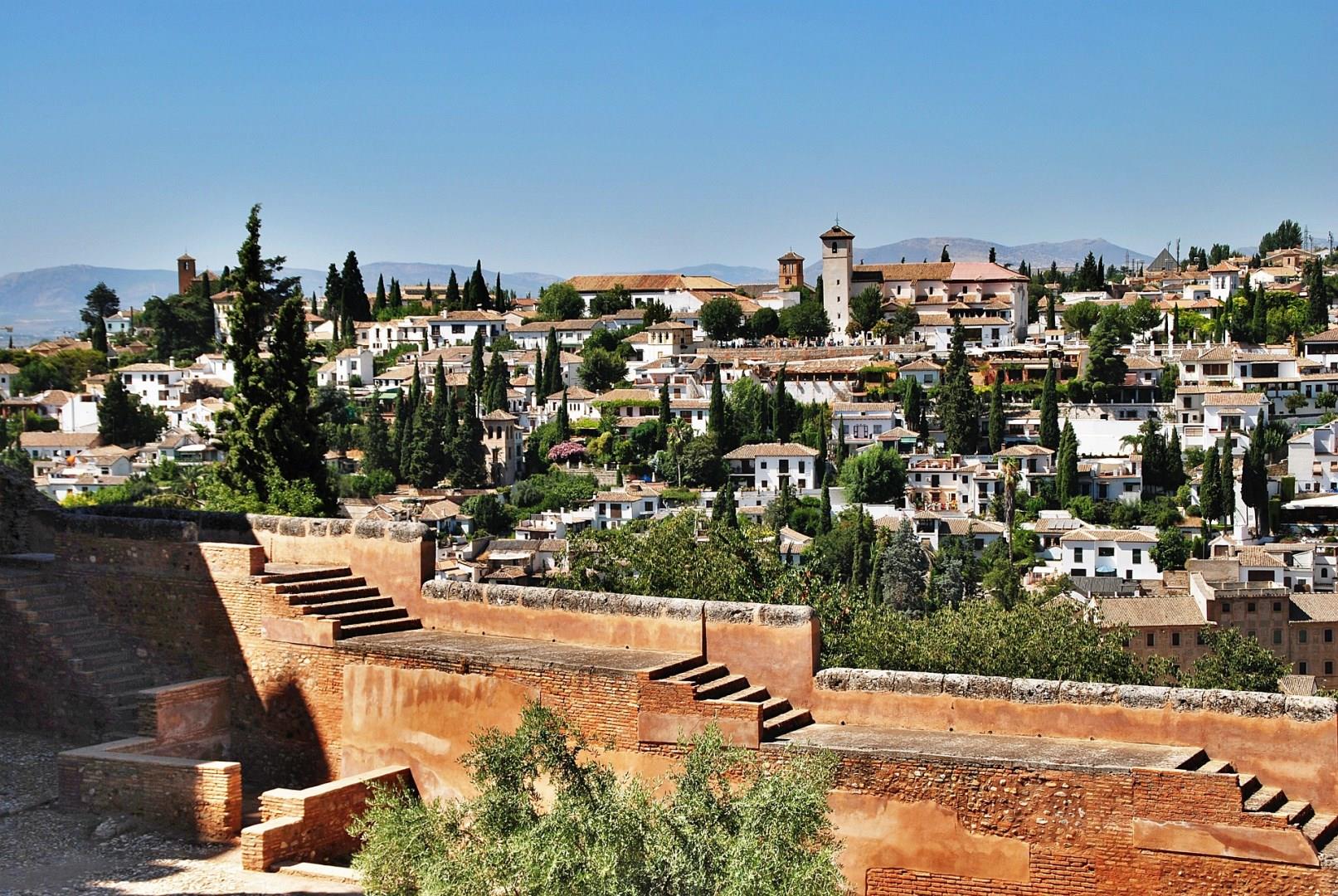
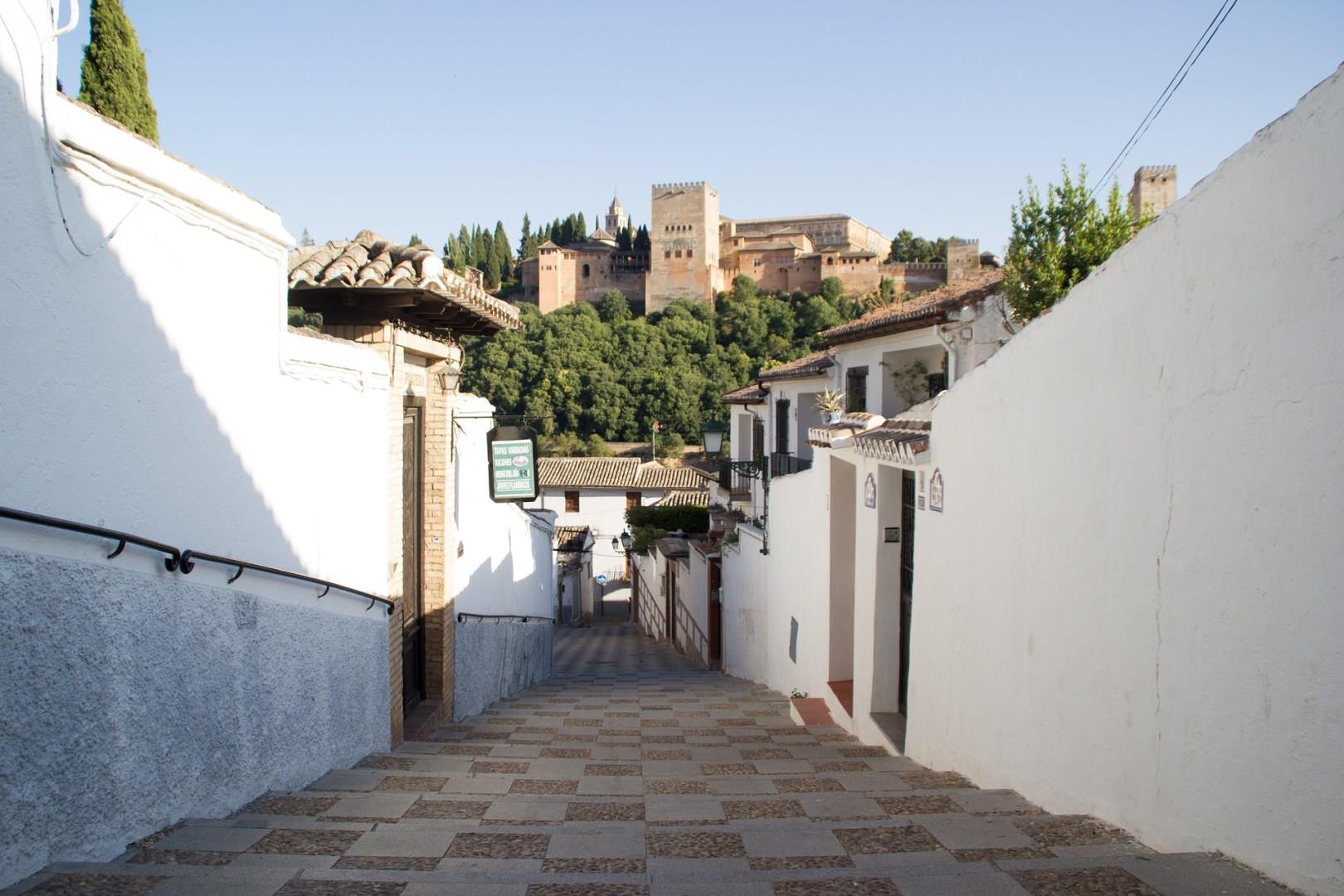
But Granada is not just about its Moorish heritage. The city is also a lively hub of Spanish culture, where flamenco music and dance are deeply ingrained in local life. The Albaicín, Granada's oldest neighborhood, offers a labyrinth of narrow, winding streets that lead to traditional tapas bars and viewpoints like Mirador de San Nicolás, which provides unparalleled views of the Alhambra against the backdrop of the snow-capped Sierra Nevada. The Cathedral of Granada, with its striking Renaissance architecture, stands as a reminder of the city's transformation following the Reconquista.
A visit to Granada isn't complete without experiencing its culinary delights. The city is famous for its free tapas culture—order a drink, and you'll receive a complimentary tapa. This tradition allows you to sample a variety of local dishes, from the savory jamón serrano to the hearty tortilla española, as you explore the city's vibrant nightlife. For a more immersive experience, consider visiting a traditional flamenco show in the Sacromonte district, where the art form was born in the caves of the Roma community.
Fun fact: Granada is one of the few cities in Spain where you can enjoy a day at the beach and ski on the same day. The Mediterranean coast is just an hour's drive away, while the Sierra Nevada Ski Resort offers some of the best skiing in Spain, making Granada a unique destination for year-round outdoor activities.