Angers
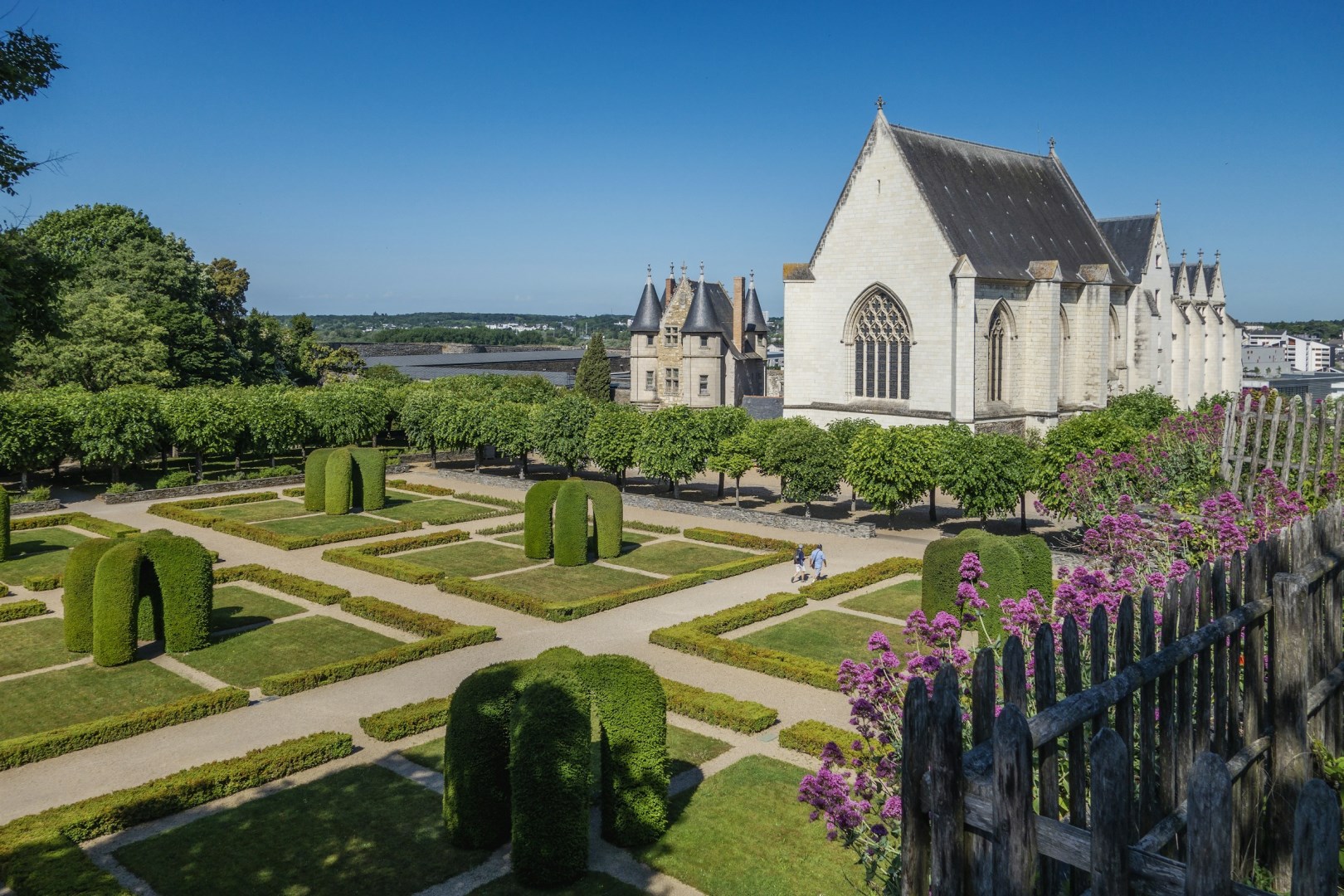
Angers is a city in western France, situated along the Maine River in the Loire Valley and surrounded by the vineyards and countryside of Anjou. Its historic centre combines medieval streets, elegant townhouses, and gardens with a lively university and cultural scene. The Château d'Angers is the city's defining landmark, with massive slate-coloured defensive walls overlooking the river and historic districts.

Anguilla
Anguilla is a level coral atoll with abundant breath-taking beaches. The name comes from the Spanish word for eel, named apparently because of the island's long, narrow profile. The main town, The Valley, is found almost in the middle of the island. Most hotels and restaurants are found on the western point of the island.

Maho Beach
Maho Beach, on the Dutch side of Sint Maarten, is one of the Caribbean’s most thrilling and unconventional beach experiences. Situated directly beside Princess Juliana International Airport, the beach is world-famous for its low-flying airplanes that descend just overhead before landing.
Icefields Parkway
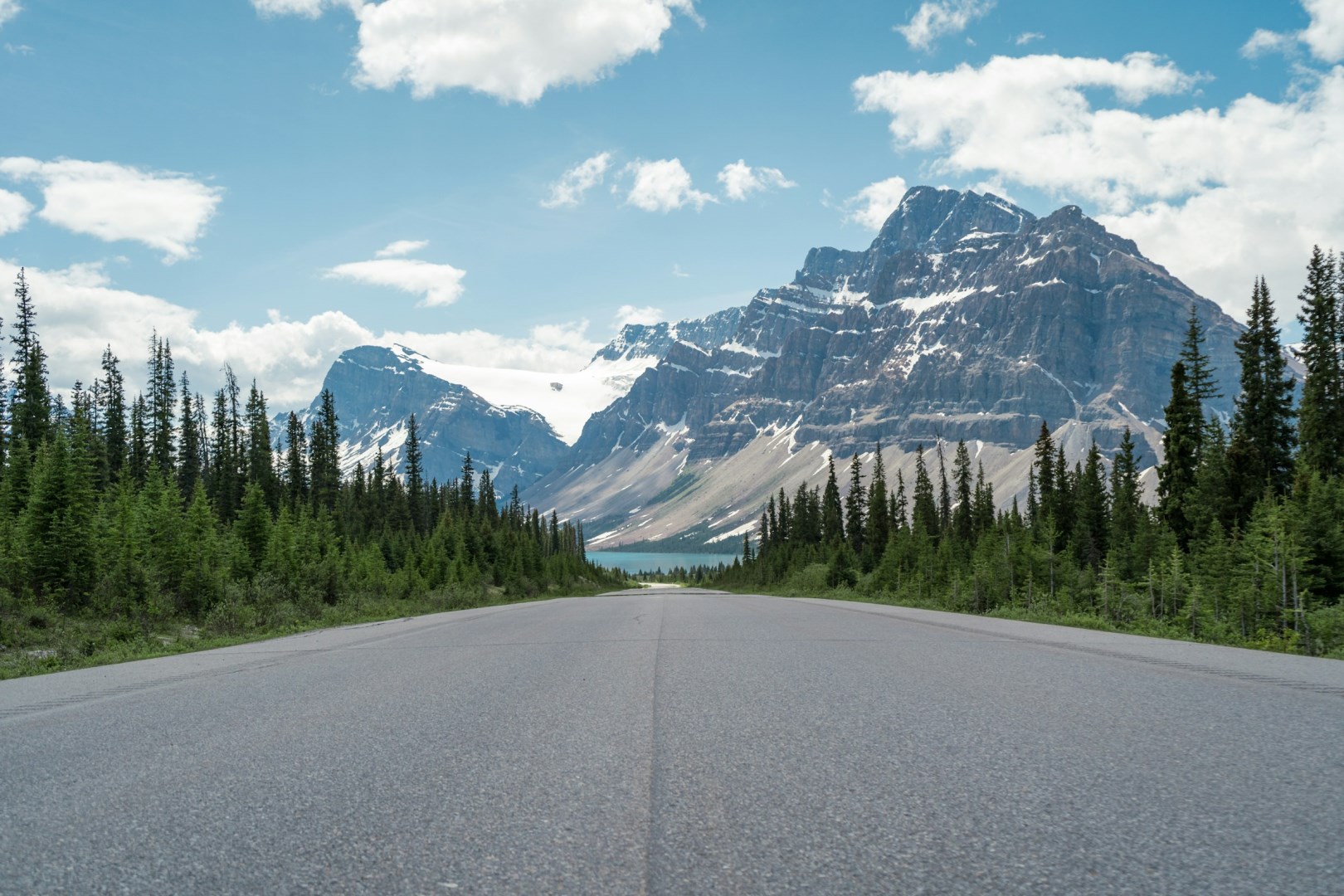
The Icefields Parkway is a scenic mountain highway connecting Lake Louise and Jasper through the Canadian Rockies of Alberta. The route follows valleys between rugged peaks, passing glaciers, turquoise lakes, alpine meadows, forests, and major river headwaters. It crosses the Continental Divide and runs through both Banff and Jasper national parks, forming part of a UNESCO World Heritage landscape.
Fethiye
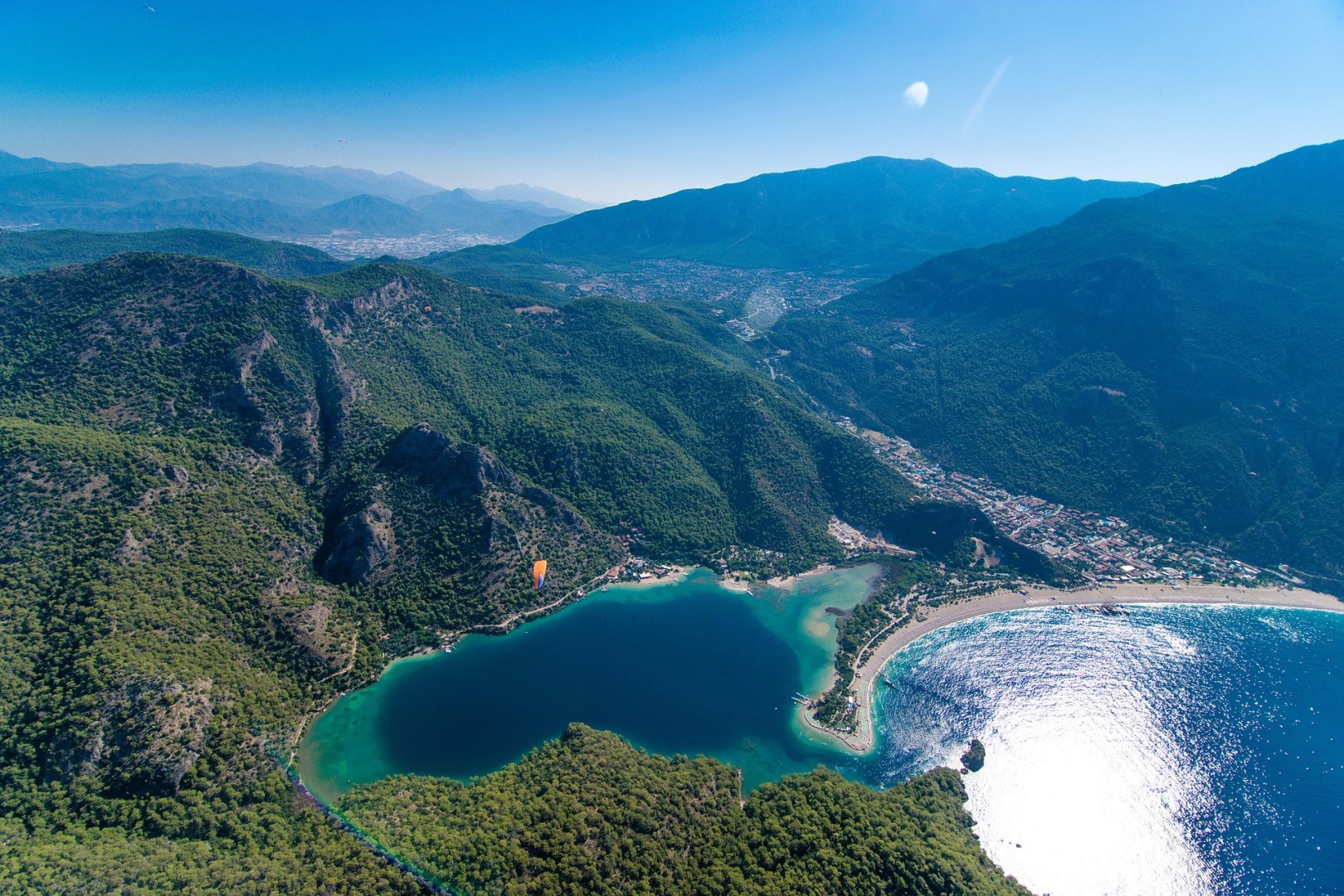
The popular resort Fethiye boasts an imortant marina at the head of a beautiful bay strewn with islands. A hill crowned by teh ruins of the crusader fortress built by the Knights of Rhodes overlooks the little port.