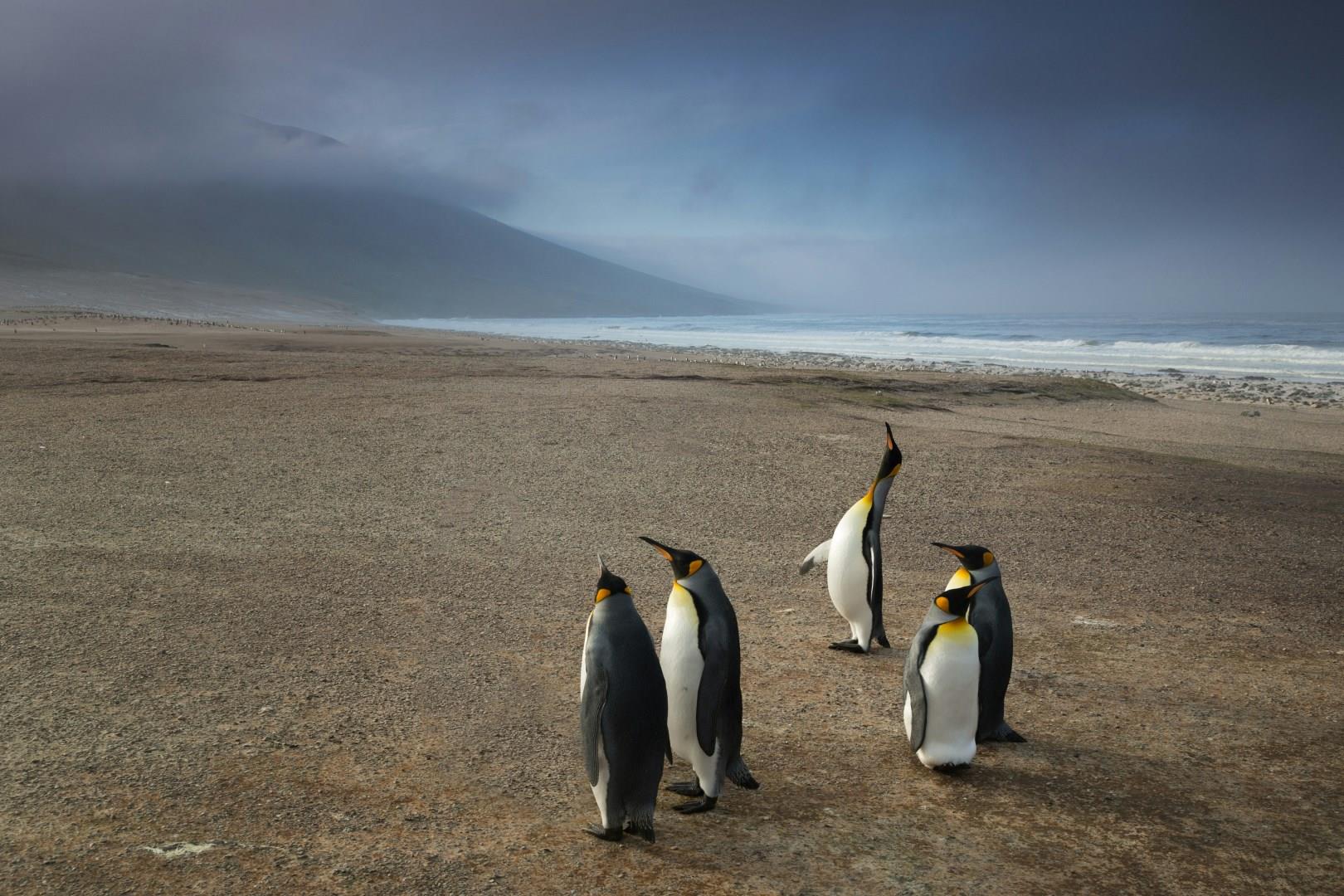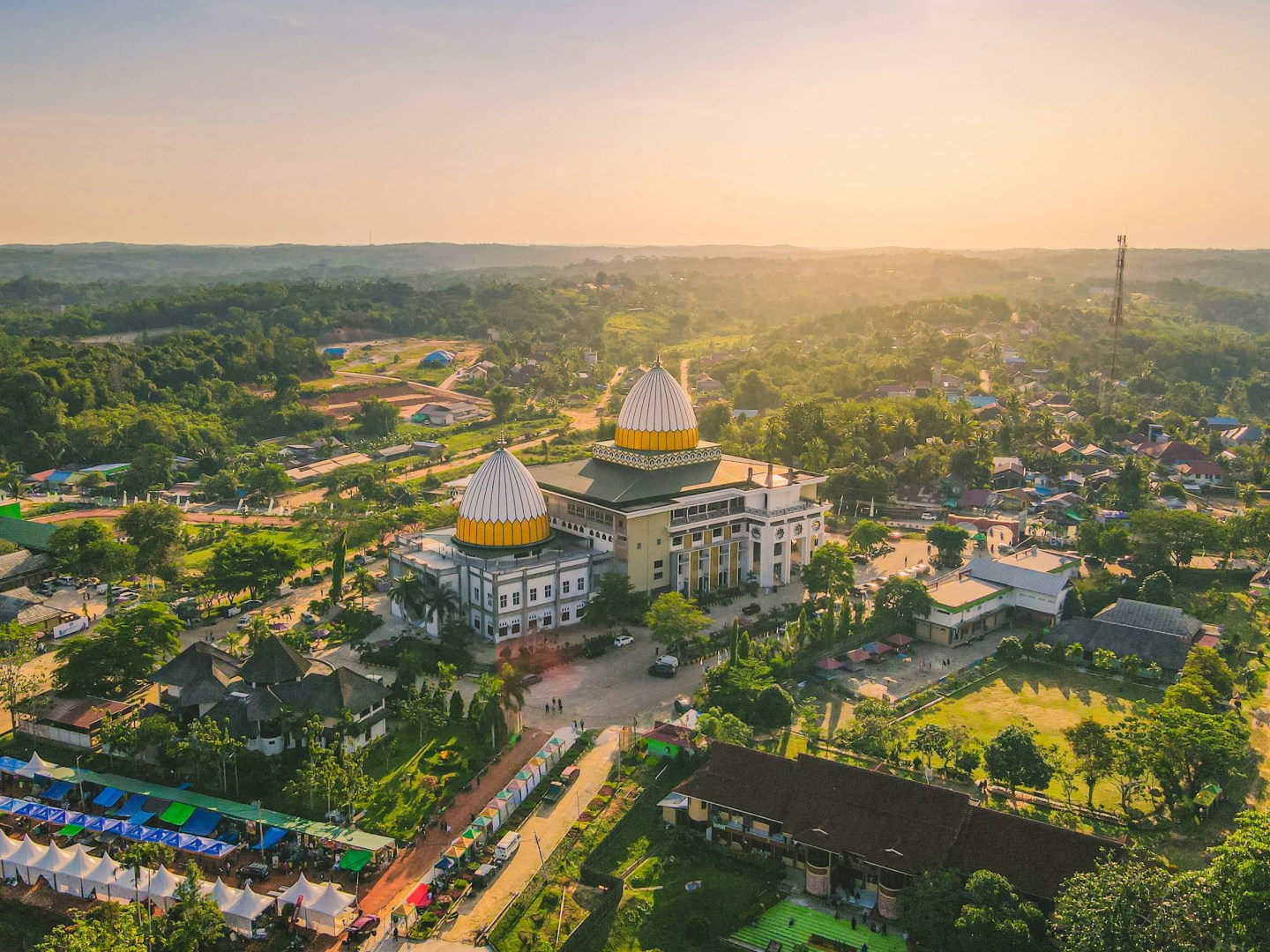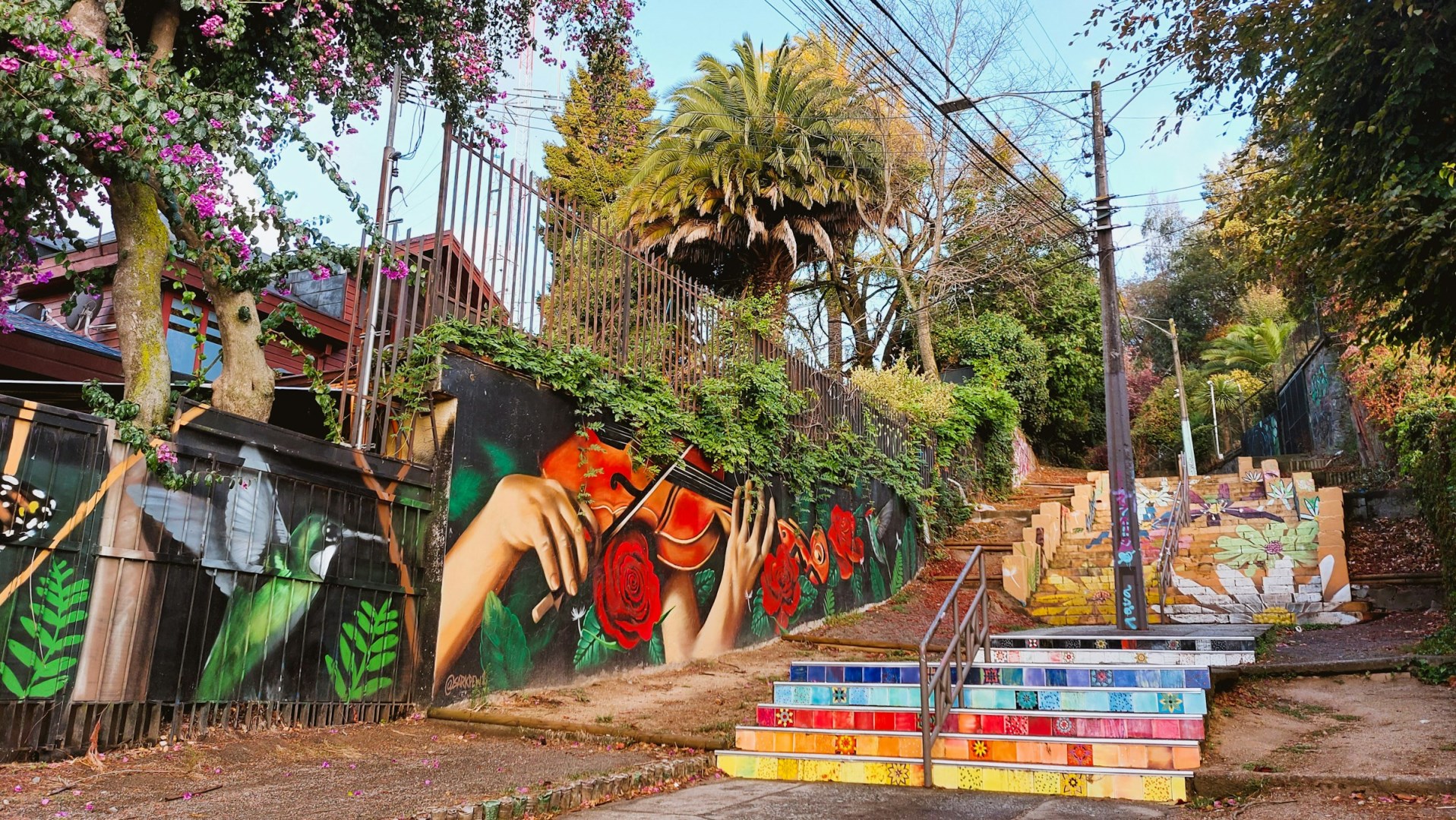
Monument Valley, a majestic expanse on the Arizona-Utah border, is one of the most iconic landscapes of the American Southwest. Renowned for its towering red sandstone buttes and mesas that rise dramatically from the desert floor, this breathtaking site evokes the spirit of the Old West. Often depicted in classic Western films, the valley is best experienced along the 17-mile scenic drive that winds through Monument Valley Navajo Tribal Park, offering close-up views of famed formations like the
Chuuk, one of the four states of the Federated States of Micronesia, is best known for its vast lagoon which is one of the largest enclosed lagoons in the world. But what sets Chuuk apart is what lies beneath those calm blue waters: an entire underwater fleet of sunken warships, aircraft, and submarines left from World War II. Often called the "Ghost Fleet of Truk Lagoon," these wrecks make Chuuk a global destination for experienced divers.
Algiers, Algeria’s capital, is a city where centuries of history unfold along the shores of the Mediterranean. Known as “El Bahdja,” or “The Joyful,” Algiers blends striking buildings, seaside breezes, and layered stories. One of its most iconic landmarks is the Casbah, a UNESCO World Heritage site with maze-like alleyways, Ottoman-era palaces, and hidden terraces overlooking the bay. The Grand Post Office, with its striking facade and intricate neo-Moorish details, anchors the city’s downtown.
Burgos, located in northern Spain, is a city where medieval heritage is still part of daily life. At its heart stands the Burgos Cathedral, a UNESCO World Heritage Site and one of the most striking examples of Gothic architecture in Europe. Construction began in 1221 and continued for over 300 years, resulting in a cathedral that features elaborate spires, stained glass, and the tomb of El Cid, Spain’s legendary military leader.
Brest sits at the western edge of Brittany, facing the Atlantic and shaped by its role as a strategic naval port. Much of the city was rebuilt after World War II, giving it a modern layout that contrasts with older Breton towns, yet its history remains closely tied to the sea.
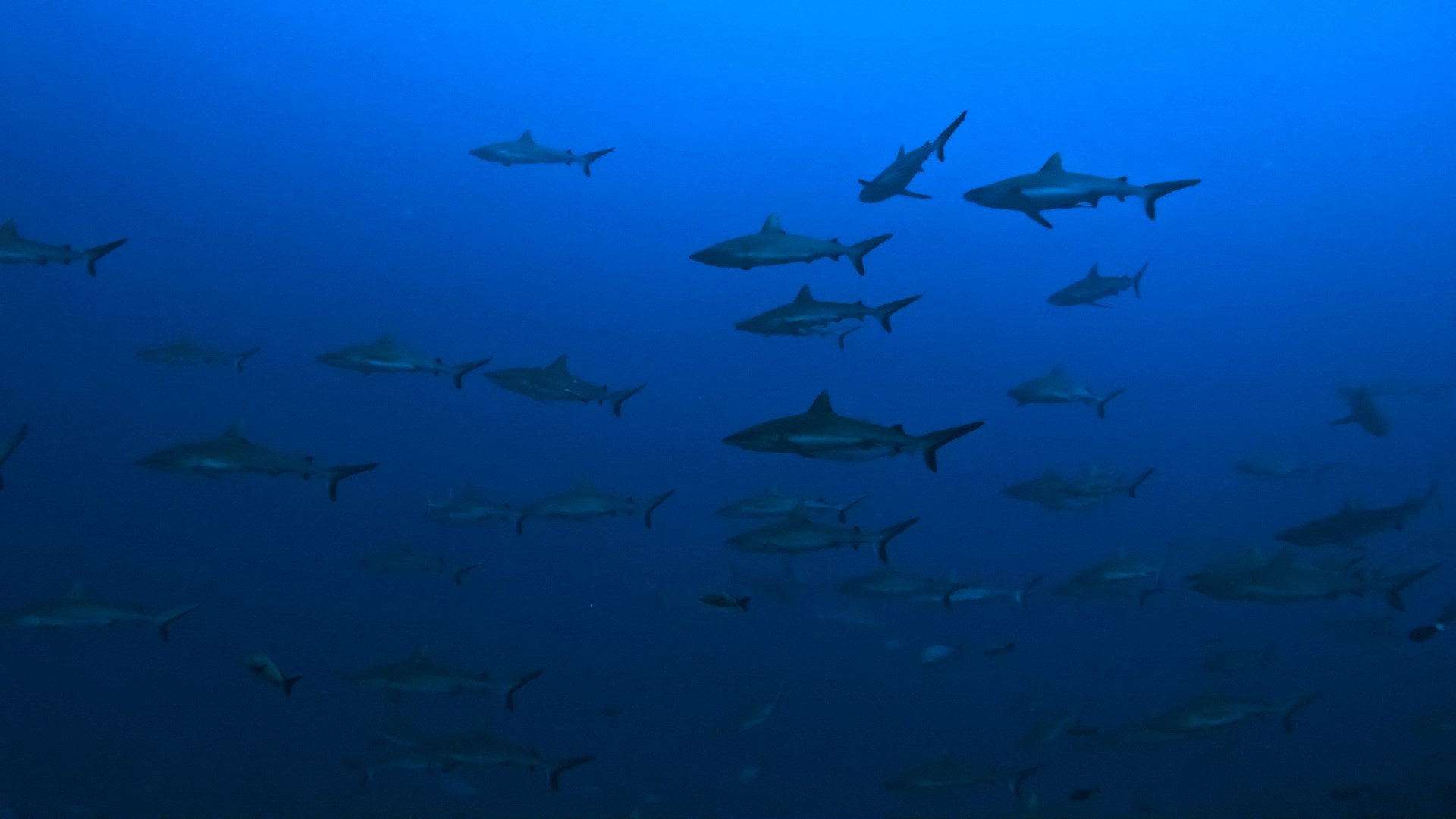
Fakarava, a hidden paradise in French Polynesia, is an ideal destination for those seeking unspoiled natural beauty and adventure. This atoll, part of the Tuamotu Archipelago, is known for its pristine coral reefs and crystal-clear lagoons. Divers from around the world flock to Fakarava to explore the rich underwater ecosystems, especially at the famous Garuae Pass, where you can encounter hundreds of grey reef sharks, manta rays, and vibrant marine life in an awe-inspiring spectacle.
Beyond its underwater wonders, Fakarava offers a glimpse into authentic Polynesian culture. The village of Rotoava, located on the northern edge of the atoll, is the largest settlement and a hub of local life. Here, visitors can explore traditional pearl farms, visit the historic Tetamanu village, home to one of the oldest coral churches in the region, and experience the warm hospitality of the local population. The island’s pink sand beaches provide a serene setting for relaxation, where you can unwind to the sound of gentle waves lapping the shore.
A fun fact about Fakarava is that it is home to the "Wall of Sharks," a natural phenomenon where thousands of grey reef sharks gather during the mating season. This unique event is a must-see for diving enthusiasts, offering a thrilling and unforgettable experience in one of the world’s most extraordinary marine environments .