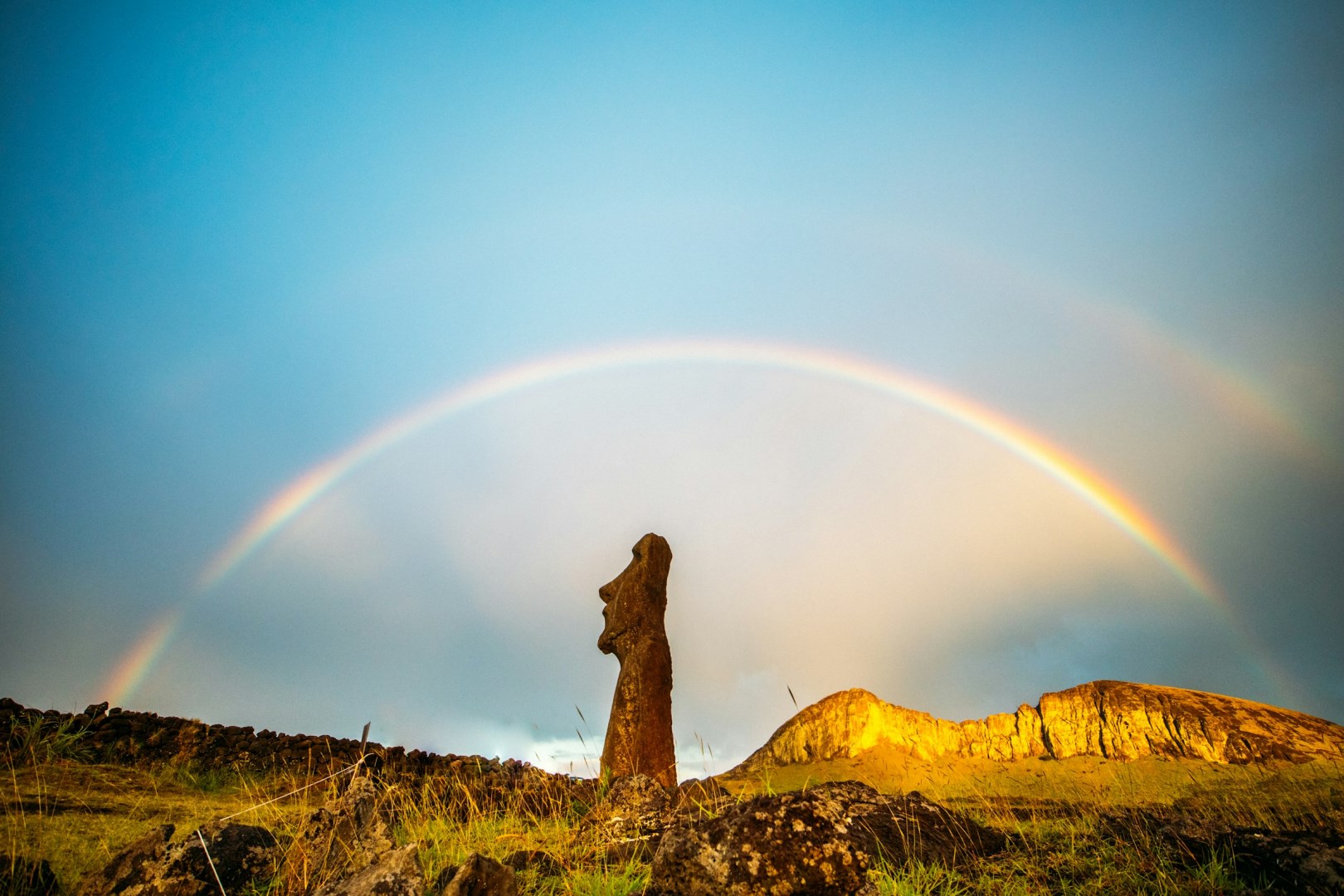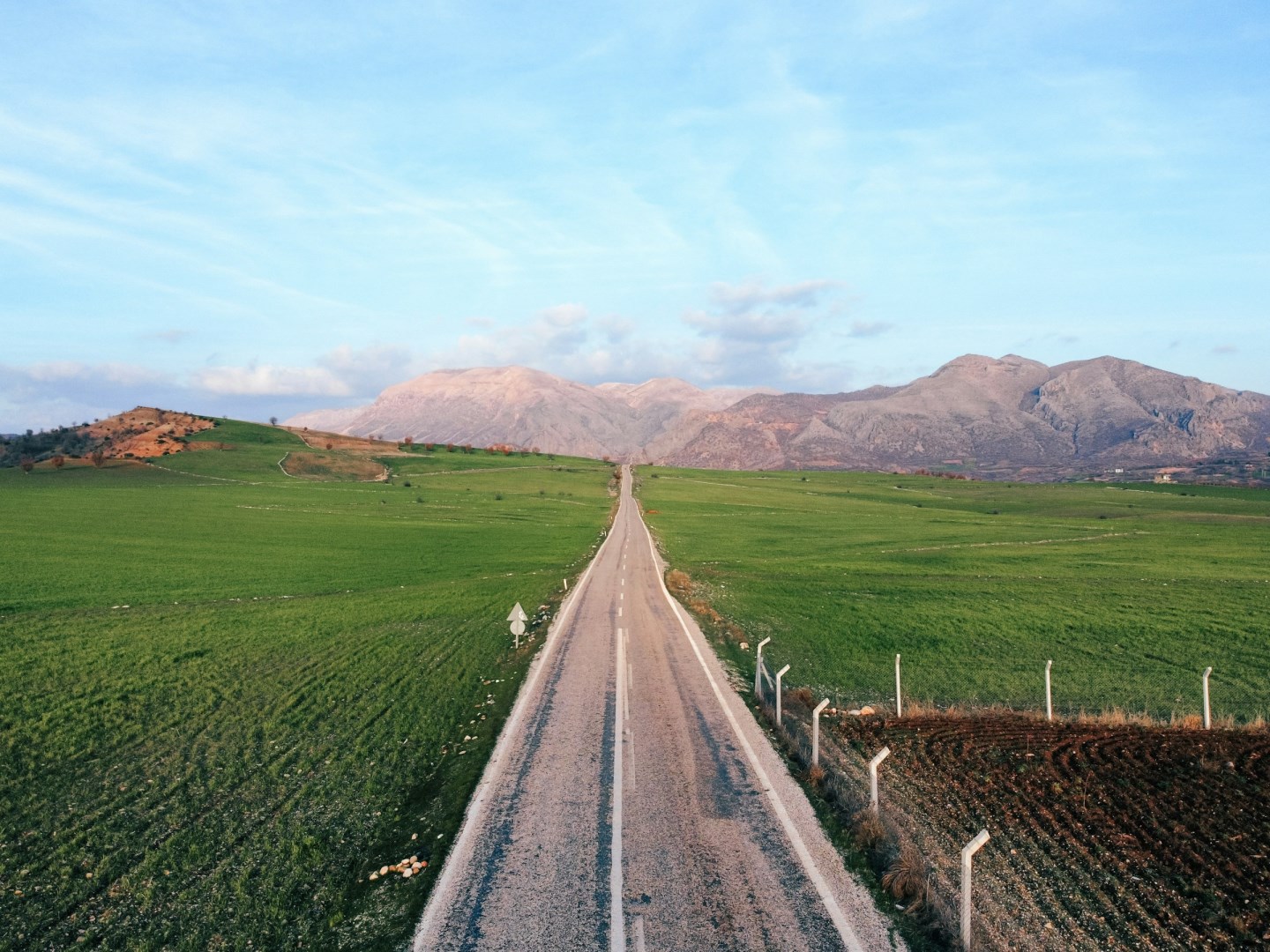
Adiyaman
Adiyaman makes a good base from which to visit Nemrut Dagi National Park. On the summit of Nemrut Daagi (Mount Nemrut), at an altitude of 2,150 meters- the highest mountain in northern mesopotamia - sits the gigantic funerary sunctuary erected in the first century B.C. by King Antiochos I of Commagene. The engineering involved in creating the artificial tumulus- flanked by terraces on which rest the colossal statues of Apollo, Zeus, Heracles, Tyche and Antiochus - continue to amaze visitors.

Lambaréné
Lambaréné is a riverside town in west-central Gabon, serving as the capital of Moyen-Ogooué Province.
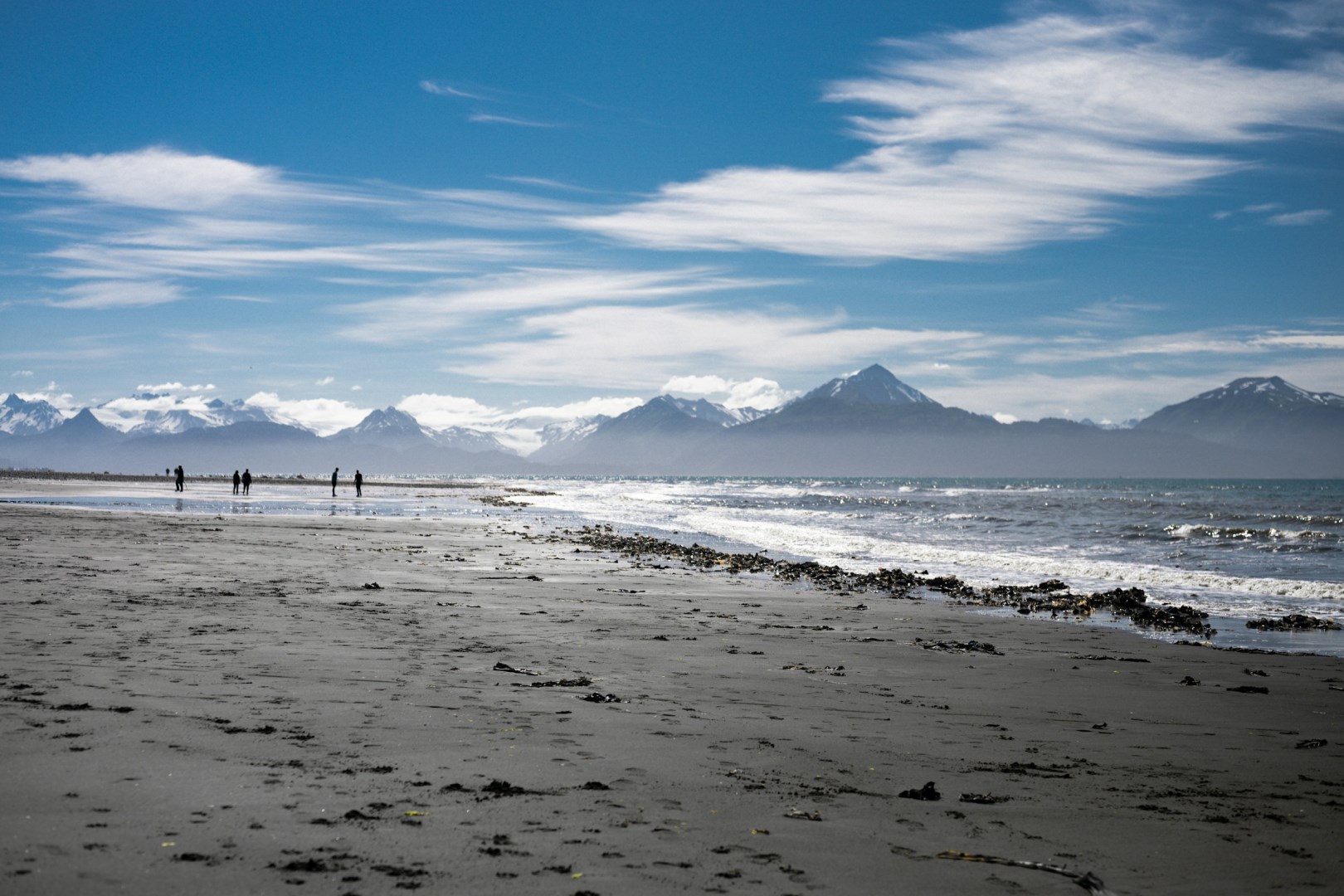
Homer
Homer, Alaska, sits at the end of the Kenai Peninsula and is often called the “end of the road,” where dramatic landscapes meet a vibrant small-town spirit. Overlooking Kachemak Bay, the town is framed by snowcapped mountains, glaciers, and a striking spit of land that juts four miles into the sea.
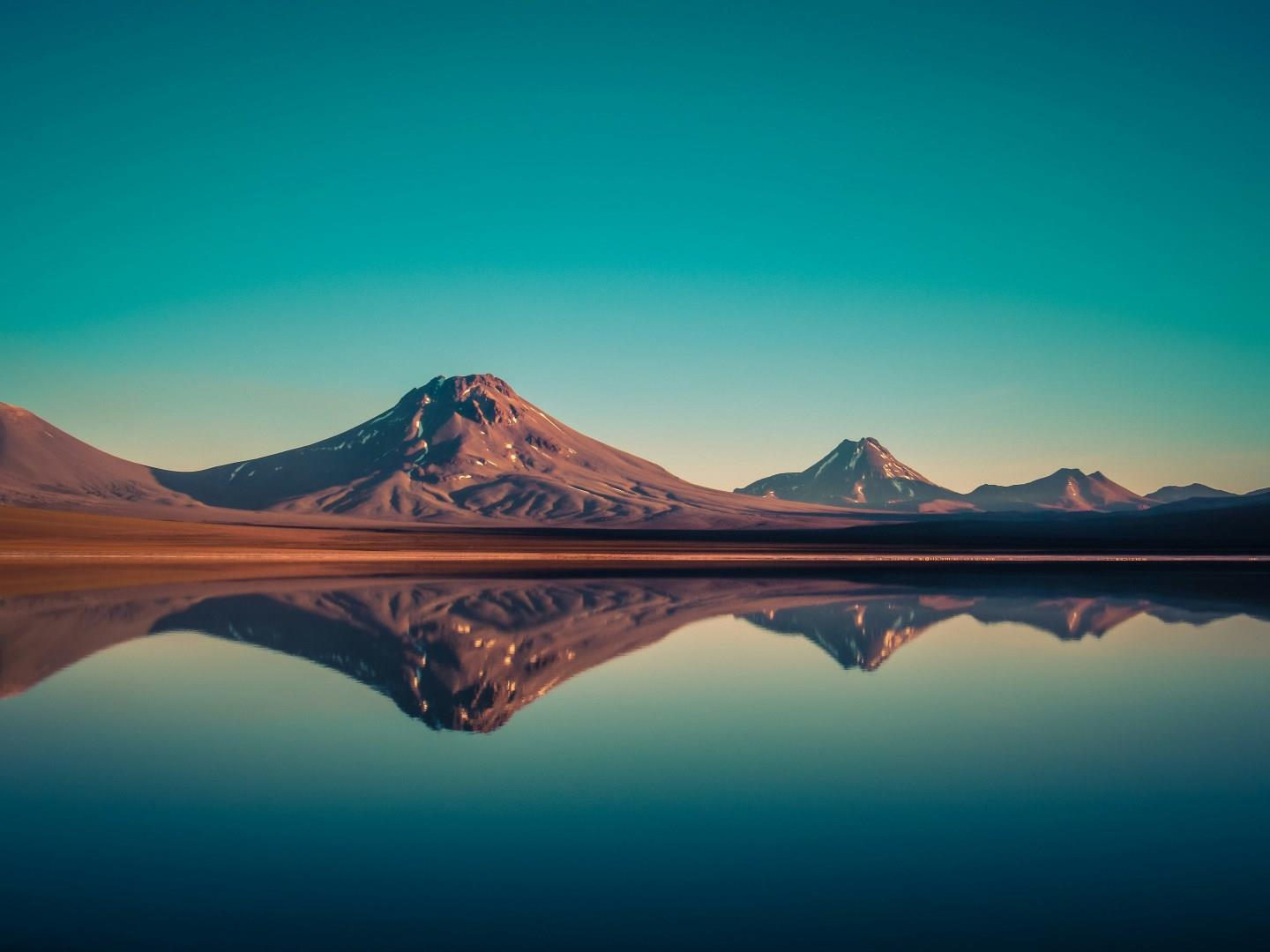
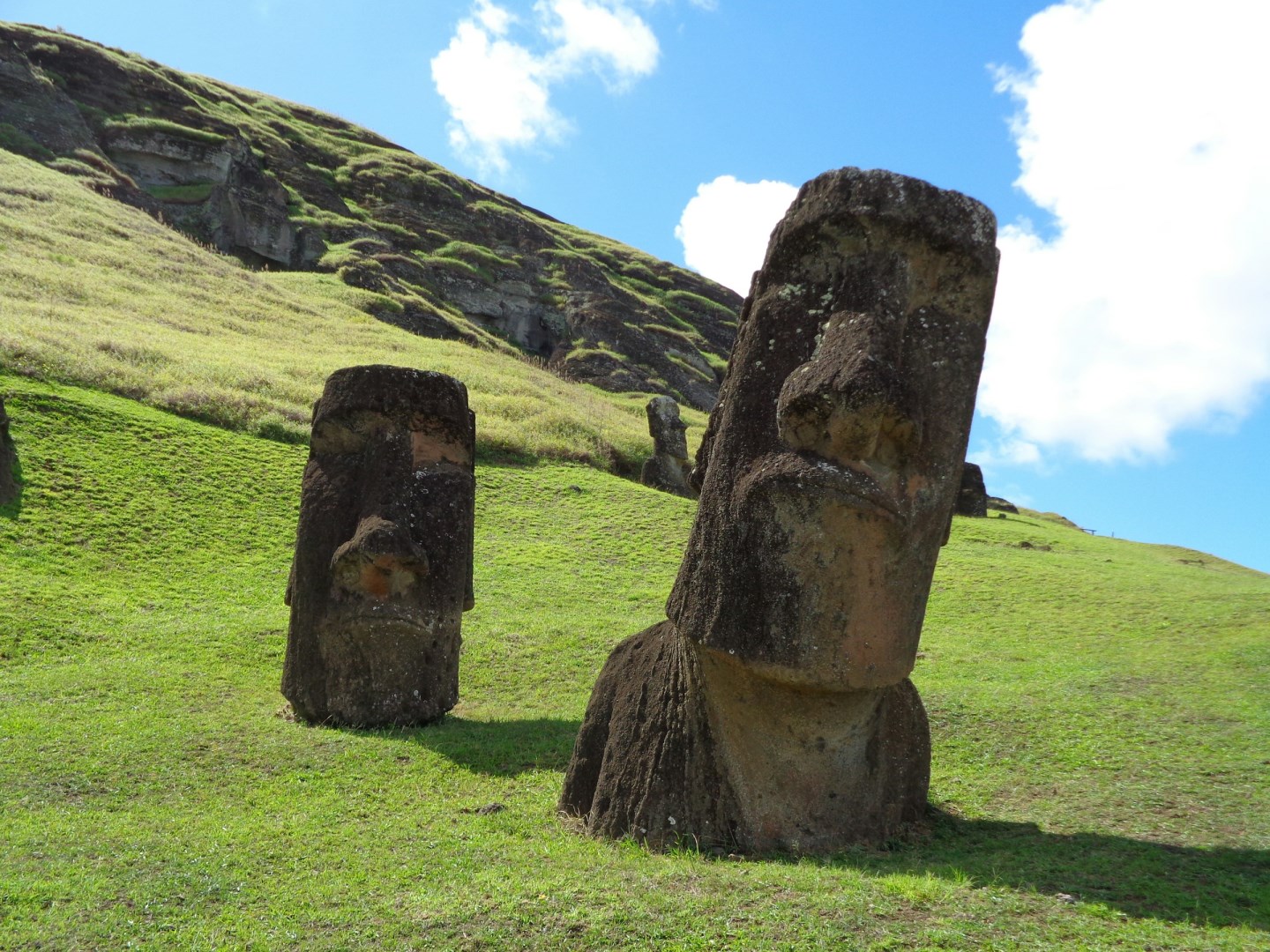
San Pedro De Atacama
San Pedro de Atacama, a small town in northern Chile, sits at over 2,400 meters above sea level in one of the most geologically diverse areas on Earth. Surrounded by volcanoes, salt flats, geysers, and ancient lava flows, it has long served as a gateway to the Atacama Desert. This desert is the driest non-polar place in the world, where some weather stations have never recorded rainfall.
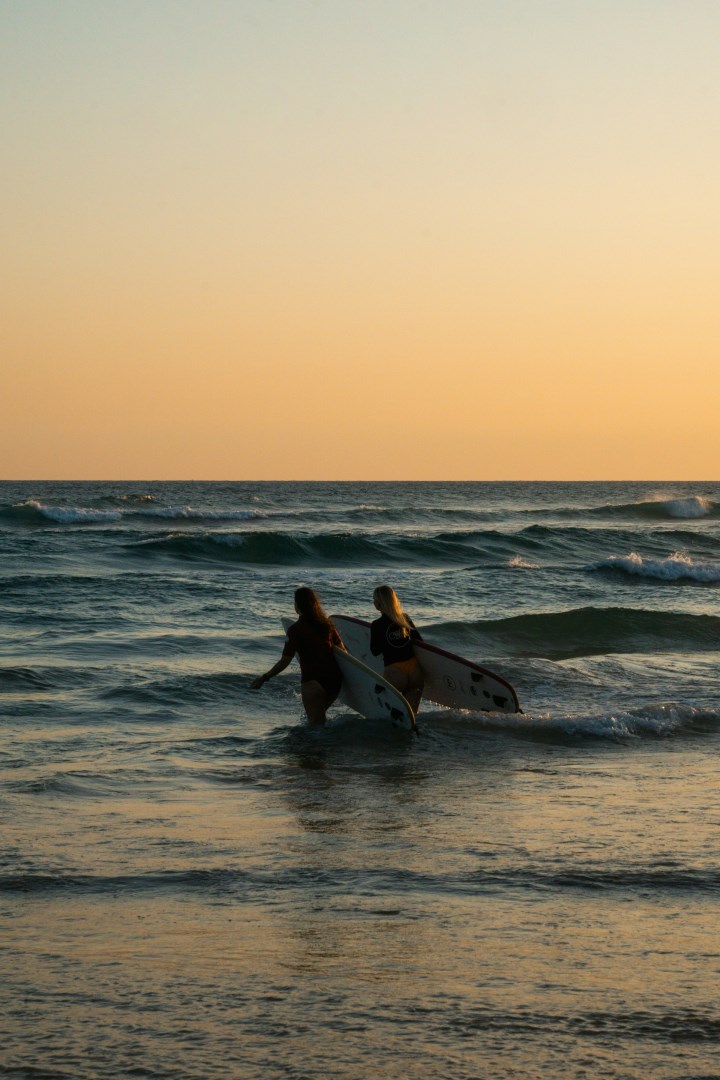
Ahangama
Ahangama is a coastal town in Sri Lanka’s Southern Province, situated between Galle and Weligama along a shoreline of sandy bays, rocky reefs, and coconut palms. The town has traditionally been connected with fishing, while surfing has become an important part of its modern identity. Kabalana Beach is one of the area’s best-known surf locations, with reef breaks attracting experienced surfers as well as surf schools catering to learners.