
Amalfi, Italy, is a gem nestled along the world-famous Amalfi Coast, where dramatic cliffs meet the shimmering Mediterranean Sea. This enchanting town, once a powerful maritime republic, is now a beloved destination for those seeking a blend of history, culture, and breathtaking natural beauty. The heart of Amalfi is its bustling Piazza del Duomo, dominated by the stunning Amalfi Cathedral.
The Cayman Islands, a trio of tropical gems in the western Caribbean, are renowned for their crystalline waters, coral reefs, and relaxed island lifestyle. Grand Cayman, the largest, is home to the famous Seven Mile Beach, a stretch of soft white sand fringed by turquoise seas.
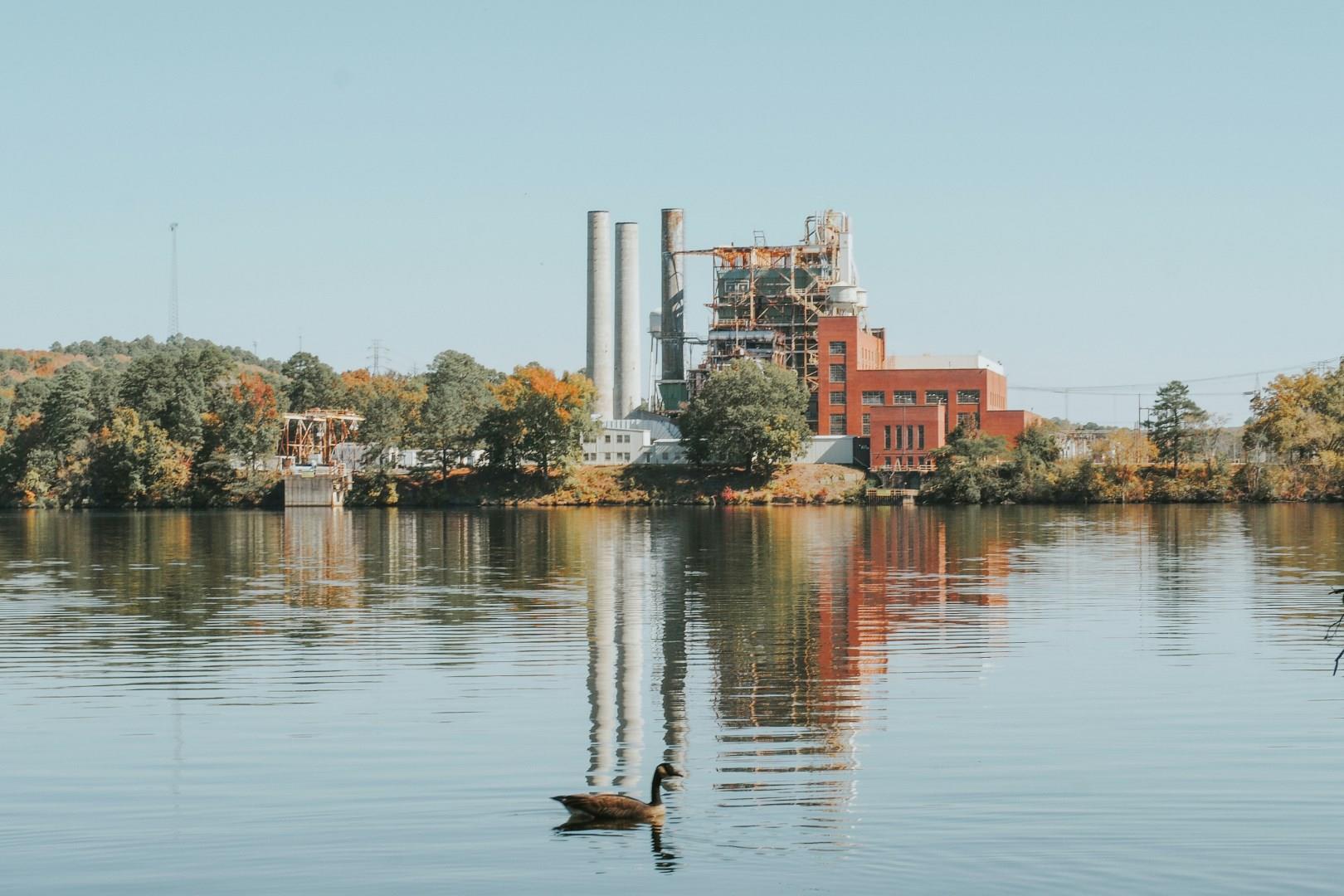
Hot Springs, Arkansas has been drawing visitors for centuries, and it all starts with the water. The city sits atop a natural thermal spring system that produces nearly a million gallons of 143-degree water each day. These springs gave rise to Bathhouse Row, a stretch of eight historic bathhouses within Hot Springs National Park. Some, like the Fordyce Bathhouse, now serve as museums, while others still offer traditional thermal soaks.
Easter Island, or Rapa Nui, is a remote gem in the southeastern Pacific Ocean that promises an extraordinary journey into the mysteries of Polynesian culture and history. Famous for its monumental stone statues known as moai, Easter Island captivates visitors with its enigmatic past. These colossal statues, crafted between 1400 and 1650 AD, are scattered across the island and are a testament to the islanders' sophisticated artistry and social organization. The moai can be explored at various archaeological sites, such as Rano Raraku, the quarry where these statues were carved, and Ahu Tongariki, which boasts the island’s largest moai platform with 15 statues.
The island’s rich cultural heritage is also on display at the Rapa Nui National Park, a UNESCO World Heritage Site that encompasses most of the island’s archaeological treasures. Visitors can delve into the island's history at the Museo Antropológico Sebastián Englert, which houses artifacts and exhibits on the island's unique Polynesian culture and the history of the moai statues. The island’s traditional dance and music performances offer an immersive experience into the local customs and traditions, with vibrant, rhythmic performances that bring the island’s cultural tapestry to life.
Natural beauty complements the historical allure of Easter Island. The island features stunning landscapes, including the volcanic craters of Rano Kau and the lush scenery of the island’s interior. The beaches of Anakena, with their white sand and turquoise waters, provide a perfect spot for relaxation and swimming. Hiking enthusiasts can enjoy trails leading to panoramic views from the island’s volcanic peaks or explore hidden caves and lava tubes.
Fun fact: Easter Island is one of the most remote inhabited islands in the world, situated over 2,000 miles (3,200 kilometers) from the nearest continental landmass, making it a true journey to the edge of the world.