
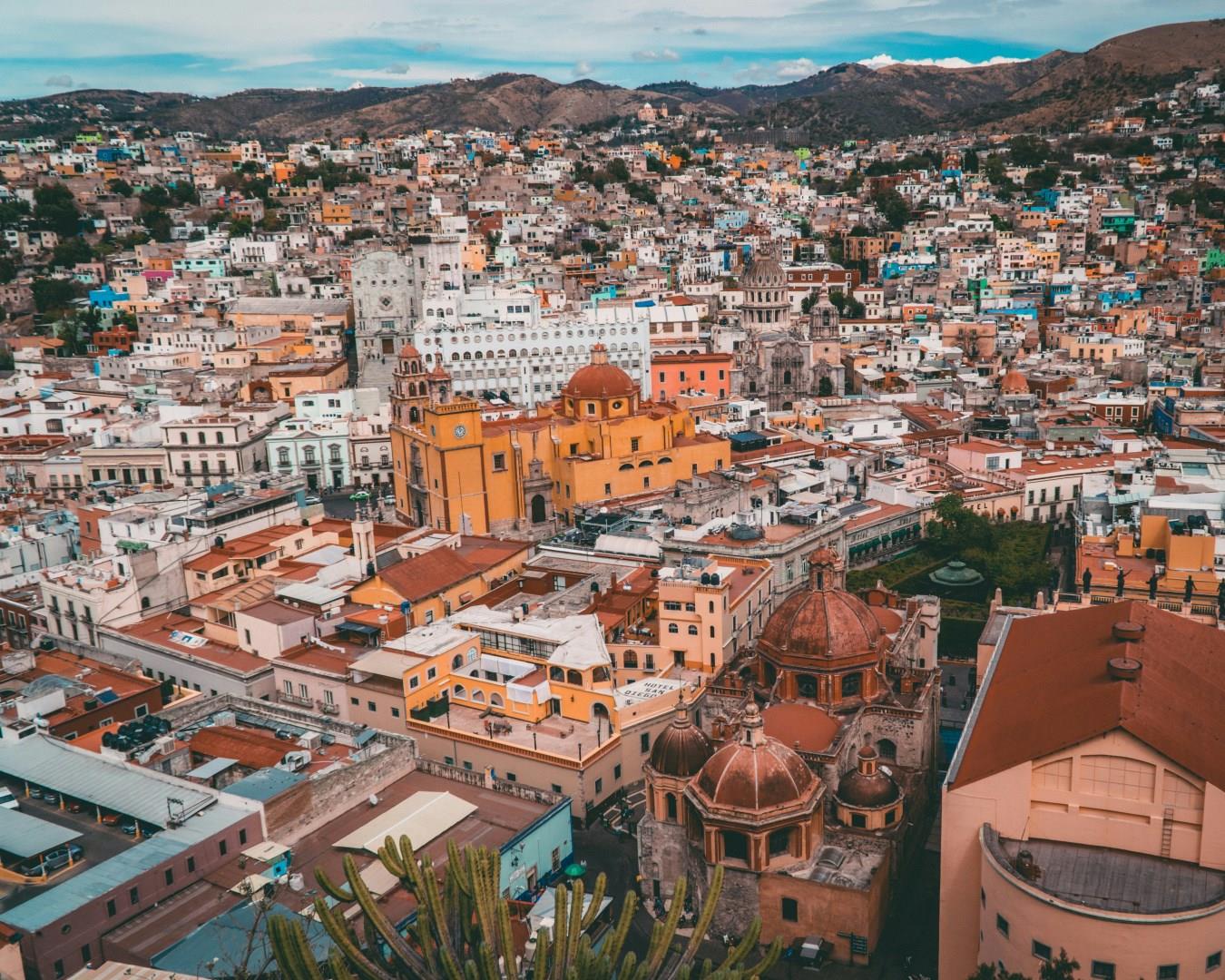
Guanajuato, a UNESCO World Heritage City nestled in the mountains of central Mexico, is a place where history is built into every hillside alley and underground tunnel. Today, visitors can still tour La Valenciana Mine, where centuries-old tunnels and original mining equipment offer a glimpse into the city's wealth-driven past. The nearby Templo de San Cayetano, built by mine owners in the mid-1700s, is a stunning example of baroque design, lined with gilded altars and intricate woodwork.
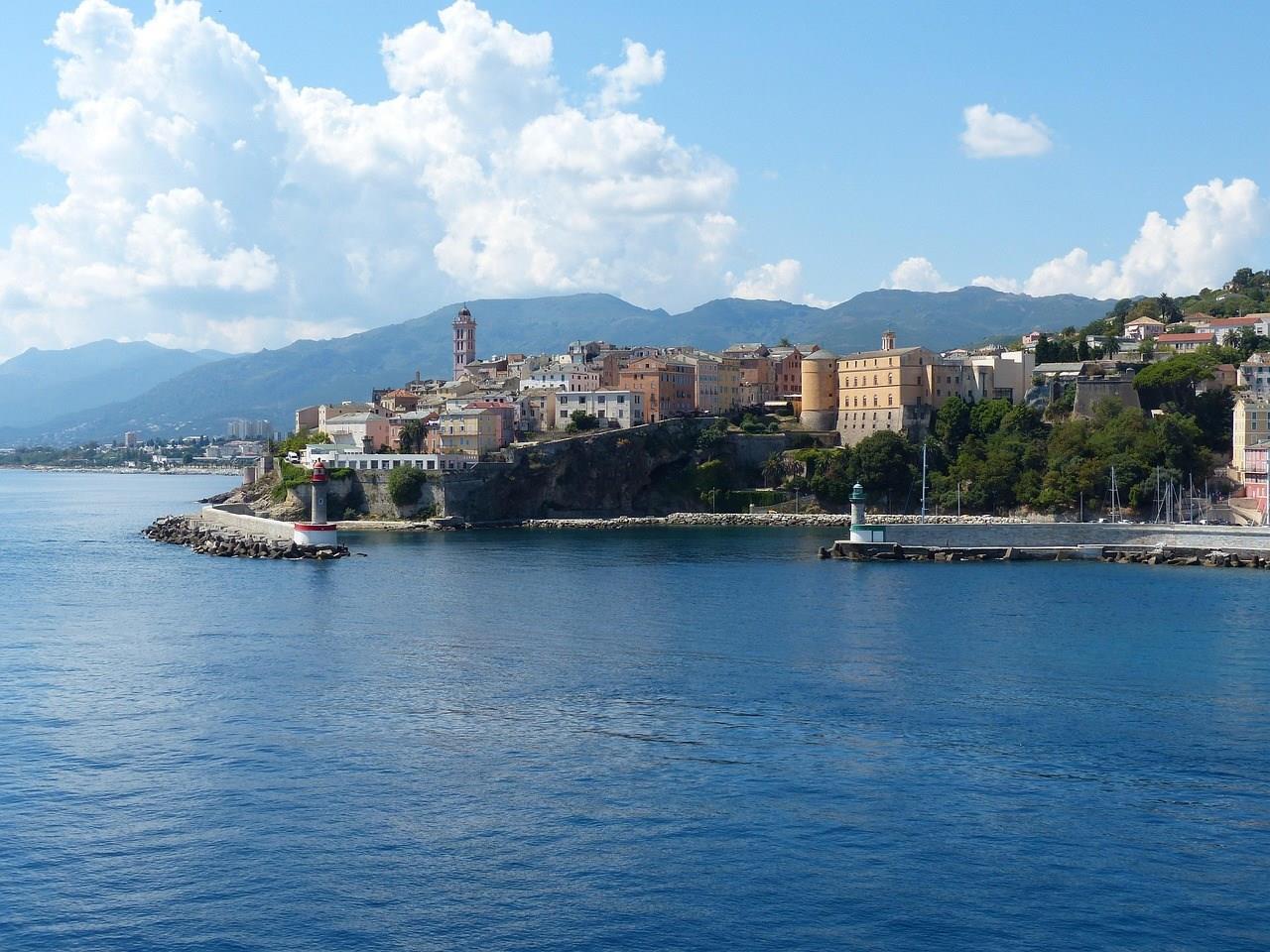
Bastia, located on the northeastern coast of Corsica, is a city where coastal scenery and centuries of history meet at every turn. Overlooking the Tyrrhenian Sea, it serves as the island’s main port and a lively gateway for travelers arriving by ferry. Its old harbor, Vieux Port, is a highlight lined with tall, weathered houses in soft, faded colors, fishing boats bobbing in the water, and waterfront cafés that capture the steady rhythm of local life.
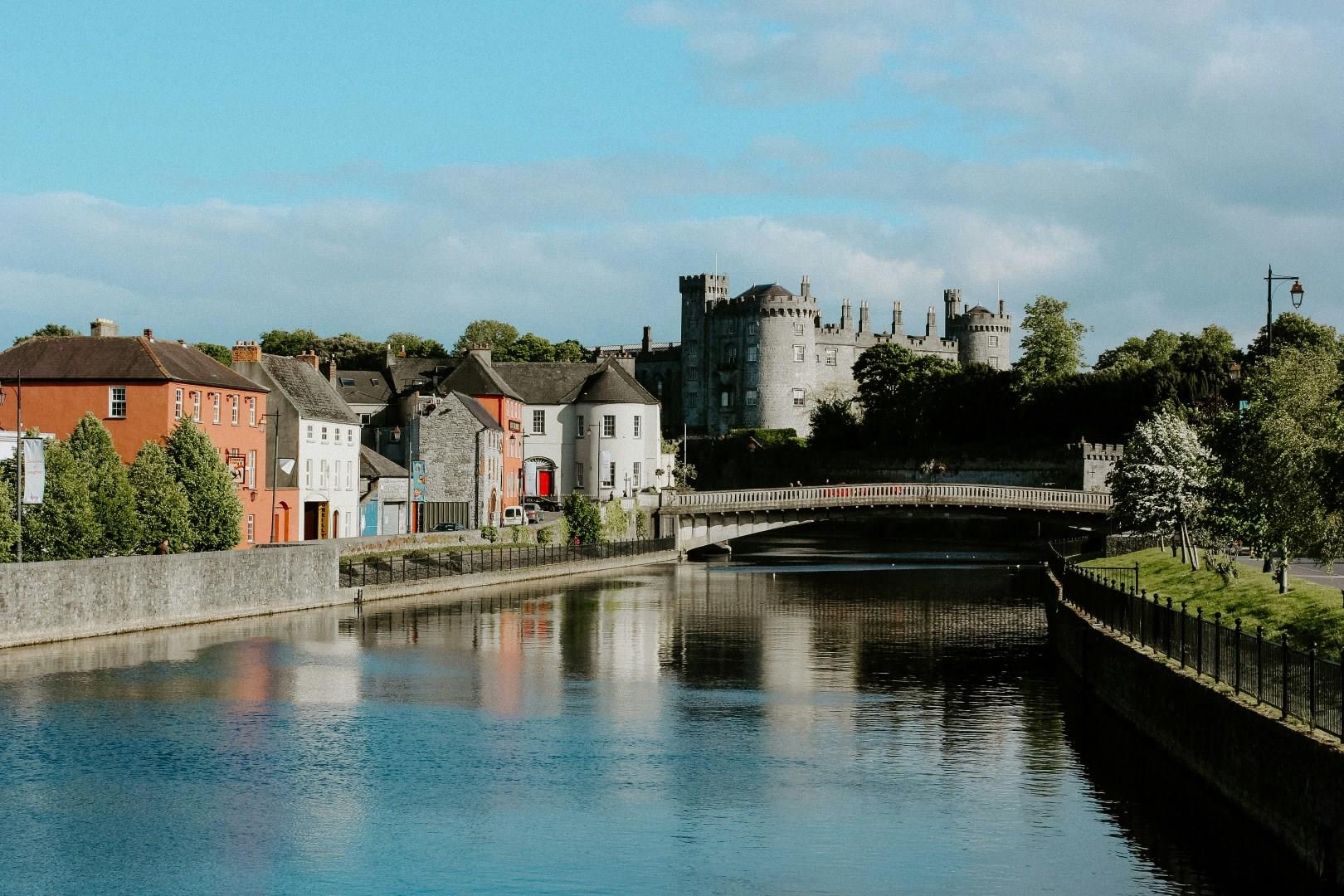
Kilkenny is a city where history sits beside everyday life, and stories from centuries past shape the streets visitors walk today. At its heart stands Kilkenny Castle, first built in the 12th century and home to the Butler family for more than 600 years. From here, the Medieval Mile creates a natural path through the city, linking key sites such as St. Canice’s Cathedral. Its round tower, one of the few in Ireland still open to climb, rewards visitors with wide views across the rooftops.
Brussels, the vibrant capital of Belgium, offers a perfect blend of medieval charm and modern sophistication. At its heart lies the iconic Grand Place, a UNESCO World Heritage Site known for its stunning Gothic and Baroque guildhalls.
Manzanillo, located on Mexico’s Pacific coast, is a port city known for its beautiful beaches, excellent seafood, and world-class fishing. It is one of the country’s busiest ports, and is often called the "Sailfish Capital of the World."
Dutch Harbor, Alaska, located on Unalaska Island in the Aleutian chain, is a remote yet captivating destination that offers a unique blend of natural beauty, rich history, and vibrant culture. As the epicenter of the U.S. commercial fishing industry, Dutch Harbor is famous for its bustling harbor, where you can witness the impressive fleet of crab boats featured in the popular television show "Deadliest Catch". The sight of these rugged vessels returning with their hauls against the backdrop of snow-capped mountains and icy waters is nothing short of breathtaking.
History buffs will find Dutch Harbor's role in World War II particularly intriguing. The area was one of the few sites in North America that saw direct combat during the war, with the Japanese bombing of Dutch Harbor in 1942 leaving a lasting impact. Visitors can explore the remnants of this past at the Aleutian World War II National Historic Area, which includes bunkers, gun emplacements, and a museum that offers a poignant look at the region's wartime history. The Museum of the Aleutians also provides insight into the indigenous Unangan (Aleut) people, whose culture has shaped the island for thousands of years.
Nature enthusiasts will be drawn to Dutch Harbor for its incredible wildlife and rugged landscapes. The surrounding waters are teeming with marine life, making it a prime spot for whale watching, sea kayaking, and fishing. Bird watchers will be thrilled by the chance to see a variety of seabirds, including the iconic bald eagle, which is abundant in the area. For those who enjoy hiking, the island's trails offer stunning views of volcanic peaks, rolling tundra, and wildflower-filled meadows.
Fun fact: Dutch Harbor is the largest fishing port in the United States by volume, consistently ranking first in the nation for seafood landings, primarily due to its lucrative king crab and pollock fisheries. This makes it not only a vital part of Alaska's economy but also a fascinating place to witness the scale and intensity of commercial fishing operations up close .