

Peru
Peru is a country that tells its story through stone, soil, and flavor. From the ancient Inca citadel of Machu Picchu to the bustling food markets of Lima, every region reveals a different chapter of its heritage. One of the country’s most iconic sites, Machu Picchu, continues to draw visitors from around the world to see its stone terraces and cloud-kissed scenery, as well as the sense of wonder that accompanies the journey there.

Seoul
Seoul, the capital of South Korea, is a city where history and modernity coexist. Ancient palaces like Gyeongbokgung and Changdeokgung stand amid skyscrapers and contemporary architecture, offering a glimpse into the country’s rich heritage. The city’s neighborhoods, from Insadong’s traditional streets to Gangnam’s sleek districts, showcase its cultural and economic diversity.
Lilongwe
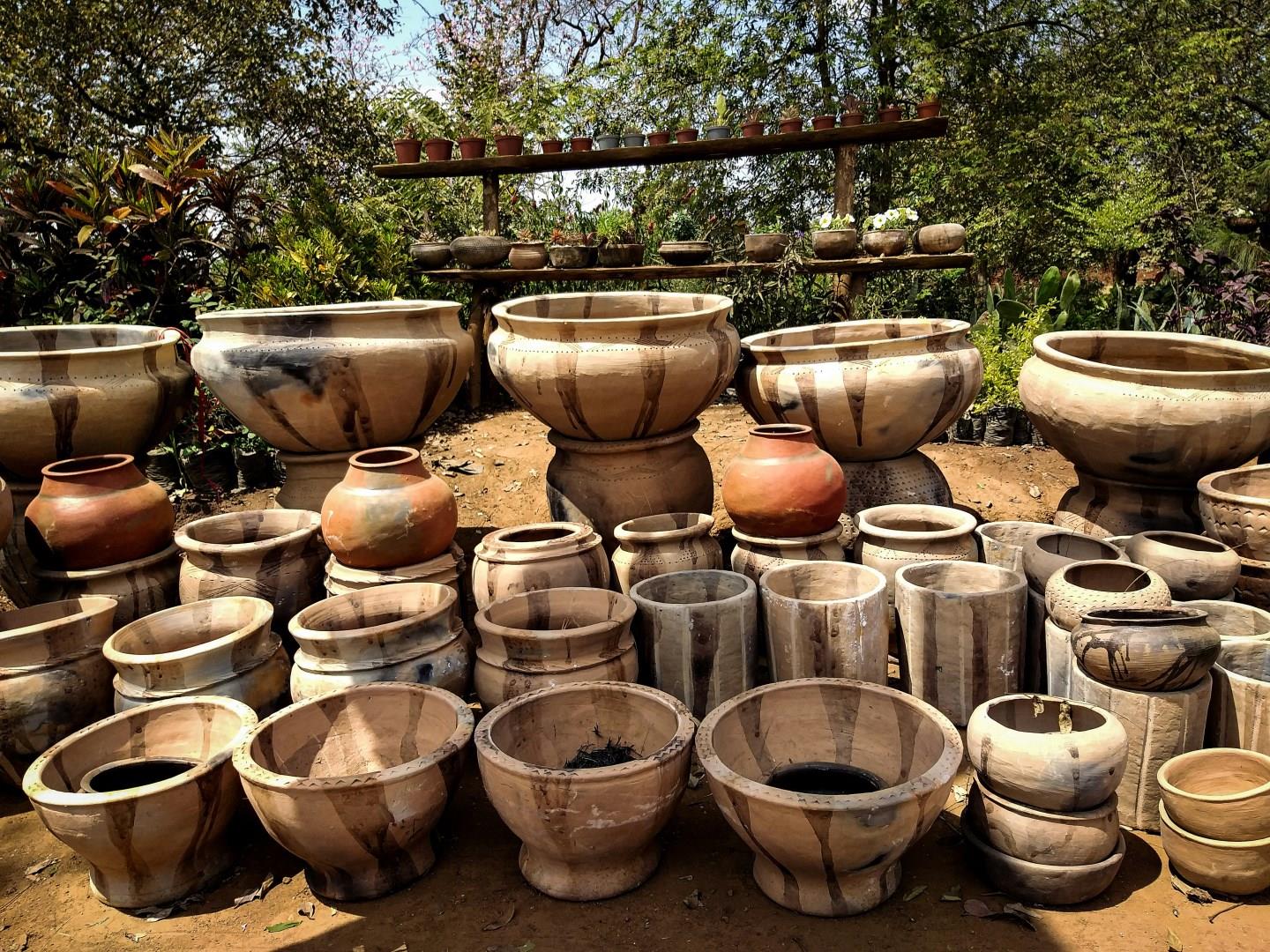
Lilongwe, the capital of Malawi, blends modern development with a laid-back atmosphere, offering visitors an introduction to the country’s culture and daily life. Markets are at the heart of Lilongwe’s character, with the bustling Old Town Market standing out as a must-visit. Here, traders sell everything from fresh produce and local crafts to colorful fabrics and handmade goods.
Spello
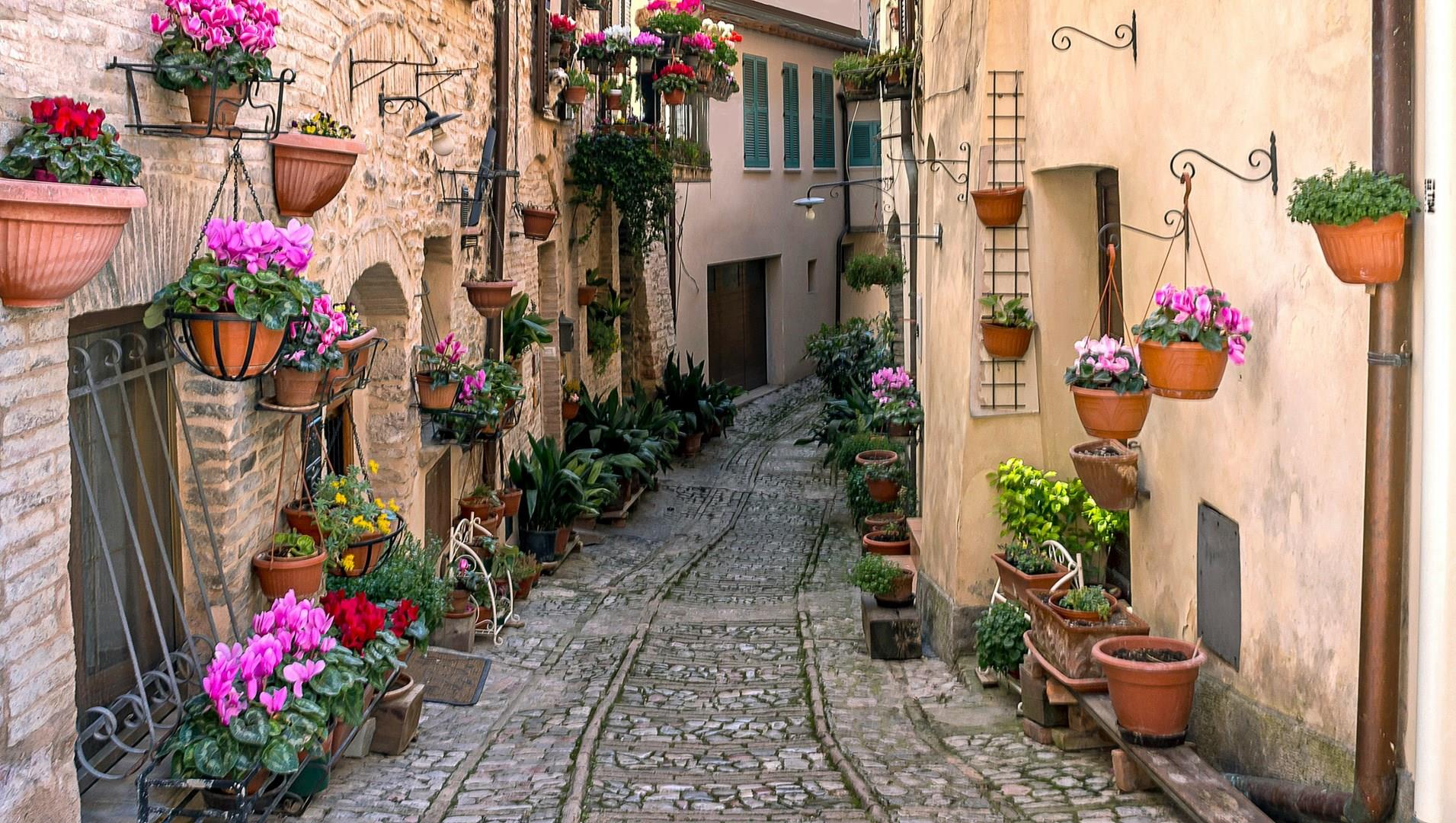
Spello sits high on the slopes of Mount Subasio in the heart of Umbria, where visitors step into a place shaped by centuries of history. Each year, Spello’s streets become a living canvas during the Infiorate di Spello, a long-standing celebration tied to Corpus Christi. Residents work through the night before the feast to lay flower petals along the town’s main thoroughfares, creating patterns and images that stretch for over a mile.

Bornholm
Bornholm, a picturesque Danish island in the Baltic Sea, offers a unique blend of natural beauty and cultural charm. Renowned for its rugged coastline and charming villages, Bornholm is a haven for outdoor enthusiasts. The island's northern coast is particularly famous for its dramatic cliffs and clear waters, perfect for hiking and cycling.


