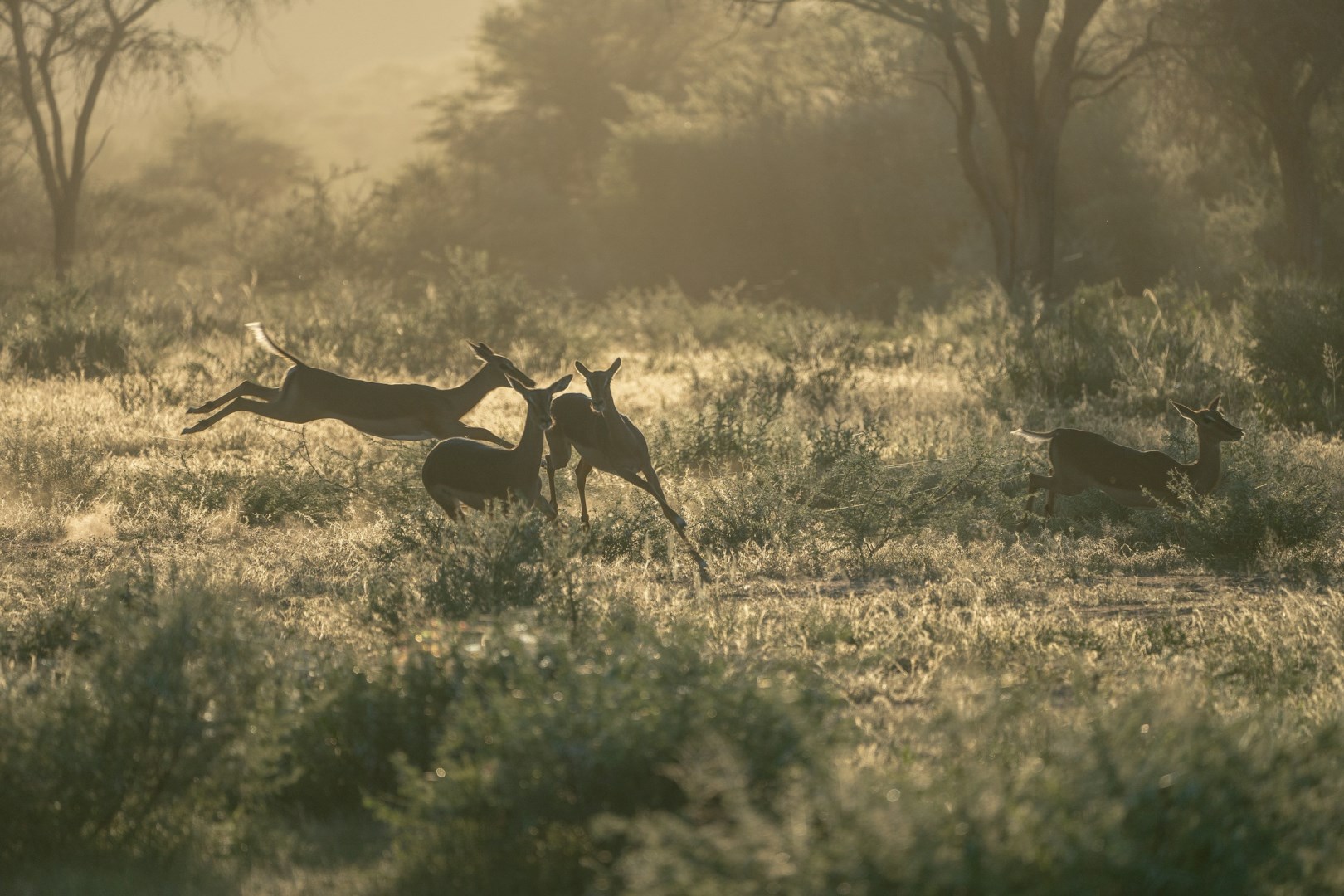
The United Arab Emirates rolls history and invention into a seamless experience. In Abu Dhabi, the Sheikh Zayed Grand Mosque stands out with its reflective pools, marble columns inlaid with floral patterns, and the world’s largest hand-knotted carpet beneath domes that glow by night. On Saadiyat Island, the Louvre Abu Dhabi shelters art that spans civilizations, all beneath a dome designed to scatter sunlight like palm fronds.
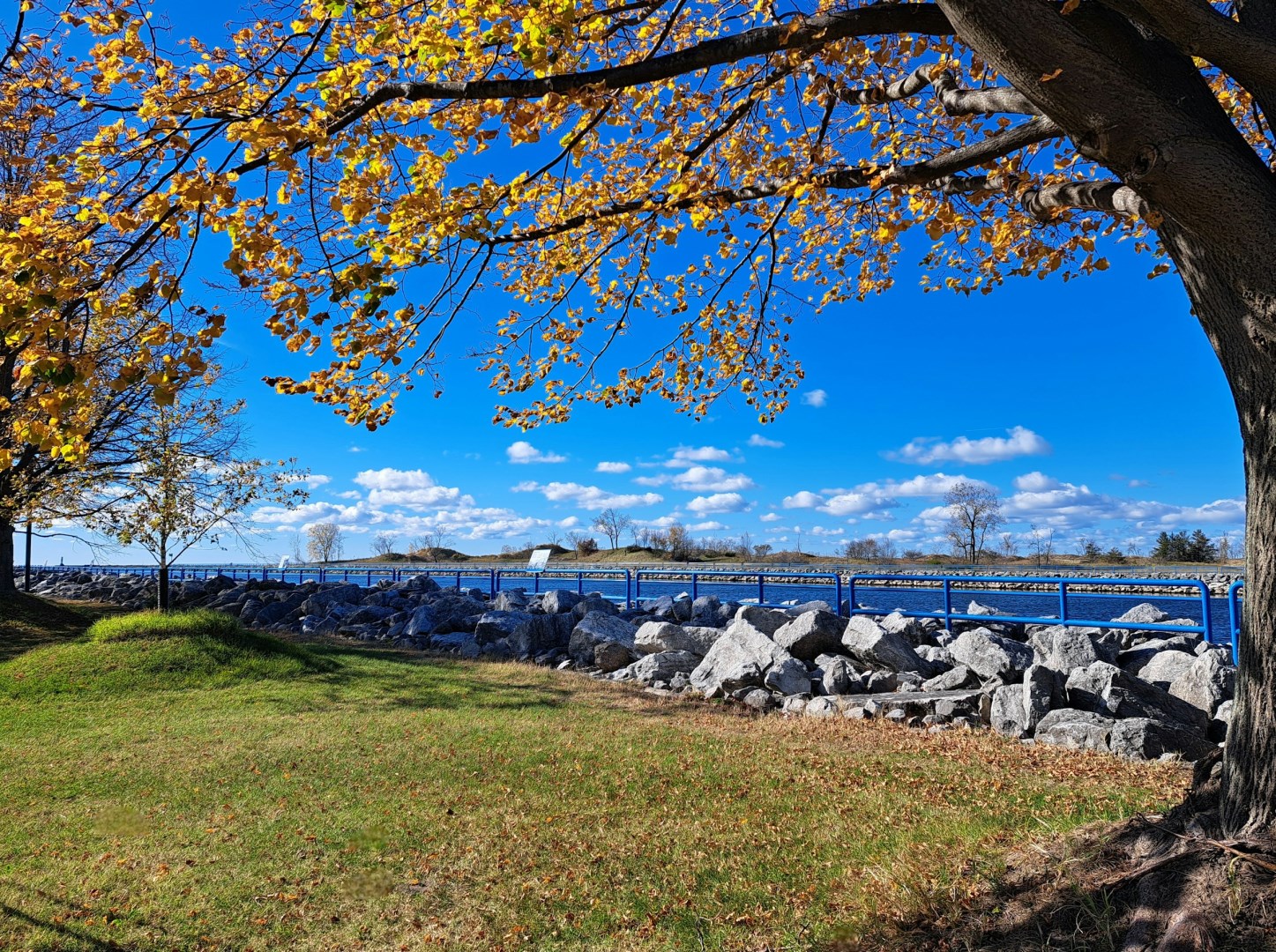
Okonjima Nature Reserve is a 22,000-hectare private conservation area in central Namibia, located between Windhoek and Etosha National Park at the base of the Omboroko Mountains. The reserve combines rolling savanna, mountain outcrops, riverine thickets, and areas of thornveld, creating varied habitat for wildlife.
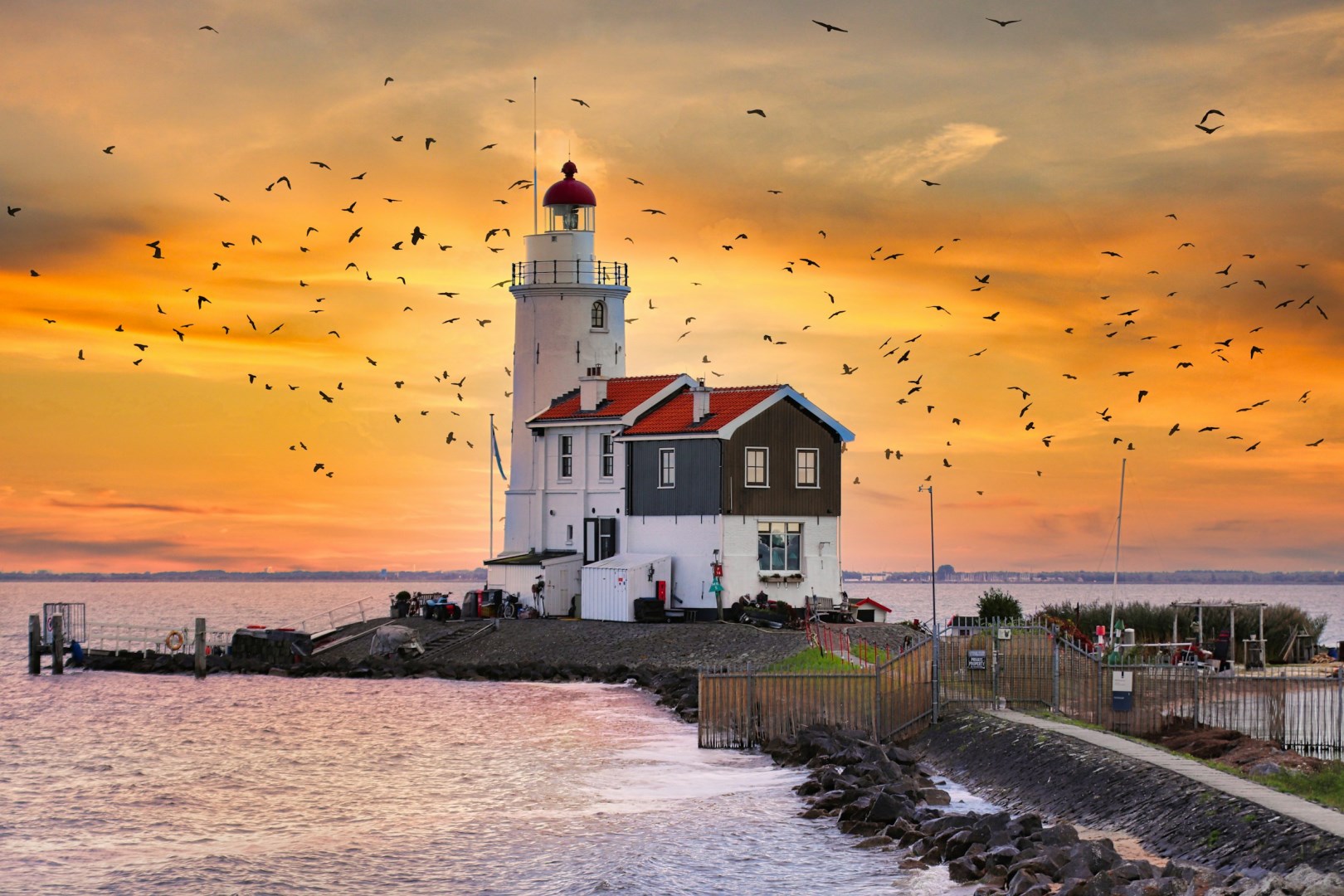
An island in the Iisselmeer until 1957 when it was linked to the mainland by a dike. Its unique houses are painted deep green and built on stilts to protect them against the raging sea.
Klaksvík, the second-largest town in the Faroe Islands, is a must-visit destination for those seeking a blend of nature, culture, and modern amenities. Nestled between two majestic fjords, this picturesque fishing town is surrounded by towering mountains and offers a stunning natural backdrop at every turn.
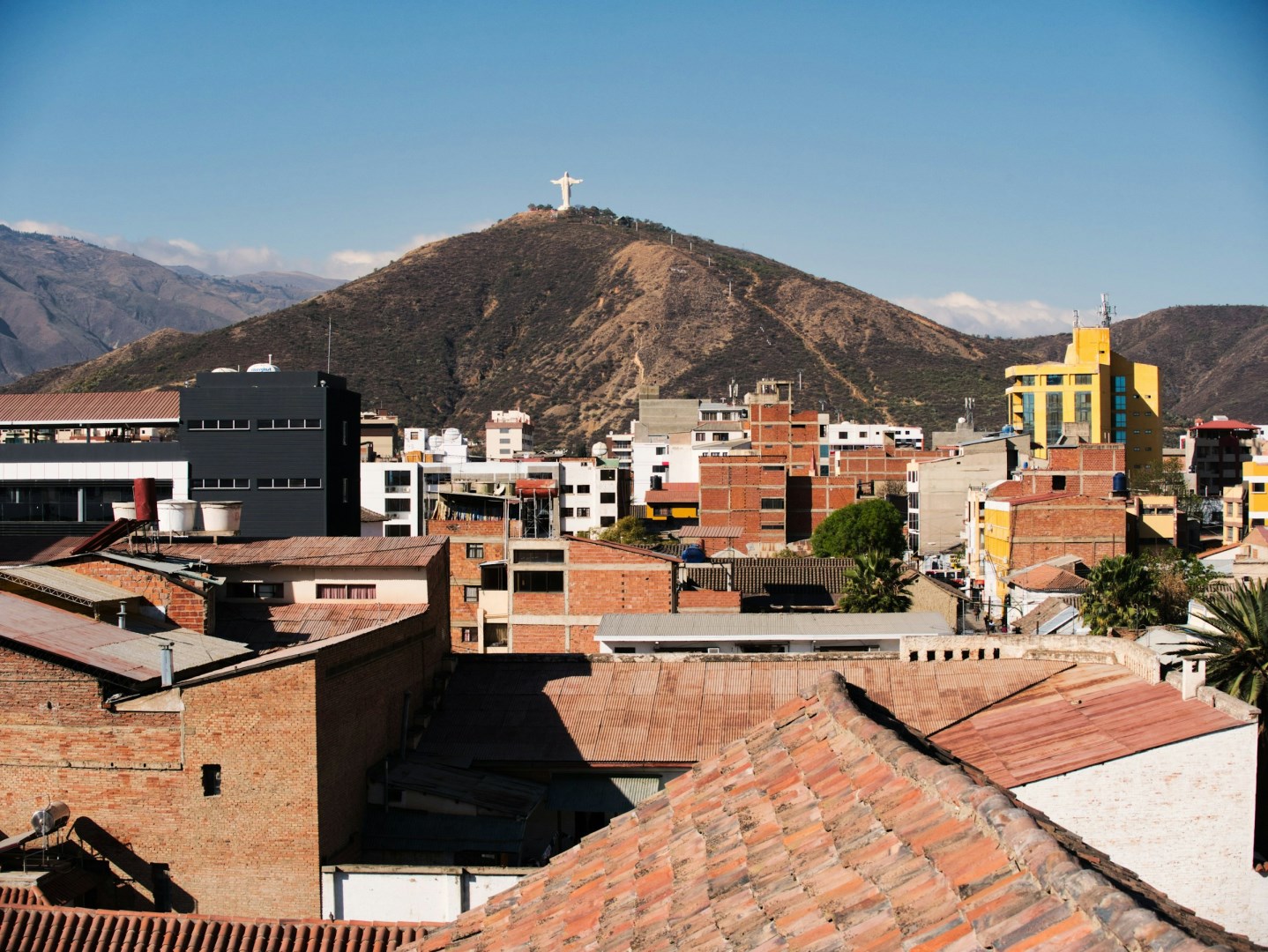
Bolivia's third largest city, it lies high in the valley of Cordillera Oriental. It is an agricultural hub of the country, especially for grains. Founded in 1574 by a conquistador, it is the home of an excellent archeological museum.
Reputed to have the world's most perfect climate and Bolivia's most hardcore drinkers, the city of Cochabamba occupies a fertile green bowl in a landscape of fields and low hills. The city, founded in 1574, is Bolivia's largest market town and was once the nation's granary. It is still prosperous and progressive, and has a clutch of historical and archaeological attractions, including the 400-year-old cathedral, the Convento de Santa Teresa and the Museo Arqueológico.
Other Popular Destinations in Bolivia
La Paz
La Paz, Bolivia’s seat of government, is one of the world’s highest capital cities, dramatically set in a deep canyon carved by the Choqueyapu River. Founded in 1548 atop an important Indigenous settlement, the city has long been a crossroads of Andean cultures, colonial history, and modern political life.
Lake Titicaca
Lake Titicaca, perched at over 3,800 meters above sea level, is the highest navigable lake in the world and a place where ancient stories still echo across the water. Shared by Bolivia and Peru, this lake has long been considered sacred by the Andean peoples. According to Inca legend, it was from Titicaca’s deep blue waters that the first humans were created. Today, the lake remains a center of cultural tradition, spiritual significance, and daily life for many who live along its shores.