Enkhuizen
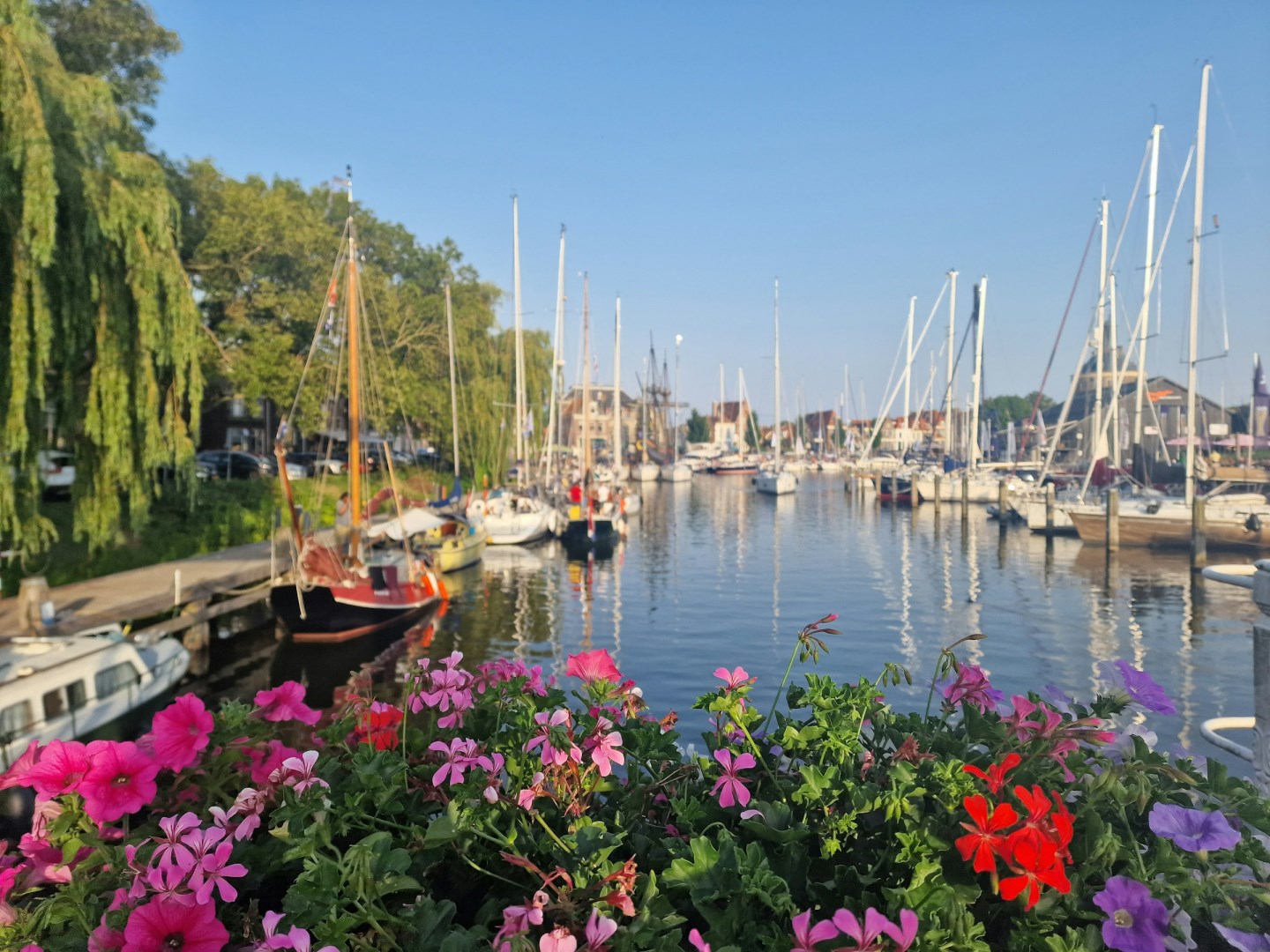
Many consider this the prettiest town in Holland, with its well preserved 15th to 17th century buildings.
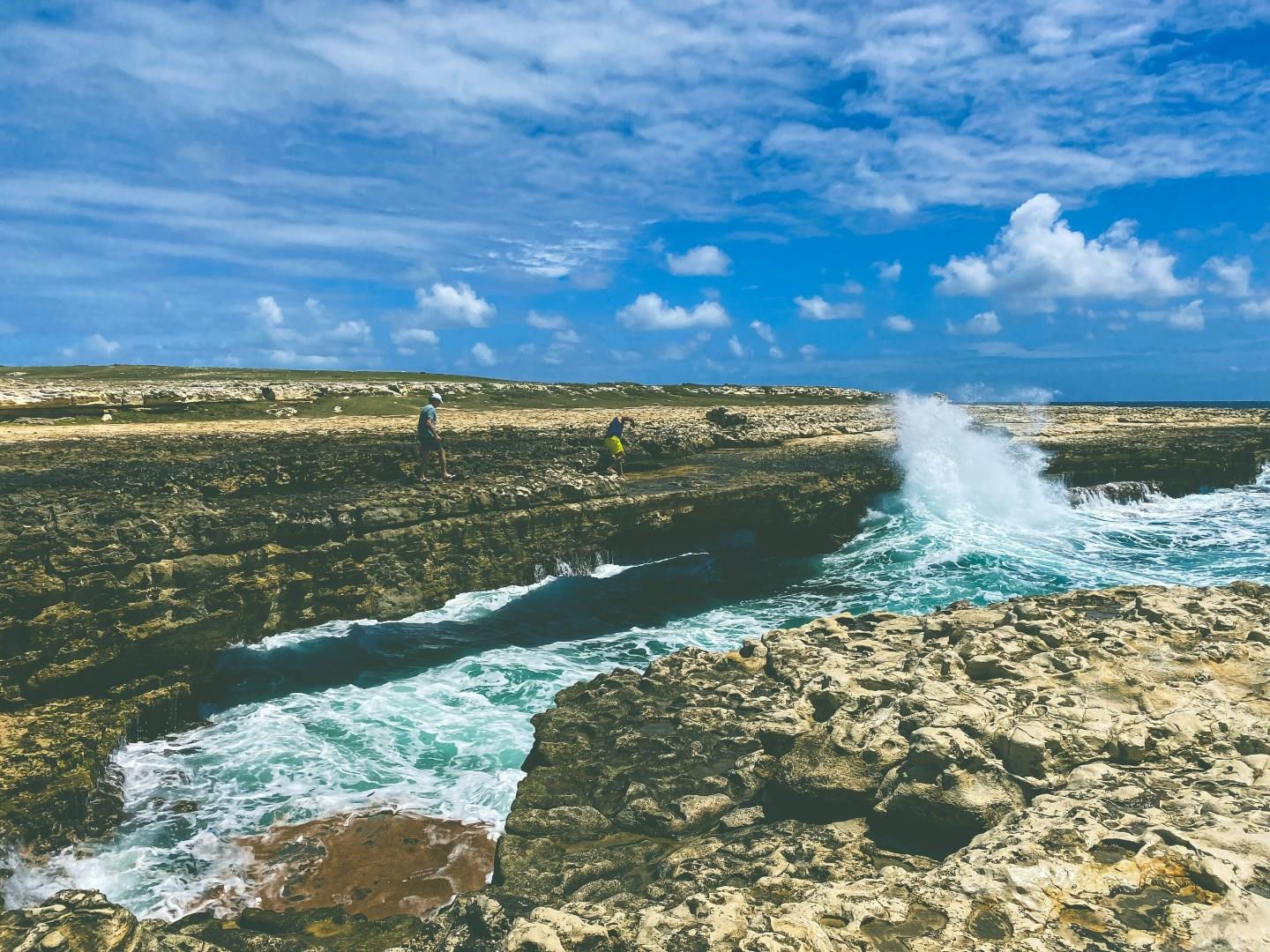
Devil's Bridge National Park
Devil’s Bridge National Park, located on the rugged Atlantic coast of Antigua, is one of the island’s most dramatic natural landmarks. The park is named after its striking limestone arch, carved over centuries by relentless waves and wind.

Dominica
Dominica, known as the “Nature Island of the Caribbean,” is a haven for eco-tourists and adventure seekers. Nestled between the French islands of Guadeloupe and Martinique, this lush island boasts a remarkable landscape of volcanic mountains, dense rainforests, and stunning waterfalls. Dominica’s most iconic natural wonder is the Boiling Lake, the second-largest hot spring in the world.
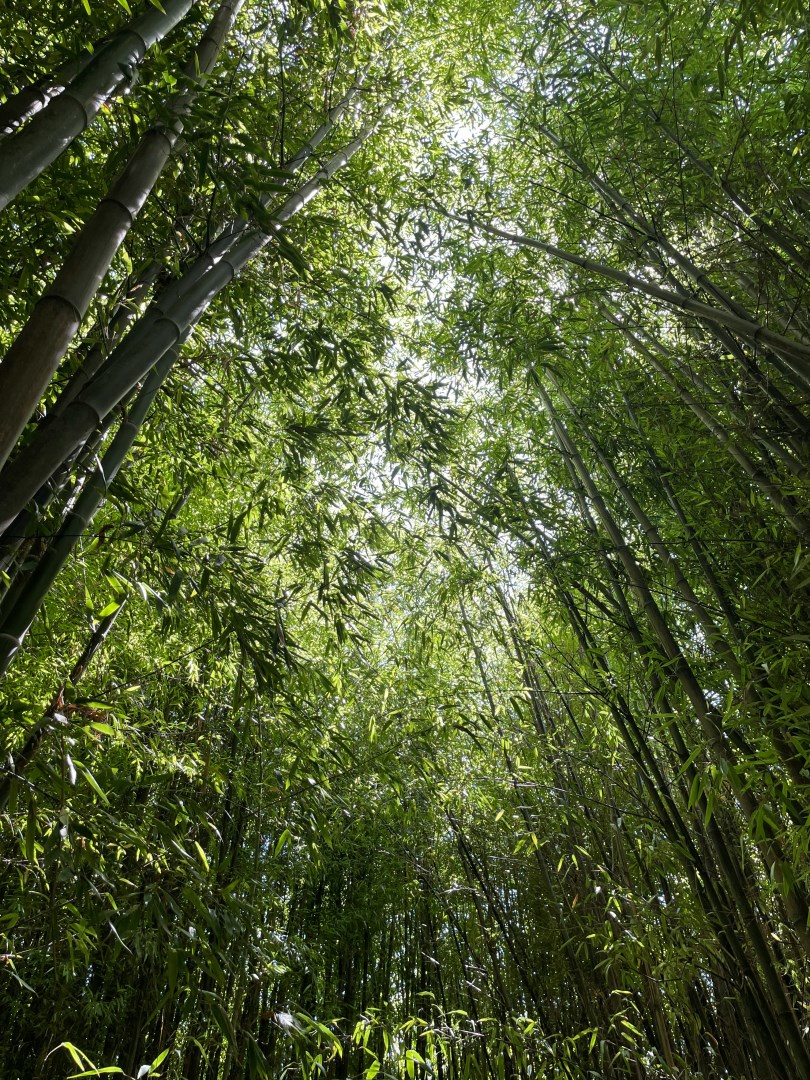
Caldas de Reis
Caldas de Reis is a small spa town in Galicia, Spain, located along the Umia River on the Portuguese route of the Camino de Santiago. It is known for its thermal waters, which have shaped the town’s identity and layout.
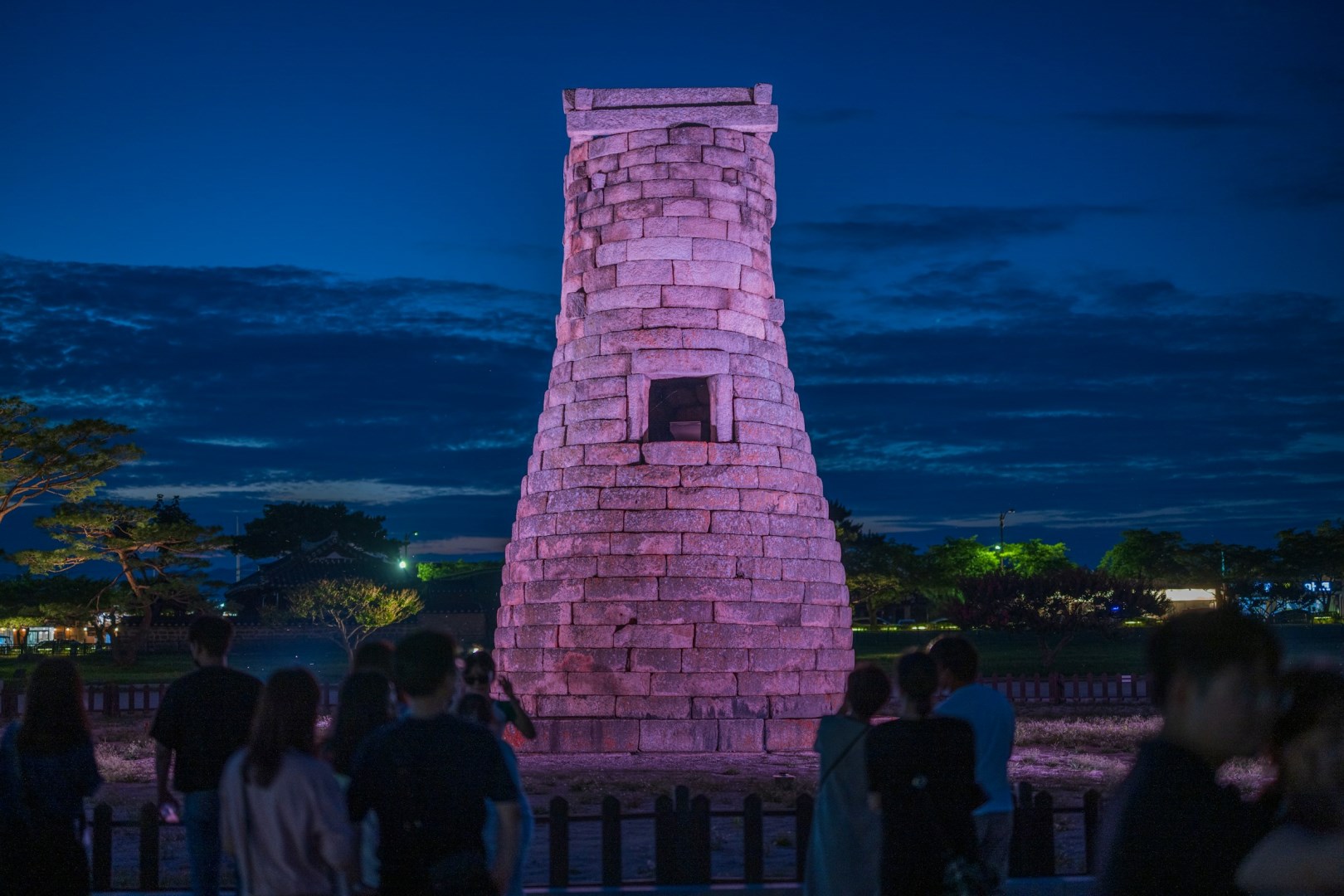
Gyeongju-si
Gyeongju-si is a historic city in southeastern South Korea known for its close connection with the Silla kingdom and its concentration of archaeological sites, temples, royal tombs, and Buddhist monuments. Much of the city’s heritage is spread across open landscapes rather than confined to a single historic center. The Gyeongju Historic Areas include Mount Namsan, the Wolseong area, royal tomb complexes, and the remains of major temples and palaces.