Pigeon Forge
Nestled in the heart of the Smoky Mountains, Pigeon Forge, Tennessee, is a charming destination that combines natural beauty with family-friendly attractions. This small town, known for its close proximity to the Great Smoky Mountains National Park, offers visitors an array of outdoor adventures, including hiking, fishing, and wildlife viewing.
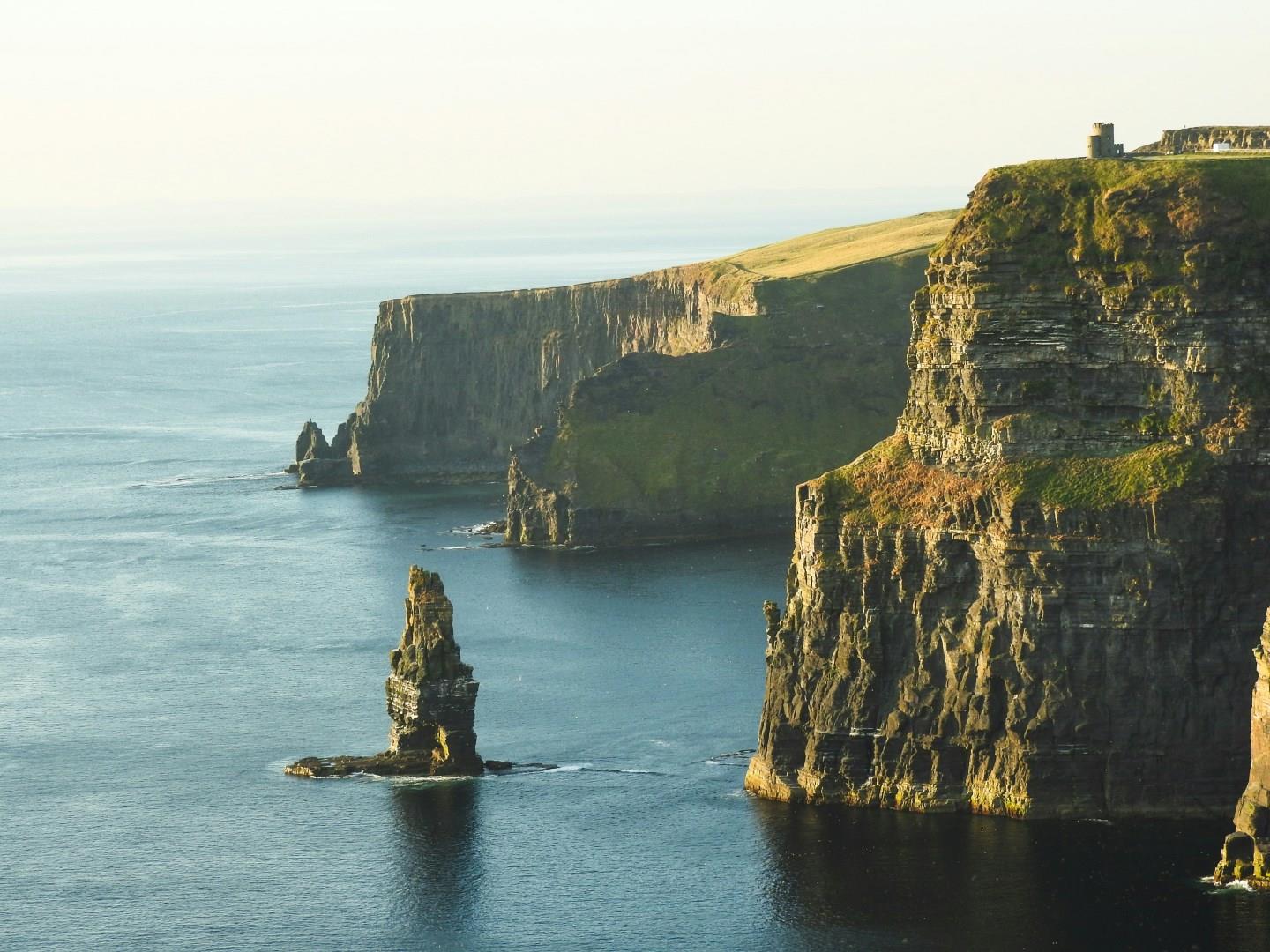
Cliffs of Moher
The Cliffs of Moher rise dramatically from the Atlantic Ocean, stretching for about 8 kilometers along Ireland’s western coast in County Clare. At their highest point near O'Brien's Tower, the cliffs reach 214 meters, offering uninterrupted views of the Aran Islands, Galway Bay, and the craggy peaks of Connemara on a clear day. These ancient sea cliffs have stood for over 300 million years and remain one of the most visited and photographed sites in Ireland.
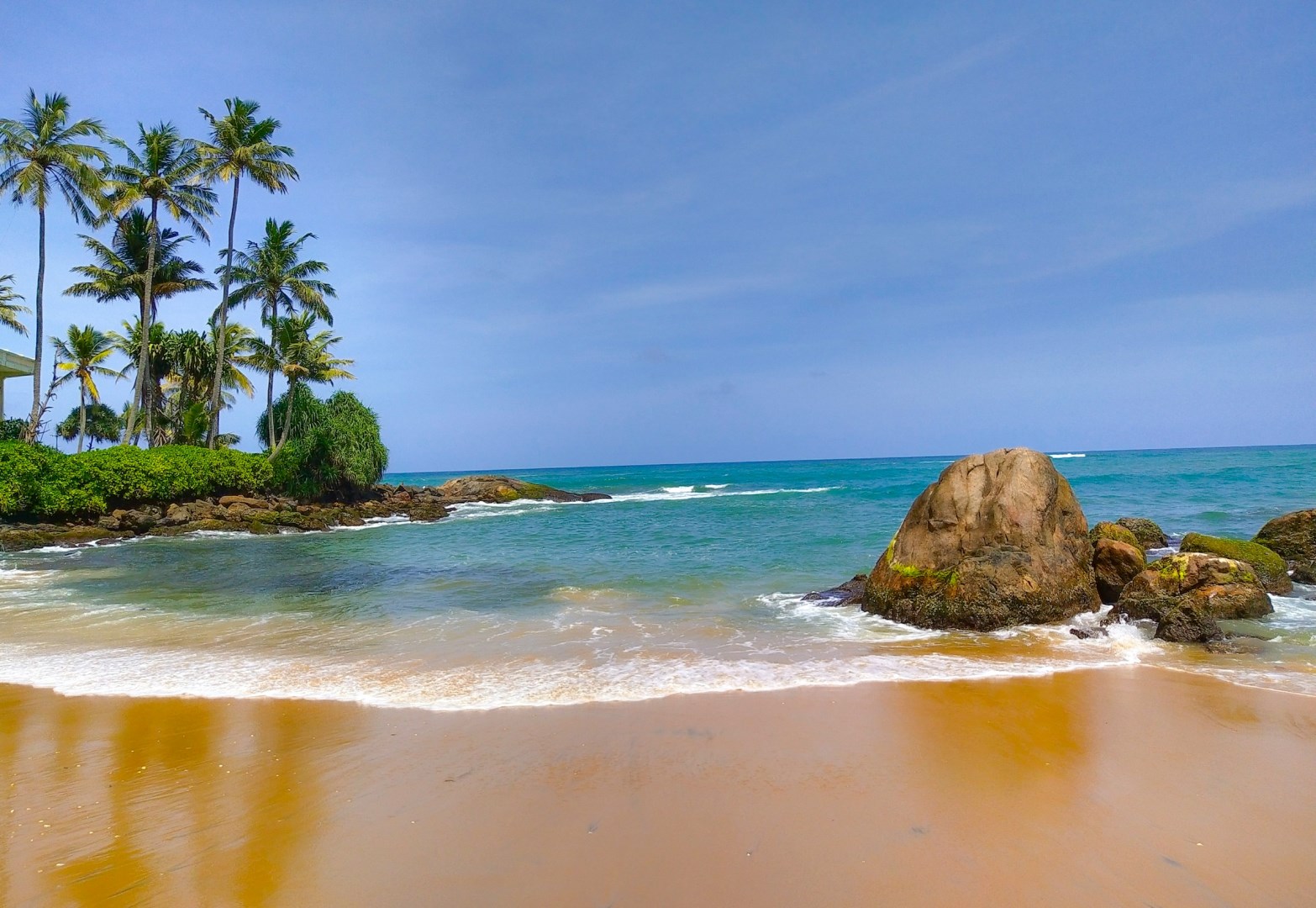
Mount Lavinia Beach
Mount Lavinia Beach is a well-known urban beach just south of Colombo, Sri Lanka, stretching along the Indian Ocean beside the coastal suburb of Mount Lavinia. Its broad sandy shoreline and easy access from the capital make it a popular place for swimming, walking, watching sunsets, and informal gatherings. The beach sits beside a long-established residential and hotel district, so its surroundings combine everyday city life with a distinctly coastal setting. Fishing boats and seafood restaurant
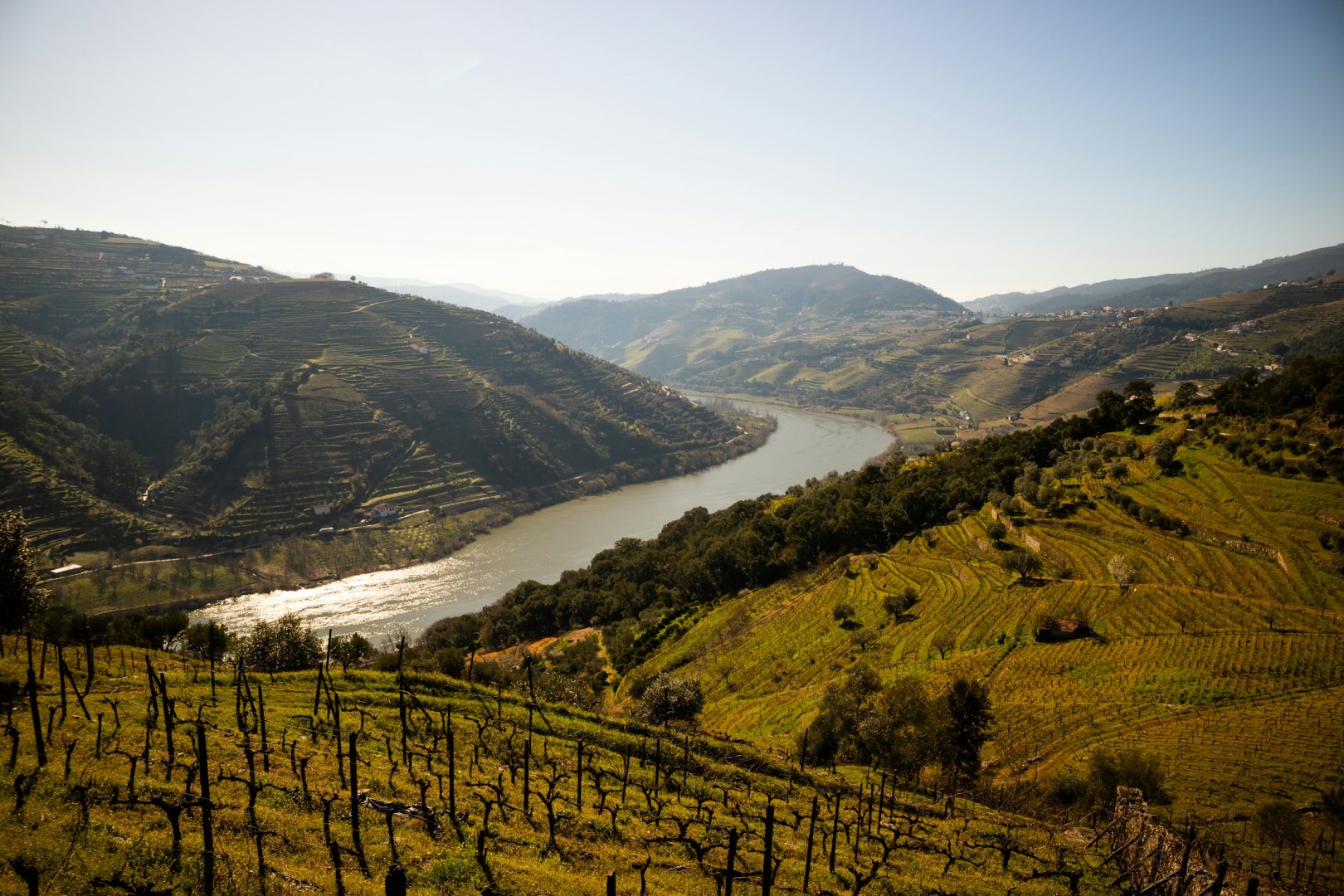
Douro River
One of the major rivers of the Iberian Peninsula, the Douro in north-central Spain and Portugal just might be the world's most beautiful wine region. Most of the river on the Spanish side isn't navigable, so river cruises generally travel roundtrip from Porto, on the coast of the Atlantic.

Bournemouth
Bournemouth, located on England's southern coast, is a charming resort town known for its expansive beaches and picturesque seafront. The town's seven miles of sandy coastline, including the famous Bournemouth Beach, offer a delightful retreat for sunbathers, swimmers, and water sports enthusiasts. The beach is complemented by the Bournemouth Pier, where visitors can enjoy stunning views of the English Channel, take a leisurely stroll, or dine at one of the seaside cafes.