Tenby
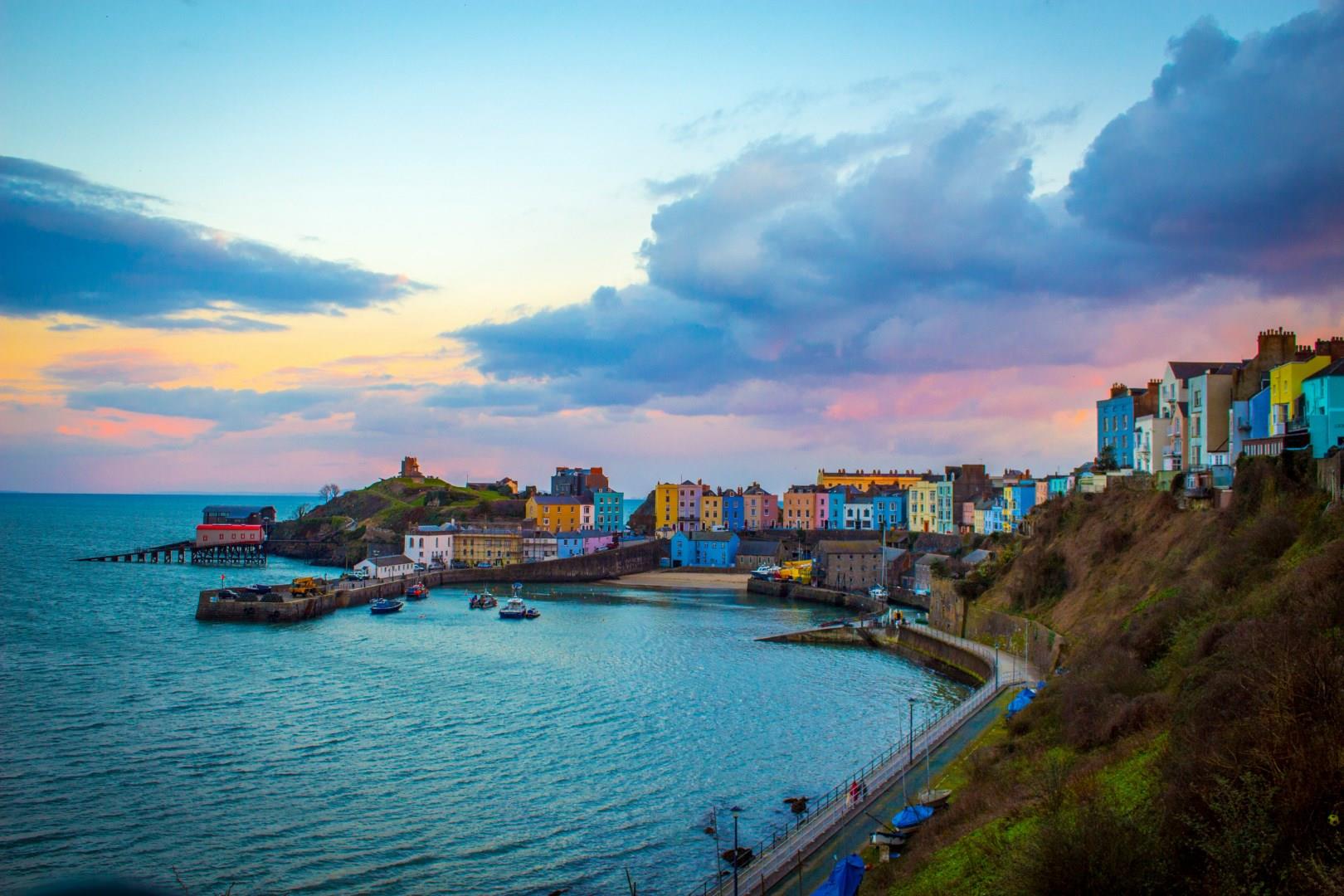
Tenby sits on the Pembrokeshire coast of southwest Wales, where medieval walls still encircle a compact town above the sea. Its history as a fortified port is visible in stone ramparts, narrow lanes, and the ruins of Tenby Castle, which overlook the harbor.
Siem Reap
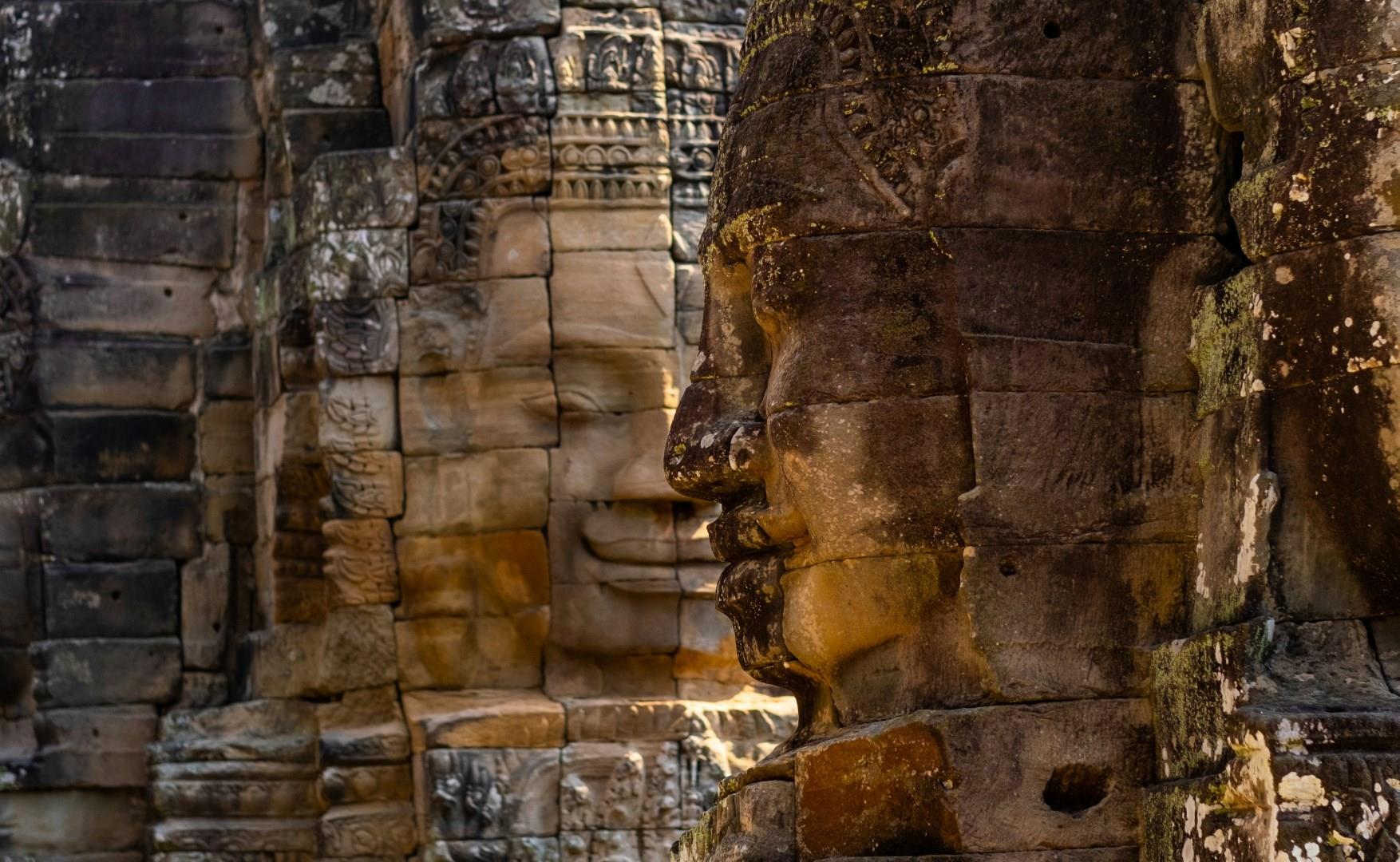
Siem Reap is best known as the gateway to Angkor, the ancient capital of the Khmer Empire, but the town itself offers far more than a launching point for temple exploration. Located in northwestern Cambodia, Siem Reap balances centuries-old traditions with a rapidly evolving cultural scene. Its streets are lined with colonial-era buildings, Buddhist pagodas, bustling markets, and open-air cafés.
Pendleton
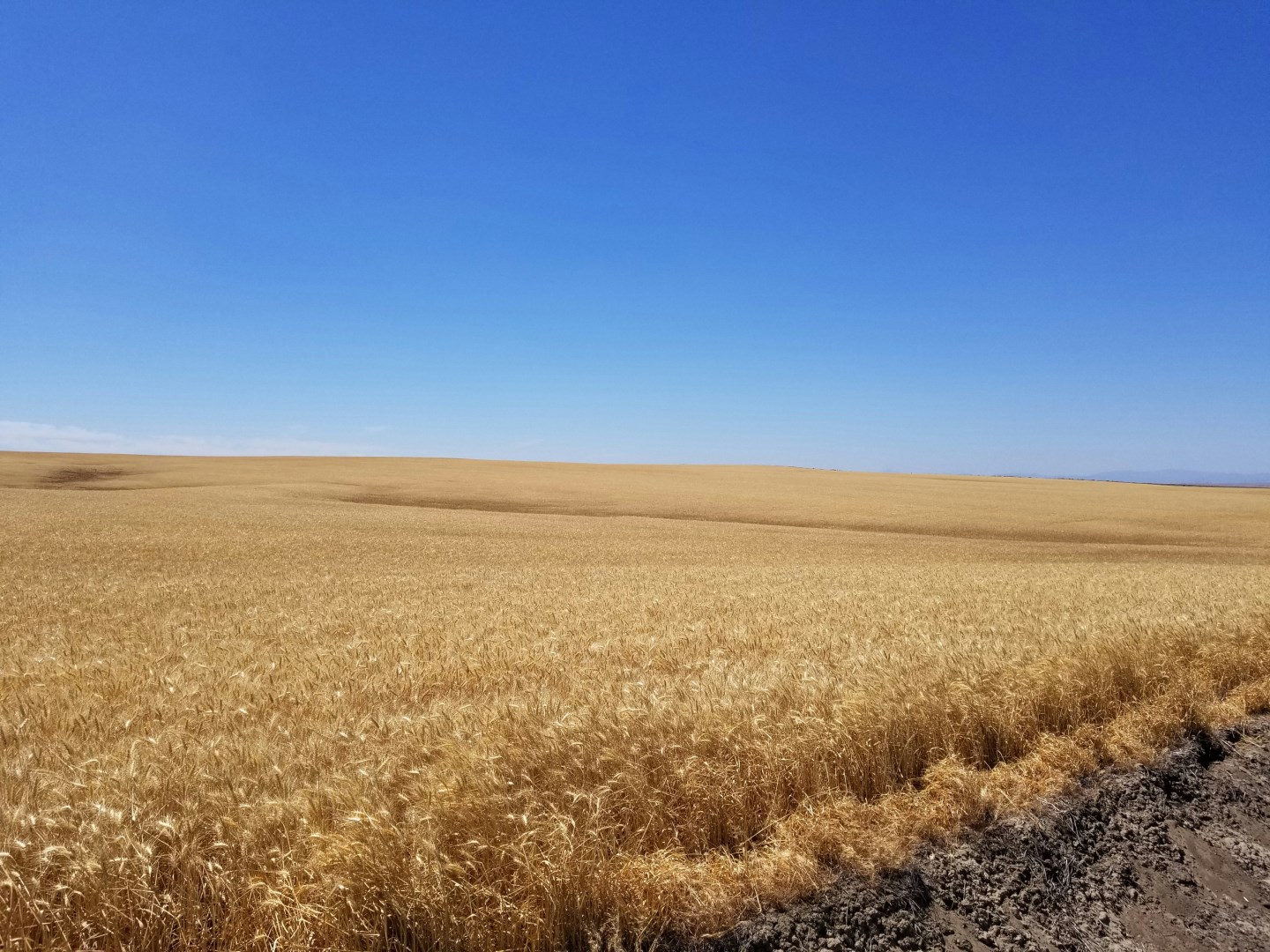
Pendleton, Oregon, sits in the heart of the high desert region, where wide open skies meet rolling wheat fields and the rugged Blue Mountains. The city is widely recognized for its rich history in ranching, railroads, and wool production, which visitors can explore through preserved buildings and museums. Downtown Pendleton features brick storefronts, murals, and sculptures that reflect the city’s connection to both the frontier and the railroad era.

Hachijo Jima Island
Whether exploring volcanic trails or relaxing in seaside hot springs, Hachijo Jima provides an unforgettable island experience that feels worlds away from Japan’s major cities.
Rio Dulce
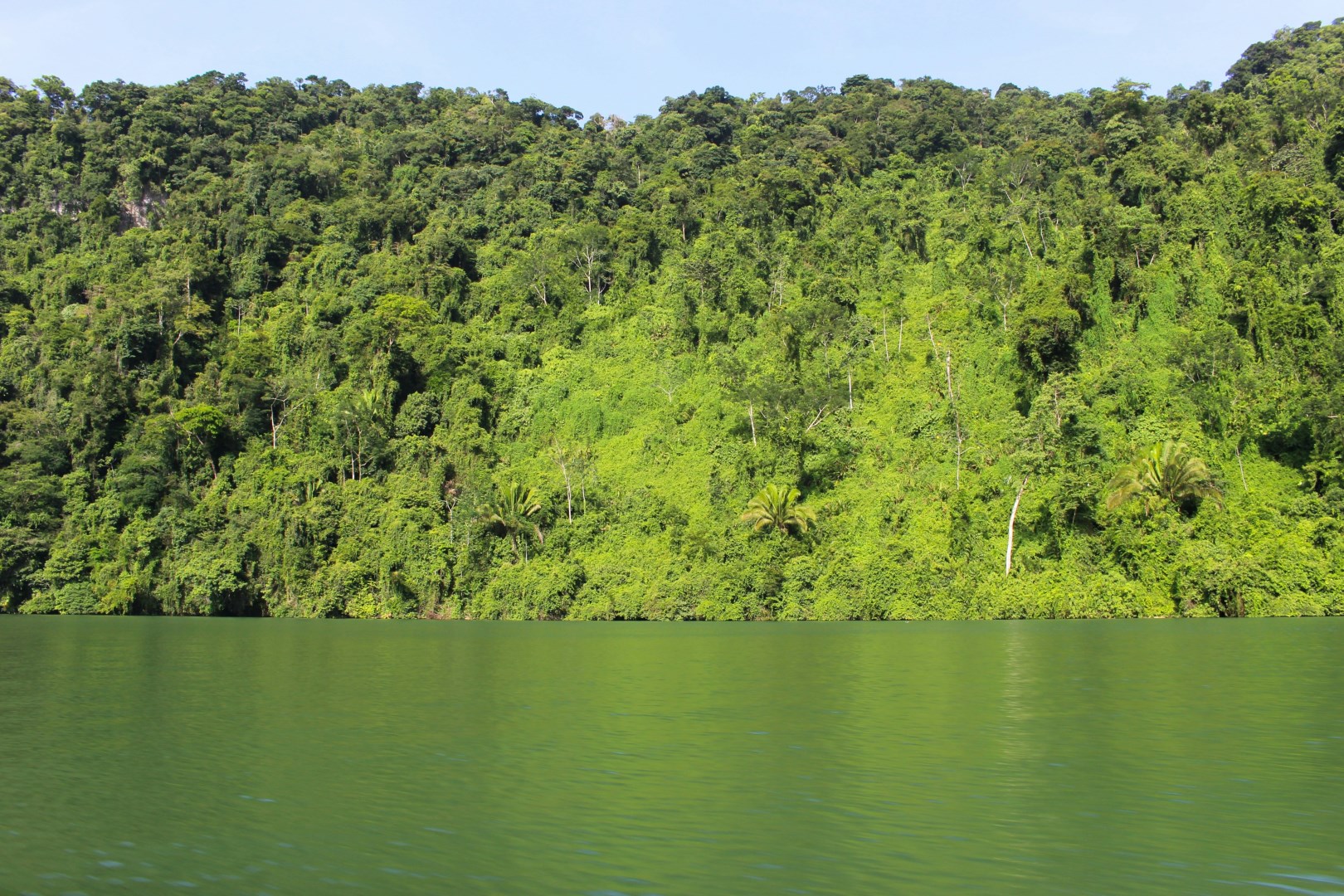
Rio Dulce is a river region in eastern Guatemala that connects Lake Izabal to the Caribbean Sea. The area is centered around the town of Fronteras and the long waterway that cuts through tropical forest, limestone cliffs, and wetland habitats.