Bahrain
Bahrain, the only island nation in the Arabian Gulf, offers a unique blend of ancient heritage and modern flair. Away from the city, Bahrain’s landscape surprises many. The Tree of Life, a lone 400-year-old mesquite standing in the desert with no known water source, continues to puzzle scientists and inspire travelers.
New Castle
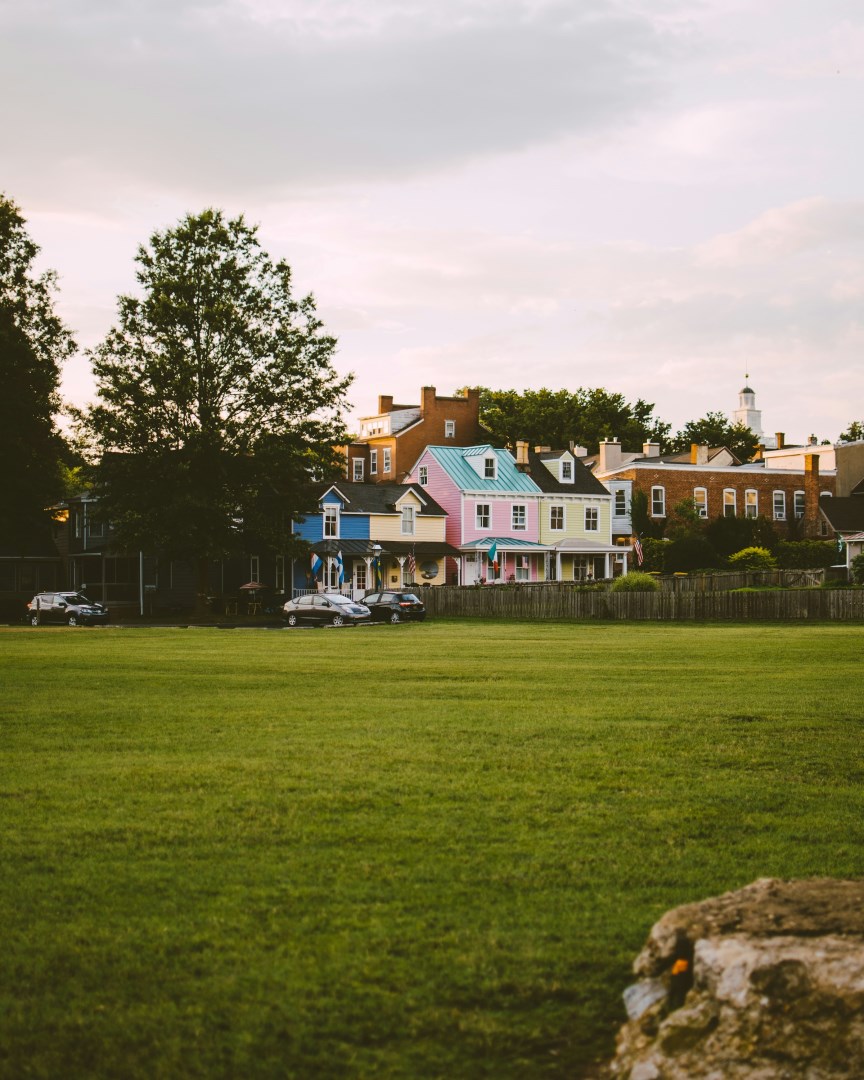
New Castle, Delaware, is a hidden gem for history lovers and anyone seeking a picturesque, colonial-era experience along the Delaware River. Founded in 1651 by the Dutch, New Castle boasts an impressive collection of well-preserved 17th and 18th-century buildings that tell the story of early American history.
Örebro
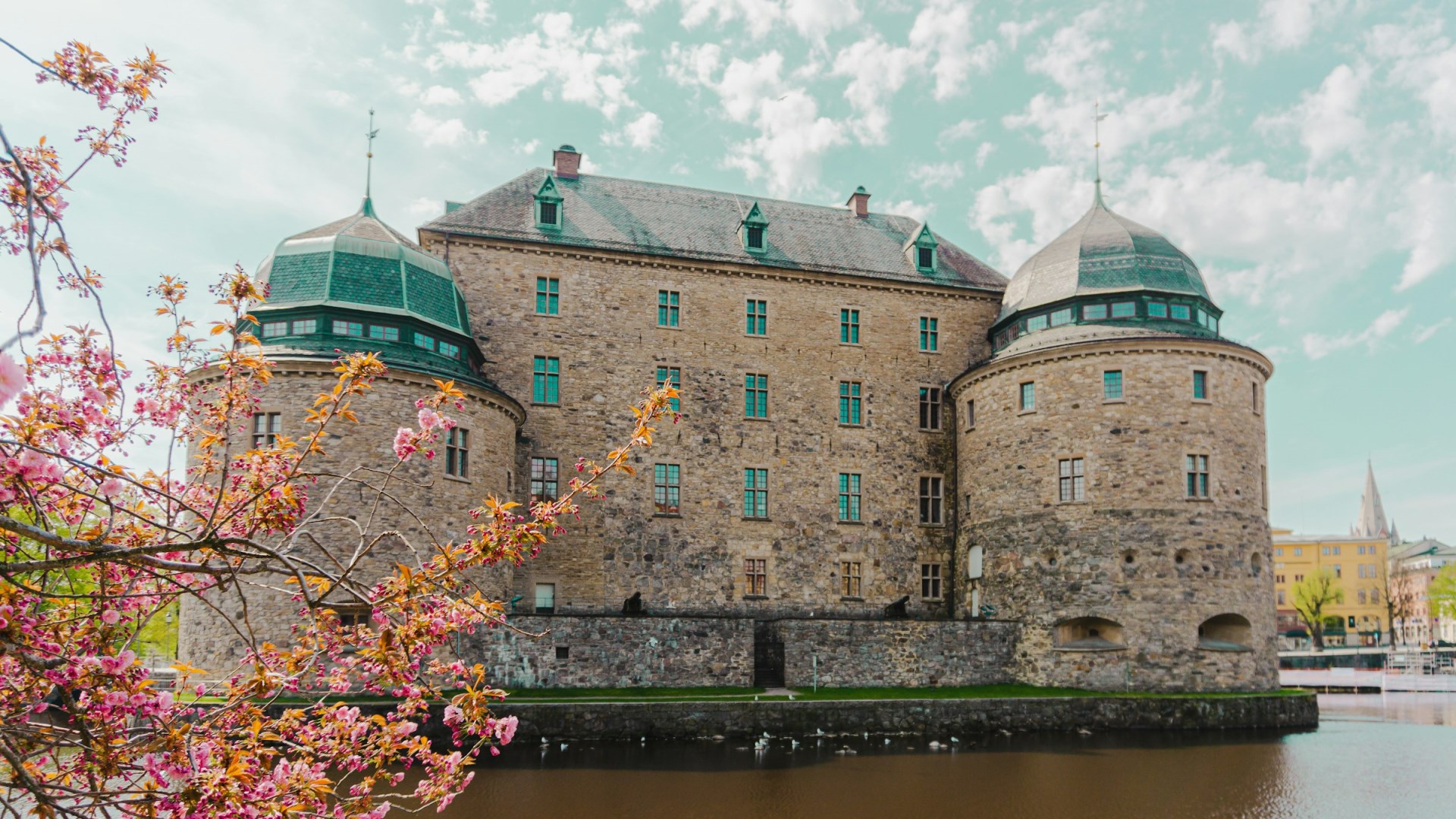
Örebro today is the eighth largest city in Sweden, with about 119,000 inhabitants. The city is no longer dominated by any particular industry or trade, and now has a many-facetted economy. Industry is directed towards metal goods, machines, foods and graphic products. The former shoe town has become a prominent center for education.
Millstream-Chichester National Park
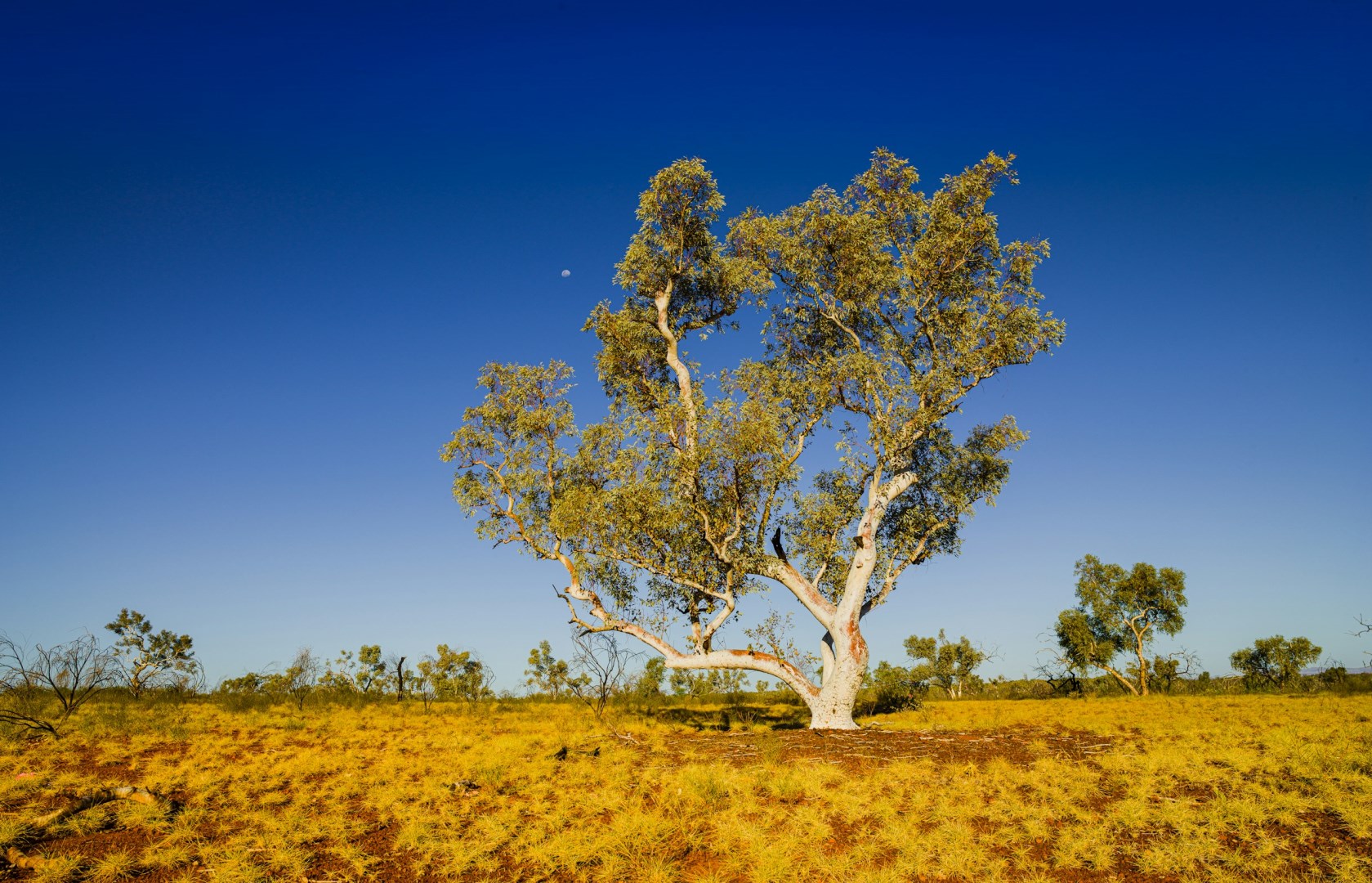
Millstream-Chichester National Park is a semiarid National Park set within the Pilbara region of Western Australia. You can find out a lot about the Millstream Chichester National Park and the local Yinjinarndi Aboriginal people at the Millstream Homestead.

Heidelberg
Heidelberg, located along the scenic banks of the Neckar River in southwestern Germany, is a city steeped in history, culture, and charm. Known for its prestigious university, which is one of the oldest in Europe, the city draws visitors with its picturesque old town, medieval architecture, and vibrant academic atmosphere.