Port Kelang
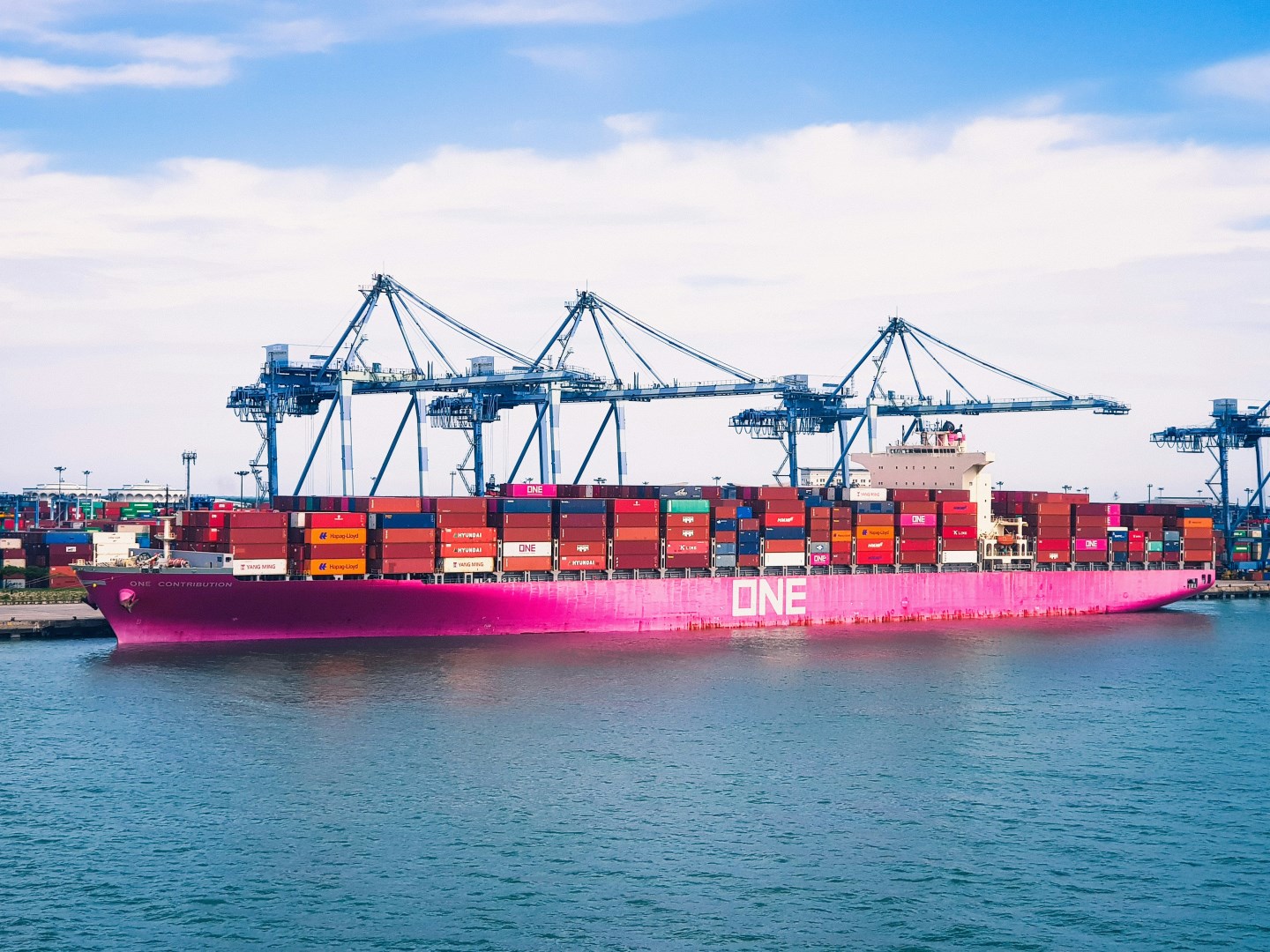
Port Klang, Malaysia’s bustling port city, is a gateway to both vibrant urban life and serene coastal escapes.
Horta Faial Island
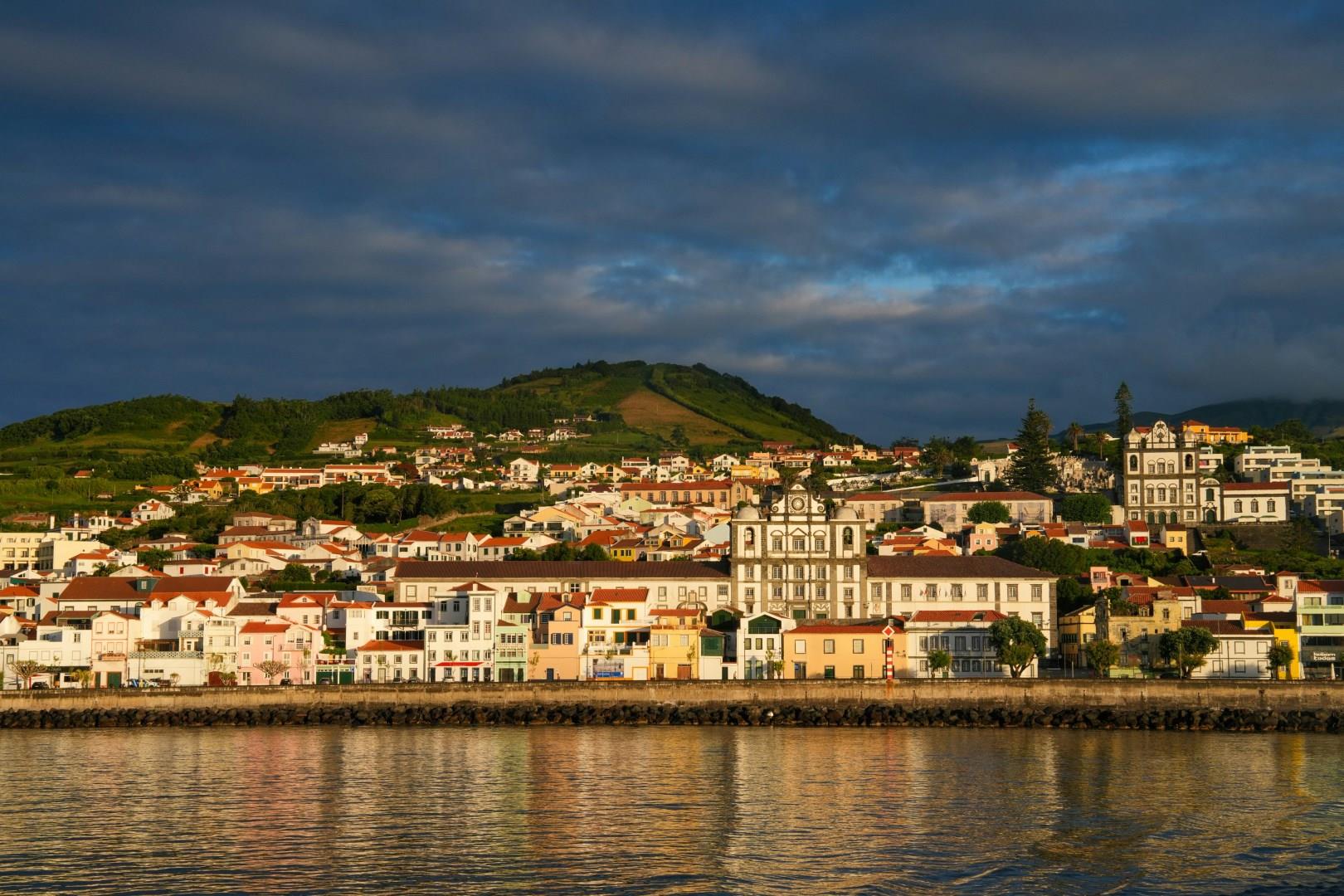
Horta sits on the southeastern coast of Faial Island in the Azores, long defined by its position in the mid-Atlantic. For centuries it served as a critical stop for whaling ships, transatlantic sailors, and later yachts crossing between Europe and the Americas.

Canada
Canada spans an immense and diverse landscape, offering experiences that range from cosmopolitan city life to some of the most pristine wilderness on Earth.
Cincinnati
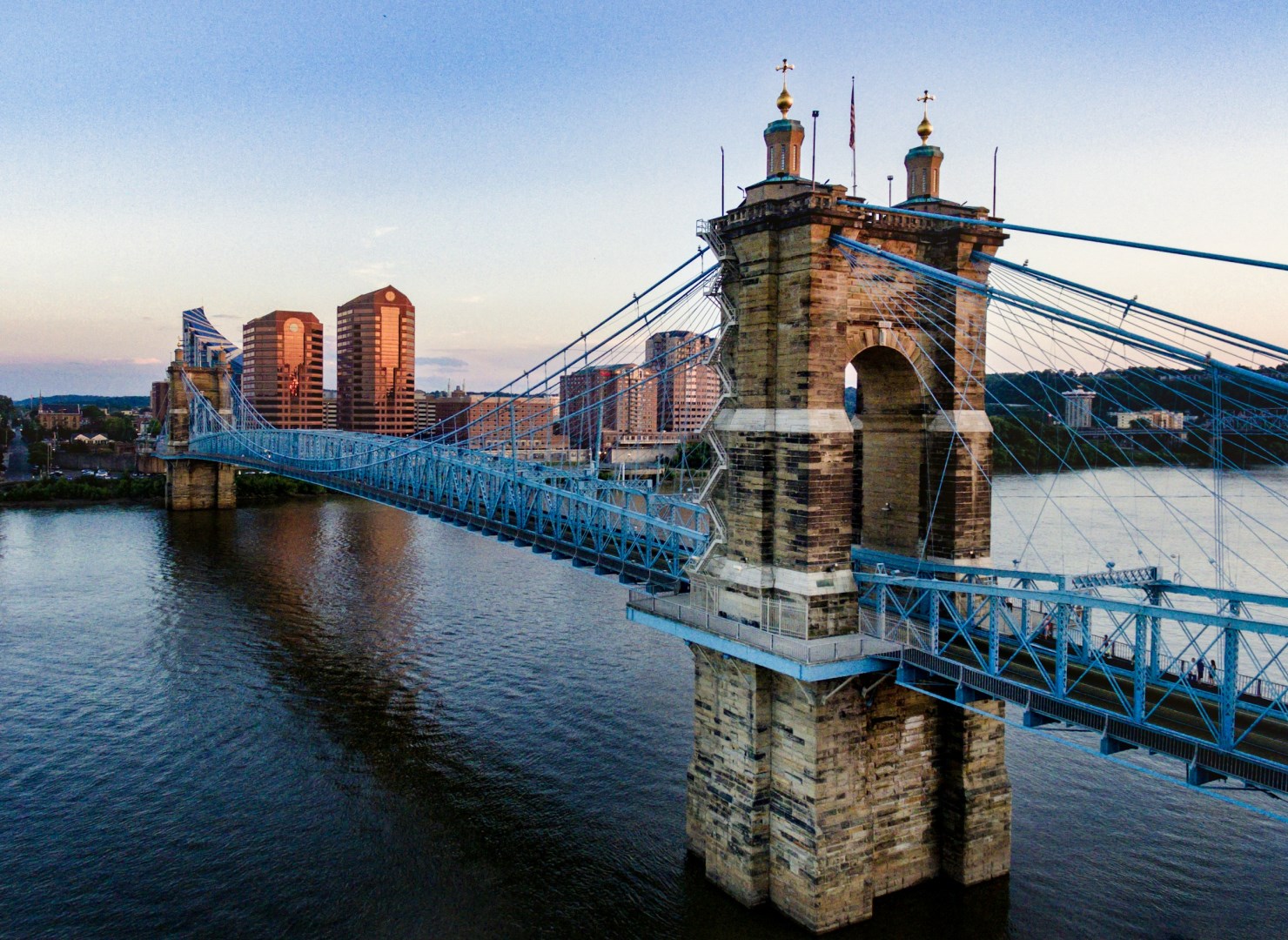
Cincinnati is one city that just can't sit still. Every year it's something new. An elegant downtown shopping mall, another floating restaurant, more mind bending amusement park rides, tougher championship golf courses, breathtaking new art exhibits. Experience Major Leaque excitement: The Reds and Bengals; powerhouse college hoops, hockey, throughbred racing, rowing, running, and tennis events offer year-round action. In the 1840's Cincinnati was heralded as the Paris of the new world.

Milan
Milan, Italy’s fashion capital, offers an exquisite blend of historical grandeur and contemporary chic. As you wander through this vibrant city, you’re greeted by architectural masterpieces like the Milan Cathedral, a stunning example of Gothic design and the largest church in Italy. Its intricate façade and the panoramic views from the rooftop provide a breathtaking experience.