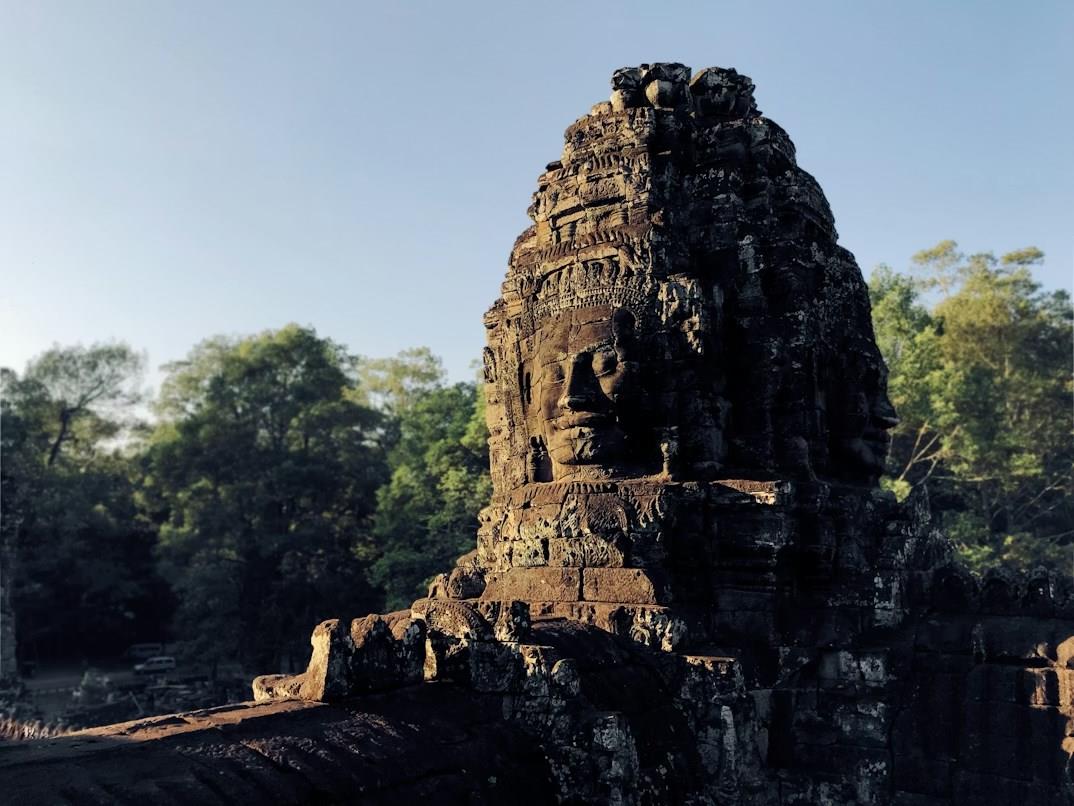
Angkor Thom
Angkor Thom was the last great capital of the Khmer Empire, established in the late 12th century under King Jayavarman VII in what is now northwestern Cambodia. Enclosed by massive stone walls and a wide moat, the city was designed as both a political center and a sacred landscape, symbolizing the cosmic order of the Khmer worldview.
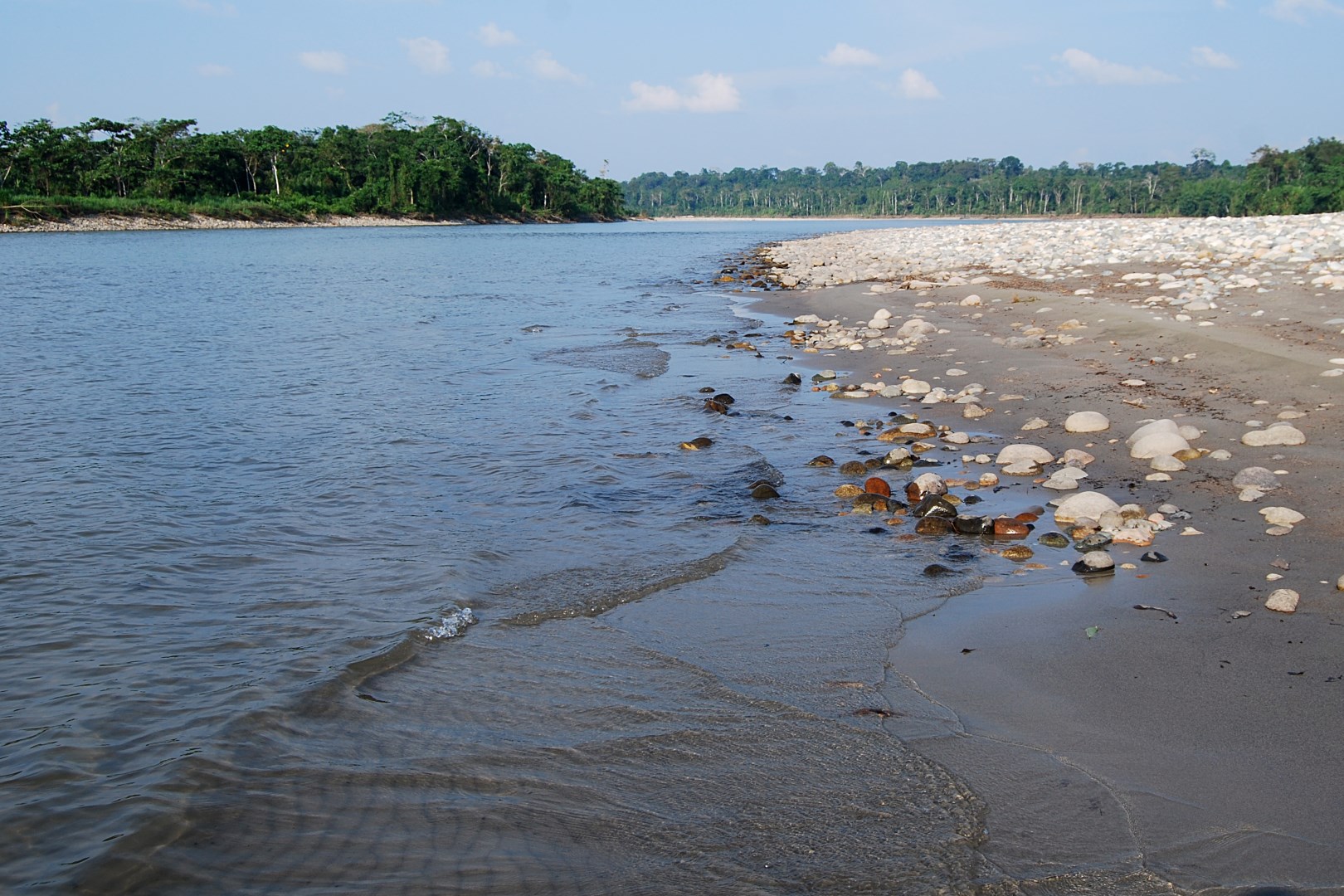
Napo River
A tributary of the Amazon, the Napo River (Río Napo) originates in the east Andes mountains. It flows east through Ecuador, then southeast into Peru, where it joins the larger river roughly 50 miles downstream from Iquitos.
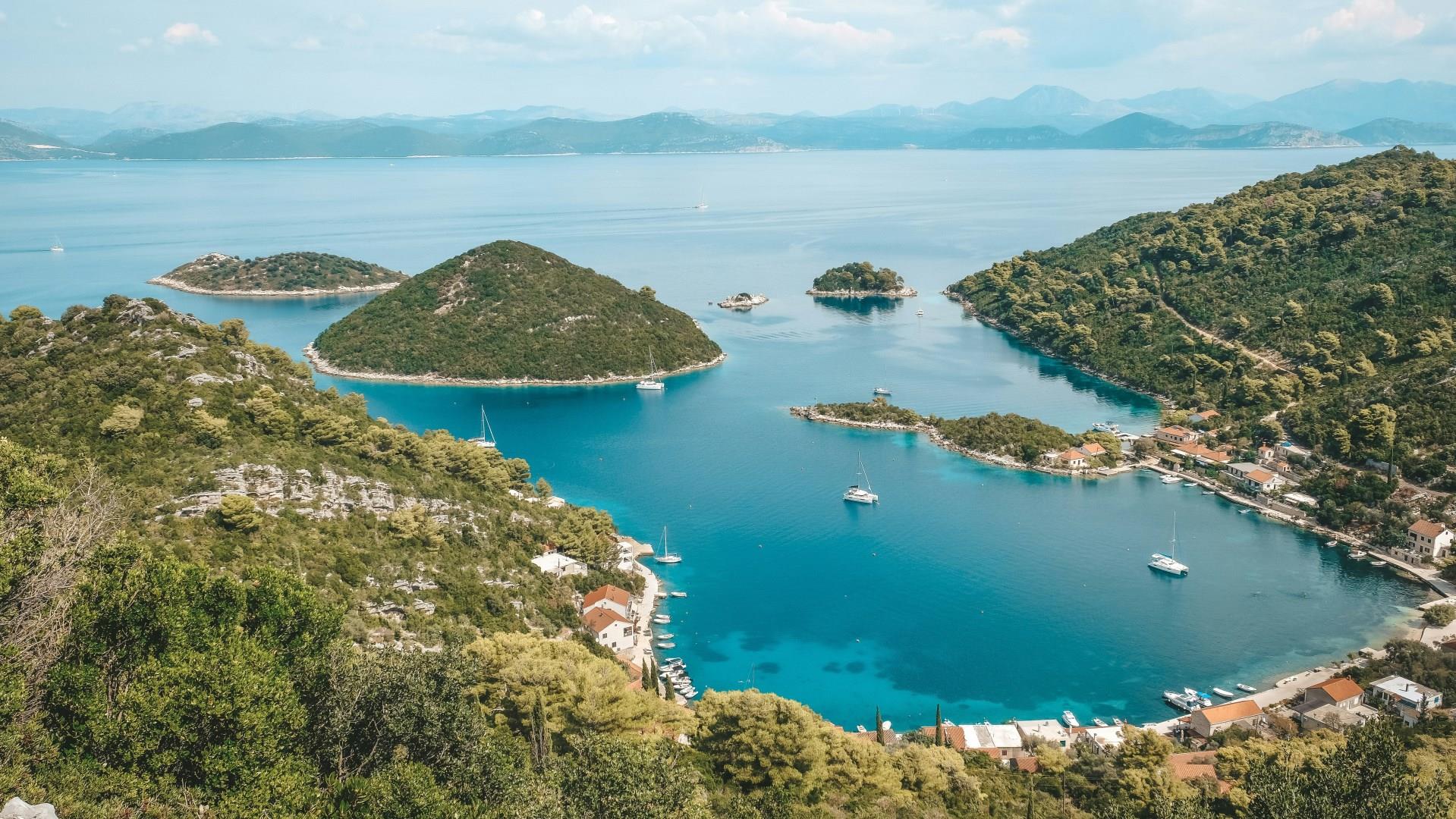
Mljet National Park
Mljet National Park sits on the western side of Mljet Island in Croatia’s Adriatic Sea, a place where saltwater lakes meet ancient forest pathways. The park stretches across nearly one-third of the island, with Veliko Jezero (Great Lake) and Malo Jezero (Small Lake) as their most striking features. These two saltwater lakes are connected by a narrow channel to the open sea, creating calm blue waters that draw visitors for swims, casual kayak outings, or peaceful cycles around the shaded paths.
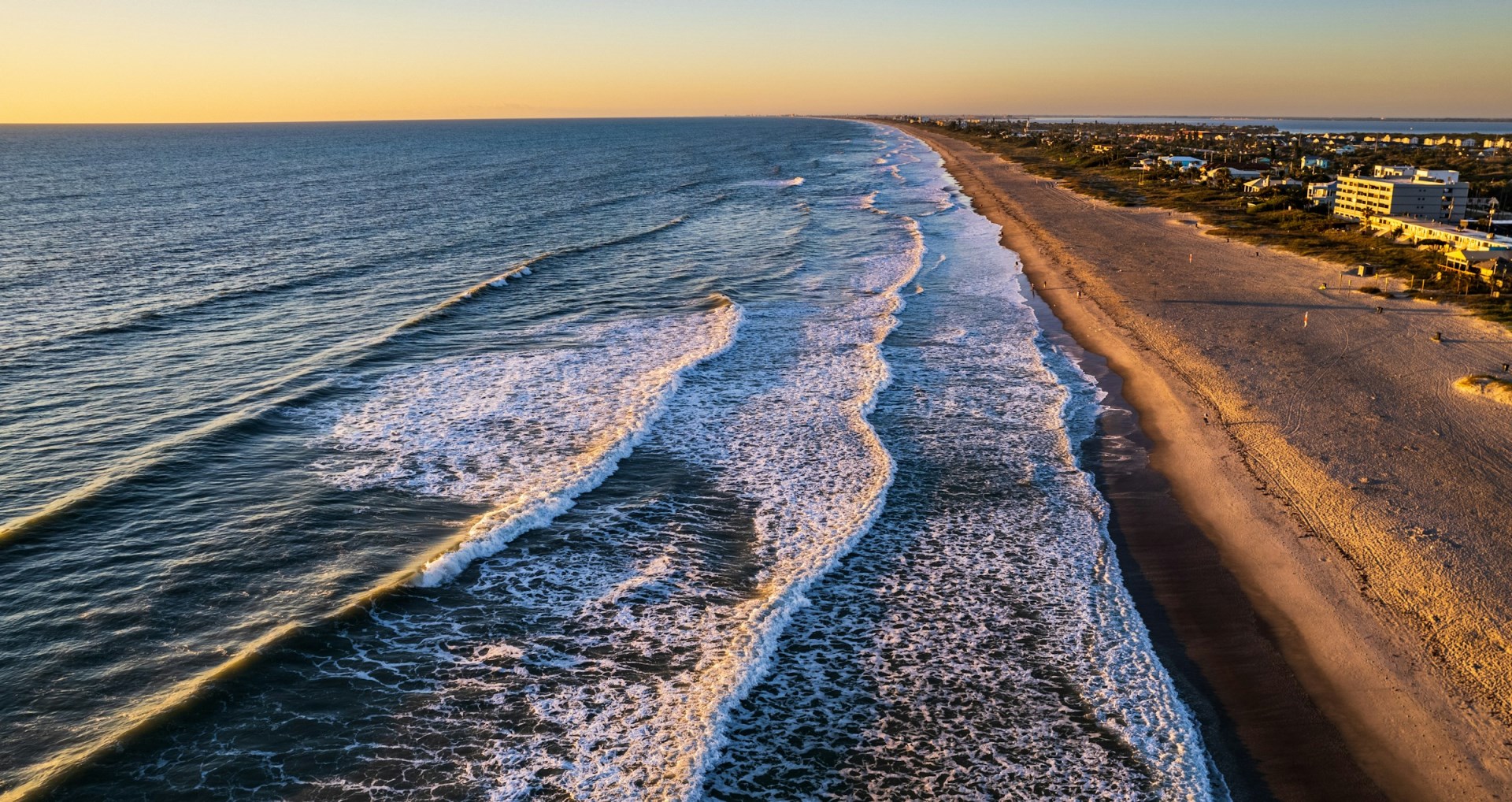
Cocoa Beach
Cocoa Beach is a barrier-island community on Florida’s central Atlantic coast, located east of the Indian River Lagoon and just south of Cape Canaveral. The city is closely associated with surfing, beach recreation, and the nearby Kennedy Space Center, while its compact streets lead quickly from residential areas and restaurants to the Atlantic shoreline. The beach itself stretches along a broad, sandy coast, and the city’s position between the ocean and lagoon provides opportunities for swimmin

Guanajuanto
Guanajuato is situated between the dry north of the country and the more verdant south, and geographically belongs to the Trans-Mexican Volcanic Belt, the Mexican Plateau.