Split
Split, Croatia, is a city where ancient history and modern vibrancy blend seamlessly, creating an alluring destination for travelers. At the heart of Split is the UNESCO World Heritage Site of Diocletian's Palace, a remarkably well-preserved Roman complex built by Emperor Diocletian in the 4th century AD. This sprawling palace complex, with its labyrinthine streets, ancient walls, and grand Peristyle courtyard, is not just a historical site but a bustling part of the city’s daily life.
Evora
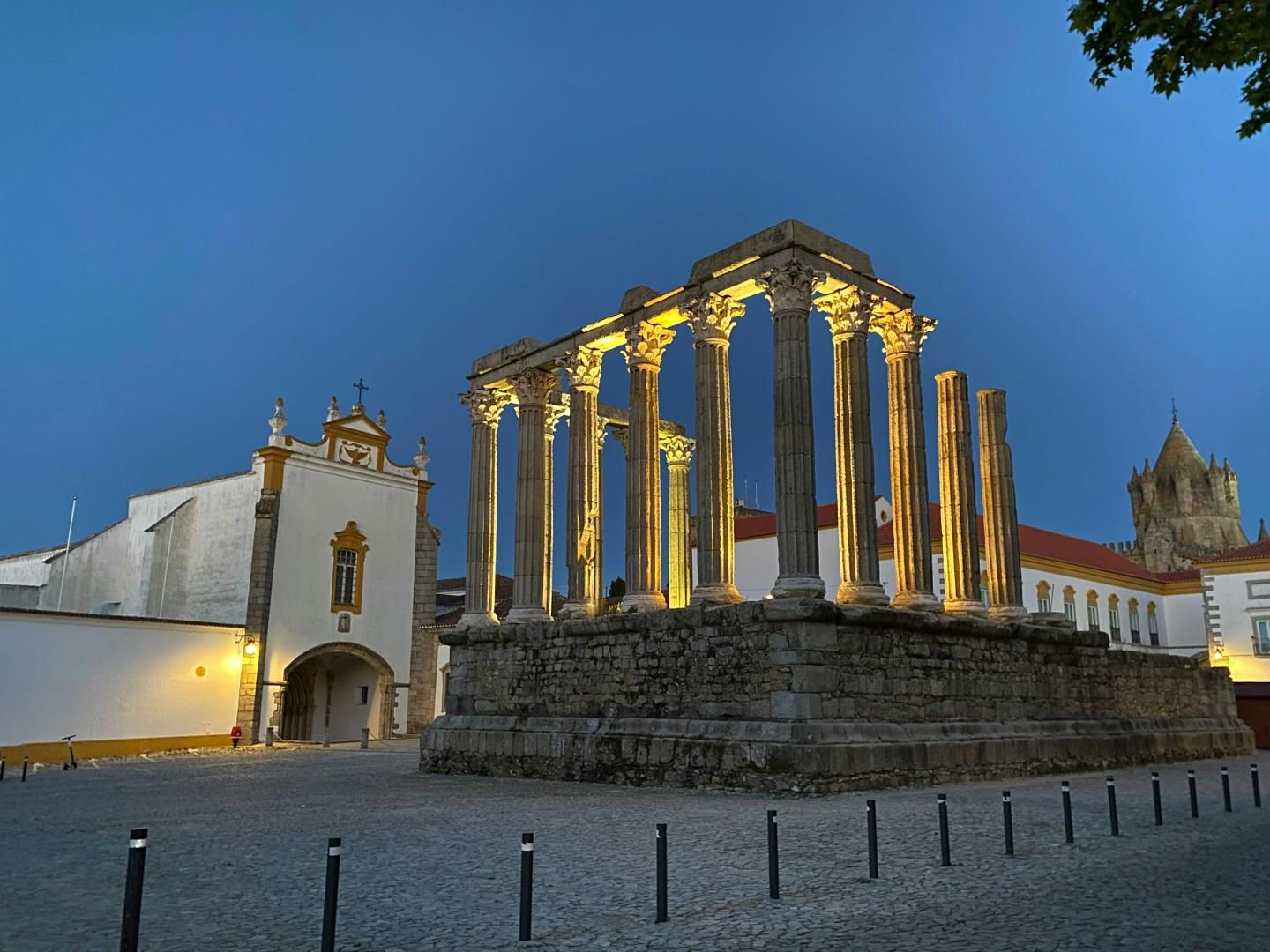
Évora, in Portugal’s Alentejo region, feels like stepping into a story that spans more than two thousand years. Its Historic Centre was named a UNESCO World Heritage Site for good reason with its ancient walls, homes with wrought-iron balconies, and narrow streets quietly preserve traces of Roman, Moorish, and medieval life. Beyond architecture and monuments, Évora reveals lesser-known treasures that reward exploration.

Killarney
Killarney - Ireland's most vibrant town. Located in the Southwestern region of Ireland, in County Kerry, Killarney is a renown stop on the famed "Ring of Kerry" journey.

Ullapool
Ullapool is a village in the Scottish Highlands about 65 miles north-west of Inverness. Ullapool is known for the progressive, ecologically sound practices of its inhabitants and is the center for the Highland Environment Centre; a project of the Highland Eco Trust.

Lombok
Lombok offers an experience that blends adventure, relaxation, and cultural discovery. Whether trekking volcanic peaks, lounging on secluded shores, or immersing in local traditions, visitors will find a destination that remains true to its natural and cultural roots.