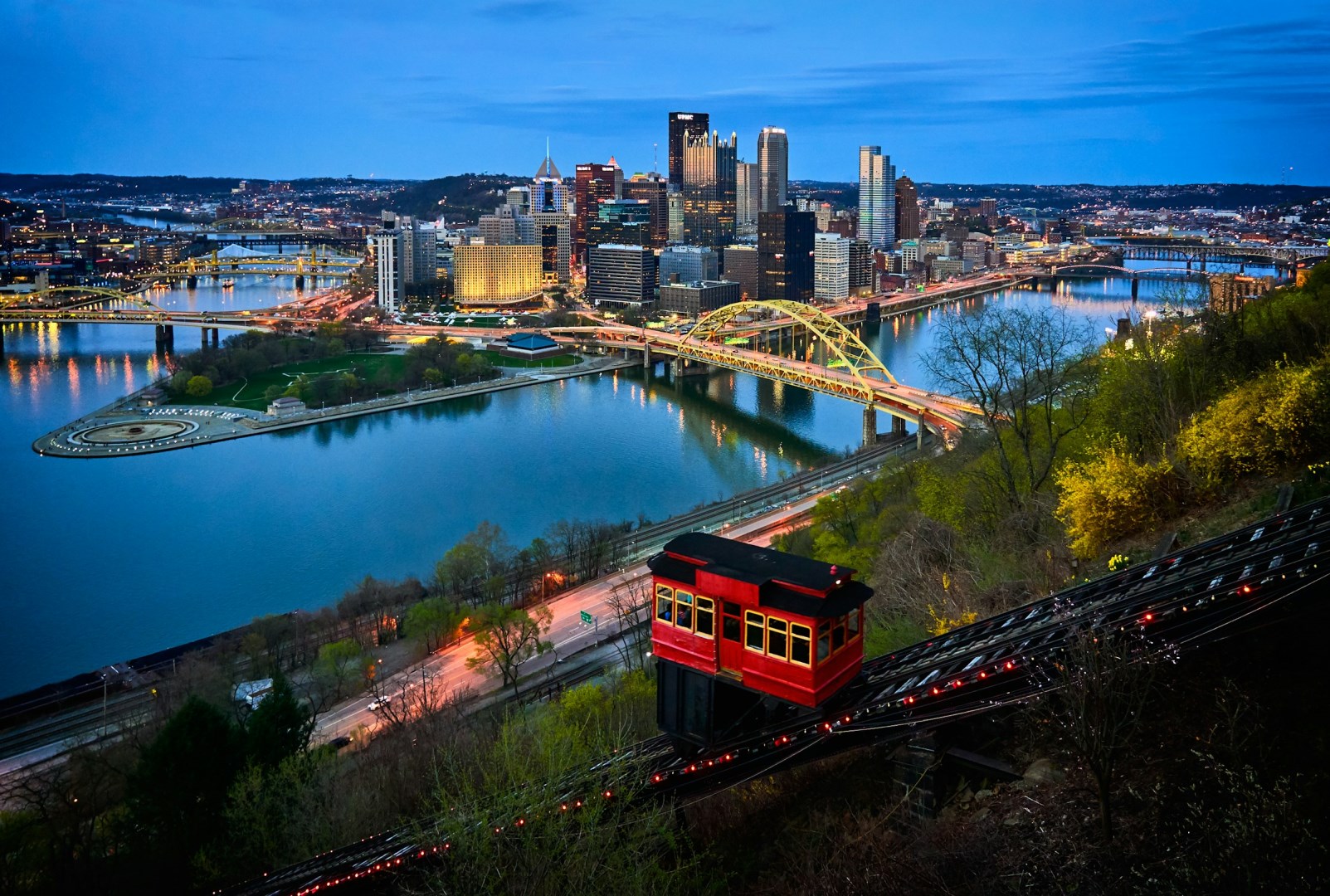
Pittsburgh
Located in Pennsylvania, Pittsburgh is one of the oldest cities in the nation.
La Fortuna
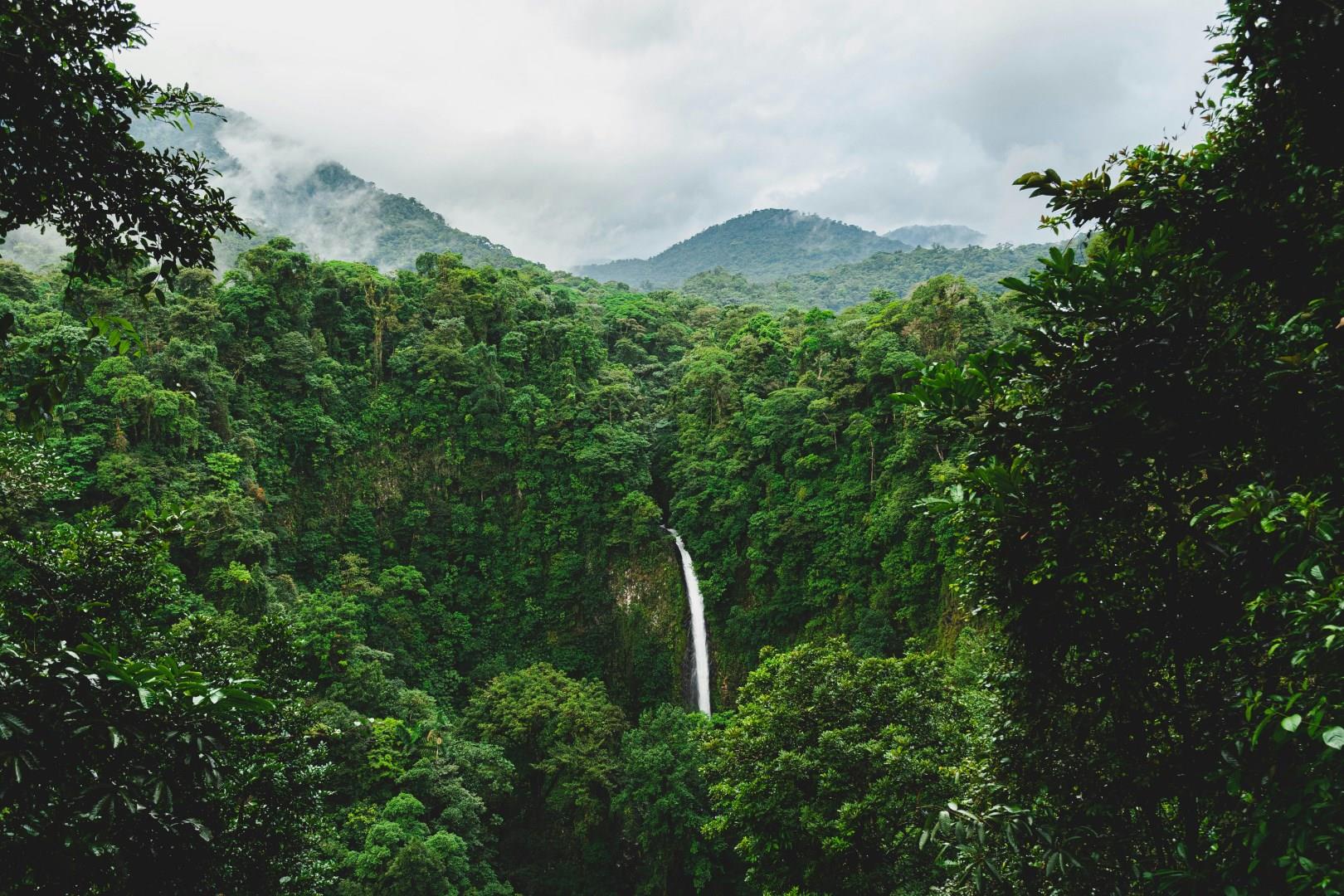
La Fortuna is a town in northern Costa Rica, located in the San Carlos region at the base of Arenal Volcano. It is known for rainforest landscapes, geothermal hot springs, and outdoor activities connected to the surrounding mountains and rivers.
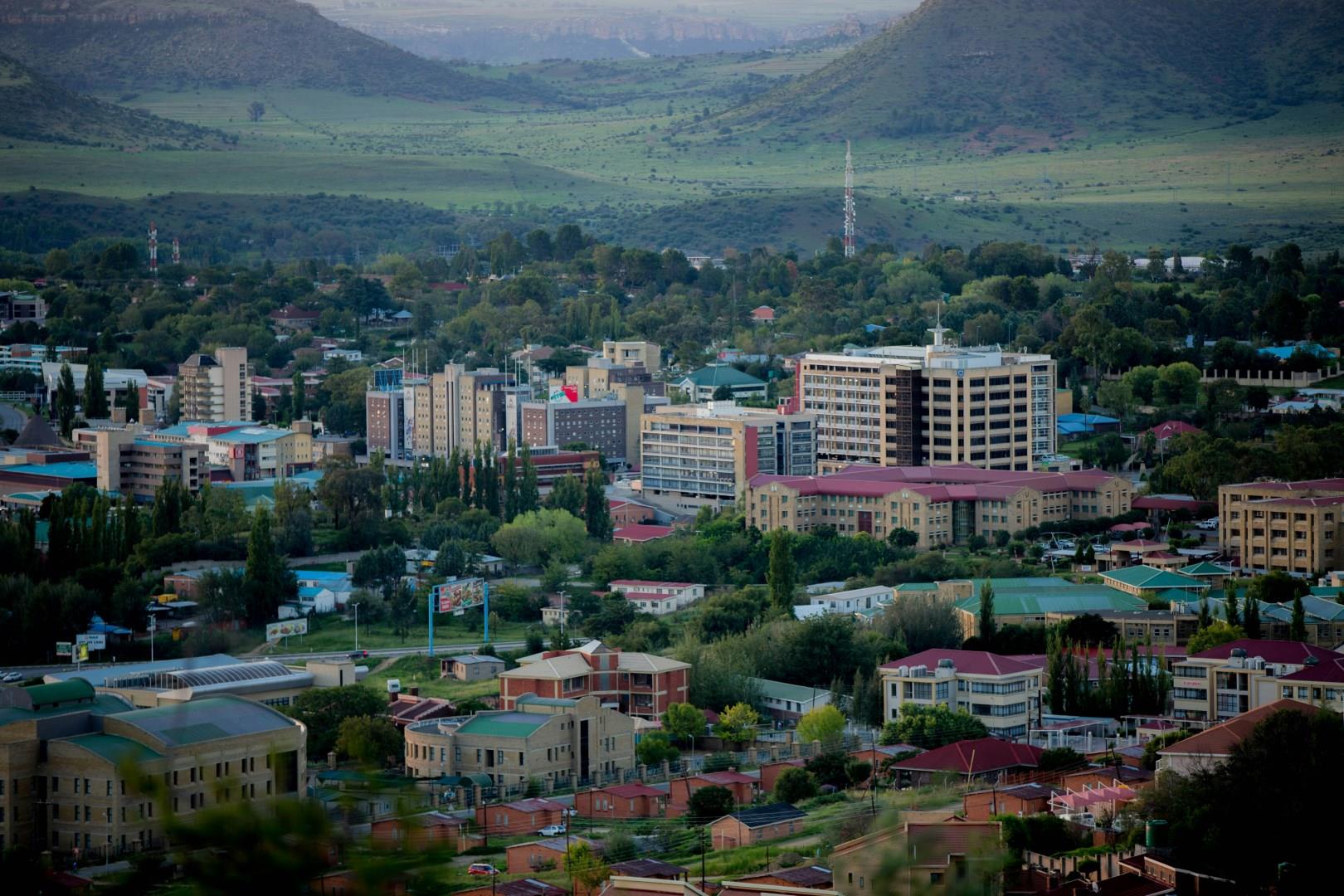
Maseru
Maseru, the capital of Lesotho, sits along the banks of the Caledon River near the border with South Africa. As the political and economic center of the country, it offers a mix of modern amenities, government offices, and bustling markets.
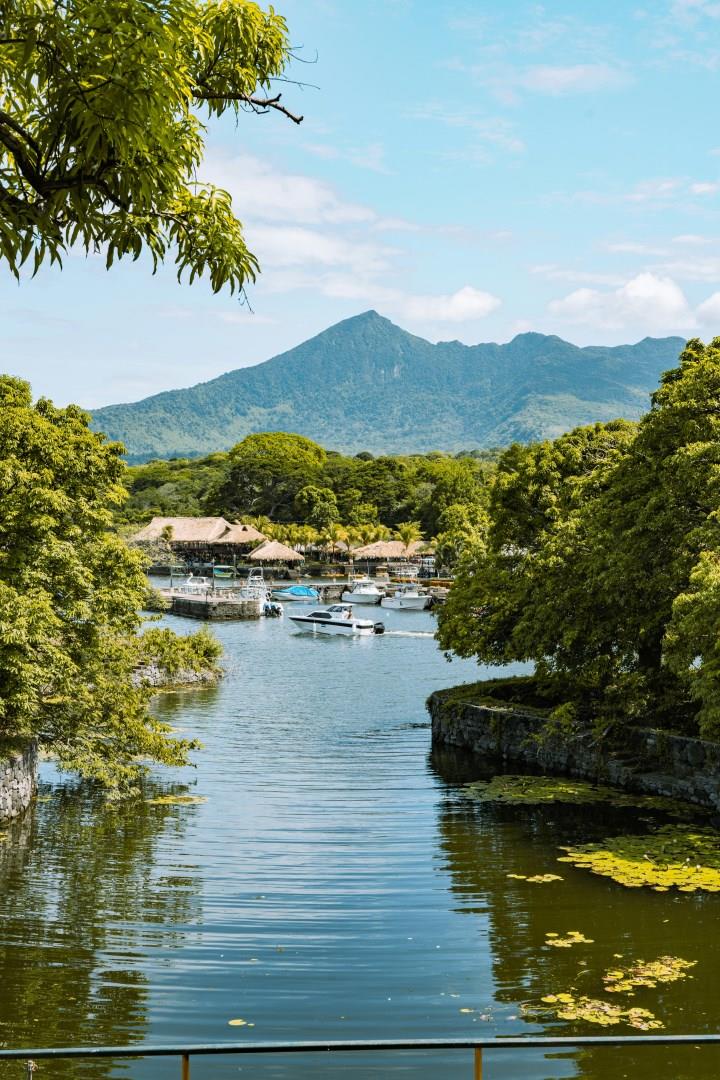
Granada
Granada, Nicaragua, founded in 1524, is one of the oldest European-established cities on the mainland of the Americas where visitors can explore cobblestone streets lined with brightly painted facades. The mustard-yellow Granada Cathedral dominates the central park and provides an easy reference point for those navigating the city on foot or by traditional horse-drawn carriage.
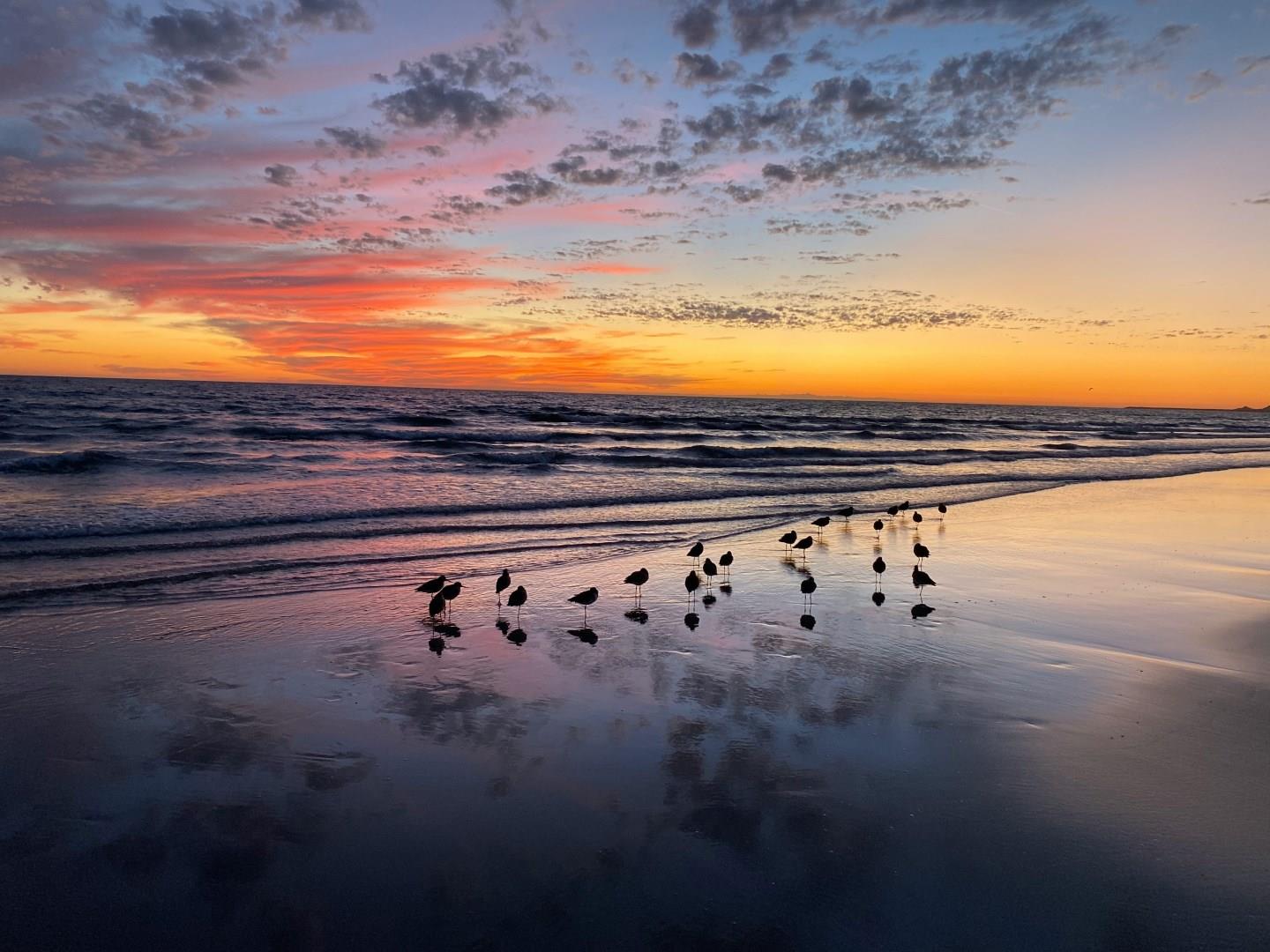
Puerto Penasco
Puerto Peñasco, also known as Rocky Point, rests along the warm waters of the Sea of Cortez in northern Sonora, Mexico. Along its shoreline, Sandy Beach draws visitors with long stretches of walkable sand and calm water, while Playa Hermosa and Playa Mirador offer quieter spots where tide pools appear as the sea pulls back. Boat rides to Bird Island, also known as Isla San Jorge, provide a rare chance to see large colonies of sea lions resting on rocky ledges.