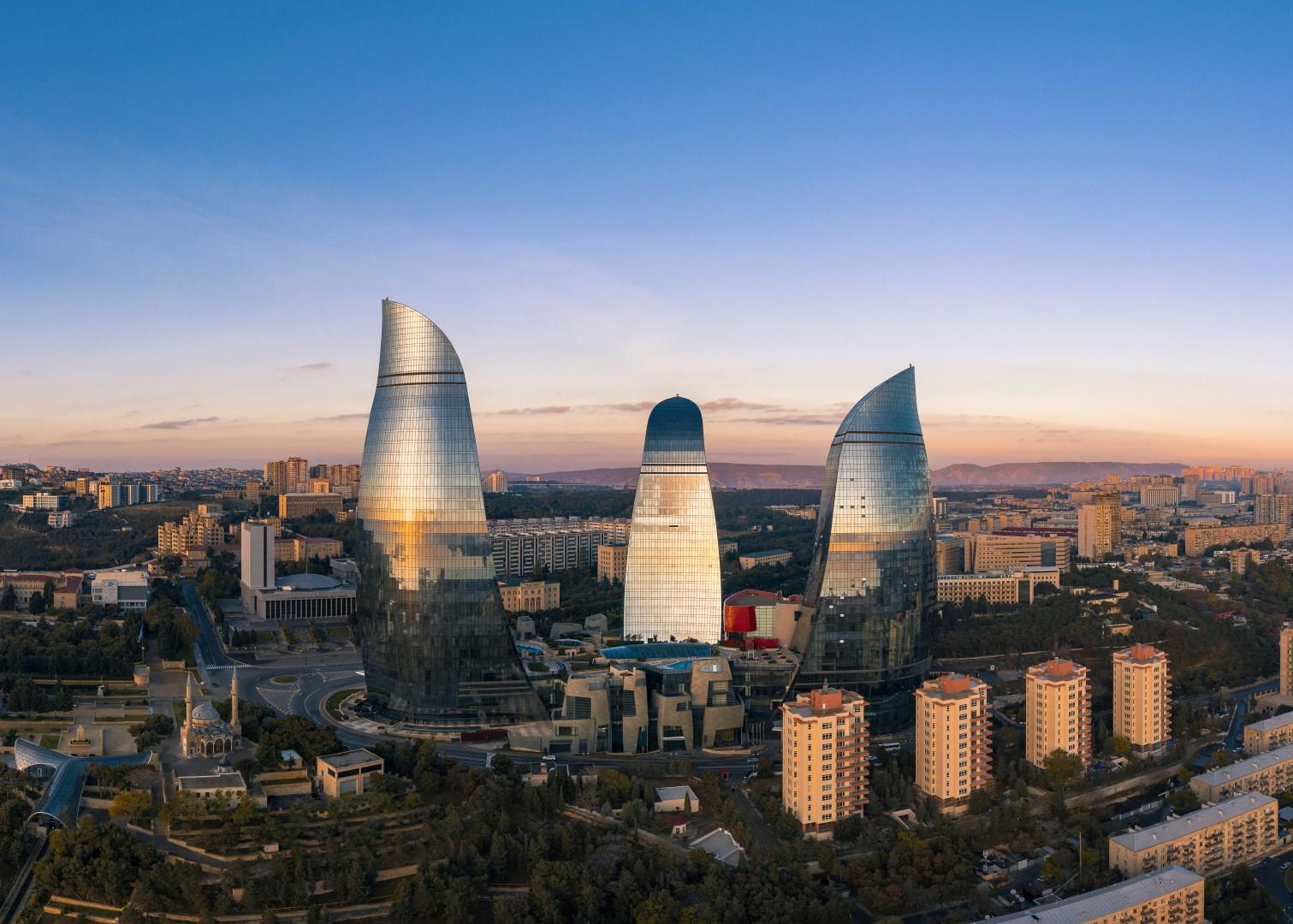
Baku
Baku, the capital of Azerbaijan, rises on the shores of the Caspian Sea as a city of striking contrasts. Its futuristic skyline, defined by the Flame Towers, glows each evening in waves of light, while the UNESCO-listed Old City preserves centuries of history within its fortified walls.

Etosha National Park
Etosha National Park, located in northern Namibia, is one of Africa’s most renowned wildlife destinations. Covering nearly 8,500 square miles, it is centered around the Etosha Pan, a massive salt flat that can be seen from space. During the dry season, animals gather around waterholes, creating spectacular wildlife viewing opportunities that attract visitors from around the world.

Angola
Angola is one of Africa’s most surprising travel destinations, where modern cities meet ancient traditions and landscapes range from dramatic waterfalls to endless Atlantic beaches. In the capital of Luanda the waterfront promenade known as the Marginal buzzes with music, food stalls, and sunset views. A short drive away, the Fortress of São Miguel panoramic views of the bay.
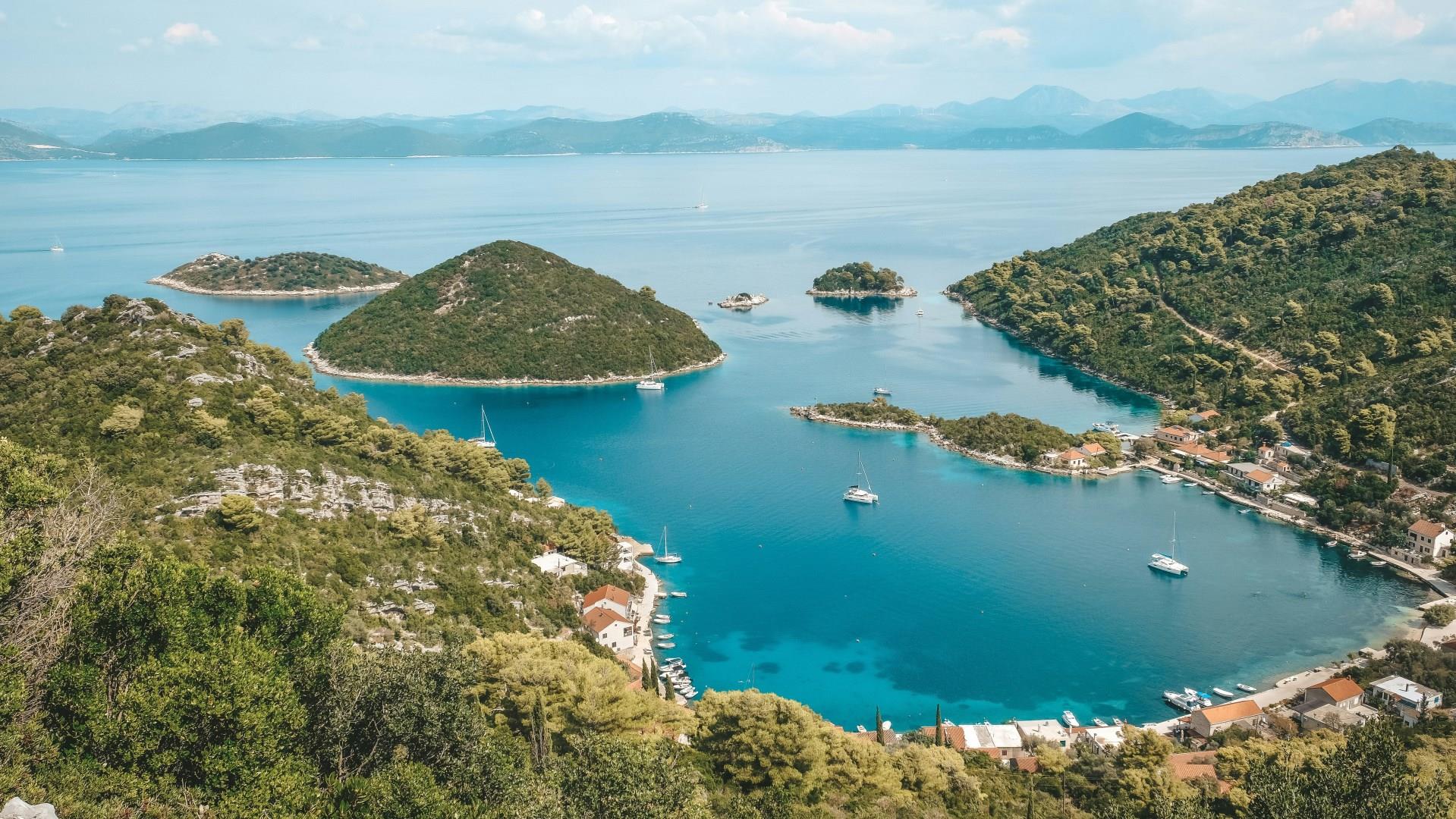
Mljet National Park
Mljet National Park sits on the western side of Mljet Island in Croatia’s Adriatic Sea, a place where saltwater lakes meet ancient forest pathways. The park stretches across nearly one-third of the island, with Veliko Jezero (Great Lake) and Malo Jezero (Small Lake) as their most striking features. These two saltwater lakes are connected by a narrow channel to the open sea, creating calm blue waters that draw visitors for swims, casual kayak outings, or peaceful cycles around the shaded paths.
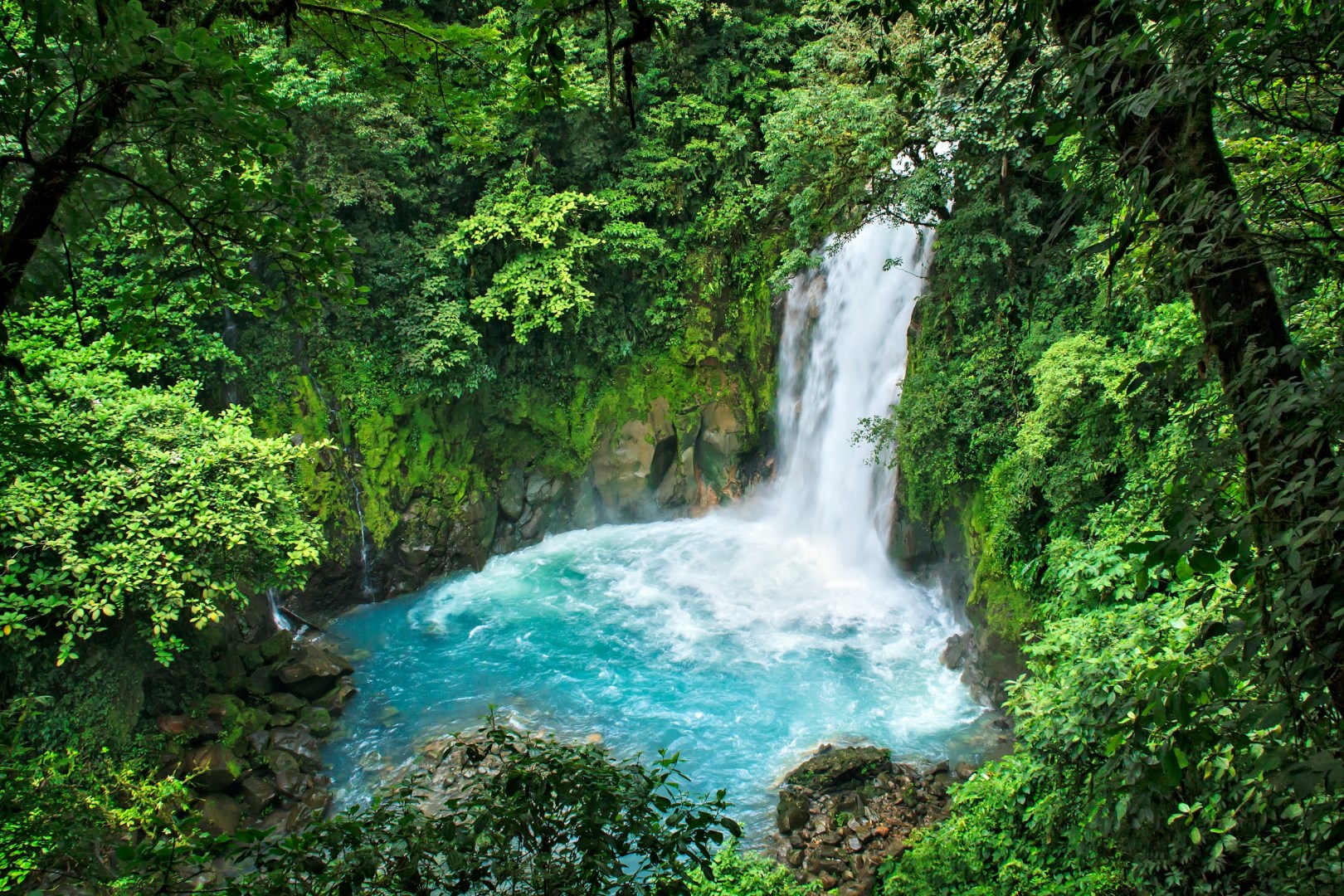
Tenorio Volcano National Park
A relatively recent addition to Costa Rica's list of national parks is Tenorio Volcano National Park, home to its namesake Tenorio Volcano as well as its taller sister, Miravalles Volcano, also the highest mountain in the Guanacaste Mountains.