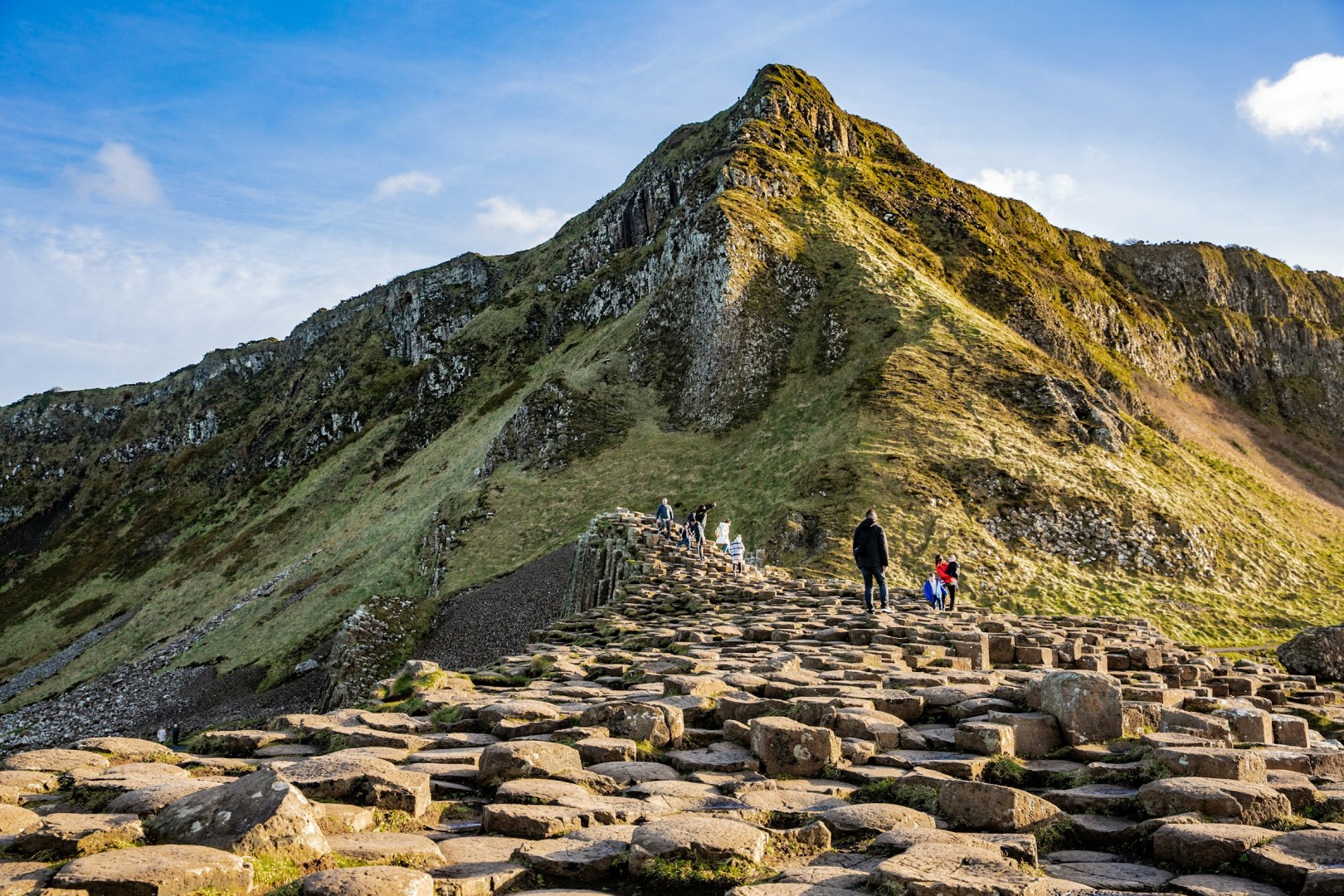
Giant's Causeway
Giant’s Causeway is a remarkable coastal formation on the north coast of County Antrim, Northern Ireland, where roughly 40,000 interlocking basalt columns extend from the foot of the cliffs into the sea. Most columns have a distinctive polygonal shape, created as layers of molten basalt cooled and contracted. The site forms part of the Giant’s Causeway and Causeway Coast UNESCO World Heritage Site and is protected as an important geological landscape.
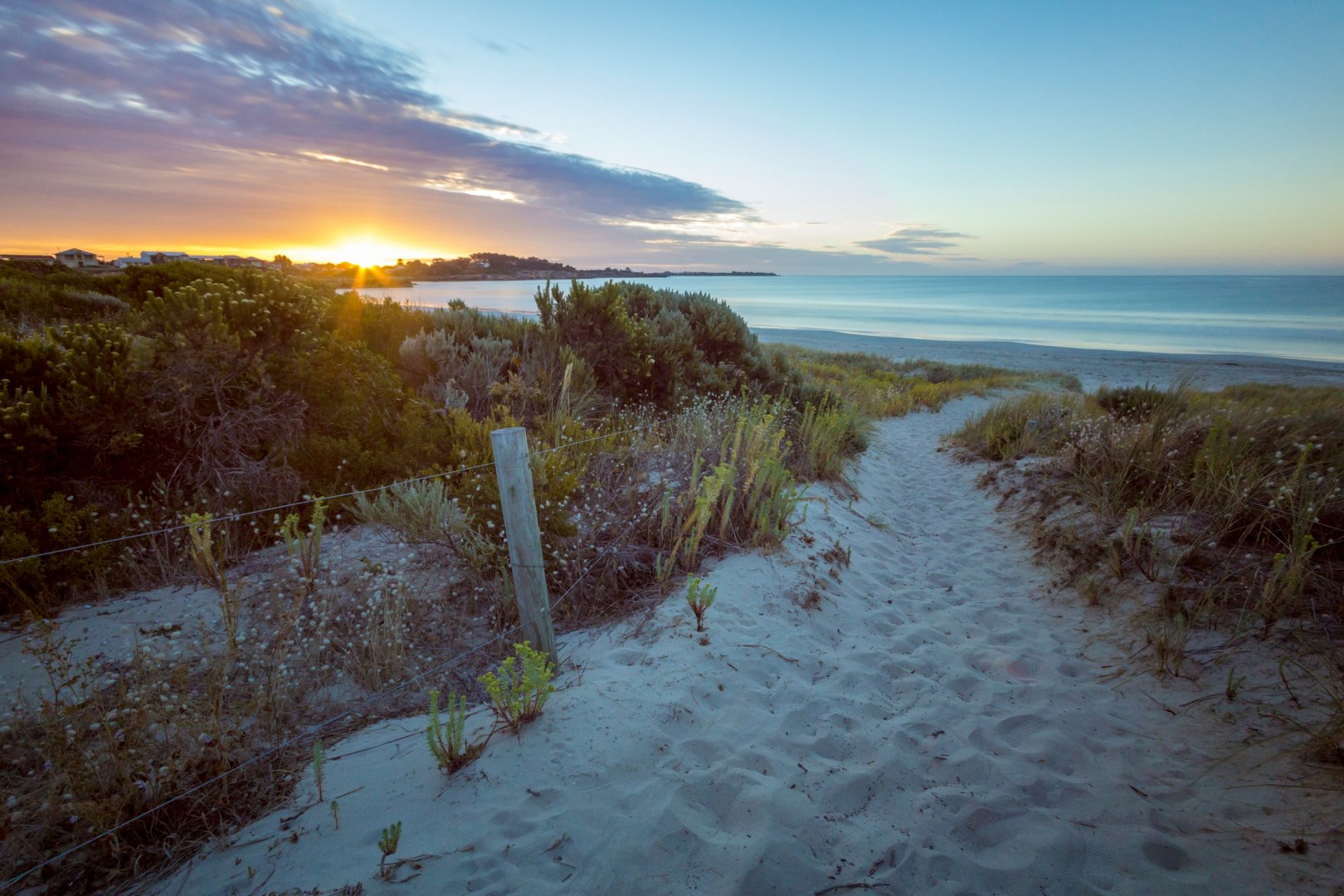
Robe
Robe is a small coastal town on South Australia’s Limestone Coast, overlooking Guichen Bay between long beaches, low dunes, lakes, and rocky headlands. Its setting combines a working fishing community with a historic town center containing numerous heritage-listed buildings. Robe developed as a port serving the pastoral districts of the southeast, and its maritime character remains visible around the harbor and waterfront.
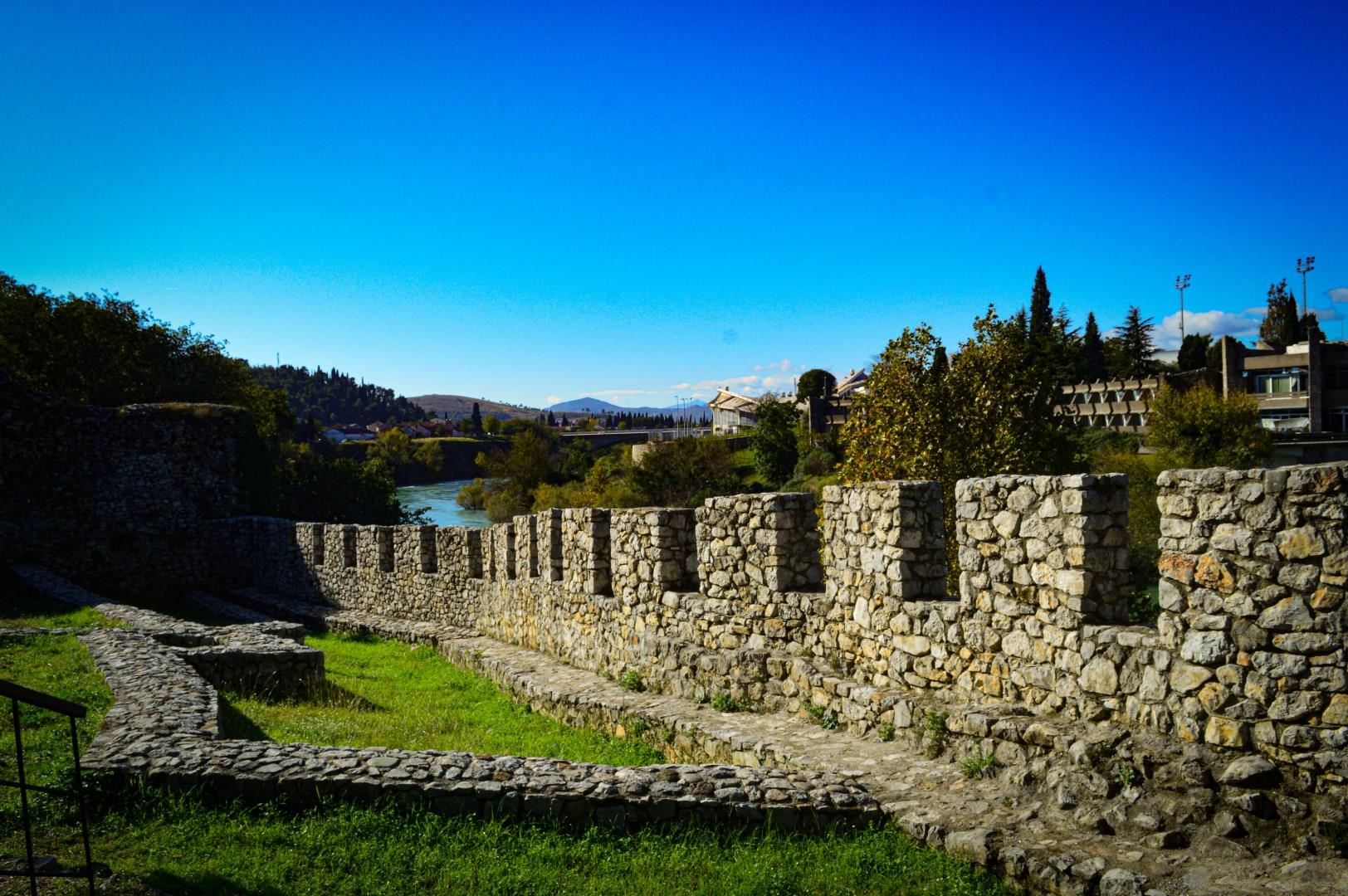
Podgorica
Podgorica, the capital of Montenegro, showcases the country’s contrasting landscapes and deep-rooted history. Although much of the city was rebuilt after World War II, traces of its Roman and Ottoman past still remain. Visitors can explore the ruins of Doclea, a Roman settlement just outside the city, where surviving columns and mosaics give a glimpse into life nearly two millennia ago.
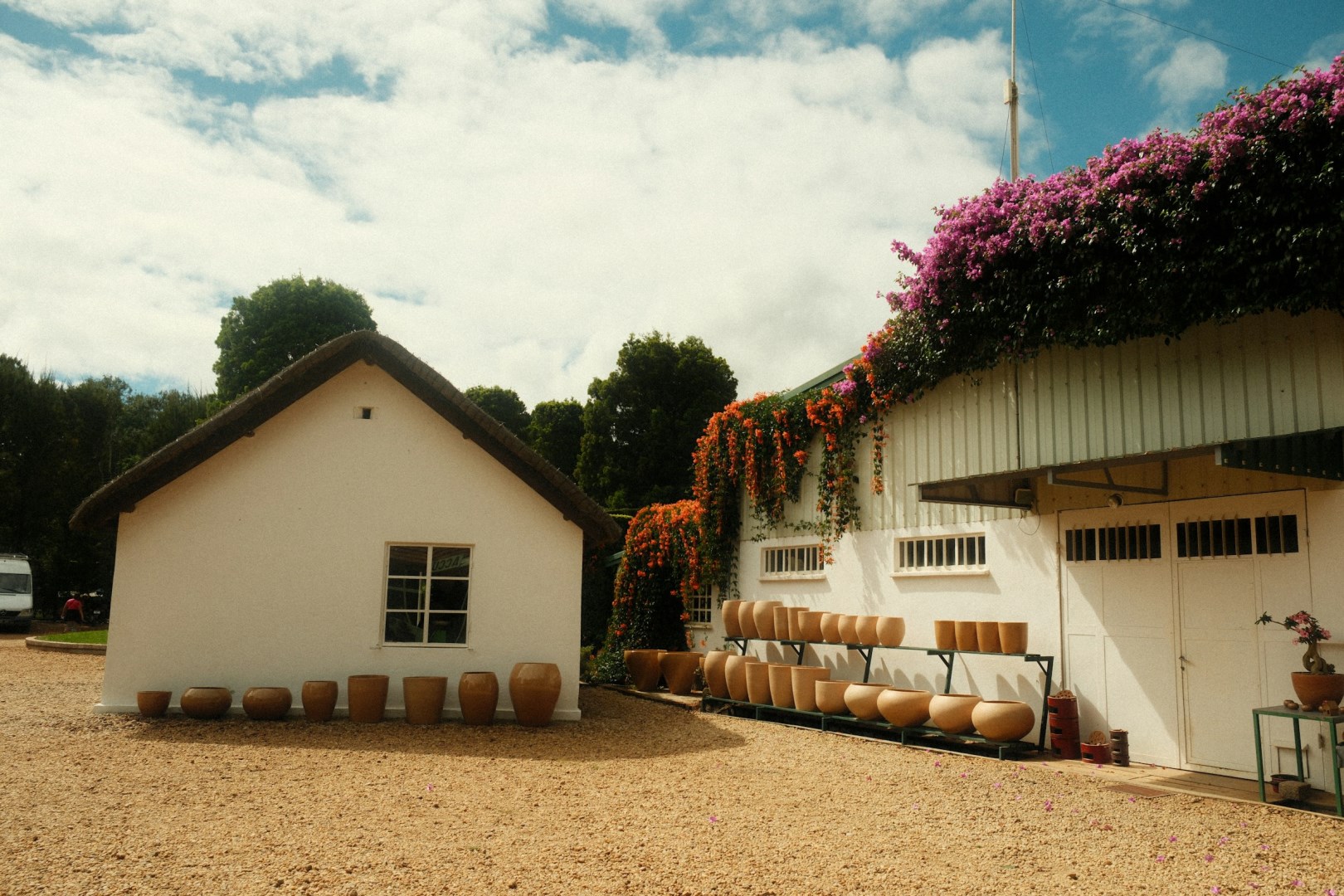
Antsirabe
Antsirabe is a highland city in central Madagascar, known for its cool climate, broad streets, thermal springs, and distinctive cycle rickshaws called pousse-pousse. Located in a fertile agricultural region, it serves as an important center for farming, crafts, and local trade. The surrounding landscape includes rice fields, volcanic hills, and cultivated countryside, while the city itself has a more orderly layout than many other Malagasy towns.
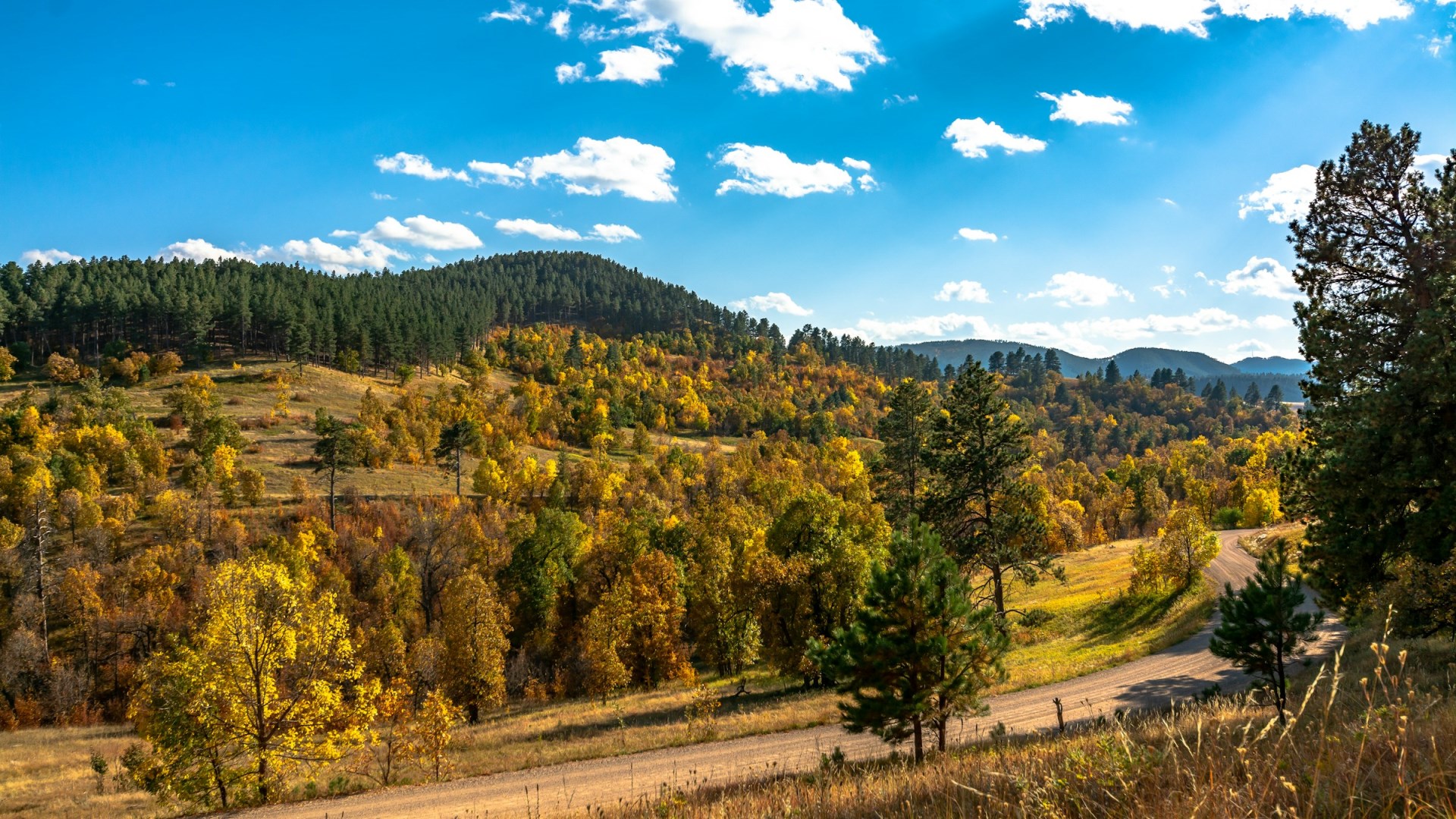
Sturgis
Sturgis is a small city in western South Dakota, positioned on the northern edge of the Black Hills where forested mountains meet the open Great Plains. The city is surrounded by ponderosa pine hills, rocky ridges, and broad prairie landscapes, with Bear Butte rising prominently to the northeast. Sturgis serves as a gateway to the northern Black Hills and provides access to scenic roads, hiking areas, and nearby communities such as Deadwood and Spearfish.