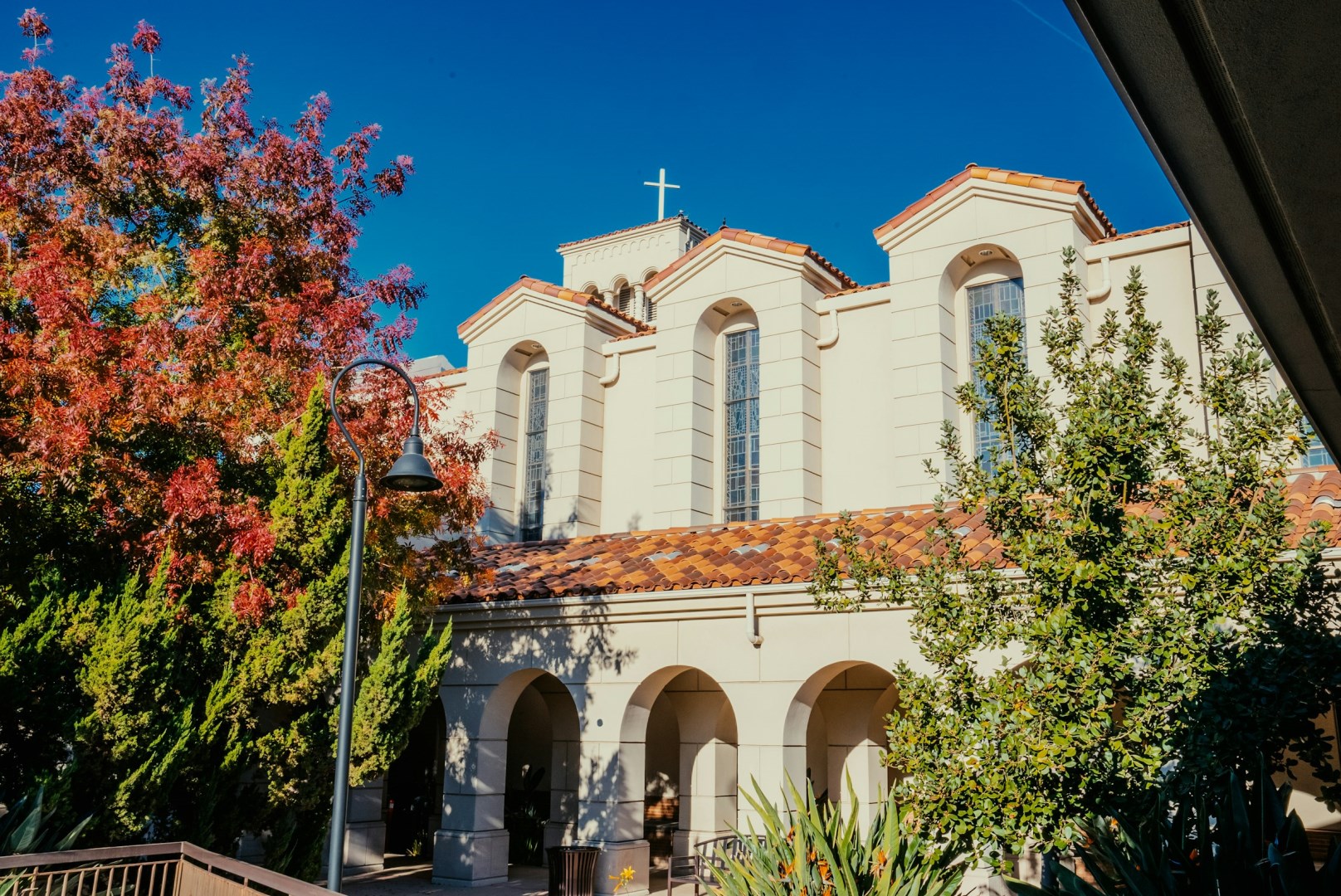
Fresno
Fresno is a major city in California’s San Joaquin Valley, positioned between the Sierra Nevada and the Coast Ranges. Its flat agricultural surroundings are among the most productive farming areas in the United States, with orchards, vineyards, vegetable fields, and citrus groves extending beyond the urban area. Fresno also serves as a regional center for education, healthcare, business, and transportation.

Leon
León, in northwest Spain, is a city where Roman, medieval, and modern layers coexist. Its historical heart features the León Cathedral with its remarkable stained glass, the Basilica of San Isidoro, and winding streets that hint at centuries of trade and culture.
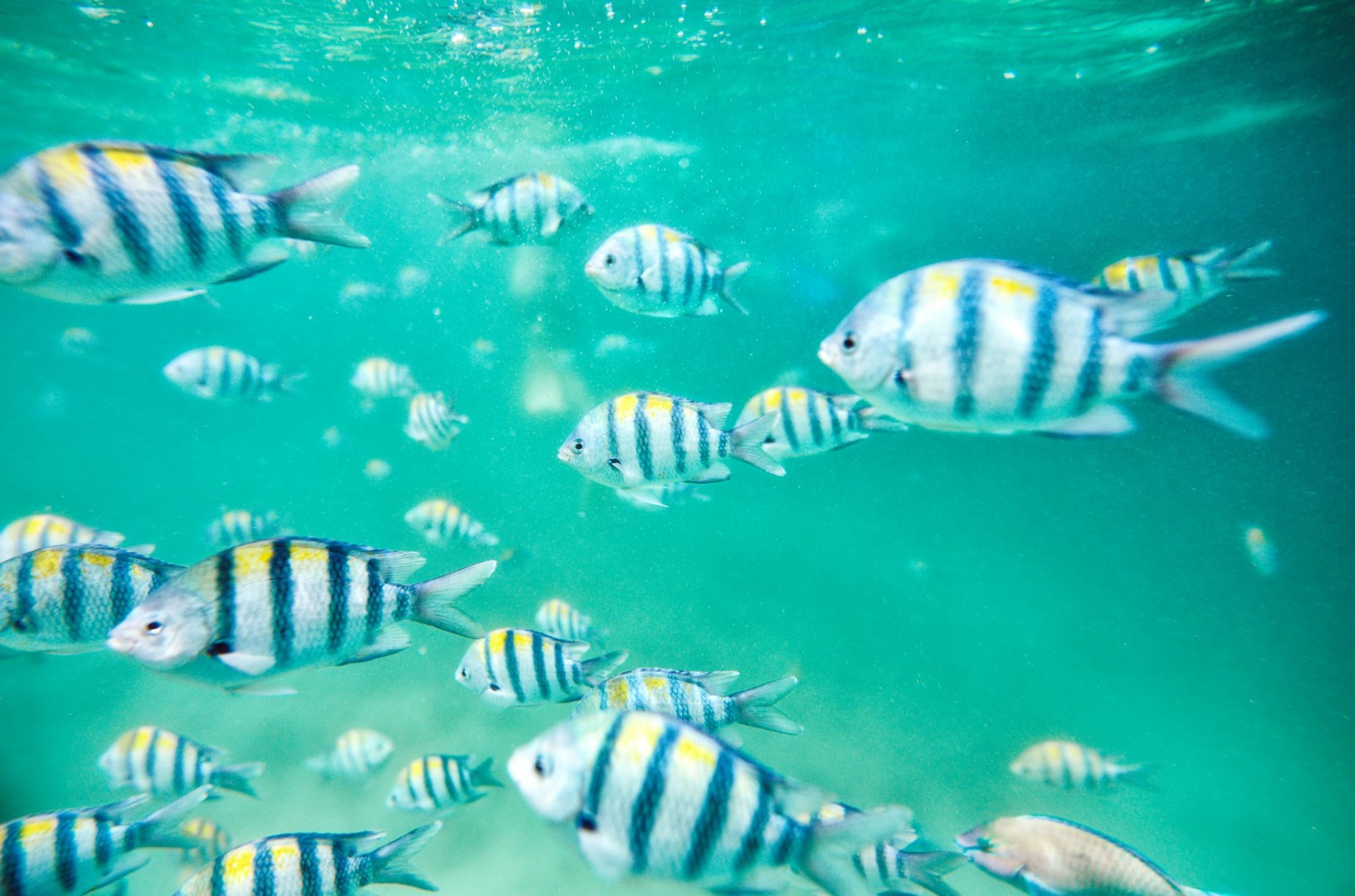
Gili Islands
The Gili Islands are a group of three small islands off the northwest coast of Lombok in West Nusa Tenggara: Gili Trawangan, Gili Meno, and Gili Air. Each island has a distinct character, but all are surrounded by clear tropical waters, coral reefs, and sandy beaches. Gili Trawangan is the largest and most developed, Gili Meno is quieter and less populated, while Gili Air combines tourism with a resident island community.
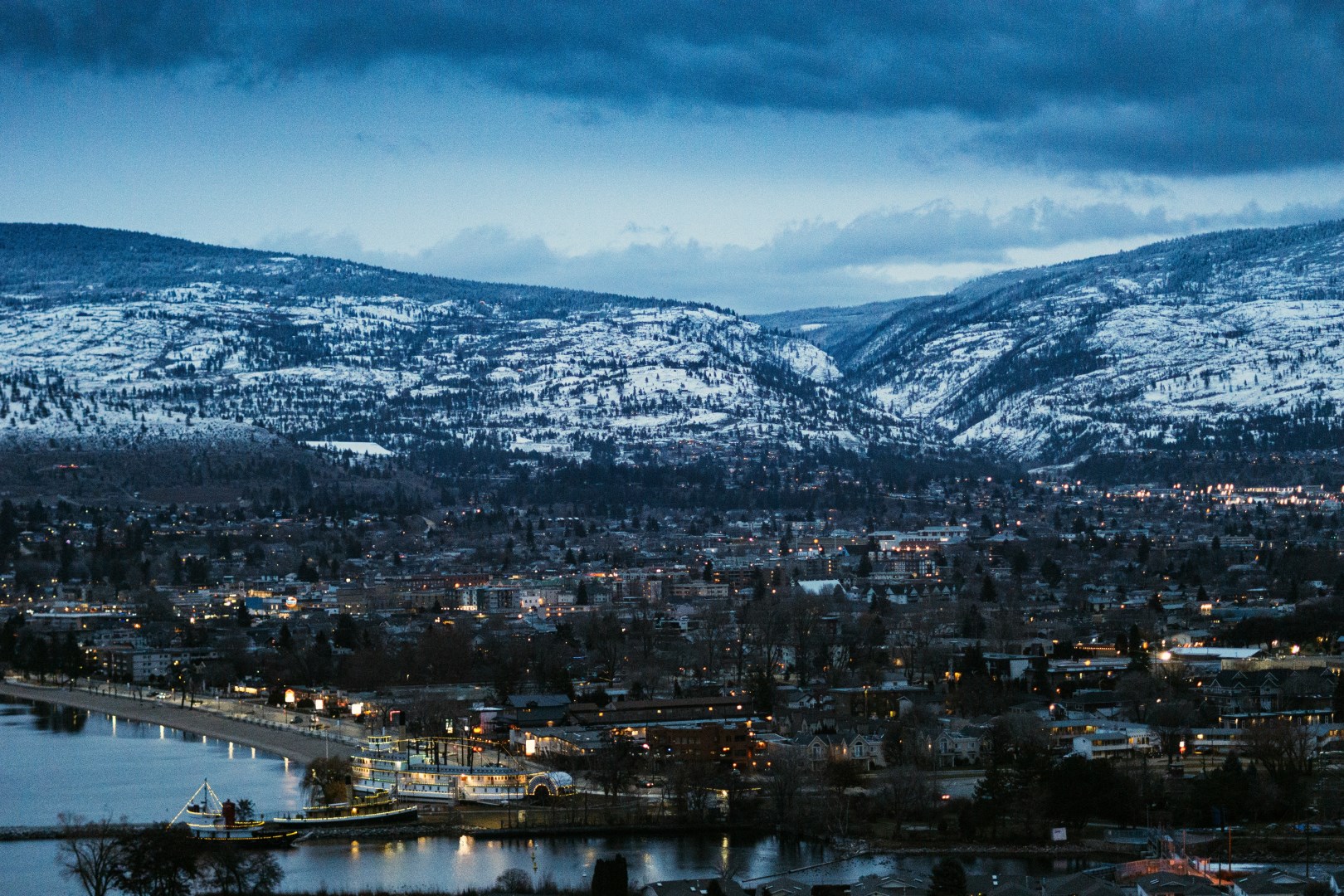
Penticton
Penticton is a city in British Columbia’s Okanagan Valley, located between Okanagan Lake and Skaha Lake. The city is known for its warm summers, long lakefronts, and strong connection to wine production and outdoor recreation.
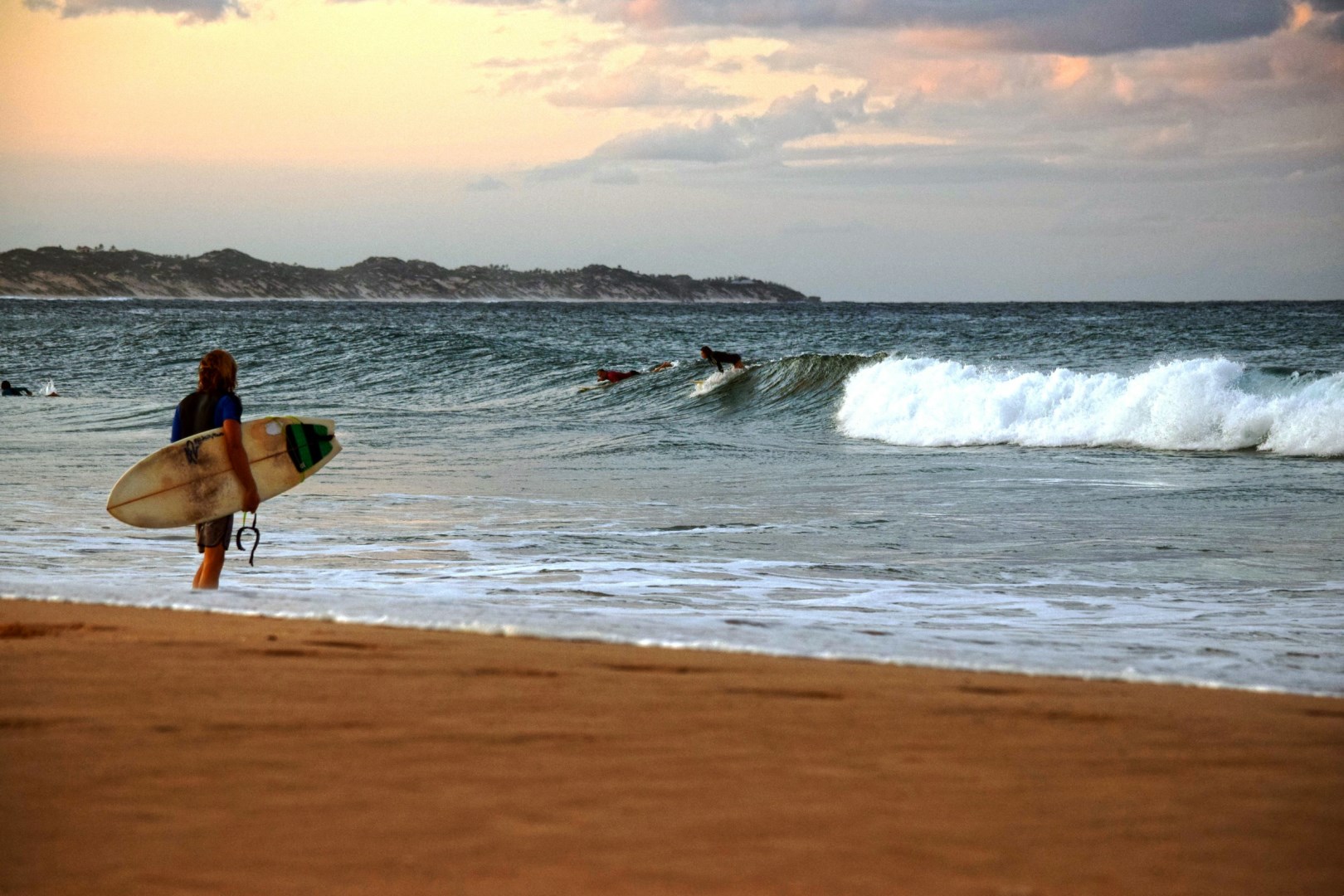
Tofo Beach
Tofo Beach is a coastal village and beach destination in Inhambane Province, southern Mozambique, overlooking the Indian Ocean. The settlement is known for its broad sandy beach, warm water, coastal dunes, and strong connection to marine activities. Tofo has a relaxed village setting with restaurants, guesthouses, small shops, and local markets close to the shore. Its location near Inhambane city makes it one of the province’s best-known coastal destinations.