Paramaribo, Suriname’s capital, unfolds like a living storybook along the Suriname River, where wooden structures from the 17th and 18th centuries still stand today. This historic heart reveals a rare fusion of Dutch design and local craftsmanship. Visitors can stroll the Waterkant, a riverside avenue, and take in landmarks such as Fort Zeelandia, the neoclassical Reformed Church, and the lofty wooden Cathedral of St. Peter and Paul.
Lagos, Nigeria’s largest city and economic hub, is located on the country’s southwestern coast along the Atlantic Ocean. It is a bustling metropolis where modern skyscrapers and commercial centers meet historic neighborhoods and lively markets.
Sagres sits at the southwestern edge of continental Europe in Portugal’s Algarve region, where the Atlantic’s wide horizon meets rugged cliffs and open skies. For centuries this point was linked to maritime adventure and visitors can still feel that sense of discovery in the air. Here, people like Prince Henry the Navigator gathered cartographers, shipbuilders and astronomers in the 1400s to push beyond maps of the known world and shape the early Age of Discovery from Sagres’ dramatic headlands.
Bacalar sits on the tranquil shores of Laguna de Bacalar in southern Quintana Roo, Mexico, and has been a meeting place for people and cultures for centuries. Its name comes from the ancient Maya phrase Sian Ka’an Bakhalal, meaning “where the sky is born,” a reminder of how deeply this place figures in regional history and identity.
San Sebastián, or Donostia, is a gem nestled on Spain's northern coast, renowned for its stunning beaches, world-class cuisine, and vibrant cultural scene. With its picturesque bay, La Concha, often ranked among the world's most beautiful city beaches, this Basque city offers a perfect blend of natural beauty and urban sophistication.
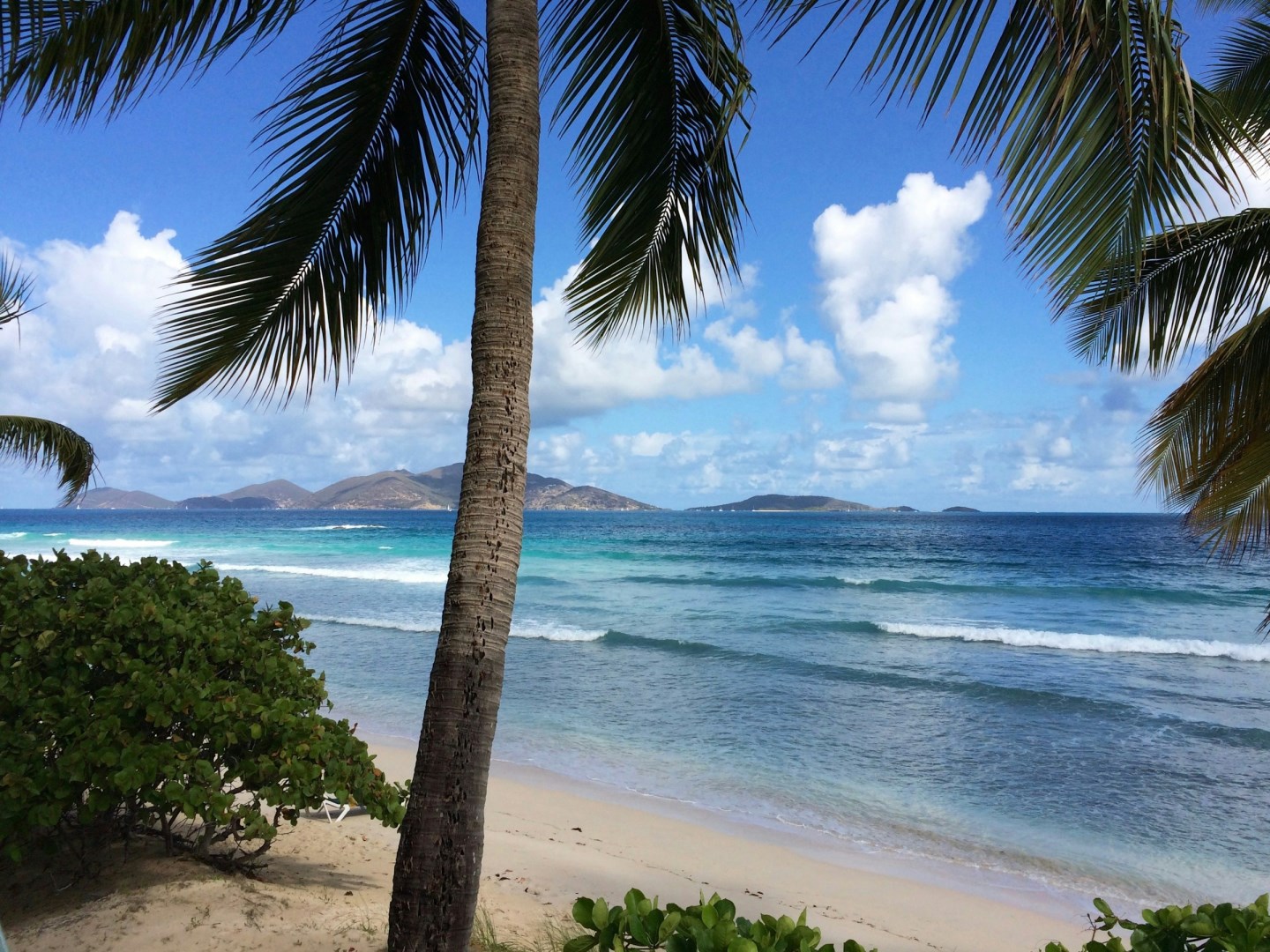
Tortola, the largest island in the British Virgin Islands, beckons travelers with its idyllic beaches and vibrant culture. Known for its stunning natural beauty, Tortola offers crystal-clear waters, lush landscapes, and a range of outdoor activities. Cane Garden Bay, one of the island’s most famous beaches, is renowned for its powdery white sand and turquoise waters. Whether you’re lounging under a palm tree or snorkeling among vibrant coral reefs, this beach provides a quintessential Caribbean experience. For more information on activities, visit the British Virgin Islands Tourism website.
The island’s capital city, Road Town, is a lively hub of local culture and commerce. Here, visitors can explore the colorful markets and historical sites such as the Old Government House Museum. This museum offers insights into the island's colonial past and its transformation into a modern destination. The town also features charming shops and restaurants where you can savor local cuisine, including fresh seafood and Caribbean specialties.
For nature enthusiasts, Tortola is a paradise. Hike the trails of Mount Sage National Park, the highest point on the island, to enjoy panoramic views of the surrounding archipelago. The park’s diverse flora and fauna make it a rewarding destination for eco-tourists. Additionally, Tortola is a gateway to the nearby Virgin Gorda and Anegada islands, each offering unique attractions such as the famous Baths on Virgin Gorda and the stunning coral reefs of Anegada.
Fun Fact: Tortola is named after the Spanish word "tortola," which means "turtledove." The island’s lush environment and tranquil waters provide an ideal habitat for these birds, adding a touch of local charm to your visit.