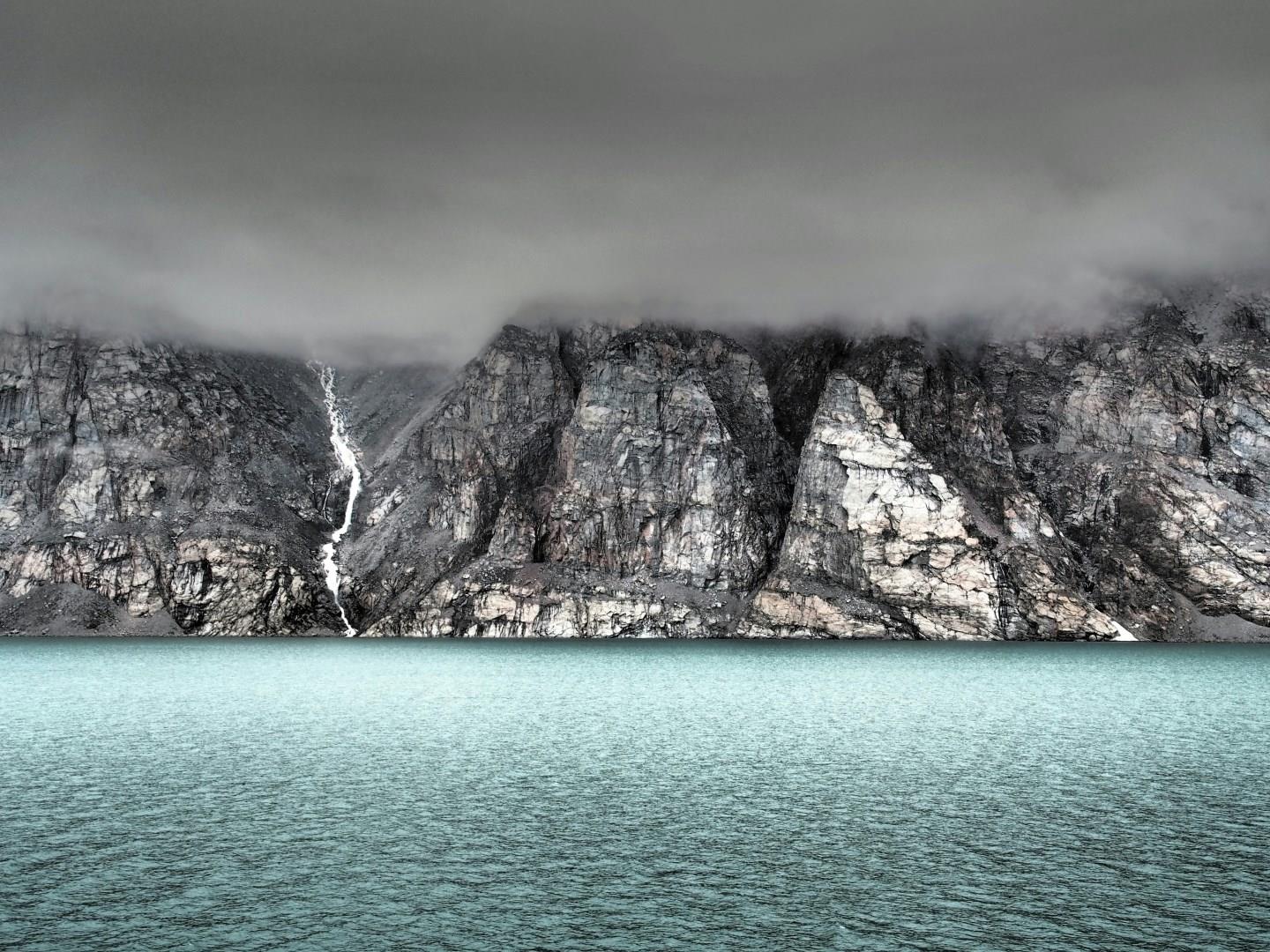
Baffin Island is Canada’s largest island and one of the Arctic’s most imposing landscapes, shaped by ice, migration, and long human presence. Inuit communities have lived here for thousands of years, developing deep connections to sea ice, wildlife, and seasonal movement.
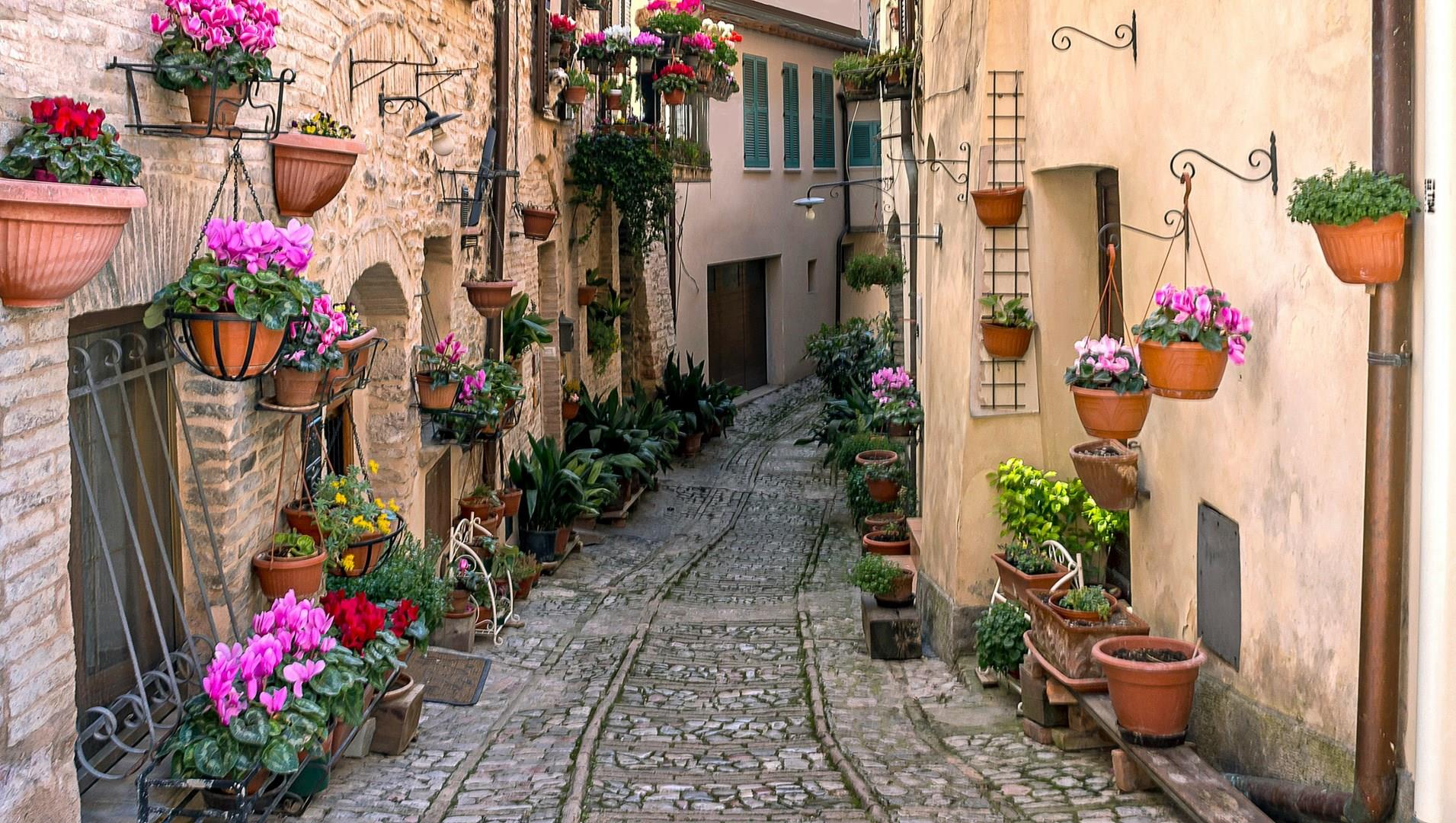
Spello sits high on the slopes of Mount Subasio in the heart of Umbria, where visitors step into a place shaped by centuries of history. Each year, Spello’s streets become a living canvas during the Infiorate di Spello, a long-standing celebration tied to Corpus Christi. Residents work through the night before the feast to lay flower petals along the town’s main thoroughfares, creating patterns and images that stretch for over a mile.
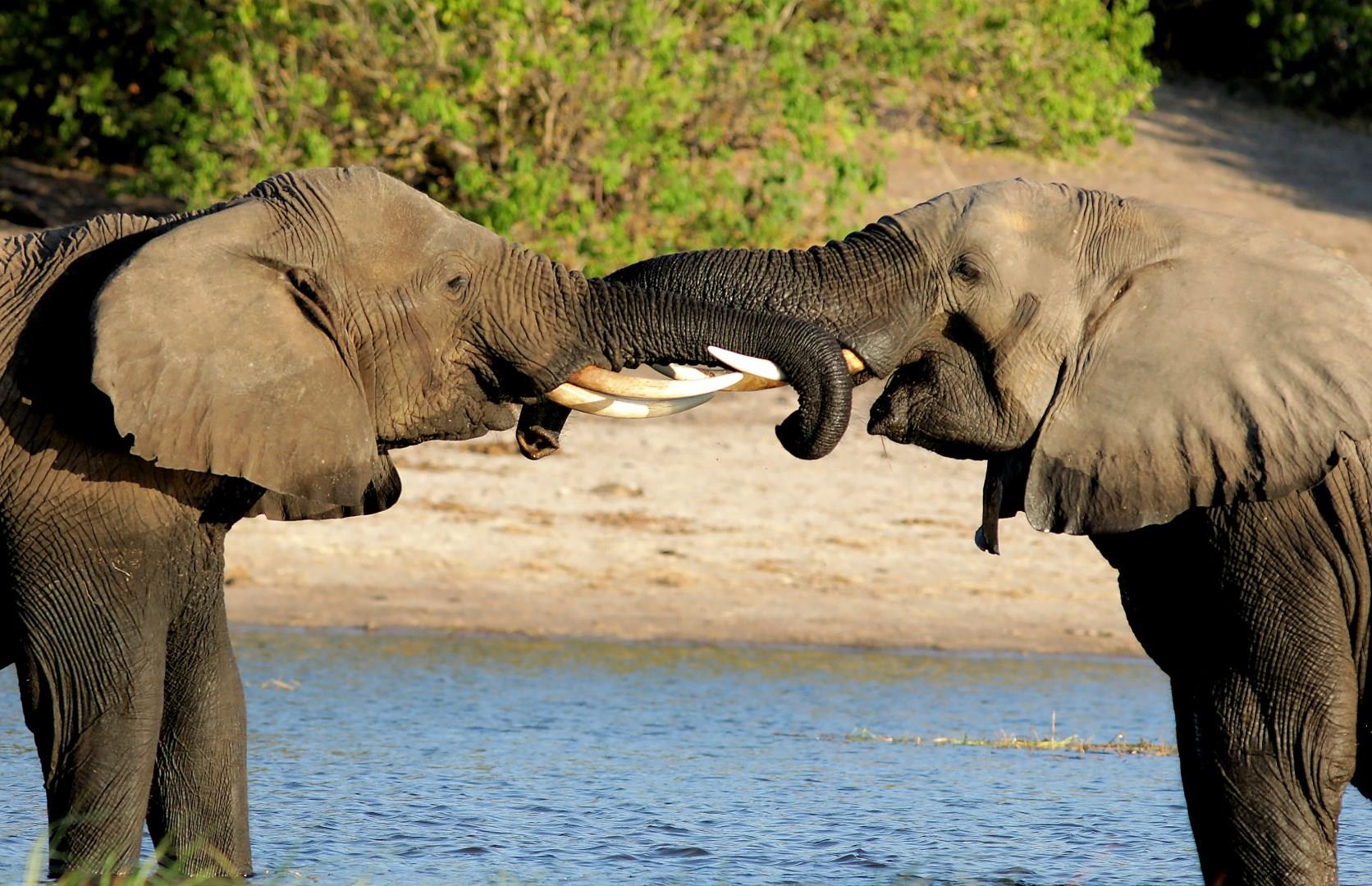
Kasane sits at Botswana’s northeastern edge, where the Chobe River meets the borders of Namibia, Zambia, and Zimbabwe. Its development is closely tied to river transport, regional trade, and wildlife management.
Warsaw stands as one of Europe’s most resilient cities, having rebuilt itself almost entirely after World War II. The Old Town, meticulously reconstructed using paintings by Italian artist Bernardo Bellotto, feels centuries old but is, in fact, less than a hundred years in its current form. Behind the medieval facades lie stories of uprisings, resistance, and quiet defiance. Visitors walking through Castle Square can enter the Royal Castle, where Poland’s Constitution of May 3, 1791 was adopted.
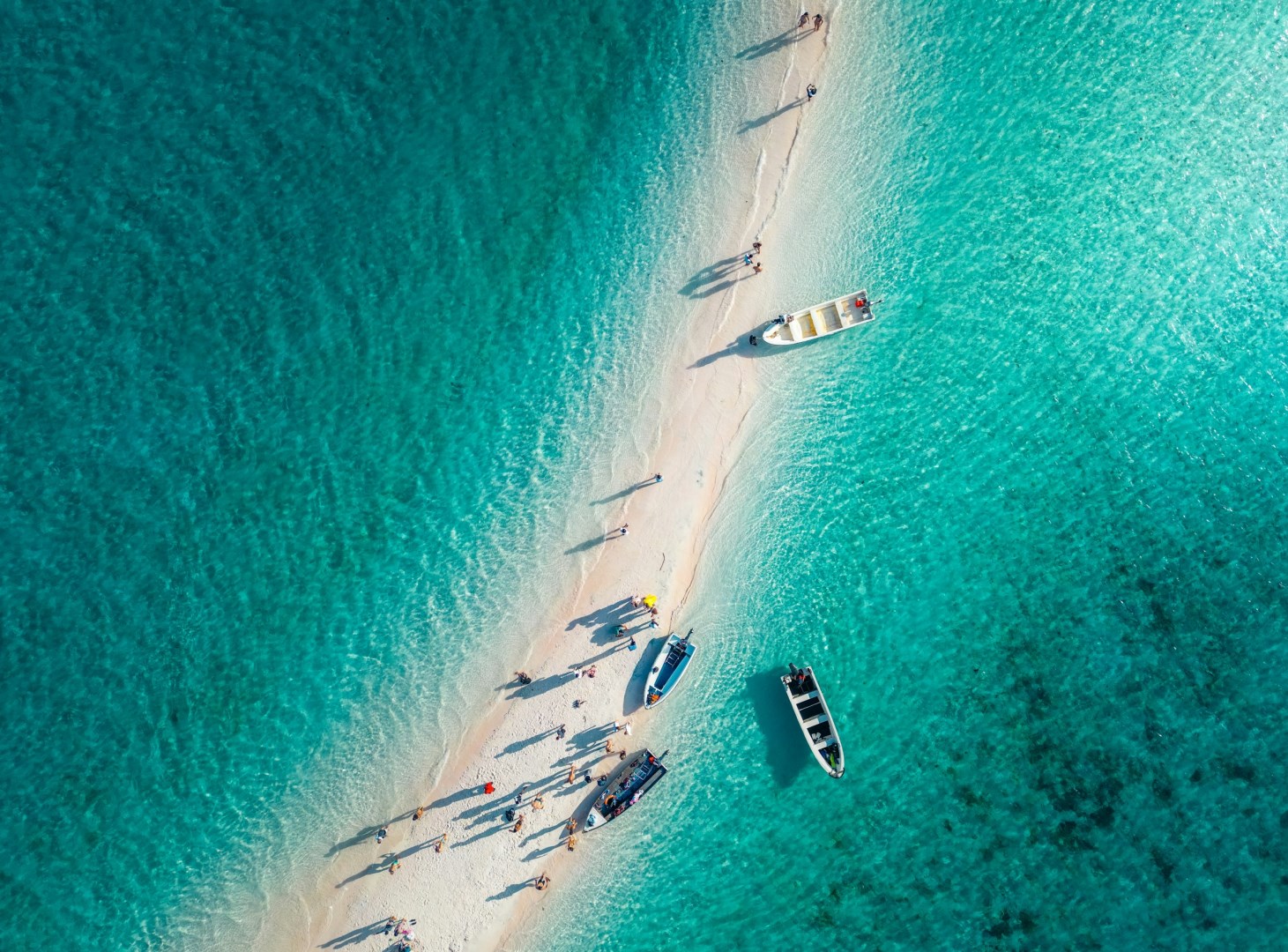
Komodo Island is famous for its Komodo dragons, the largest lizards in the world. These remarkable creatures, which can grow up to 10 feet long, roam freely on the island, offering visitors a rare chance to watch them in their natural environment.
Photo Credit: Photo by Conny Schneider on Unsplash
Photo Credit: Photo by Hendrik Cornelissen on Unsplash
Photo Credit: Photo by Fausto García-Menéndez on Unsplash
Photo Credit: Photo by Andreas M on Unsplash
Photo Credit: Photo by Kevin Charit on Unsplash
Photo Credit: Photo by Mark Pisek on Unsplash
Photo Credit: Photo by Mihály Köles on Unsplash
Photo Credit: Photo by Miltiadis Fragkidis on Unsplash
Photo Credit: Photo by Elijah G on Unsplash
Photo Credit: Photo by Andreas M on Unsplash
Photo Credit: Photo by Bertrand Borie on Unsplash
Photo Credit: Photo by Antoino Lopez on Unsplash
Photo Credit: Photo by Bastian Pudill on Unsplash
Photo Credit: Photo by Antoino Lopez on Unsplash
Photo Credit: Photo by Max Nayman on Unsplash
Photo Credit: Photo by Michele Bergami on Unsplash
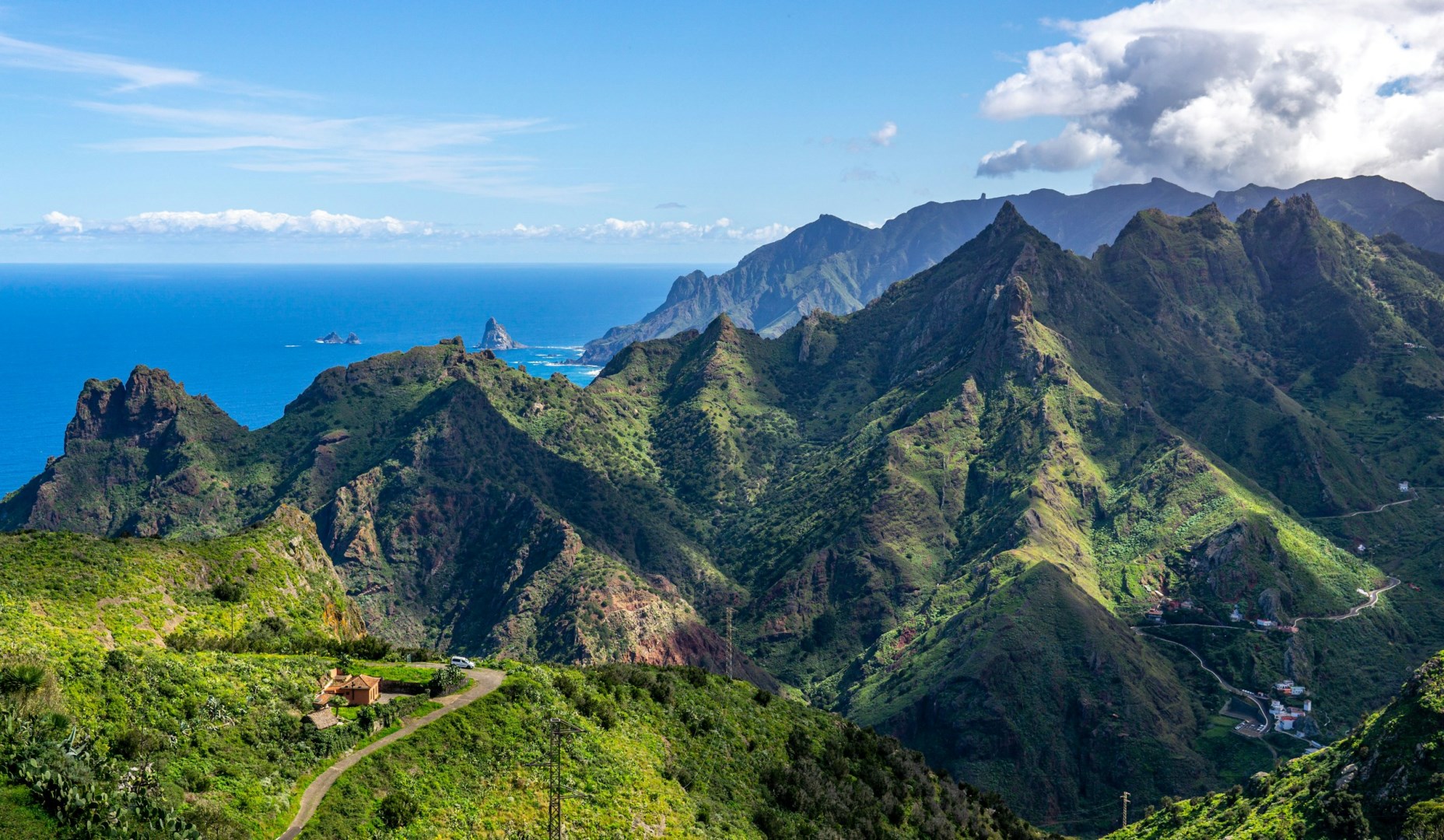
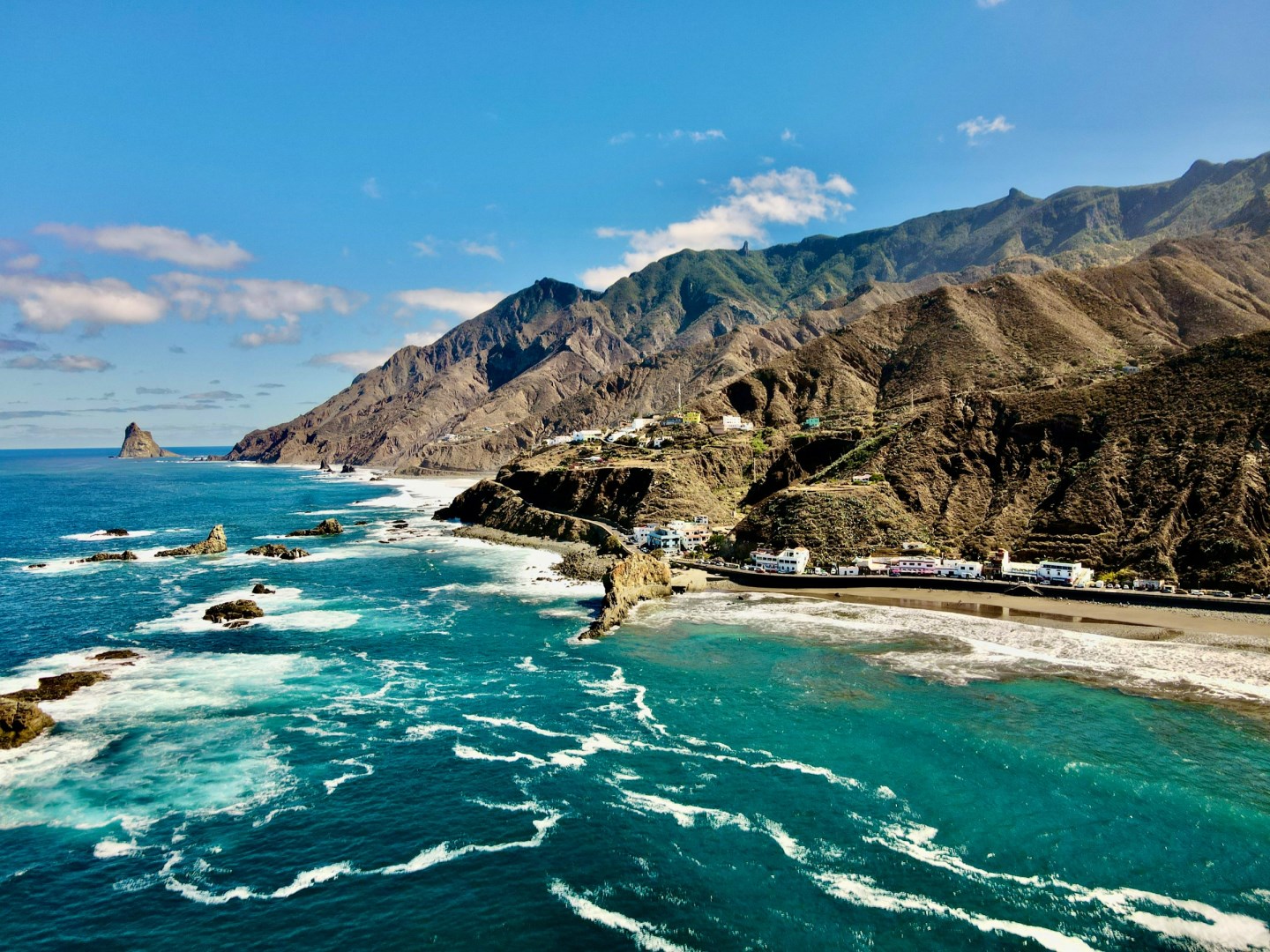
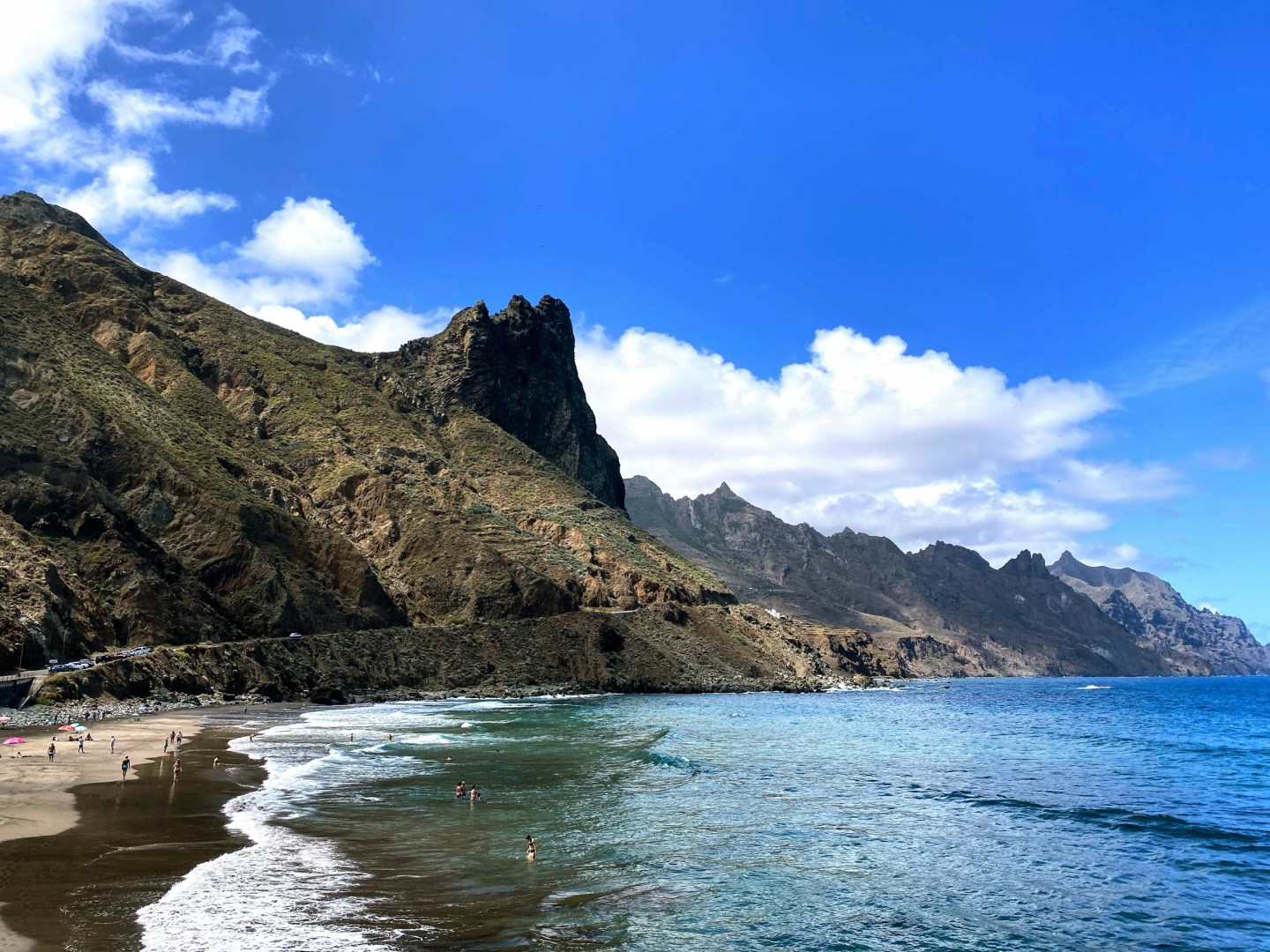
Taganana
Photo Credit: Photo by Carla M.J. Gomes on Unsplash
Photo Credit: Photo by Maksim Shutov on Unsplash
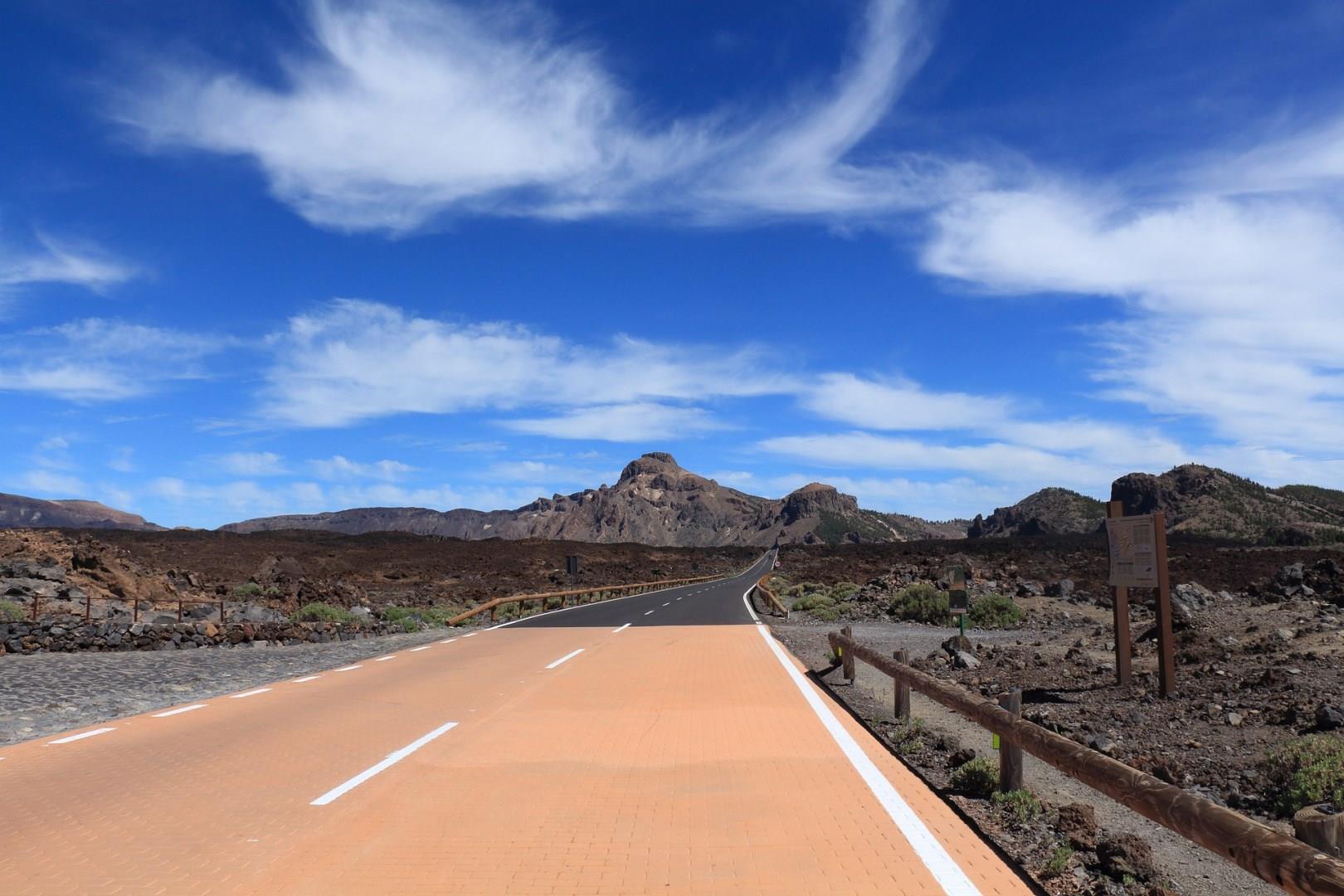
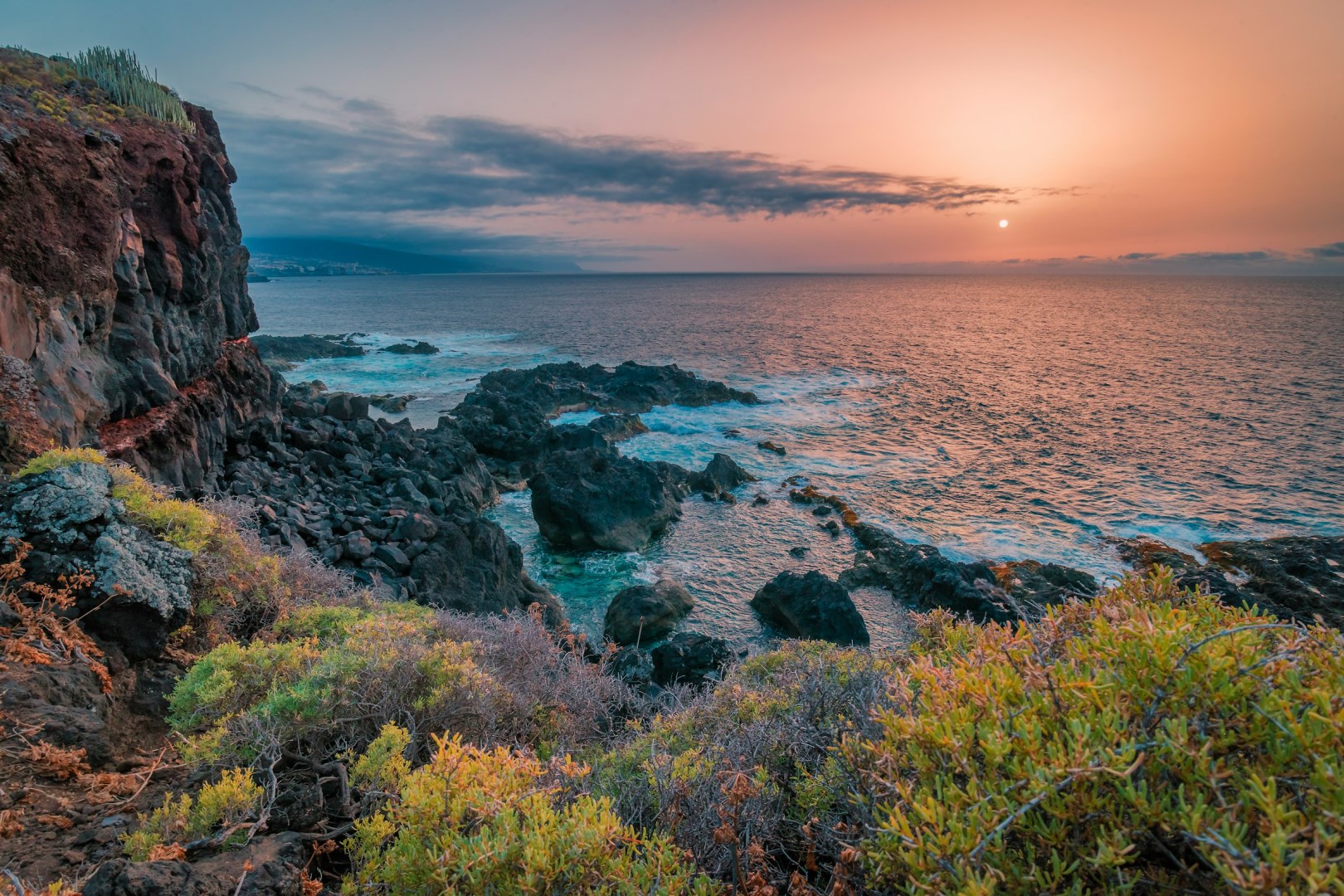
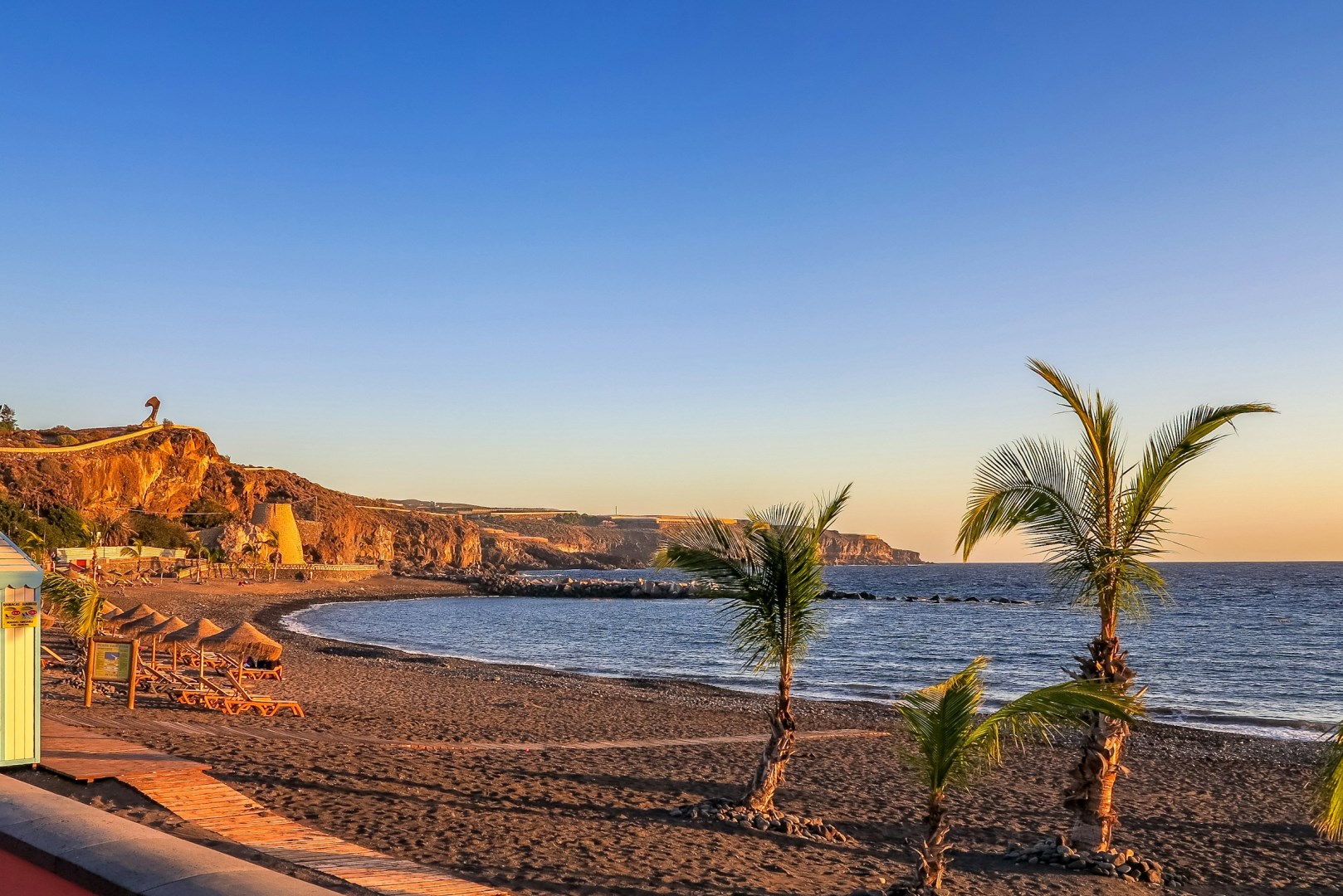
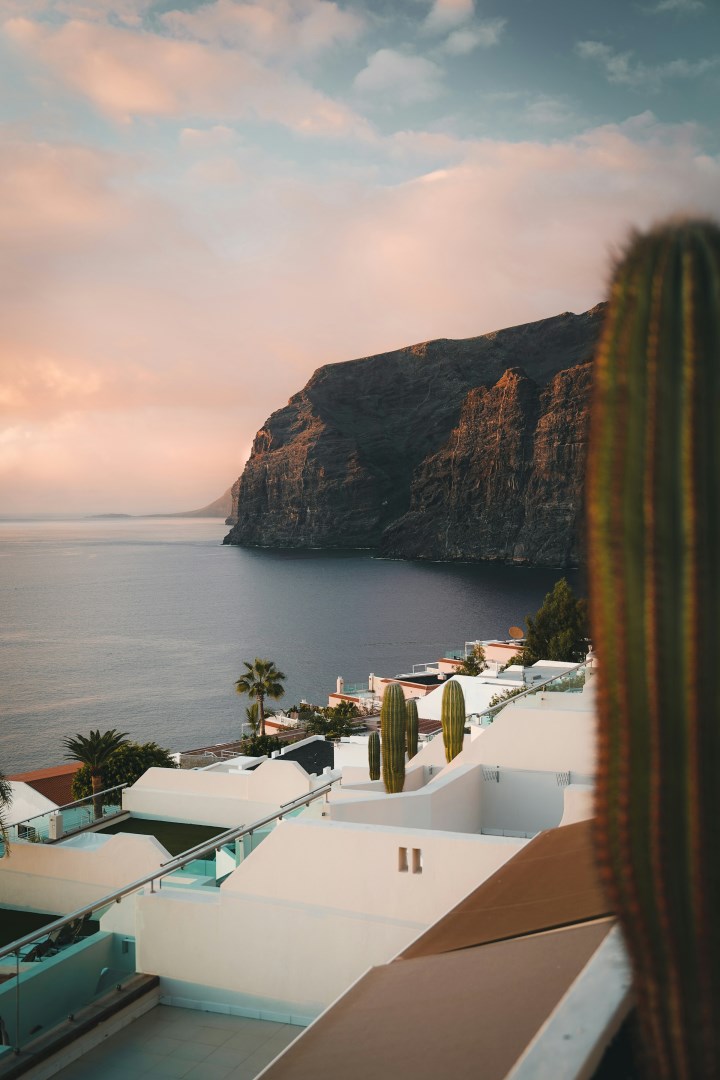
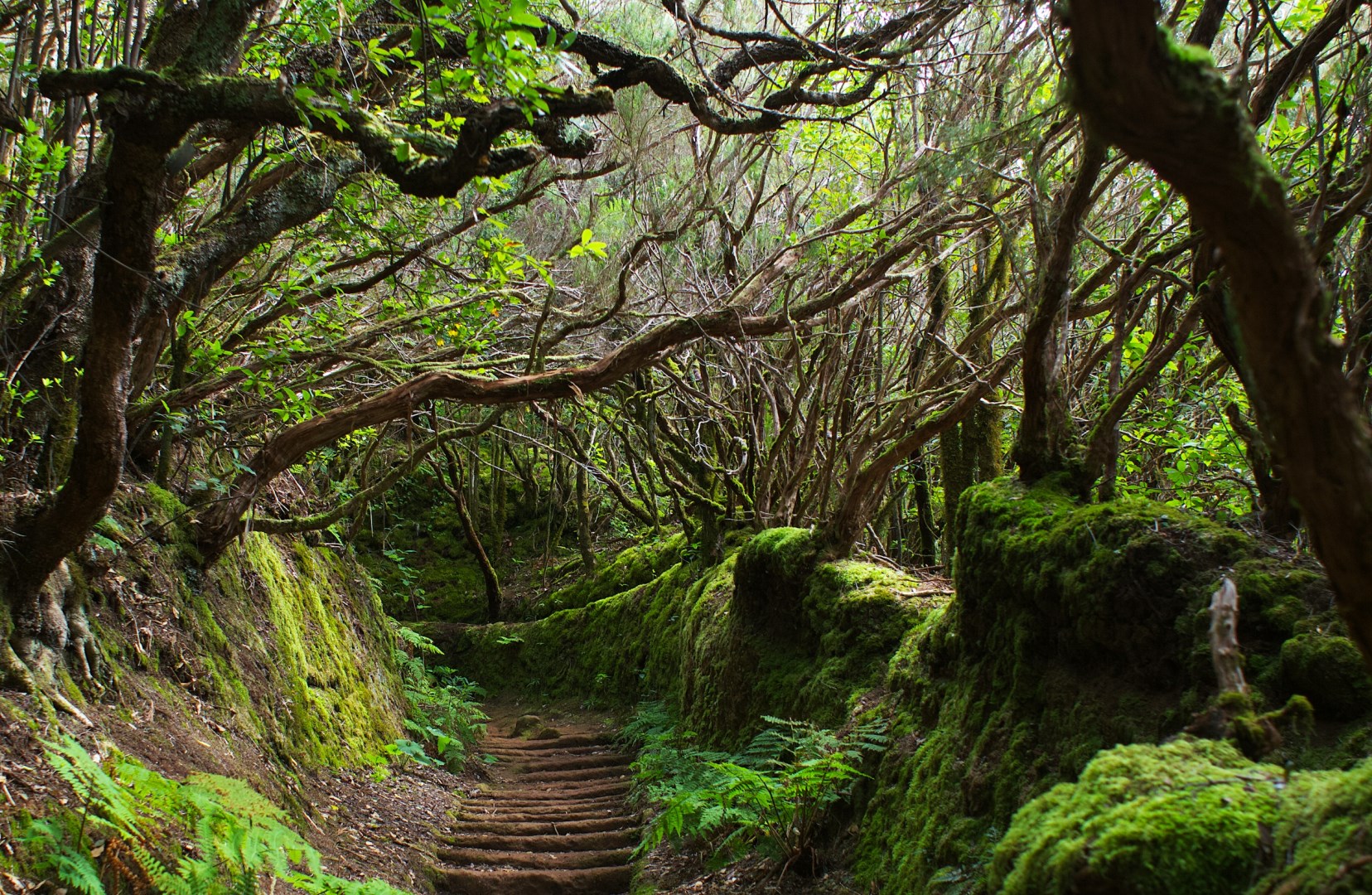
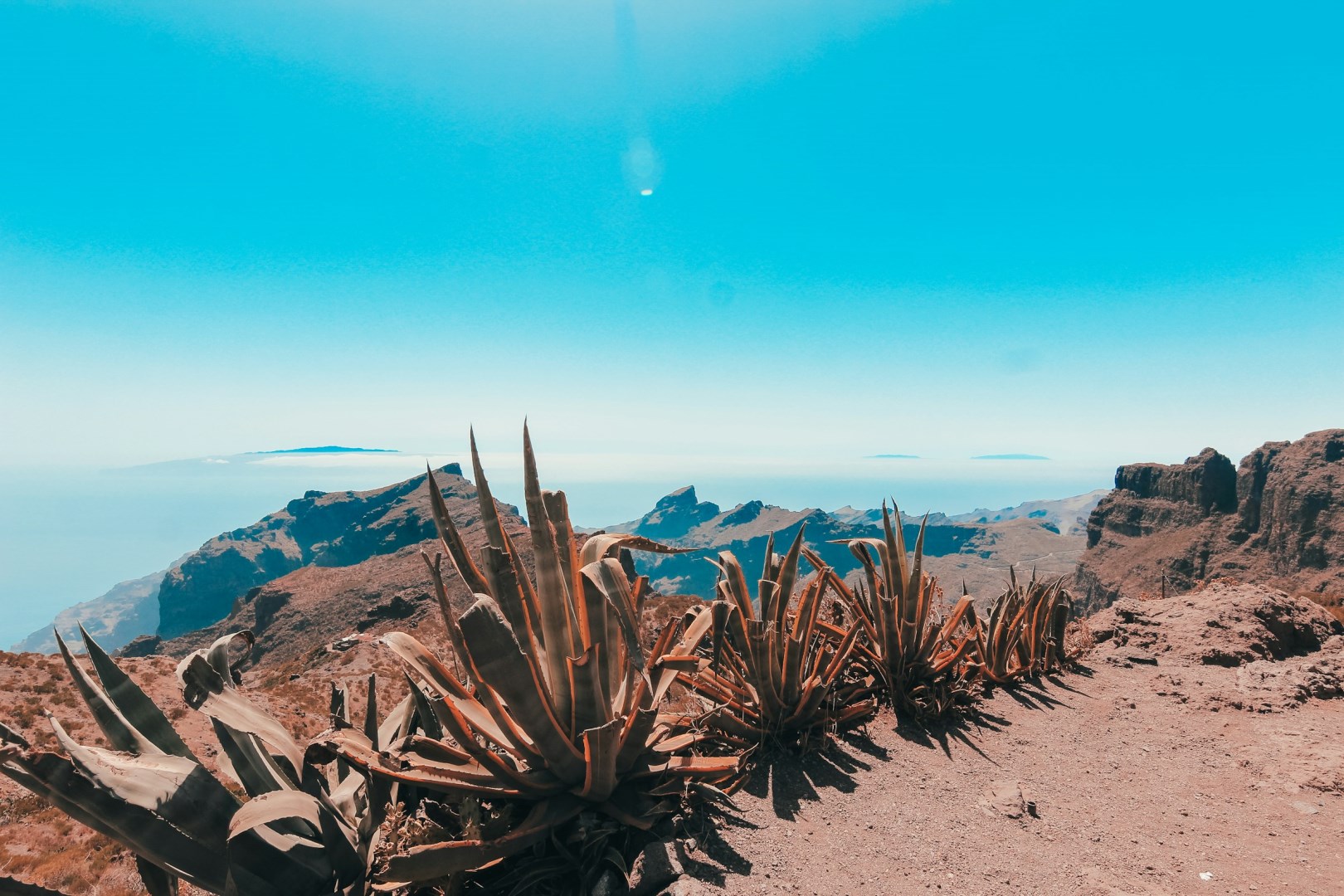
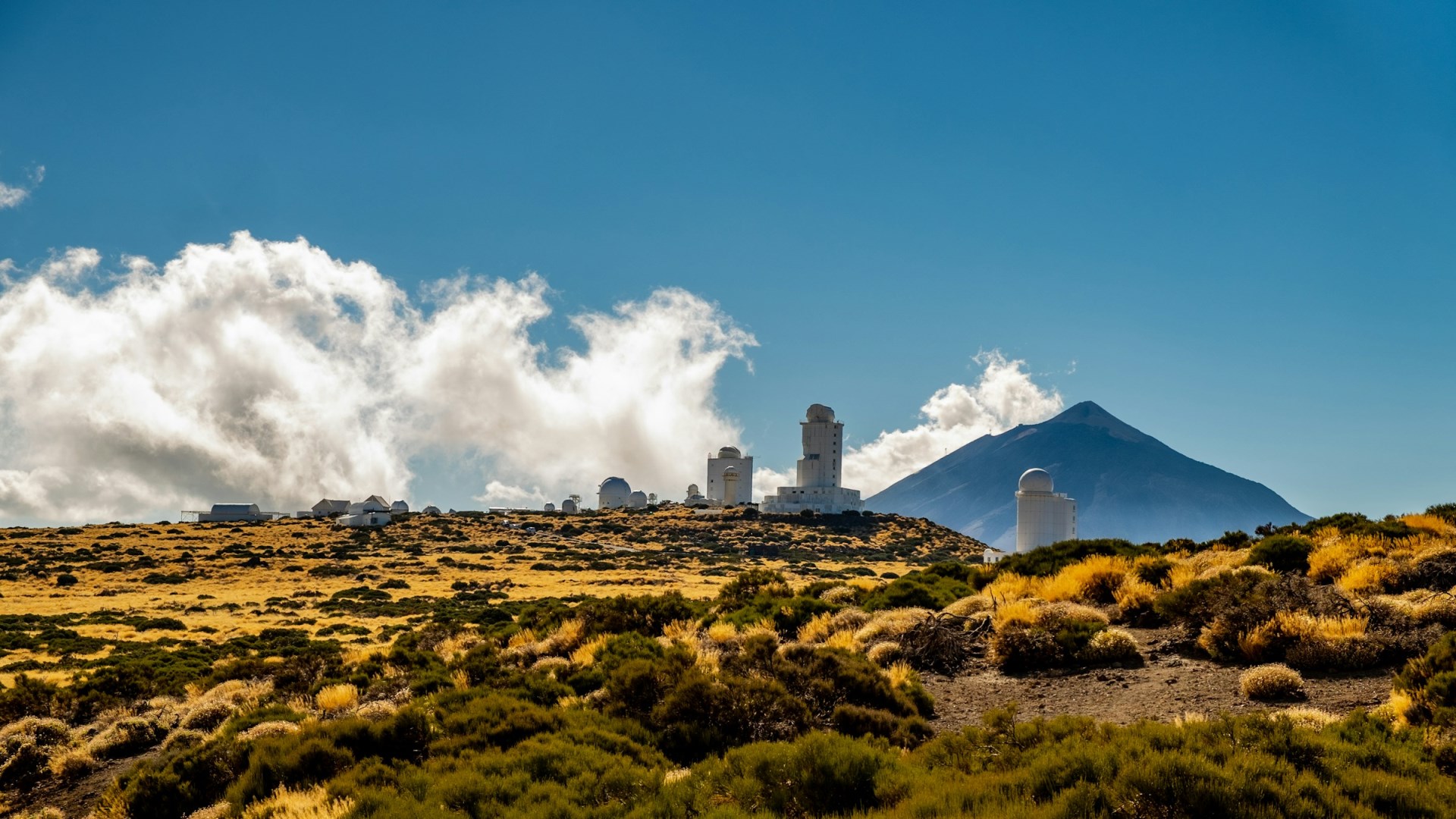
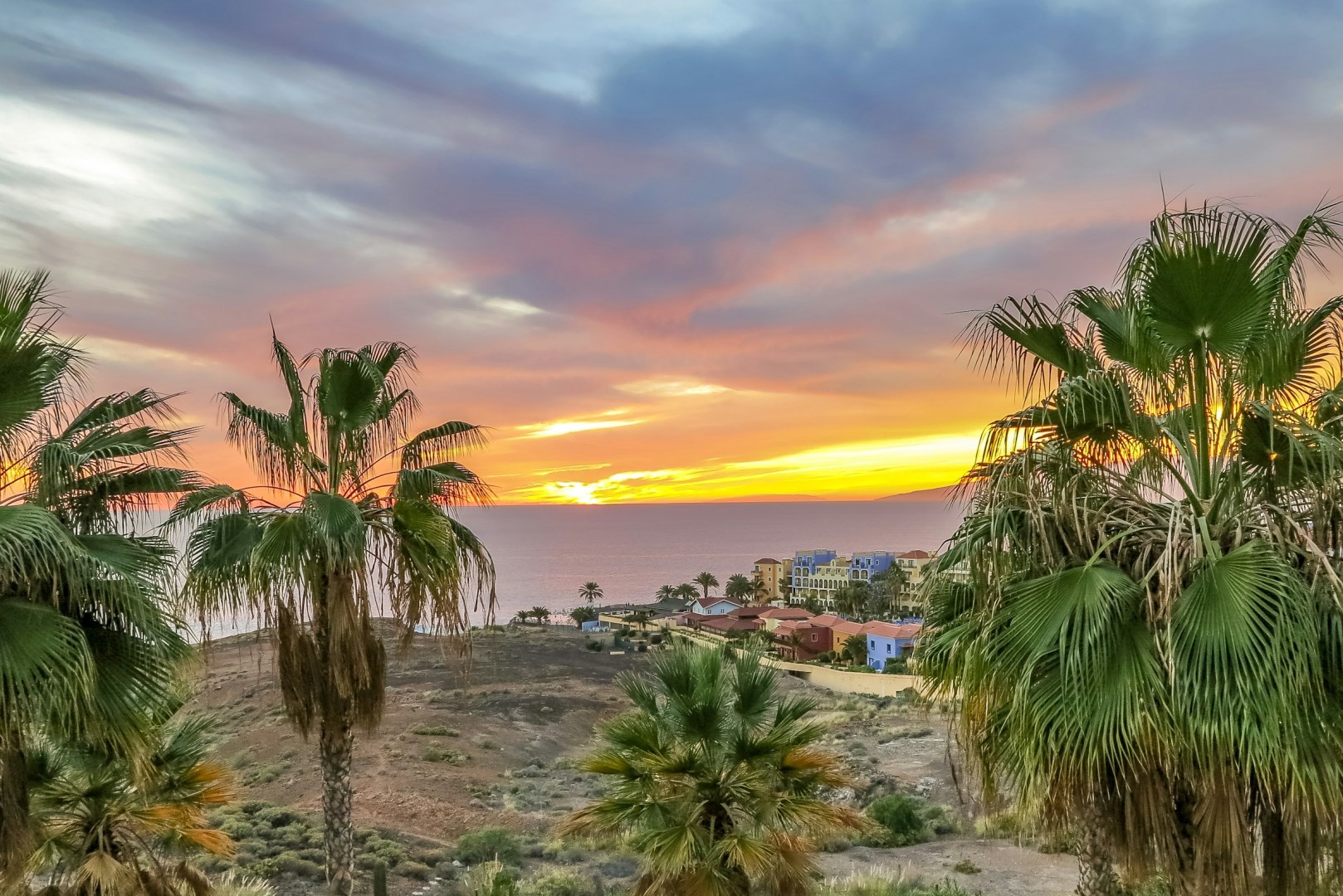
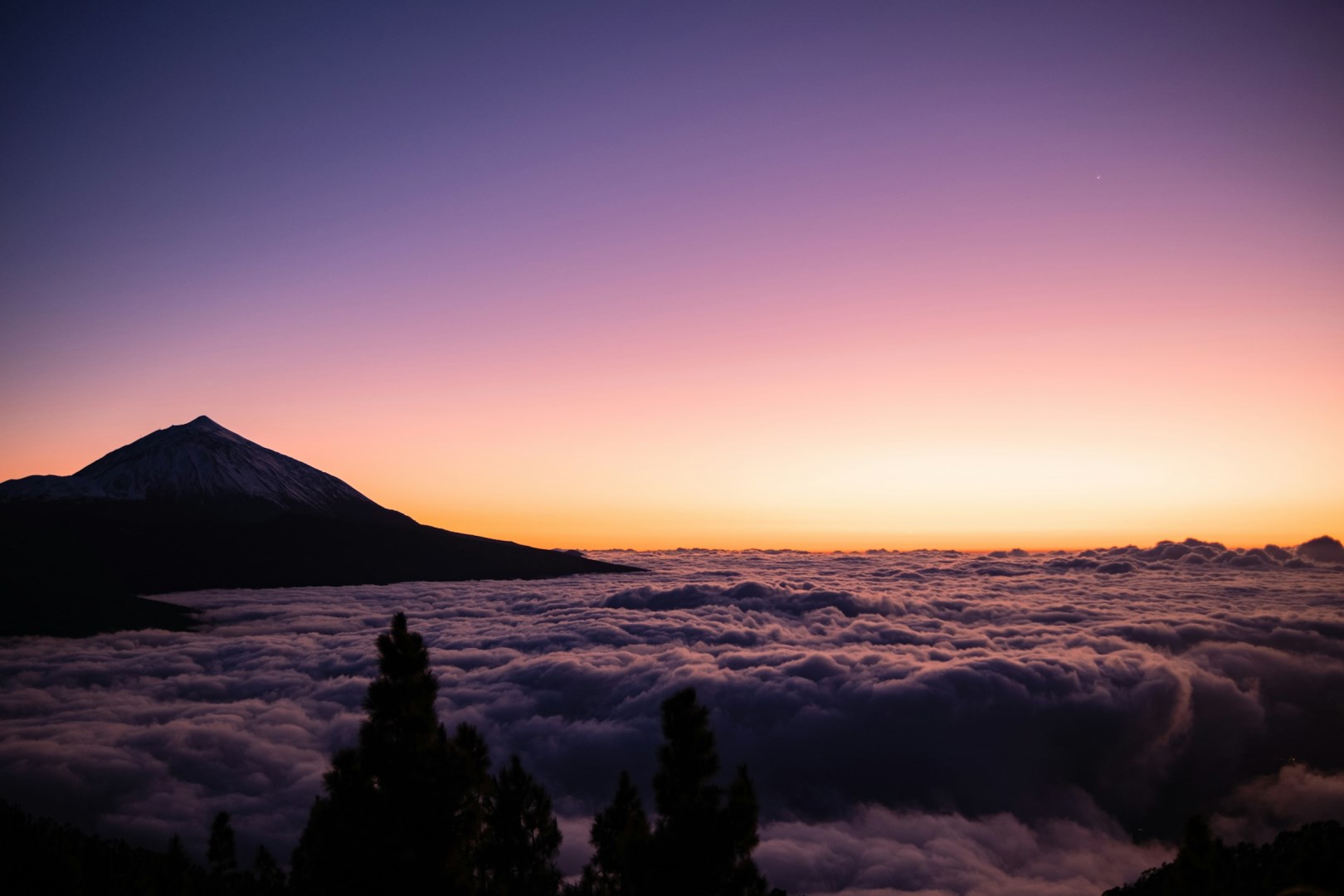
Tenerife is the largest isle of the Canary Islands archipelago. Famous for its black and yellow sand beaches as well as Mt. Teide, the dormant volcano that looms over the island.

Other Popular Destinations in Canary Islands
Las Palmas
Las Palmas (officially Las Palmas de Gran Canaria) is the capital of Gran Canaria island as well as co-capital (along with Santa Cruz de Tenerife) of the Canary Islands. It is a major cruise-ship port known for duty-free shopping and sandy beaches, including Playa de Las Canteras, considered by many to be one of the best urban beaches worldwide.
Santa Cruz de La Palma
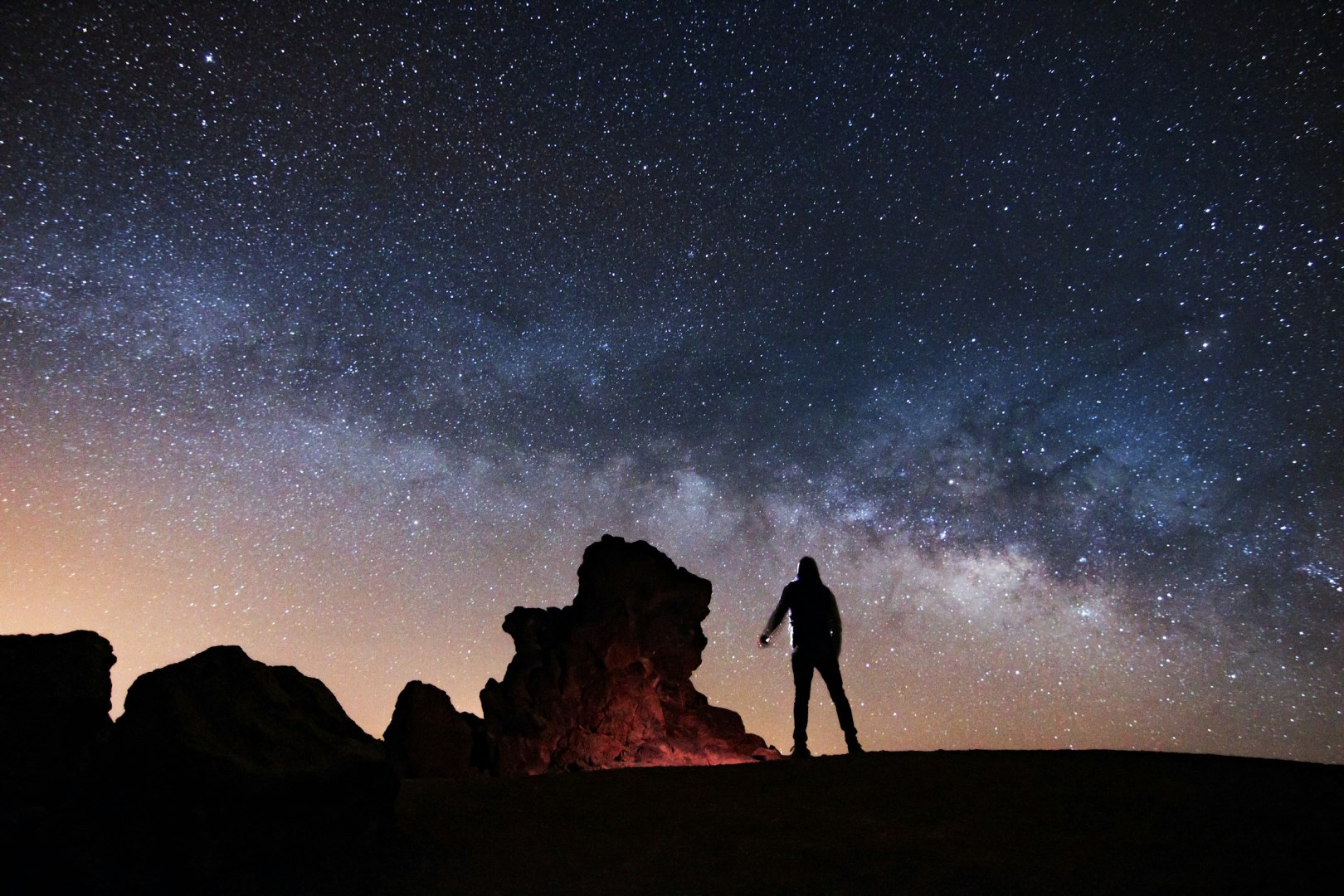
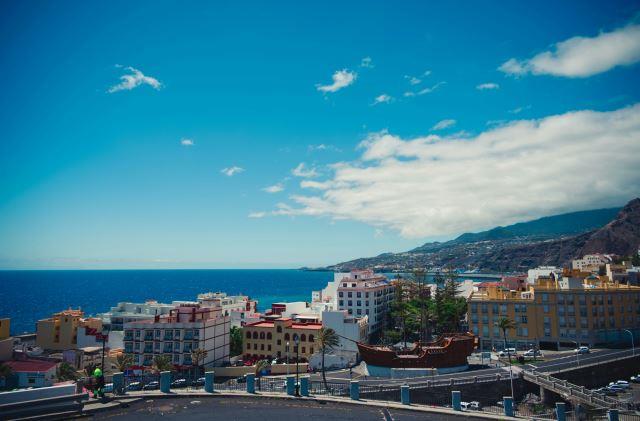
Santa Cruz de La Palma is the capital of the island of La Palma, one of the seven Canary Islands. Although often forgotten in favor of the similarly named Santa Cruz de Tenerife, it is a compact and colorful colonial town well worth a visit. Swimming, paragliding, and hiking and some of the most popular daytime activities, while stargazing is a favorite pastime after the sun goes down.