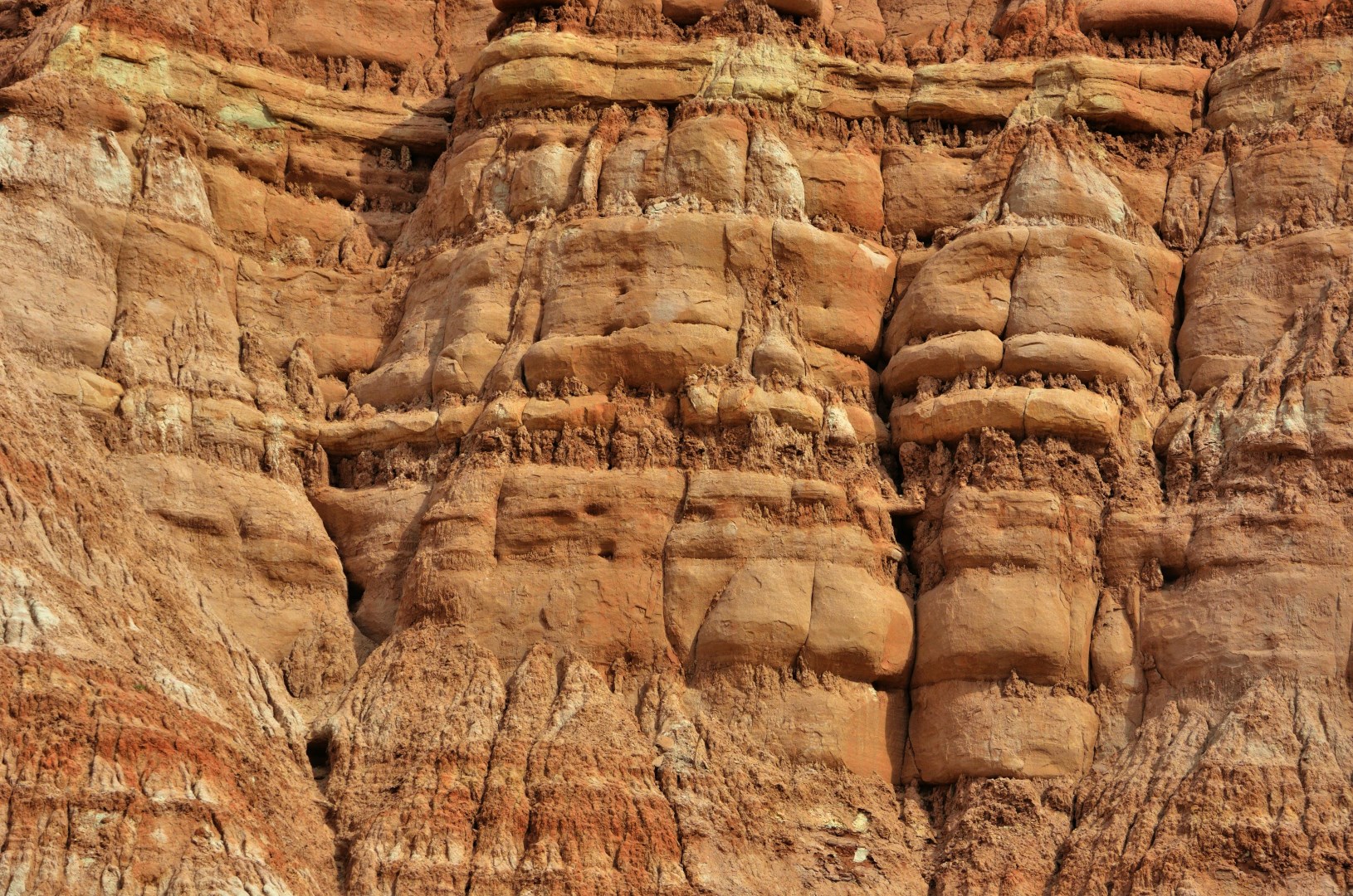
Grand Staircase-Escalante National Monument
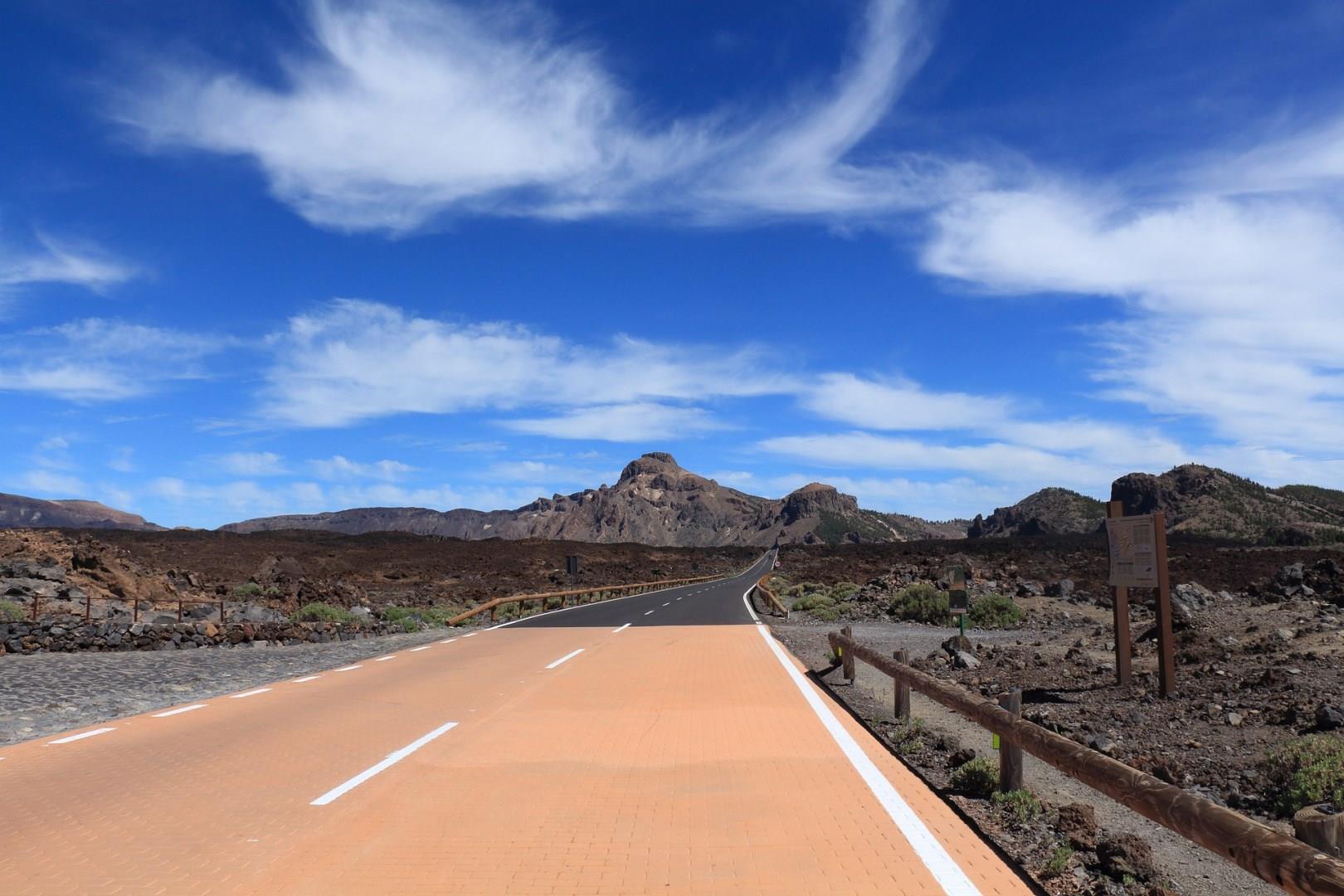
Grand Staircase–Escalante National Monument stretches across southern Utah as a vast landscape of layered cliffs, winding canyons, and open desert plateaus. The land shifts in color from pale cream to deep red, depending on the angle of the sun, revealing rock layers that look like pages stacked over time. Much of the area feels remote, with long dirt roads like Hole-in-the-Rock Road leading travelers deep into quiet terrain where rock formations rise suddenly from flat ground.
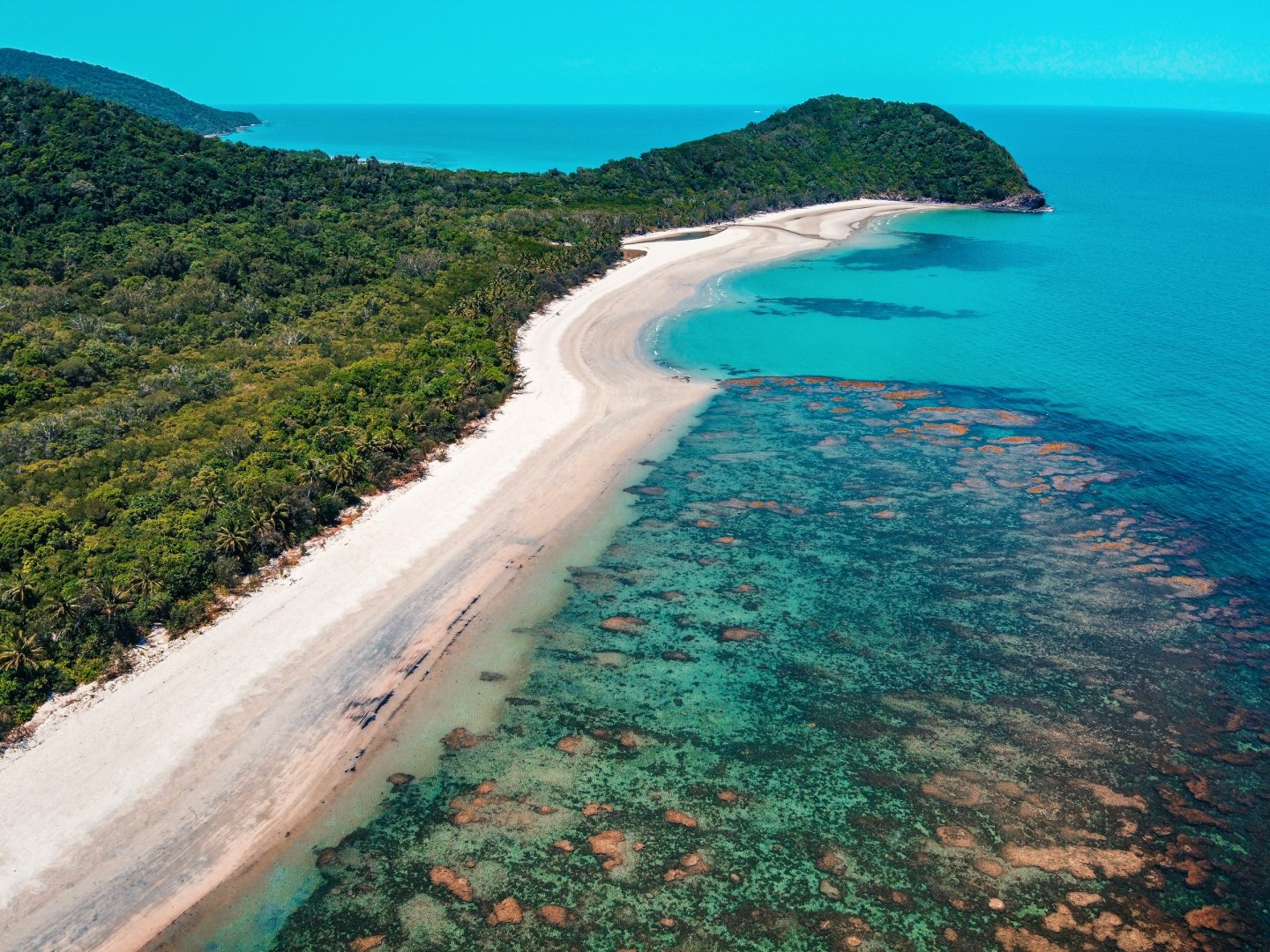
Cape Tribulation
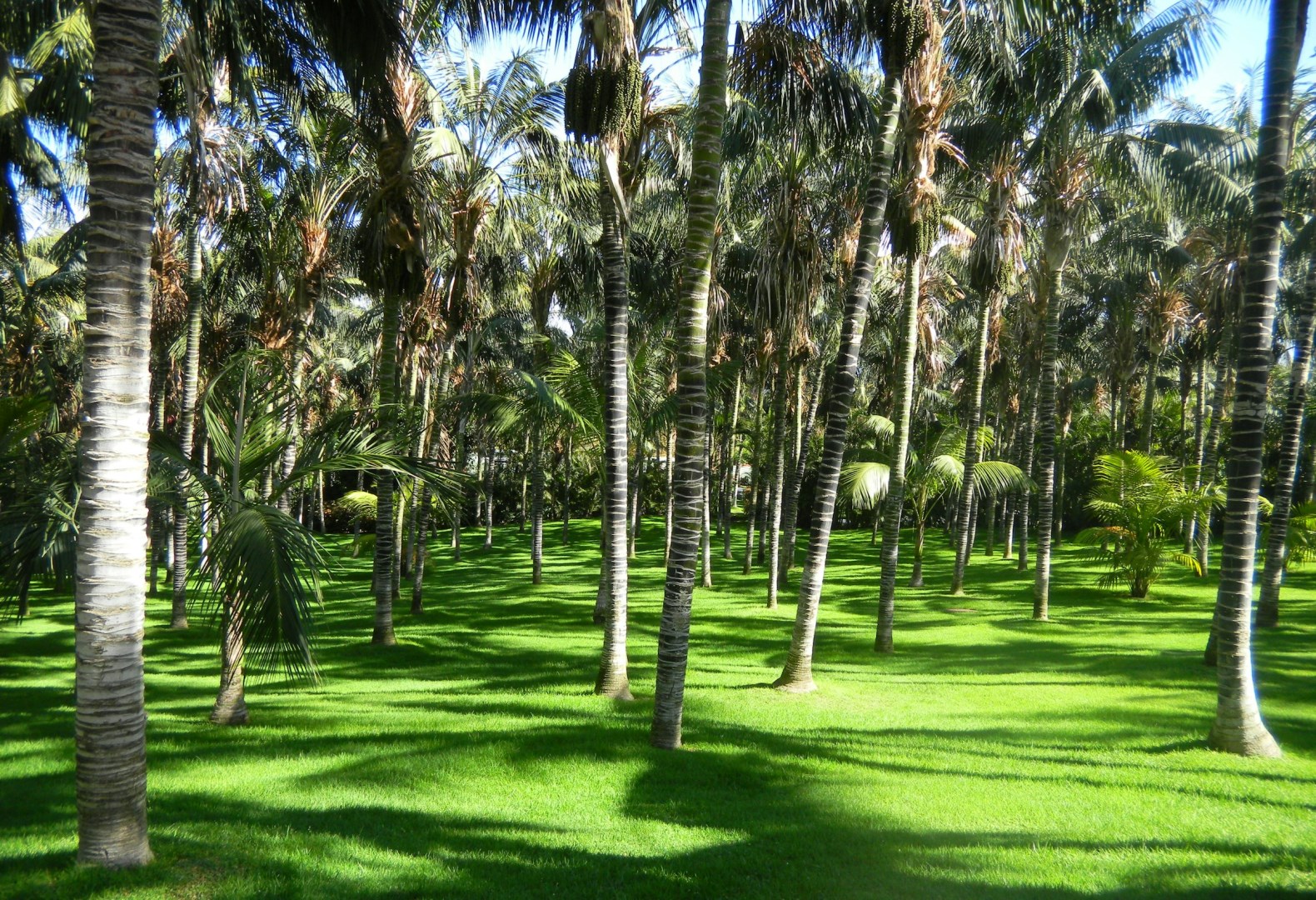
The largest virgin tract of rainforest in Australia (and the second largest in the world), this lush, tropical World Heritage area is a living testimonial to the ancient rainforests which once covered the earth's surface. Cool forest streams, primitive rainforests, stunning mountain scenery and abundant wildlife - a naturalists and bird watchers paradise.
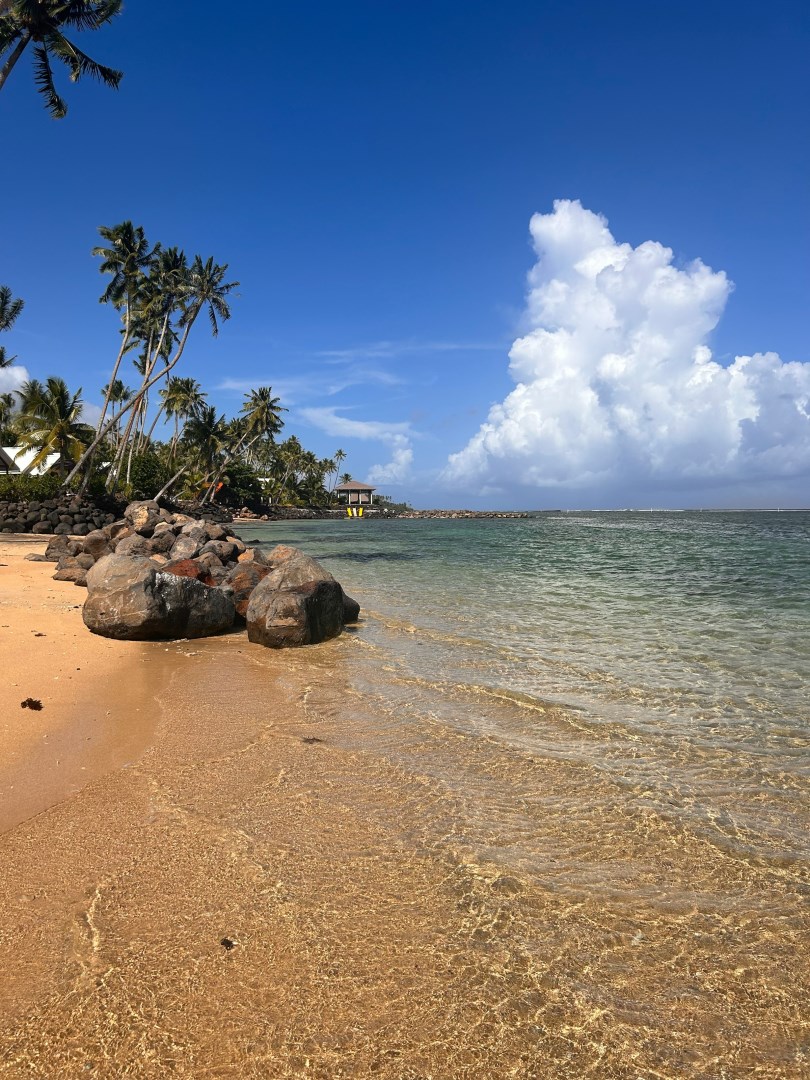
Upolu
Upolu is the more populated of Samoa’s two main islands and is home to Apia, the country’s capital and principal urban center. The island stretches from volcanic mountains in the interior to a deeply indented coastline of bays, beaches, and coral reefs. Lush vegetation covers much of the landscape, with villages, plantations, and gardens occupying the lower slopes and coastal areas.
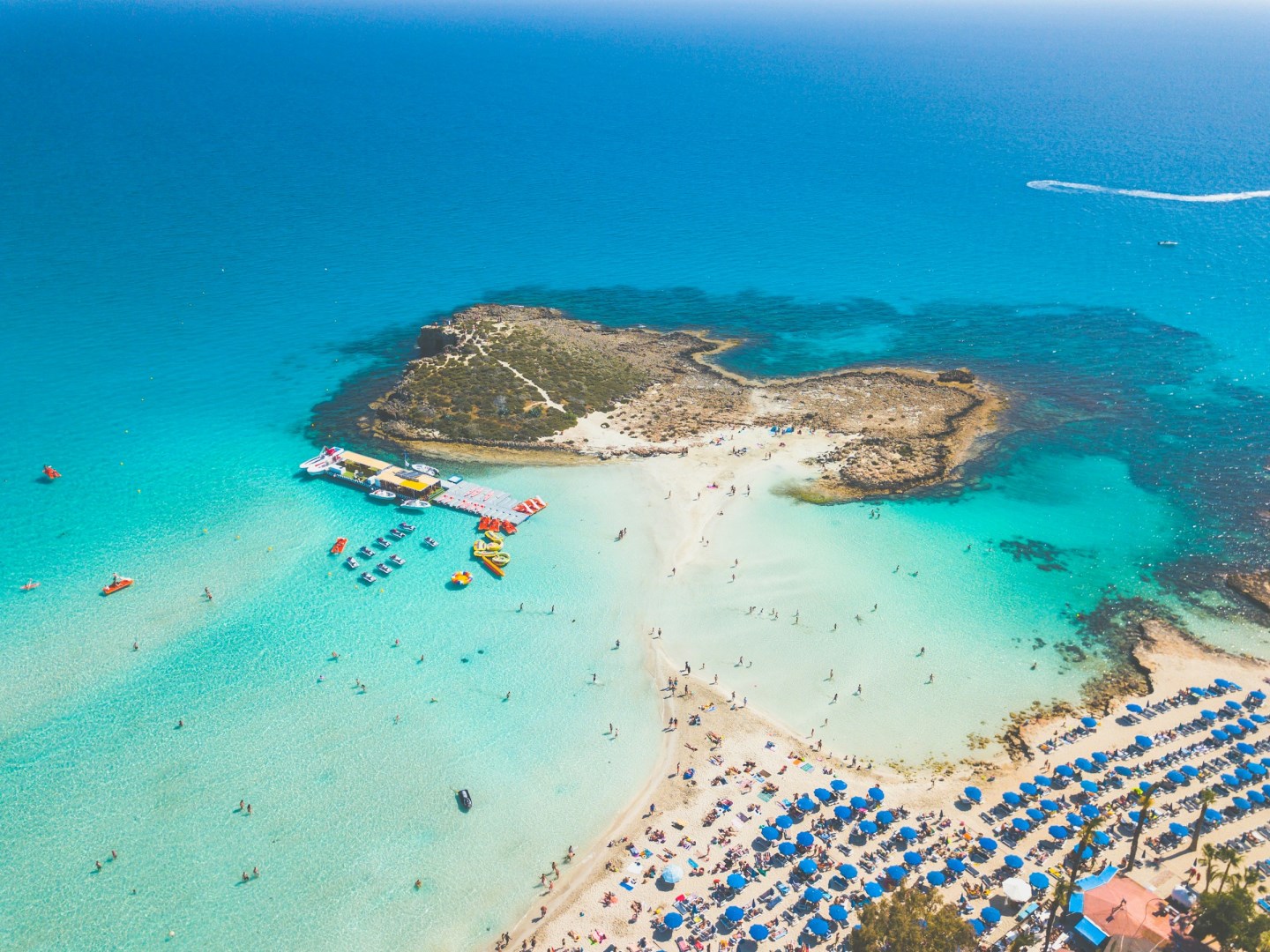
Ayia Napa
Ayia Napa is a coastal town in southeastern Cyprus, known for its sandy beaches, clear coastal waters, fishing harbor, and extensive tourism infrastructure. Once a small fishing village, it has developed into one of Cyprus's best-known seaside resorts while retaining several historic and cultural landmarks.

Napier
On the east coast of North Island, Napier is considered the "Art Deco capital" of New Zealand and the gateway to the Hawke's Bay wine region, whose popular varietals include pinot gris and syrah.