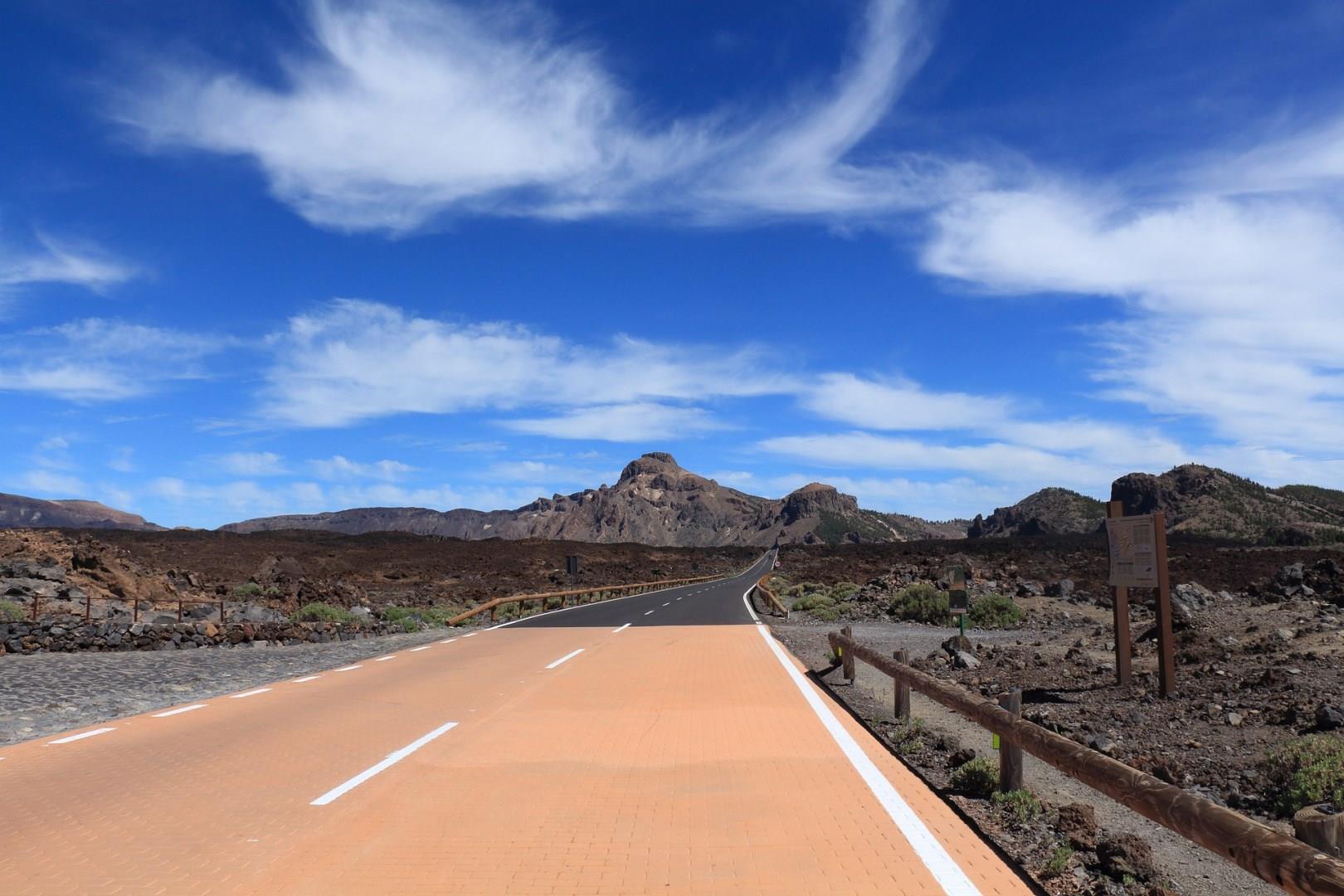
San Diego
A perfect climate, a famous zoo and a relaxed SoCal vibe await visitors to San Diego. Those lucky enough to find themselves here enjoy exceptional Mexican food, oceanside walks, art galleries and exciting nightlife in the Gaslamp Quarter.

Kanazawa
Kanazawa, Japan, is a captivating city that offers a unique blend of historical charm and cultural richness. Known for its well-preserved Edo-period districts, Kanazawa is a treasure trove of traditional Japanese experiences.

Bonifacio Corsica
Bonifacio is located at the southernmost tip of the island of Corsica. The town towers above the "Bouches de Bonifacio" the strait between Corsica and Sardinia, above islands and reefs. Bonifacio has survived a unique history, founded in 833, and somehow has defied time and events.
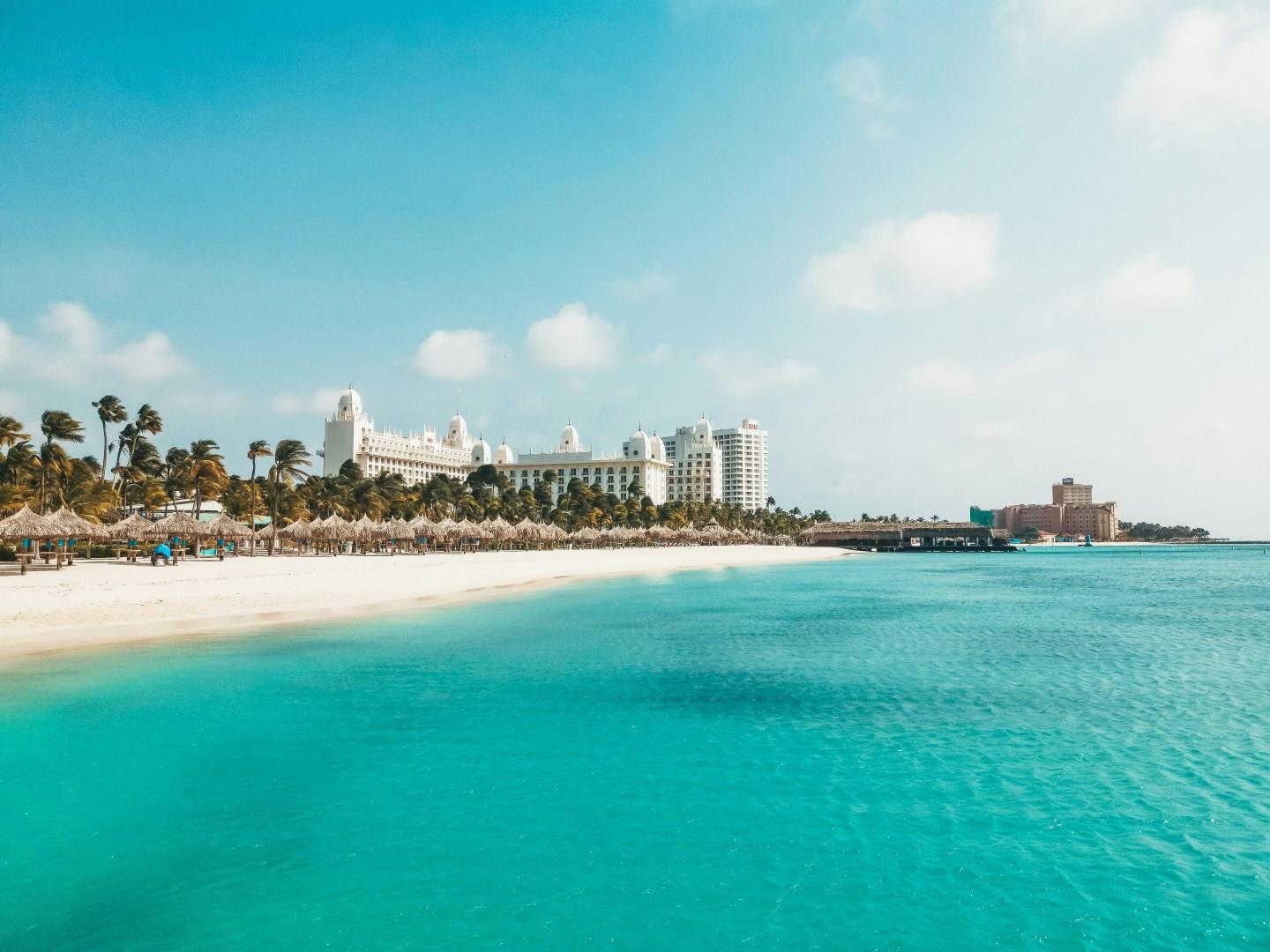
Palm Beach
Palm Beach, located on Aruba’s northwest coast, is the island’s most famous stretch of sand: a two-mile ribbon of soft white shore lined with turquoise waters and a lively resort scene.
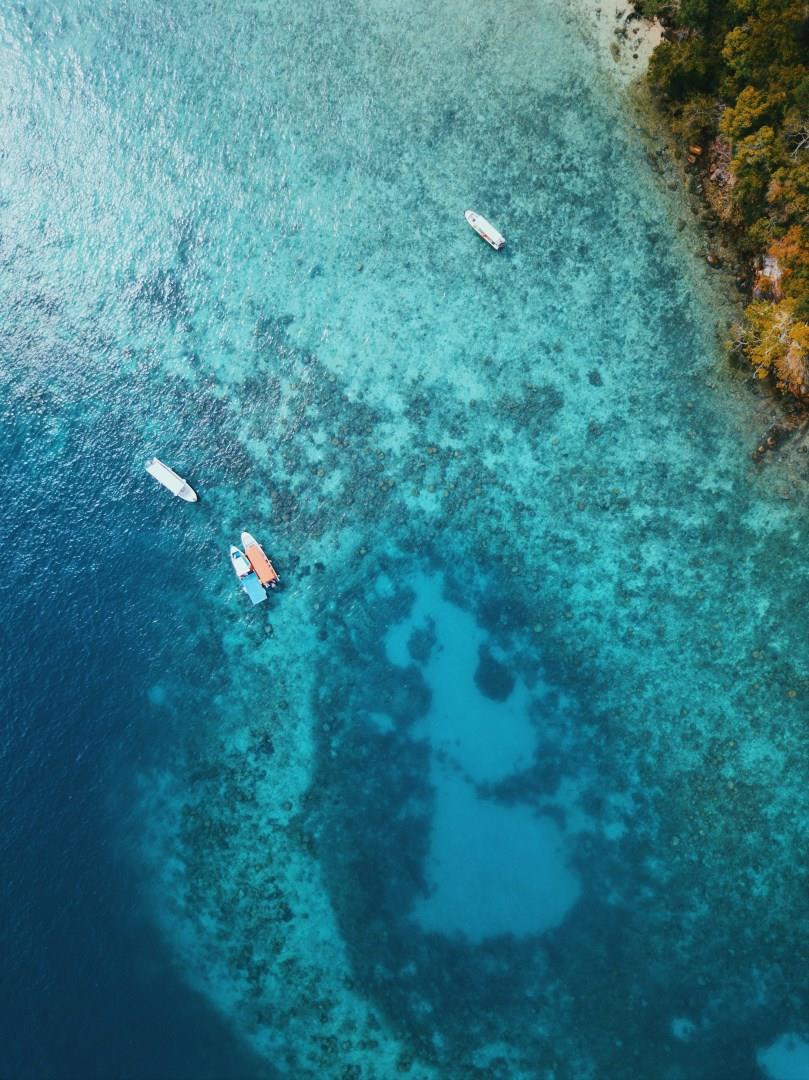
Kota Kinabalu (Borneo)
Kota Kinabalu, the capital of Sabah on the island of Borneo, is a vibrant city where modern life meets wild landscapes. Overlooking the South China Sea and backed by lush rainforests and mountains, it serves as both a cultural hub and a gateway to Borneo’s extraordinary biodiversity.