

Hamburg
Located in northern Germany, Hamburg is an important commercial hub on the Elbe River and unique for the expansive system of canals which divide the city in two. Replete with fascinating architecture and scenic waterfront promenades, Hamburg offers plenty to see and explore!
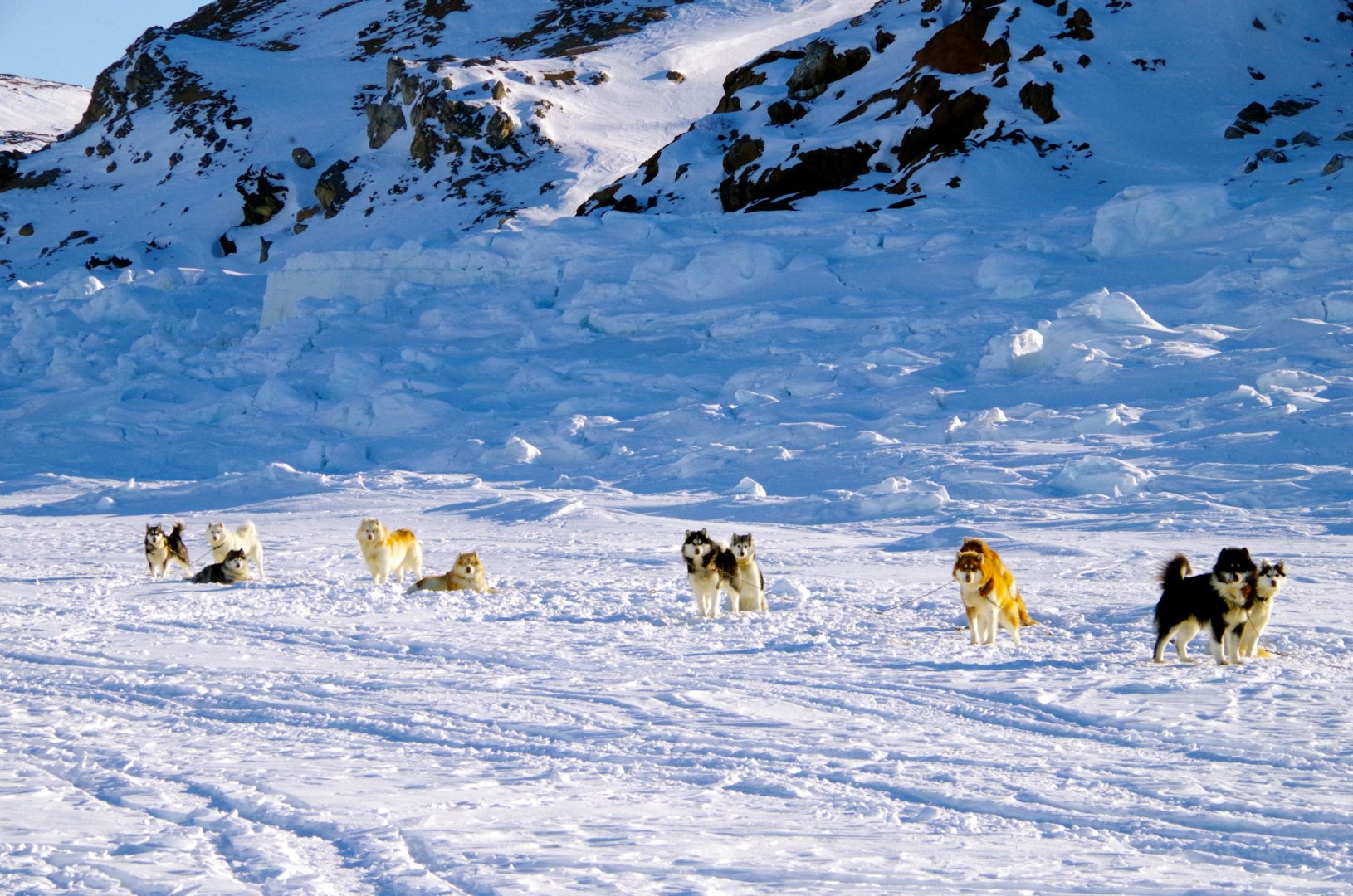
Kimmirut
Kimmirut is a small Inuit community on the southern coast of Baffin Island in Nunavut, located beside the waters of Hudson Strait. Formerly known as Lake Harbour, the settlement sits among rocky hills, freshwater lakes, coastal inlets, and tundra. Its sheltered location gives it a close relationship with the surrounding sea, while the wider landscape contains exposed rock and low Arctic vegetation shaped by a cold, windy climate.
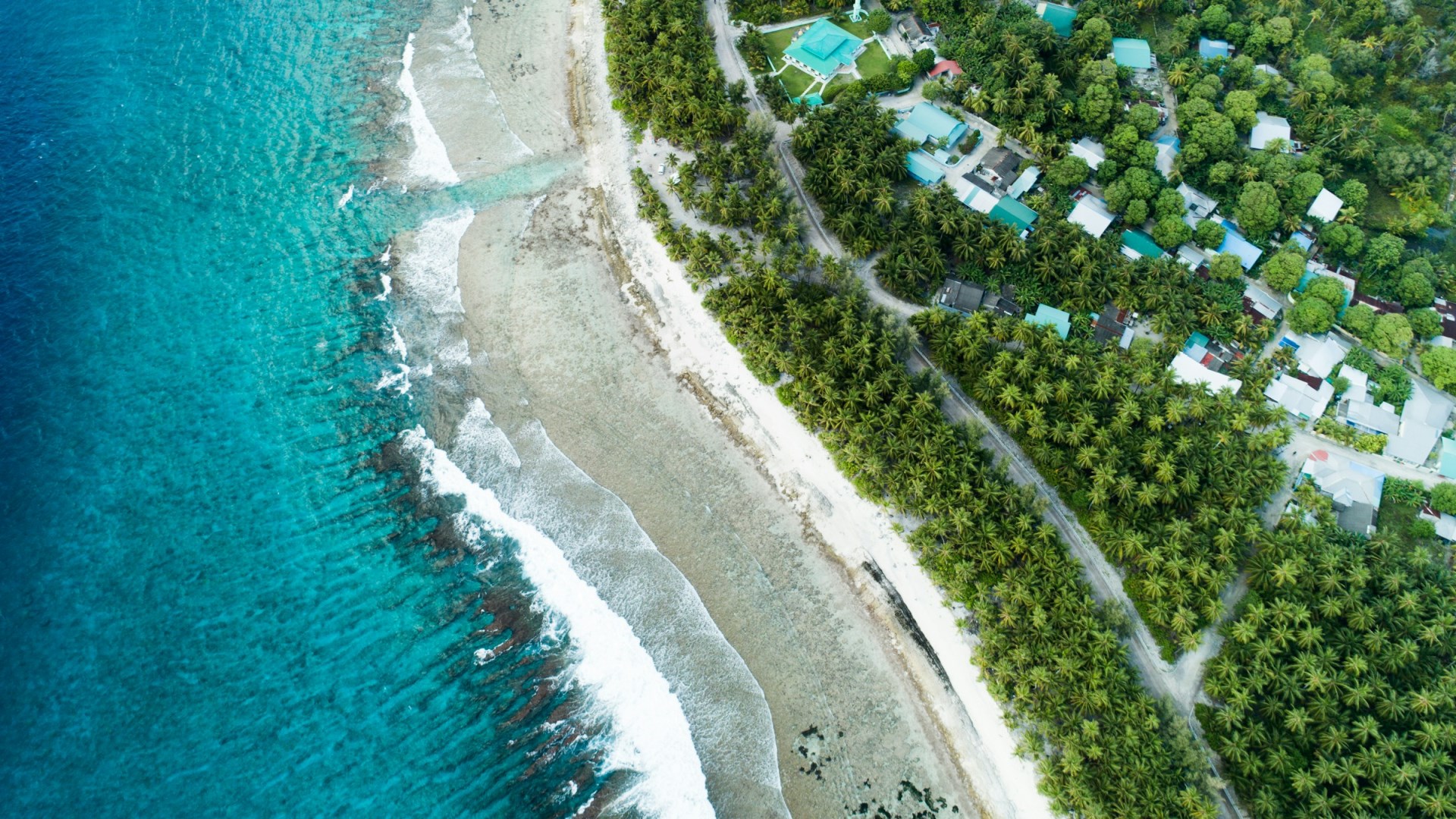
Fuvahmulah
Fuvahmulah, part of the Maldives, stands apart as the only island in the country that is both a single atoll and a single island. Unlike the ring-shaped atolls that define most of the Maldives, Fuvahmulah has freshwater lakes, fertile soil, and lush greenery.
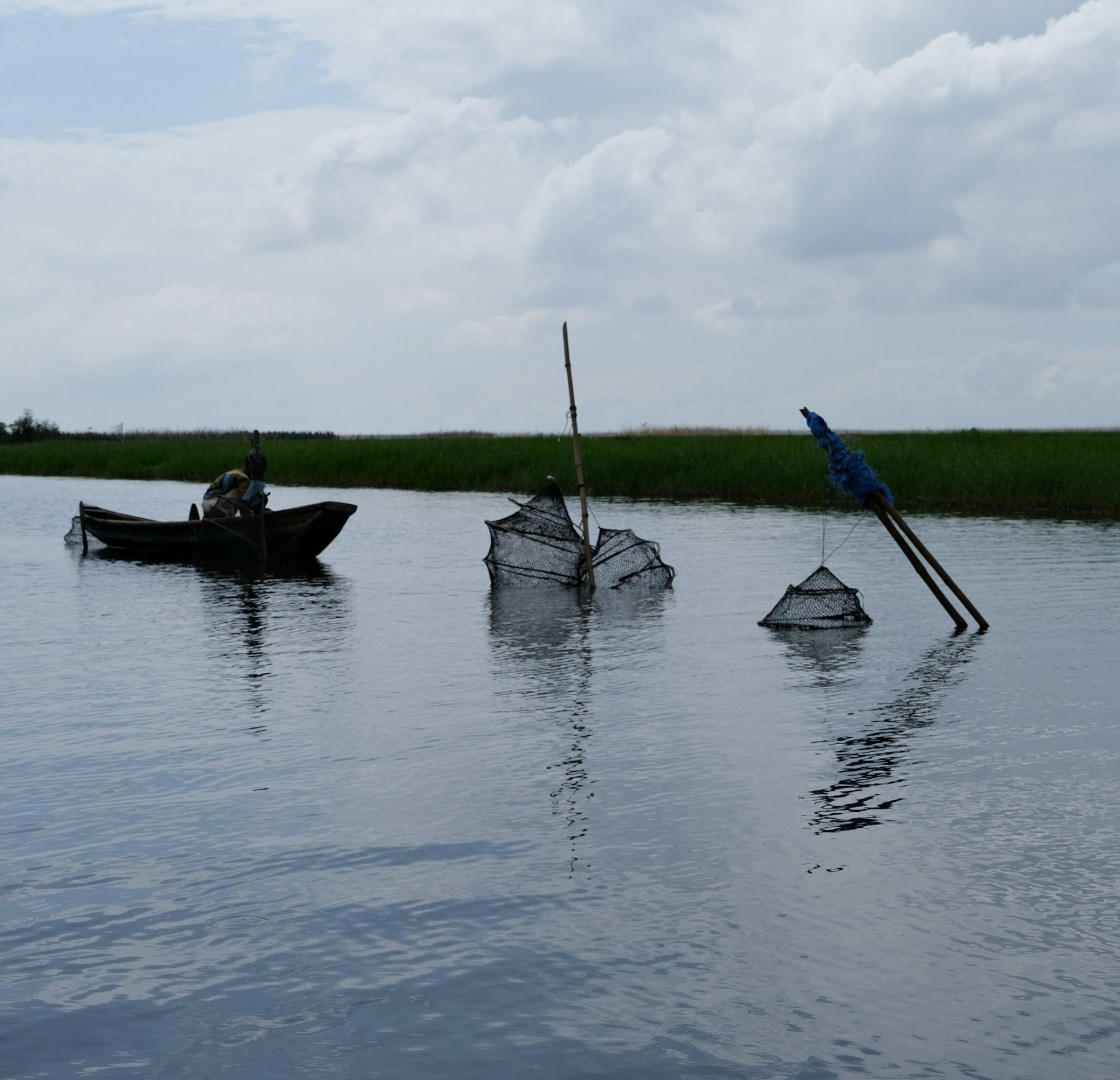
Lake Nokoué
Lake Nokoué is a large lagoon lake in southern Benin, stretching along the Atlantic coastal plain near the cities of Cotonou, Porto-Novo, and Abomey-Calavi. Covering a broad area of shallow water connected to rivers, marshes, and the sea, it plays an important role in transportation, fishing, and daily life for surrounding communities.
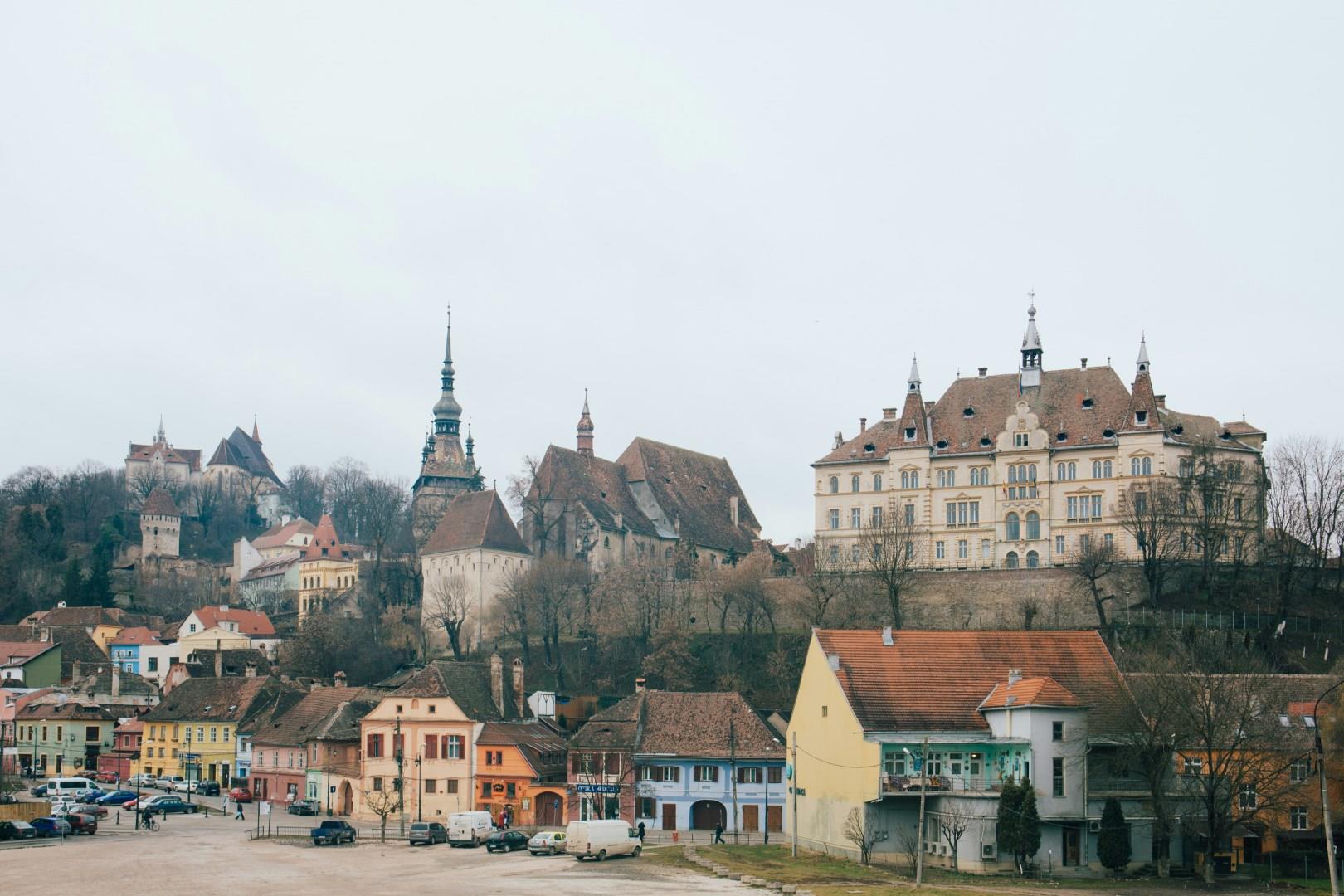
Sighisoara
Sighisoara rises above the Târnava Mare River as one of the few medieval citadels in Europe that is still lived in and admired today. Its historic center has been on the UNESCO World Heritage List since 1999, recognized for its long history as a fortified Saxon settlement and its role in trade and defense on the edges of central Europe. Wander through cobbled alleys framed by pastel-colored houses, and the layers of time feel close at hand, from the city walls and guild towers to busy cafés.


