

Noumea
Nouméa, the vibrant capital of New Caledonia, offers a captivating mix of French sophistication and Pacific charm. This bustling city is renowned for its beautiful beaches, such as Anse Vata, where turquoise waters and white sand invite relaxation and water sports.
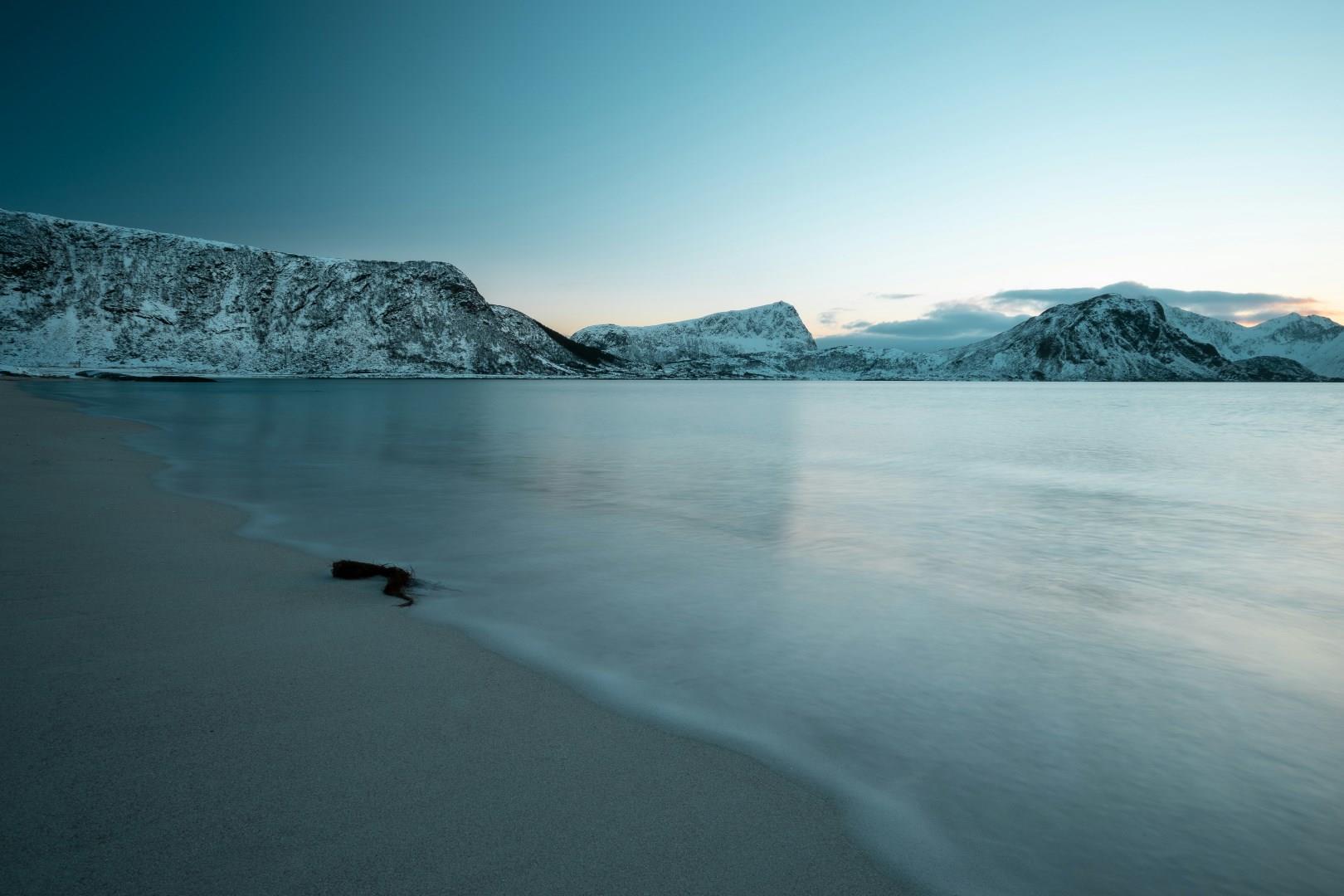
Leknes
Leknes sits in the heart of Norway’s Lofoten Islands, a small town shaped more by geography than by long urban history. It developed as a regional hub for farming, fishing, and transport, serving surrounding villages spread across Vestvågøy. Rather than presenting a preserved past, Leknes reflects contemporary life in the north, practical and closely tied to seasonal rhythms.
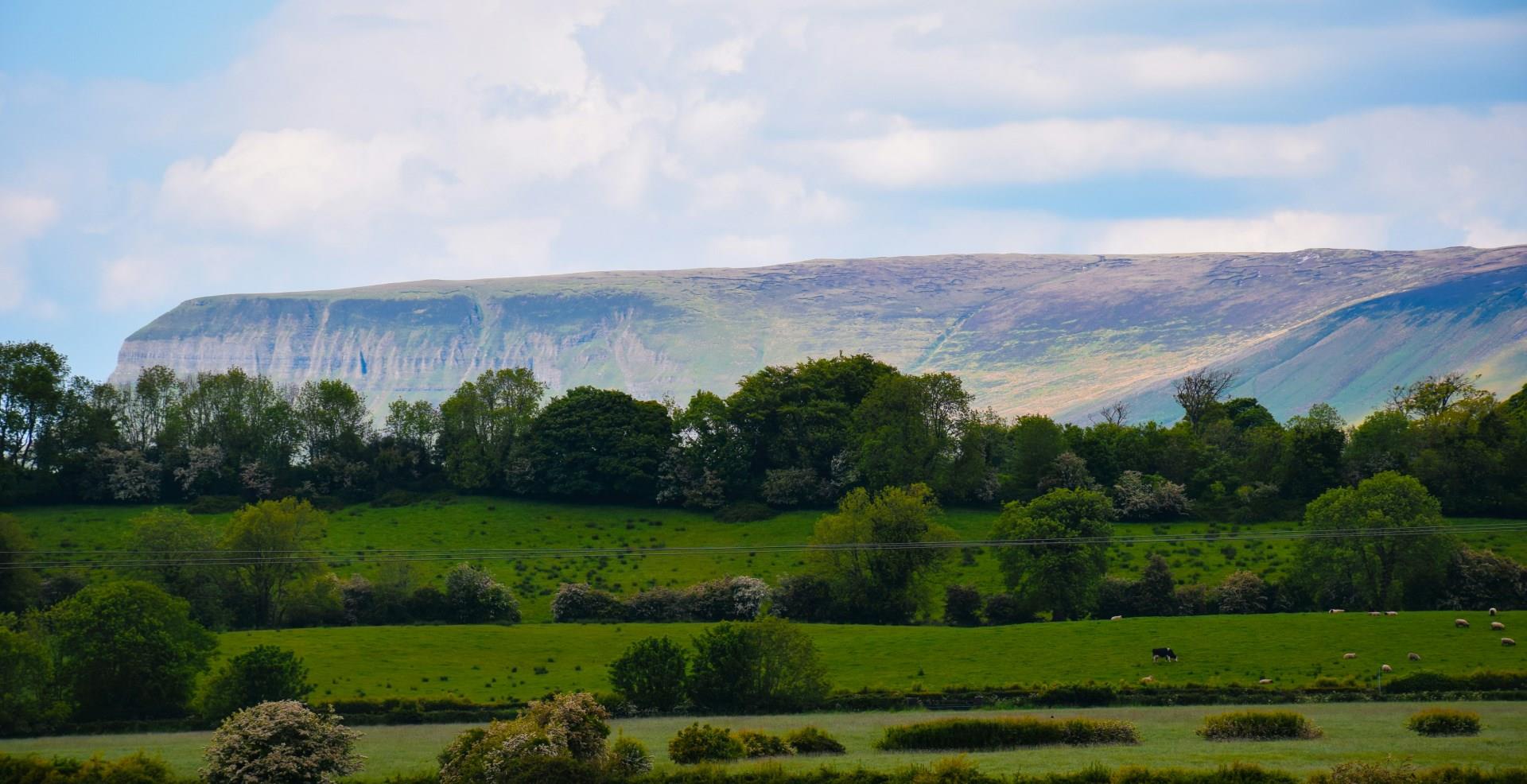
Sligo
Sligo, a coastal town in the northwest of Ireland, is known for its rugged landscapes, literary heritage, and vibrant cultural scene. Nestled between mountains and the Atlantic Ocean, it has long inspired poets and writers, most famously W.B. Yeats, whose presence still echoes through the town’s galleries, libraries, and walking trails. Sligo’s charm lies in its mix of natural beauty and creative energy, where the rugged countryside meets lively streets full of music and arts.
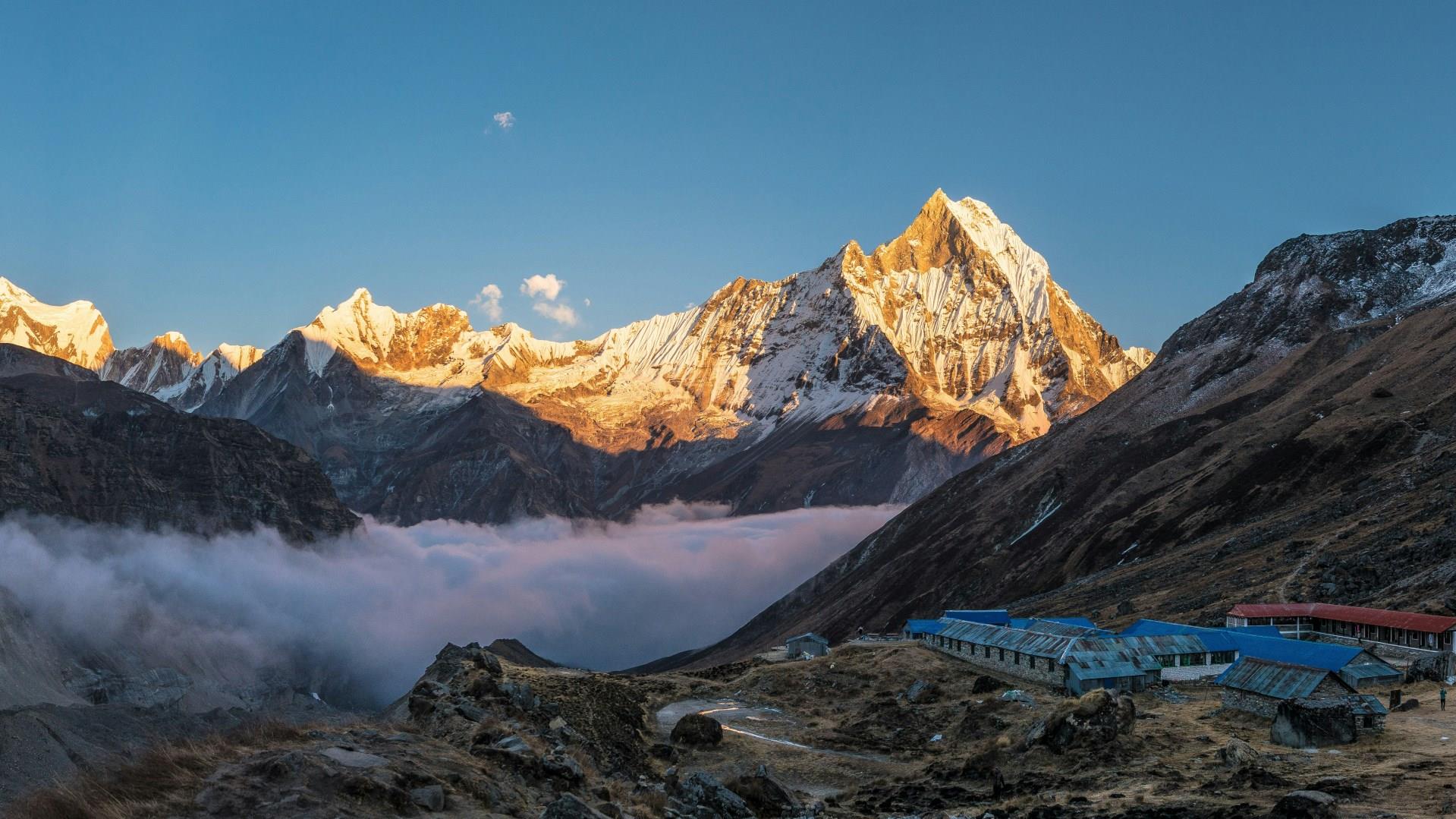
Annapurna
The Annapurna region of central Nepal is defined by both cultural depth and extreme topography. Home to a wide range of ethnic communities, including Gurung, Thakali, and Manangi peoples, the area has long been shaped by trans-Himalayan trade routes and mountain agriculture.

Africa
Across Africa, countless treasures wait to be discovered with the continent's unique diversity offering a wealth of experiences for all types of travelers. One of the most captivating regions is East Africa, home to Kenya, Tanzania, Uganda, and Rwanda—countries that serve as gateways to Africa’s most iconic wildlife and landscapes.


