

Antigua & Barbuda
Antigua and Barbuda, a twin-island nation in the Caribbean, is celebrated for its 365 beaches, one for every day of the year. Together, they offer a balance of culture, heritage, and natural splendor.

Canary Islands
The Canary Islands, a Spanish archipelago off the northwest coast of Africa, offer far more than just sunshine and beaches. Made up of eight main islands, each with its own personality, the Canaries are a place where lunar landscapes, cloud forests, volcanic peaks, and historic towns coexist within short travel distances. On Tenerife, Mount Teide looms over a landscape of solidified lava and craters that look like a science fiction set.
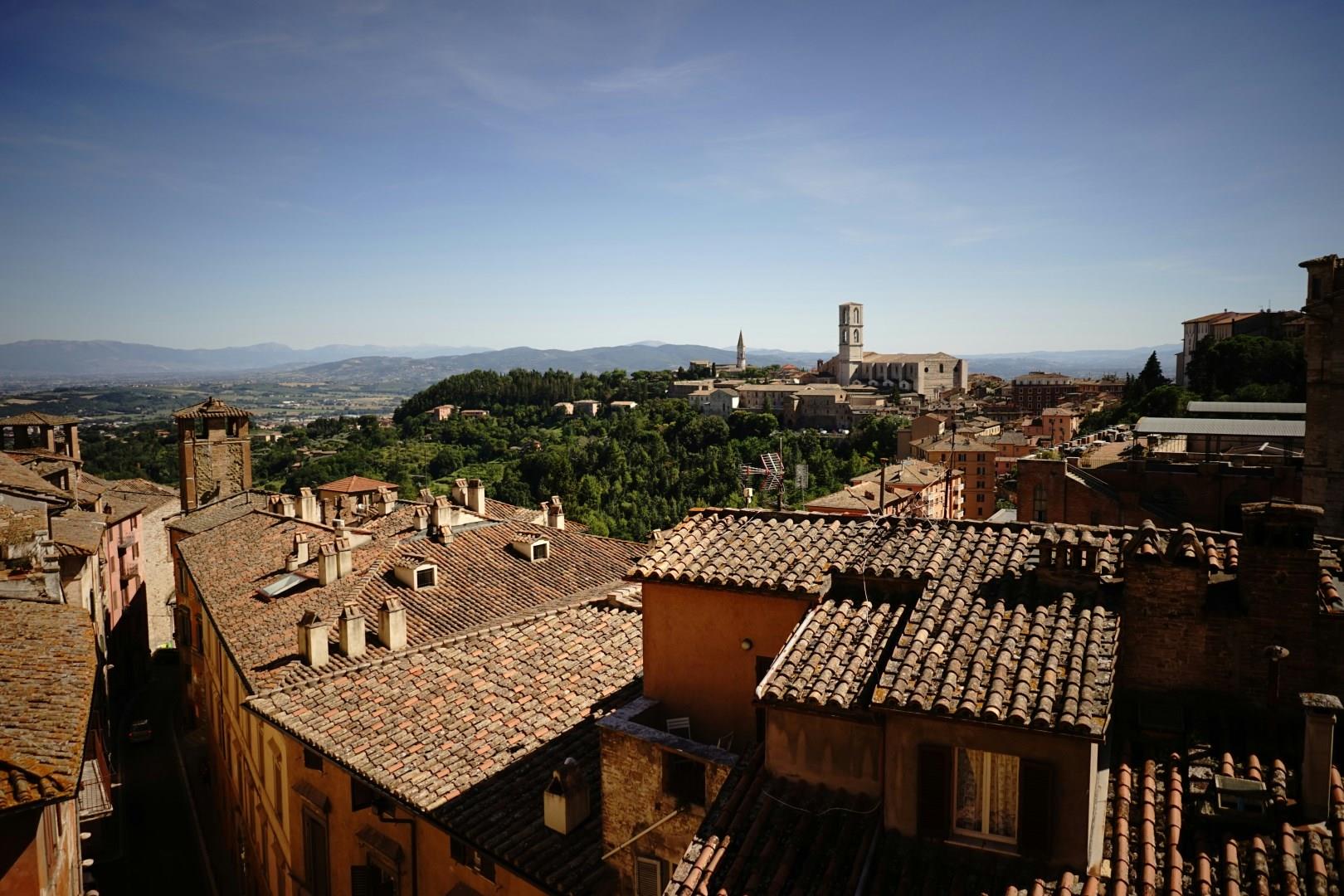
Perugia
Perugia, the capital of Italy’s Umbria region, is a city built across hills and centuries. Originally settled by the Etruscans more than 2,500 years ago, it still holds remnants of their civilization, including one of the largest surviving Etruscan arches in Italy named Arco Etrusco, which greets visitors at the city’s entrance. Walking through the narrow streets of the historic center reveals layers of Roman, medieval, and Renaissance architecture, all woven together within ancient stone walls.

Húsavík
Nestled on the shores of Skjalfandi Bay in northern Iceland, Husavik offers visitors the unique chance to witness humpback whales, minke whales, and even the occasional blue whale in their natural habitat.

Honfleur
Honfleur, a picturesque port town in Normandy, France, is a destination brimming with charm, history, and artistic inspiration. Its historic Vieux-Bassin (Old Harbor) is a central highlight. The harbor, lined with colorful buildings and fishing boats, has served as a muse for countless artists, including Impressionists like Claude Monet and Eugène Boudin. Today, visitors can explore the Eugène Boudin museum to admire works celebrating the beauty of Honfleur and the surrounding landscapes.


