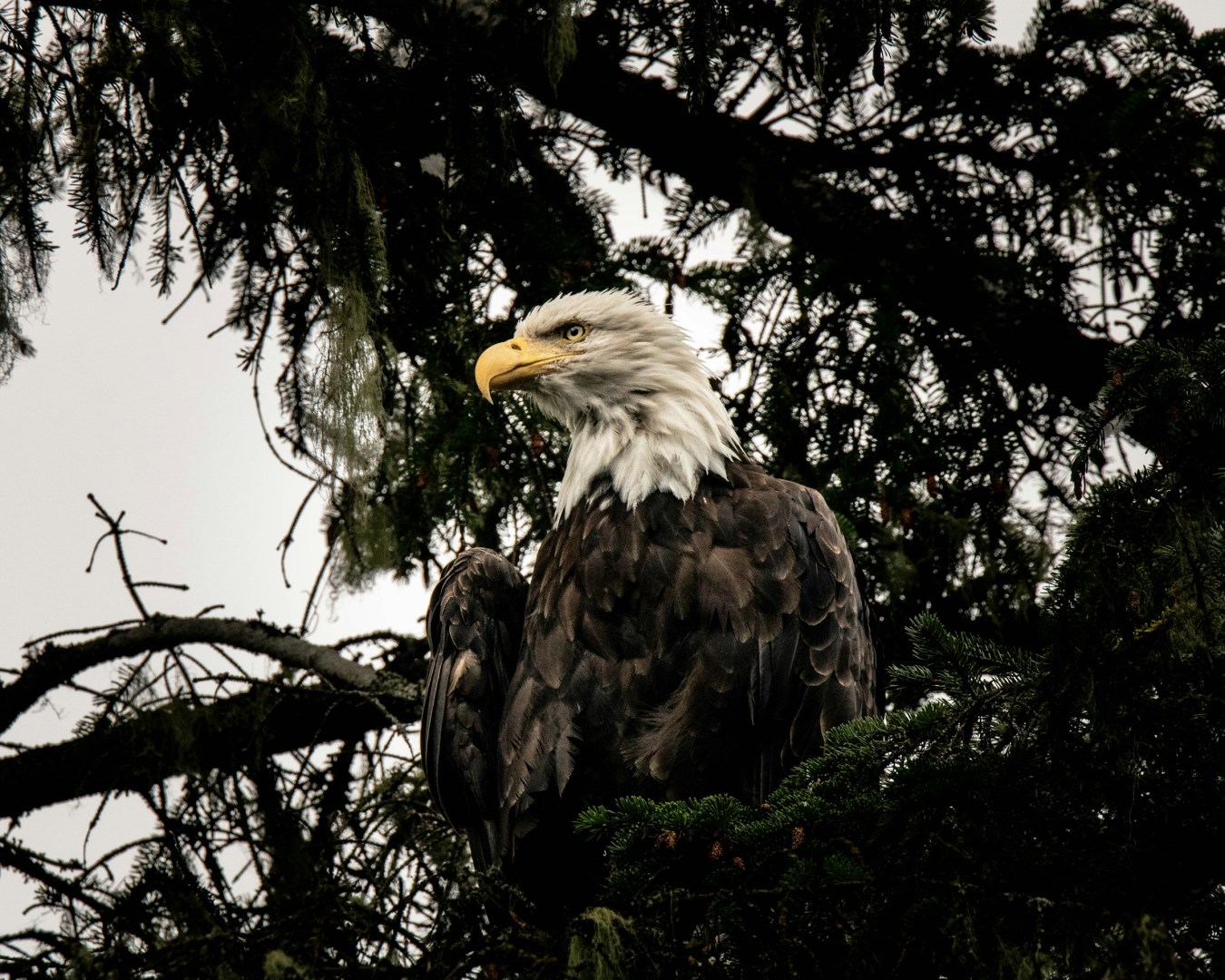
Turku
Turku, Finland’s oldest city, is a captivating blend of rich history and contemporary charm. Established in the early 13th century, Turku is renowned for its medieval architecture, including the majestic Turku Castle.
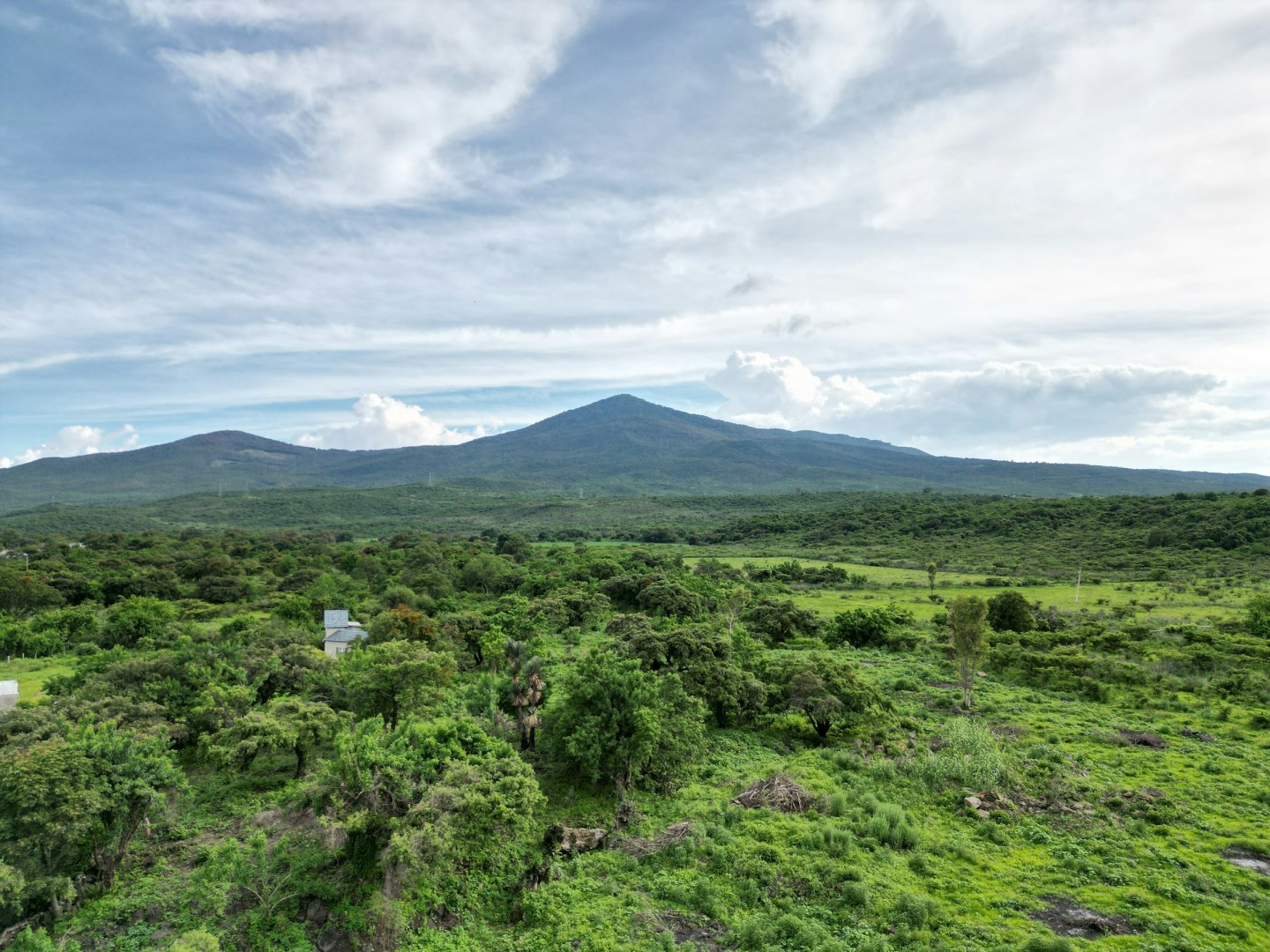
Michoacán de Ocampo
Western Mexico state on the Pacific coast that is a major producer of avocados. Morelia serves as its capital city.
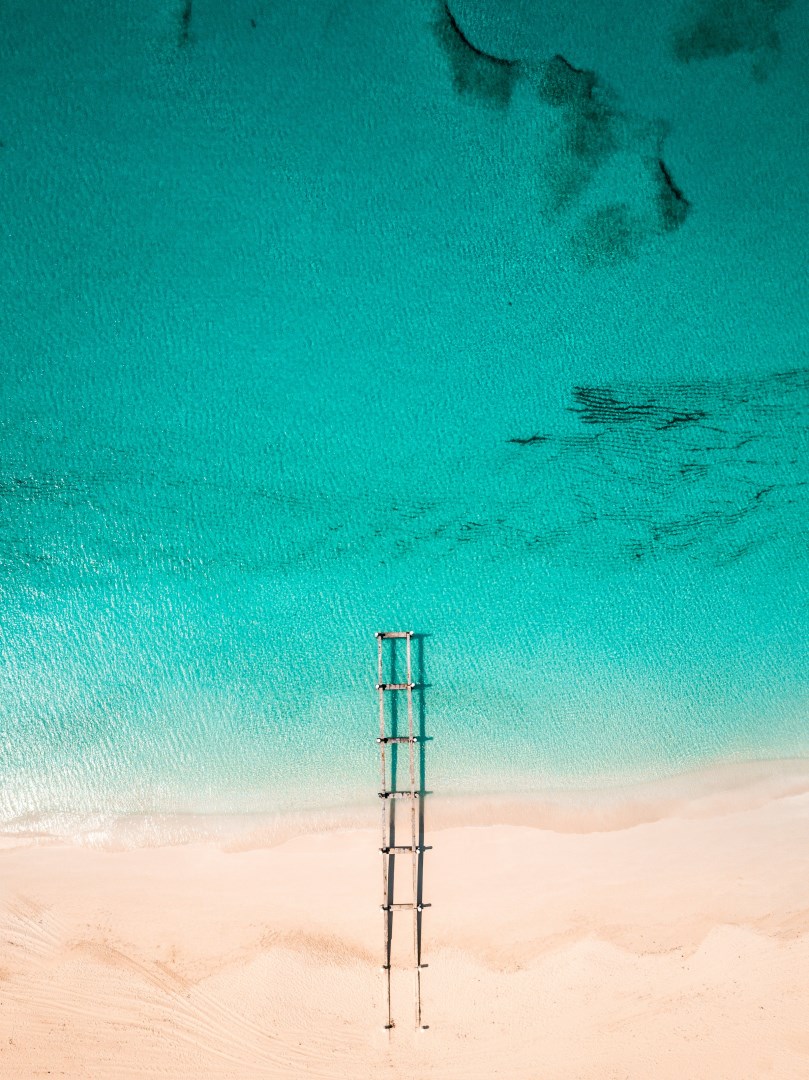
Grace Bay
Grace Bay is a coastal district on the northeast shore of Providenciales in the Turks and Caicos Islands, centered on the long shoreline of Grace Bay Beach. The area combines white sand, shallow turquoise water, low coastal vegetation, and the sheltered marine environment of Princess Alexandra National Park. Behind the beach are hotels, restaurants, shops, villas, and other visitor services, making Grace Bay the main tourism district on Providenciales.

Spitz
Located on the banks of the Danube, Spitz an der Donau is a charming market town in Austria's Wachau valley. Occupied since Celtic times, Spitz offers spectacular views of the Danube valley.
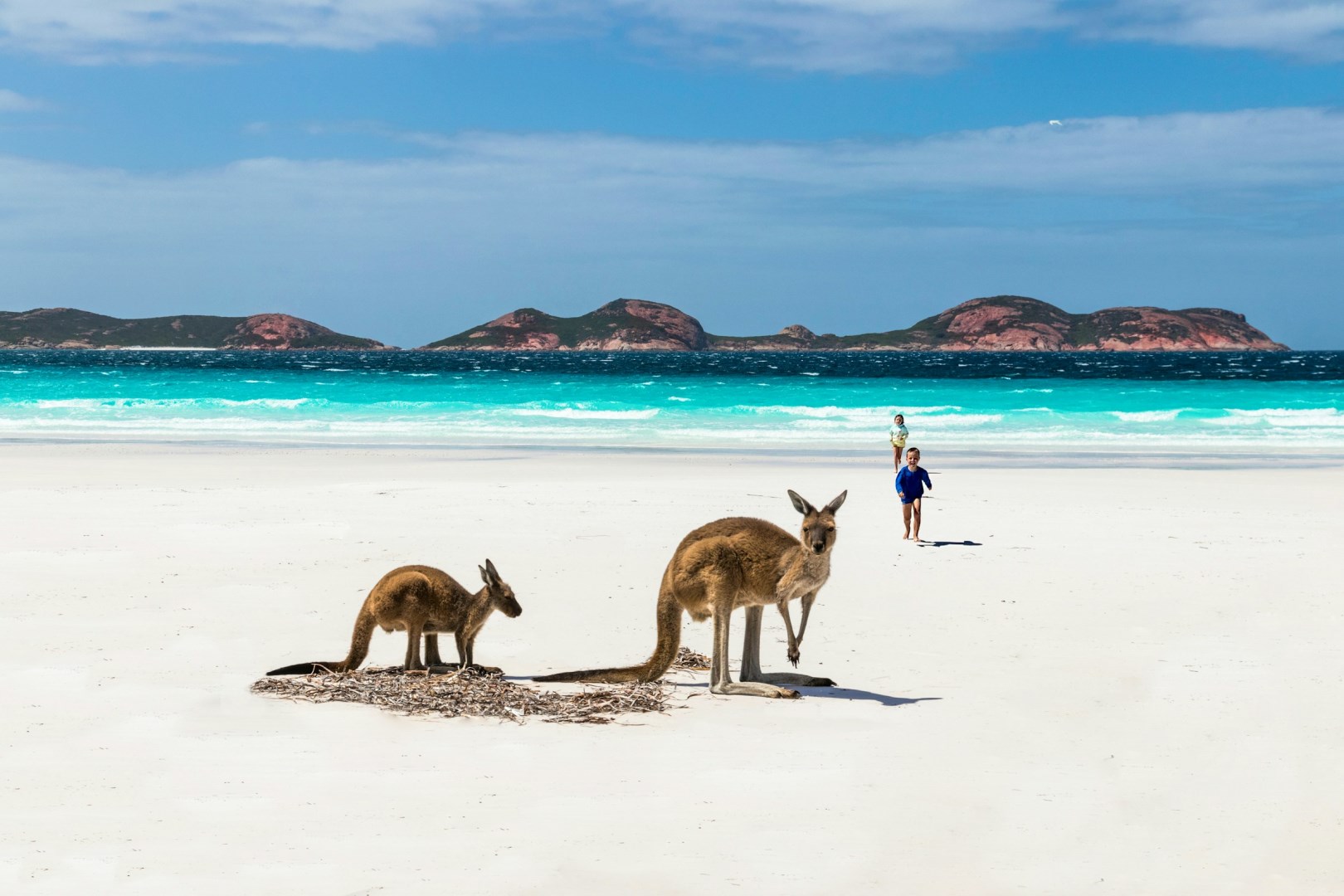
Cape Le Grand National Park
Cape Le Grand National Park lies on the south coast of Western Australia, east of Esperance, where granite peaks, coastal heath, freshwater pools, and white sandy beaches meet the Recherche Archipelago. The park is best known for Lucky Bay, where exceptionally white sand curves around clear turquoise water and kangaroos are often seen resting near the shoreline. Its remote coastal setting also supports a range of outdoor activities, including swimming, fishing, camping, kayaking, and bushwalking