Edinburgh
In Edinburgh, an ancient fortress looms, the hills are steep, and travelers delight in the hidden charms of the Old Town and New Town. Hike to find spectacular views on Arthur's Seat, shop the downhill streets of the Royal Mile, and visit Edinburgh Castle, an imposing royal fortress that defines this city's skyline.
Hoorn
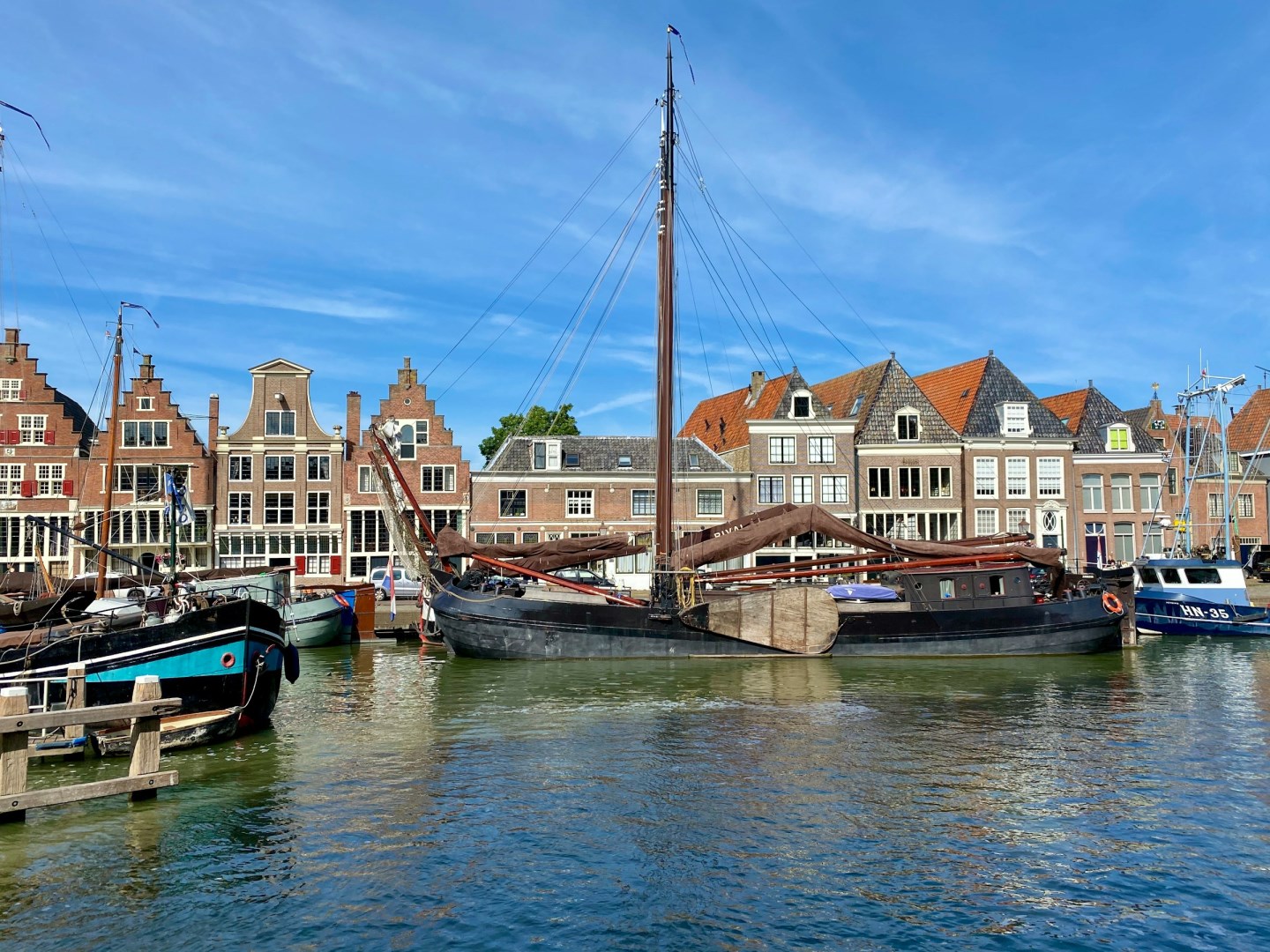
One of Holland's most charming sailing villages. The town is also known for its famous antique shops.

Bequia
Bequia, the largest of the Grenadines, is a hidden gem in the Caribbean Sea that captivates visitors with its unspoiled beauty and warm, welcoming atmosphere. Often described as the "island in the clouds," Bequia (pronounced "Bek-way") offers a tranquil escape where turquoise waters meet lush green hills. The island's charm lies in its simplicity—no sprawling resorts or crowded beaches, just a peaceful haven where time seems to stand still.

Portland, Oregon
Portland, Oregon, is a city where natural beauty and urban innovation coexist harmoniously. Nestled between the Columbia and Willamette Rivers and framed by volcanic mountains, Portland offers an array of outdoor adventures alongside its renowned cultural scene. Visitors can explore the lush expanses of Forest Park, one of the largest urban forests in the U.S., or take a leisurely stroll through the Portland Japanese Garden, which showcases exquisite traditional Japanese landscape design.
Kelheim
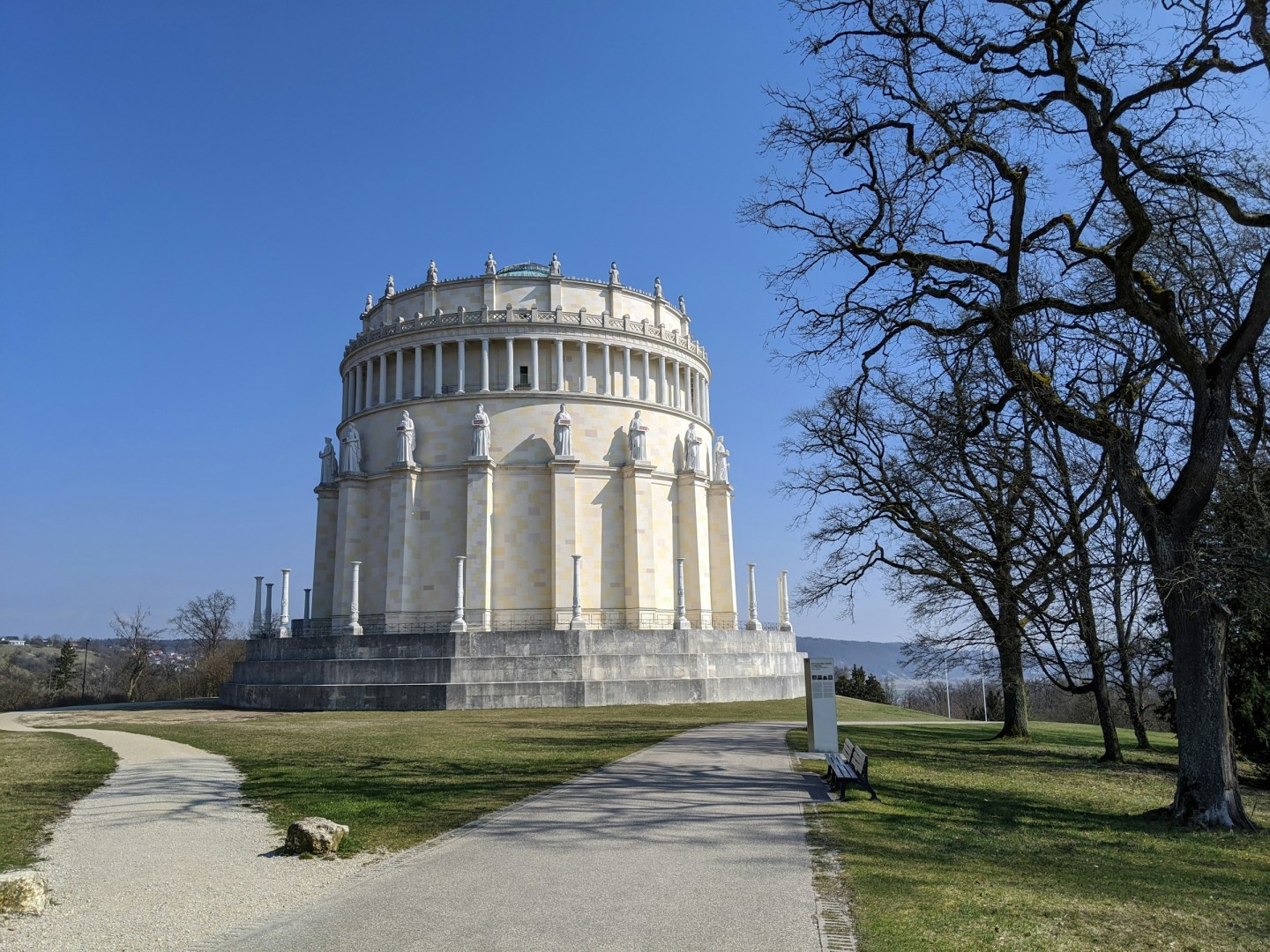
The city of Kelheim is located along the Danube River in the Bavarian region of Germany, southwest of Regensburg.