
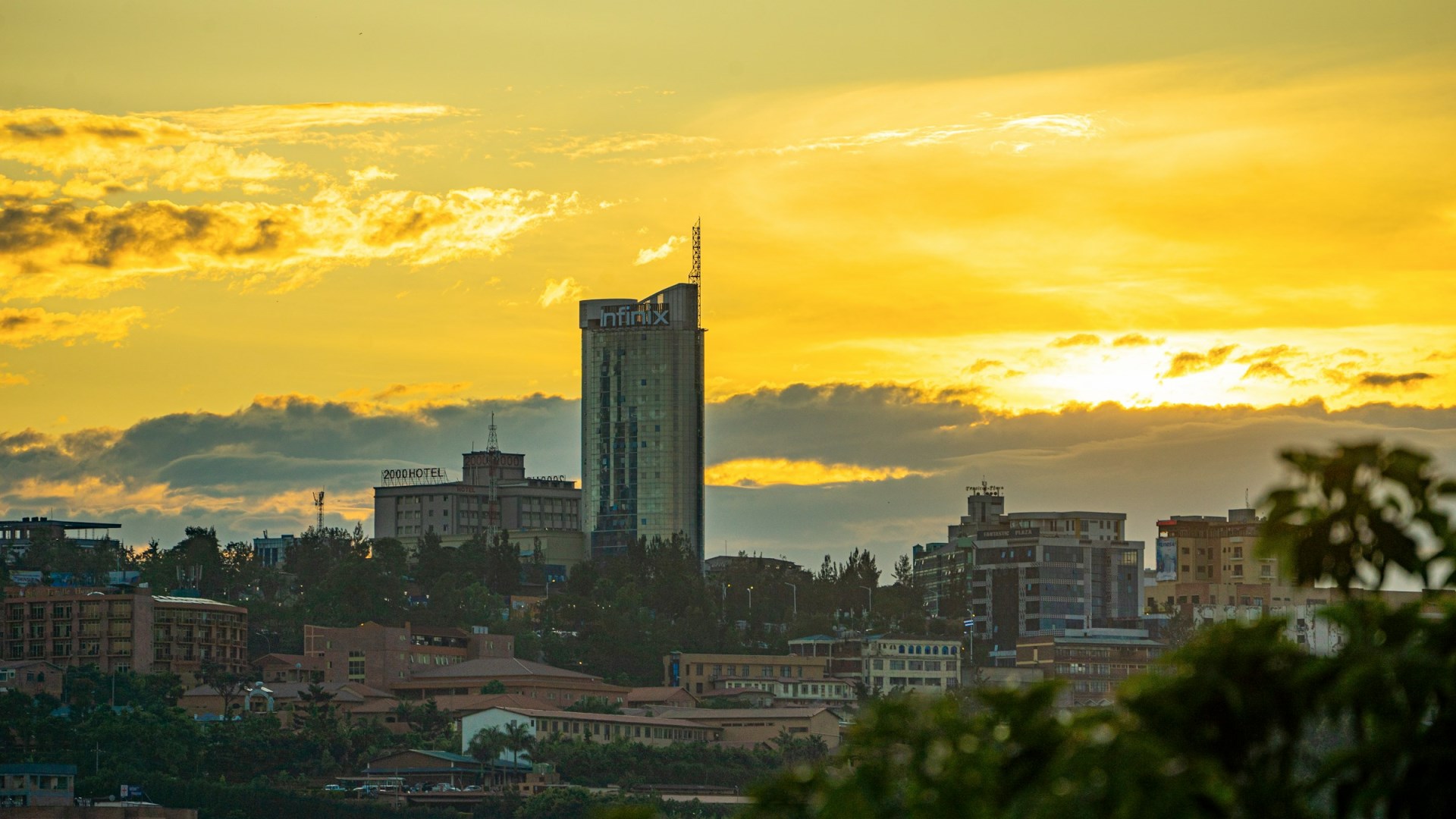
Kigali
Kigali, the capital of Rwanda, is a city that blends modern energy with deep cultural roots. Set among rolling hills, it offers striking views at nearly every turn.
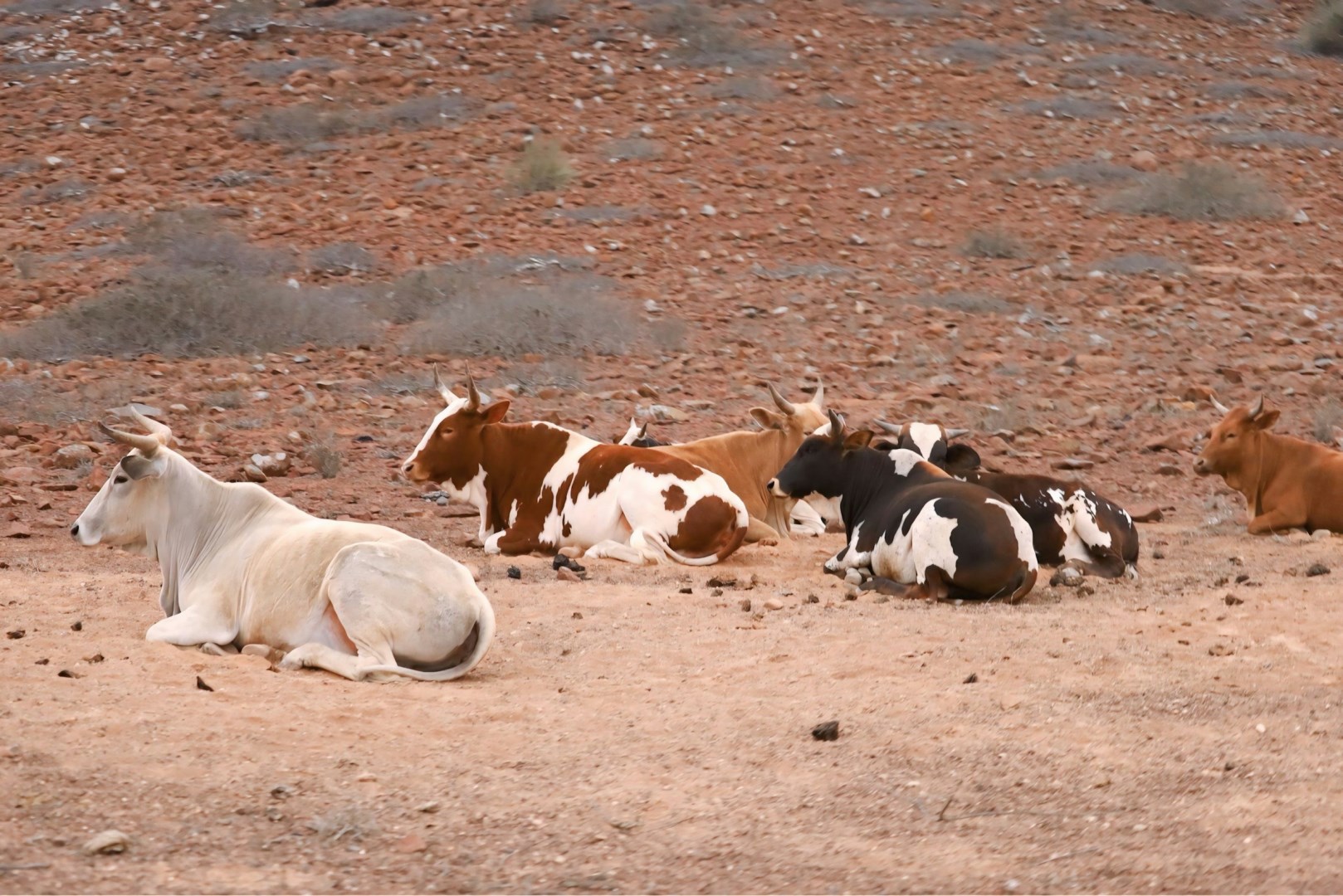
Namibe
Formerly Mocamedes, this port in southwest Angola has become an important industrial center since a rail line was built in 1905 connecting it with the interior of Angola. In 1967 when iron ore was discovered in Dongo, an additional line was laid and the port was enlarged.
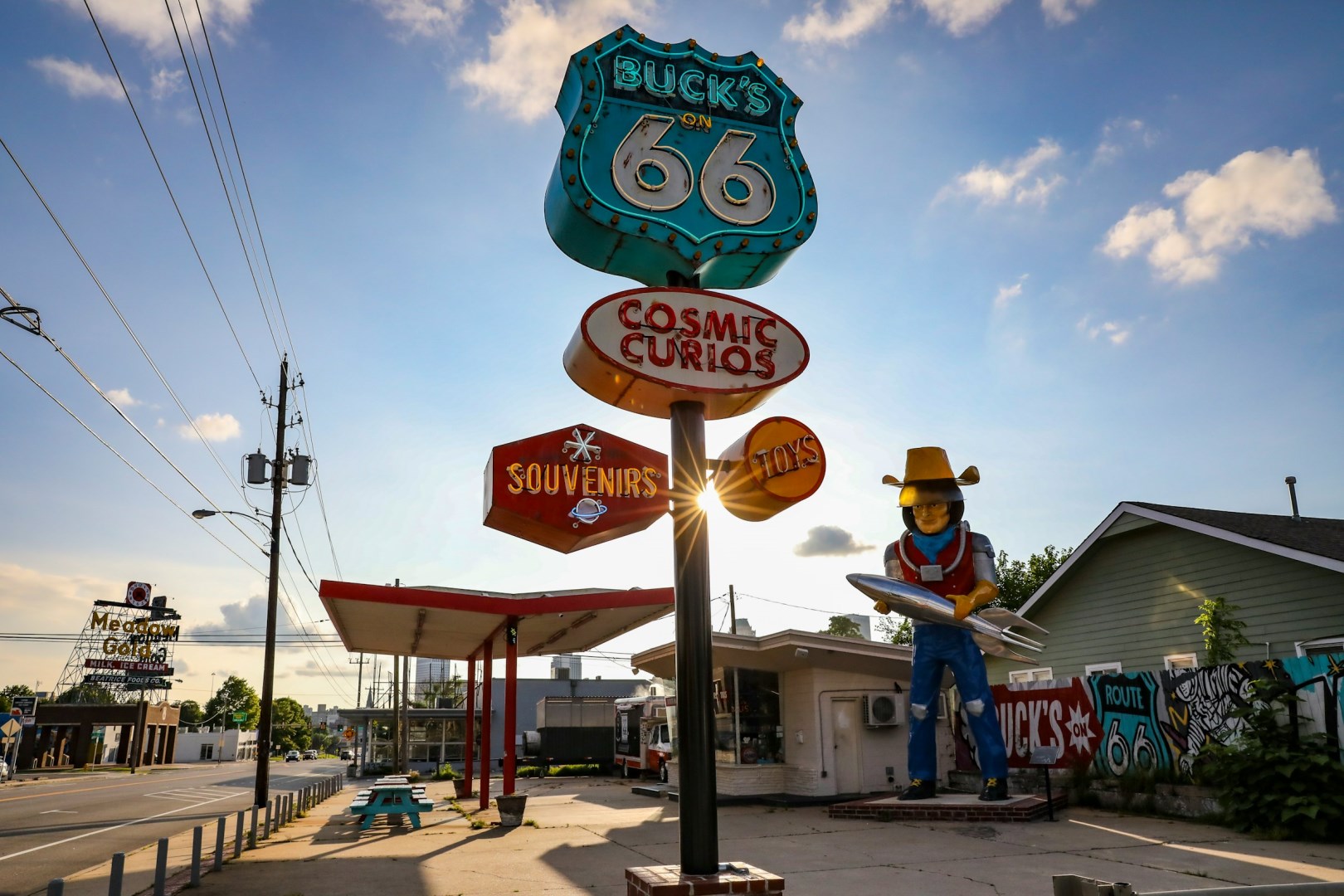
Tulsa
Located in the heart of Oklahoma, Tulsa offers much for the prospective traveler. Visit its many amusement parks, the zoo, and museums such as the Tulsa Air and Space Center, Mac's Antique Car Museum, Oklahoma Jazz Hall of Fame and the Harmon Science Center.
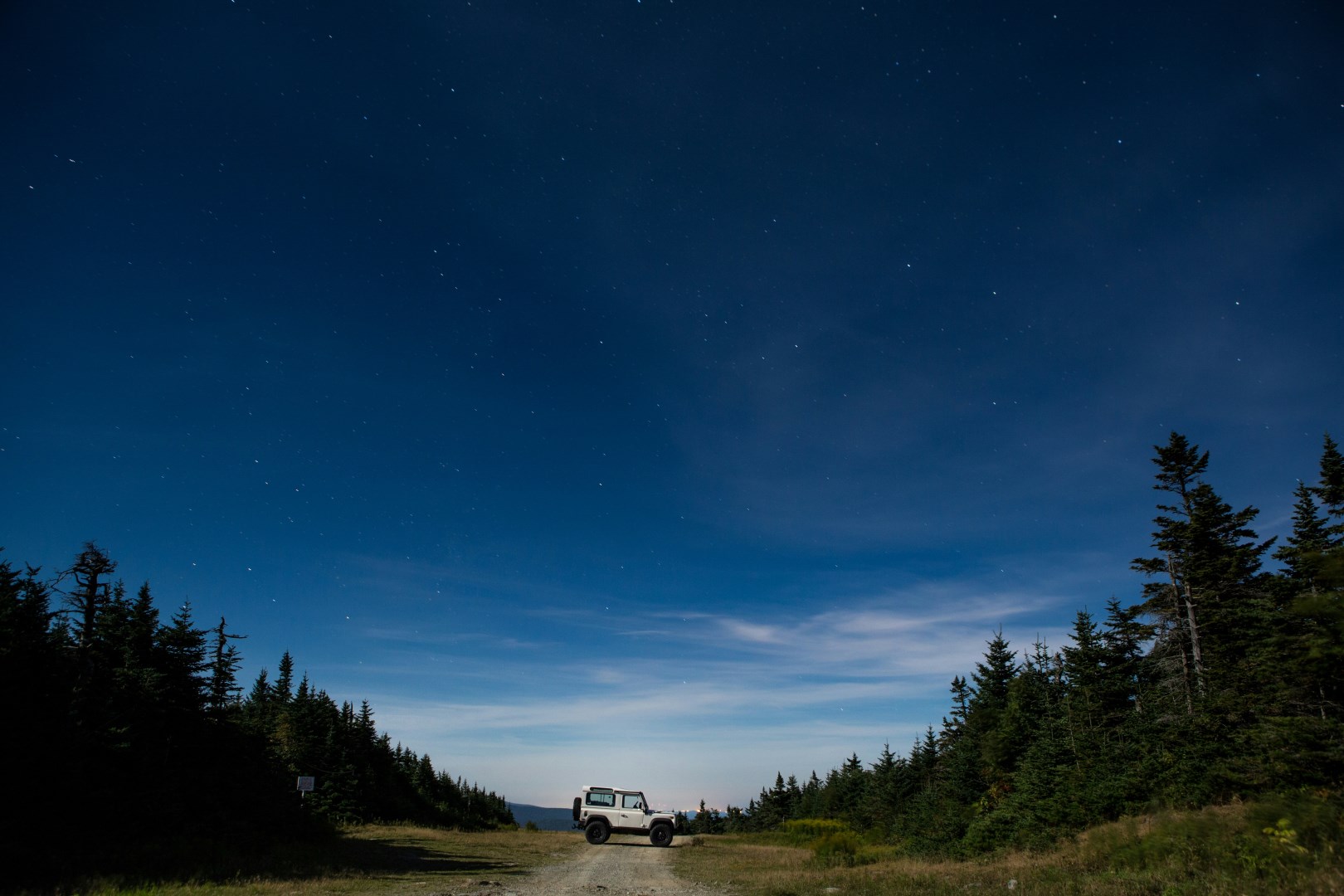
Stratton
Stratton is a mountain destination in southern Vermont, United States, centered around Stratton Mountain Resort. It sits within the Green Mountains, where forested slopes and changing seasons define the landscape.

Sidi Bou Said
Perched on a clifftop overlooking the Mediterranean Sea, Sidi Bou Said is a postcard-perfect village in Tunisia that enchants visitors with its striking white and blue architecture. Known for its iconic Andalusian-style buildings, Sidi Bou Said is a haven for artists, poets, and those seeking tranquility. Strolling through its narrow cobblestone streets, you’ll be greeted by the scent of jasmine and the vibrant colors of bougainvillea cascading from balconies.


