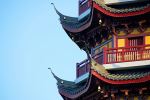
Mandal
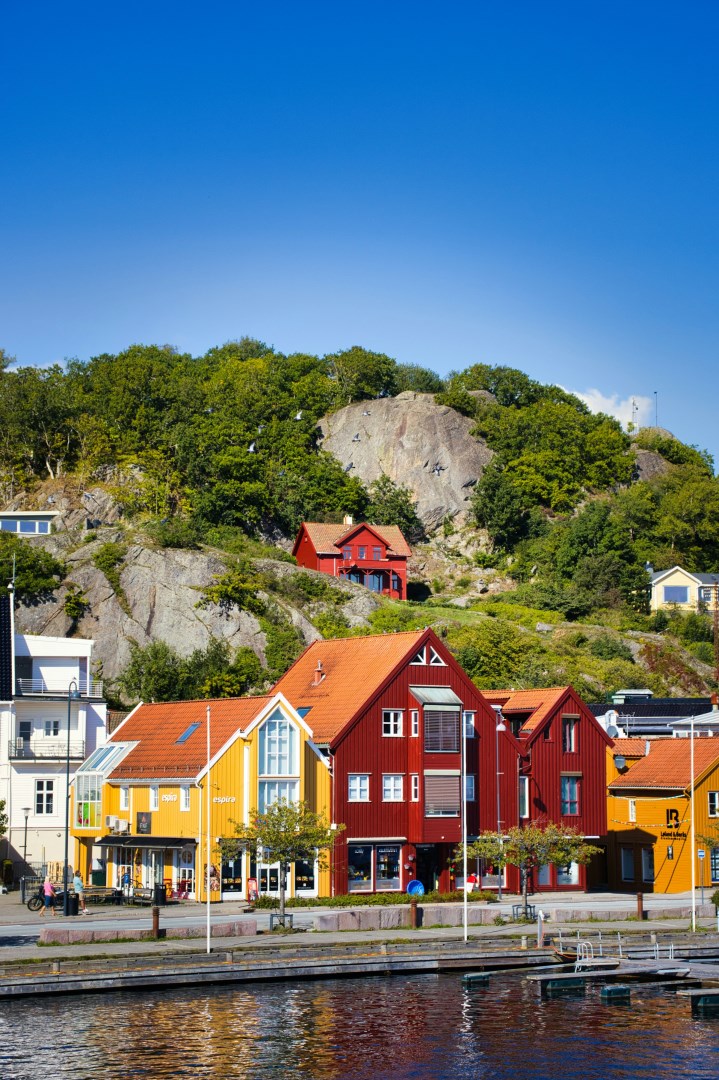
Mandal is a coastal town in Agder, southern Norway, situated where the Mandalselva River reaches the Skagerrak. It is known for its wooden town center, sandy beaches, and connection to the surrounding archipelago and river landscape. The town’s historic core contains narrow streets and closely spaced white-painted wooden houses, while the waterfront follows the river and harbor.
Gdynia
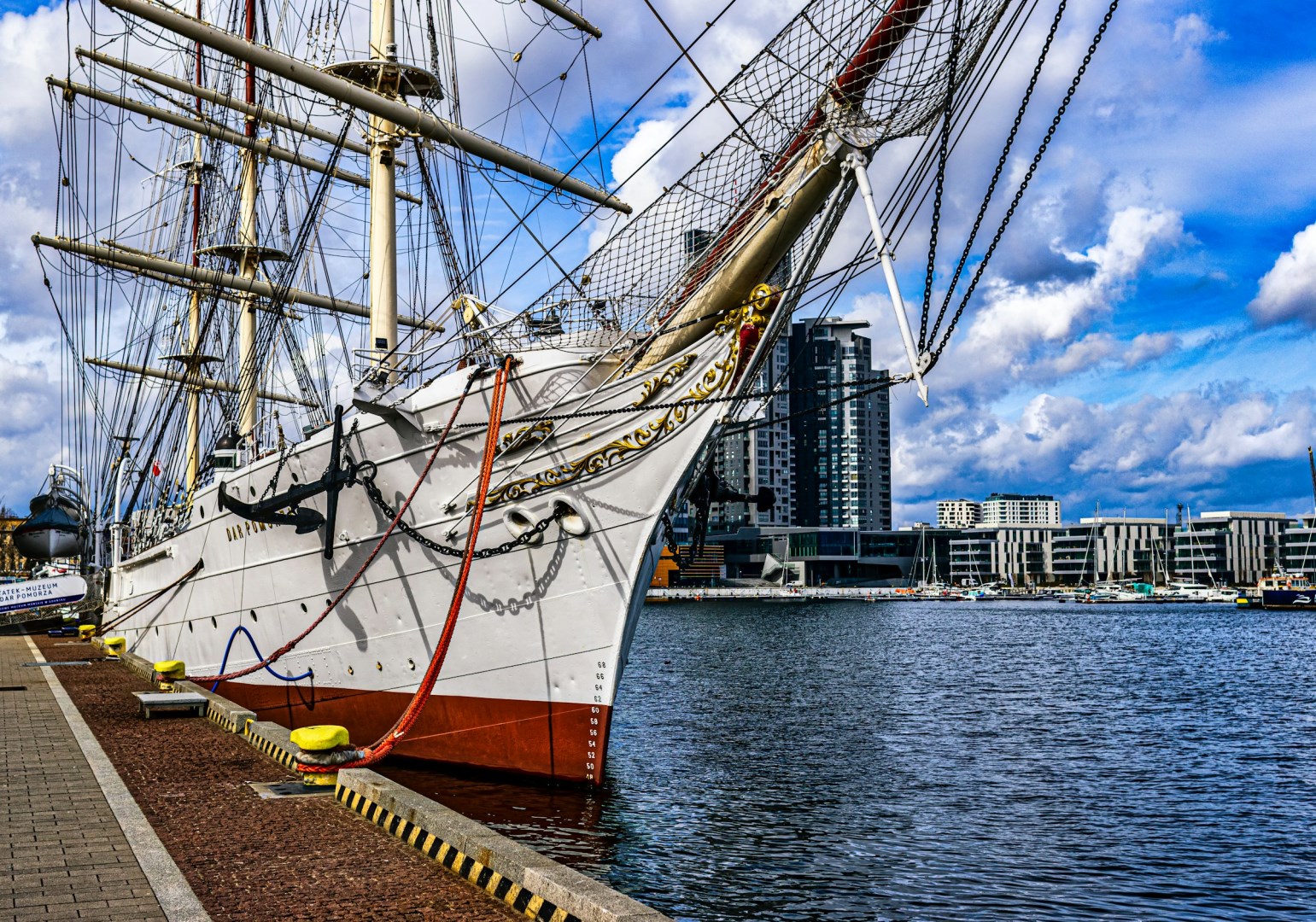
Gdynia is a Baltic Sea port city in northern Poland, forming part of the Tricity urban area with Gdańsk and Sopot. Its character is closely connected to the sea, with a large commercial harbor, marinas, beaches, and a waterfront city center. Unlike many Polish cities, Gdynia has a relatively modern urban fabric, with much of its central district shaped by interwar modernist architecture.
Manyeleti Game Reserve
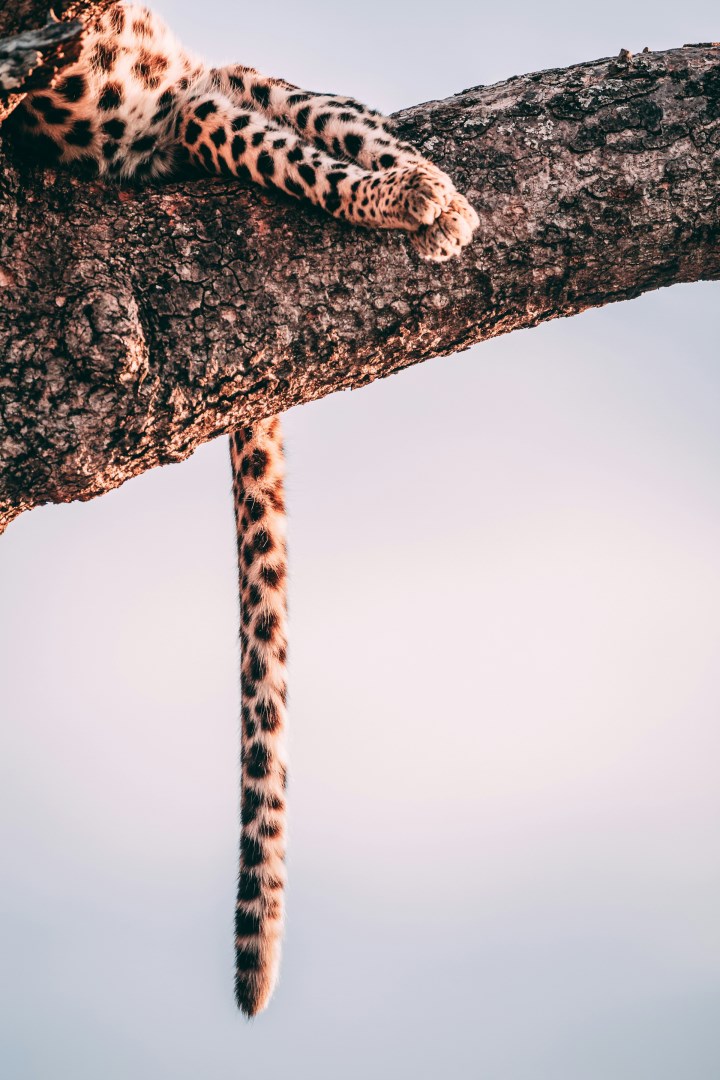
Manyeleti Game Reserve is a protected wildlife area in Mpumalanga, forming part of the Greater Kruger ecosystem. It covers about 23,000 hectares and shares unfenced boundaries with Kruger National Park, Timbavati Game Reserve, and Sabi Sand. The name Manyeleti comes from the local Shangaan language and means “place of stars,” reflecting the clear night skies of the Lowveld.
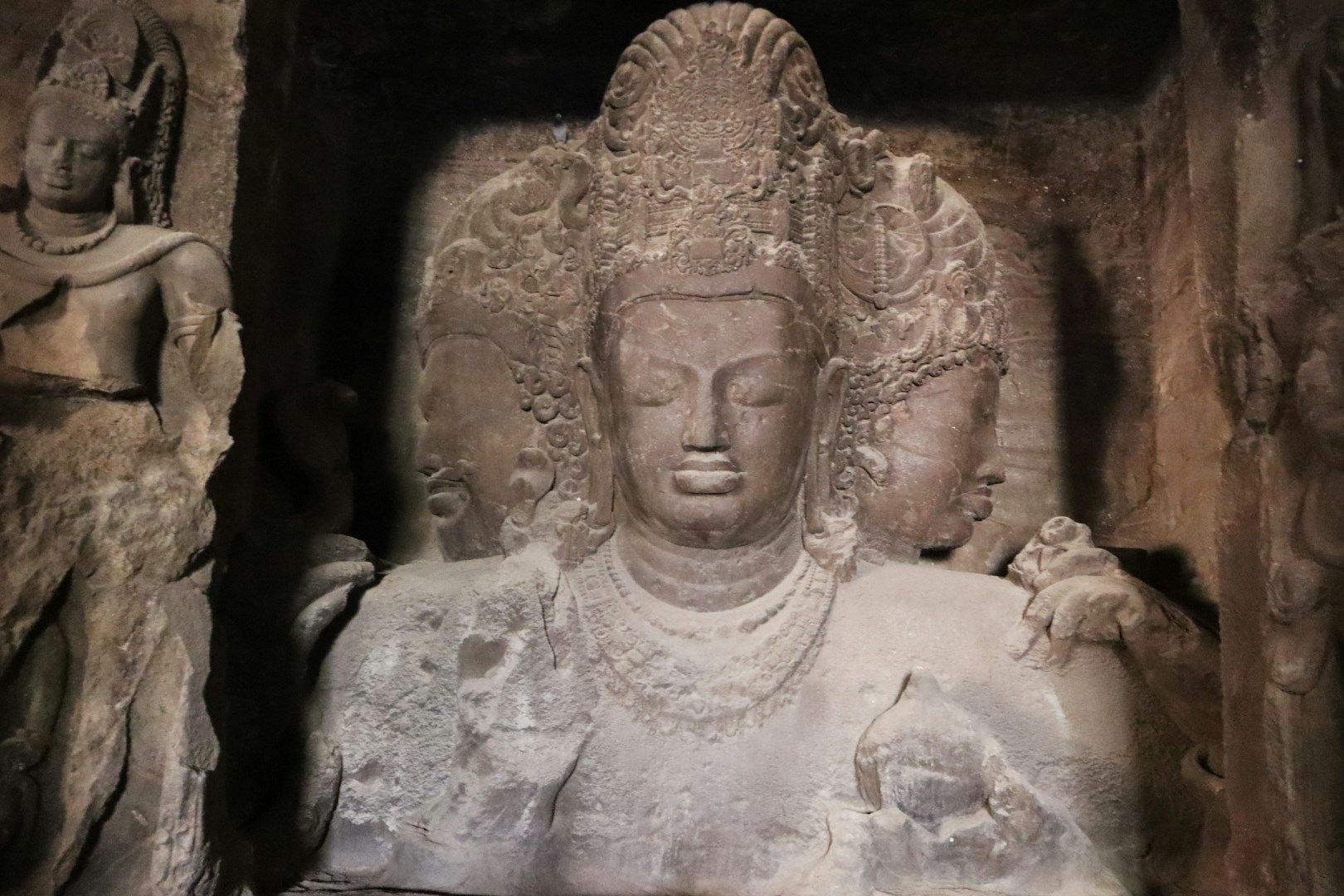
Elephanta Caves
Elephanta Caves are a group of rock-cut temples on Elephanta Island in Mumbai Harbour, Maharashtra, reached by ferry from Mumbai. Carved into basalt cliffs, the caves contain sculptures and architectural features dedicated mainly to Shiva, along with smaller Buddhist remains. The island is covered by forest and rises above the surrounding waters, creating a marked contrast with the dense urban landscape of Mumbai. The cave complex is recognized as an important example of Indian rock-cut architec
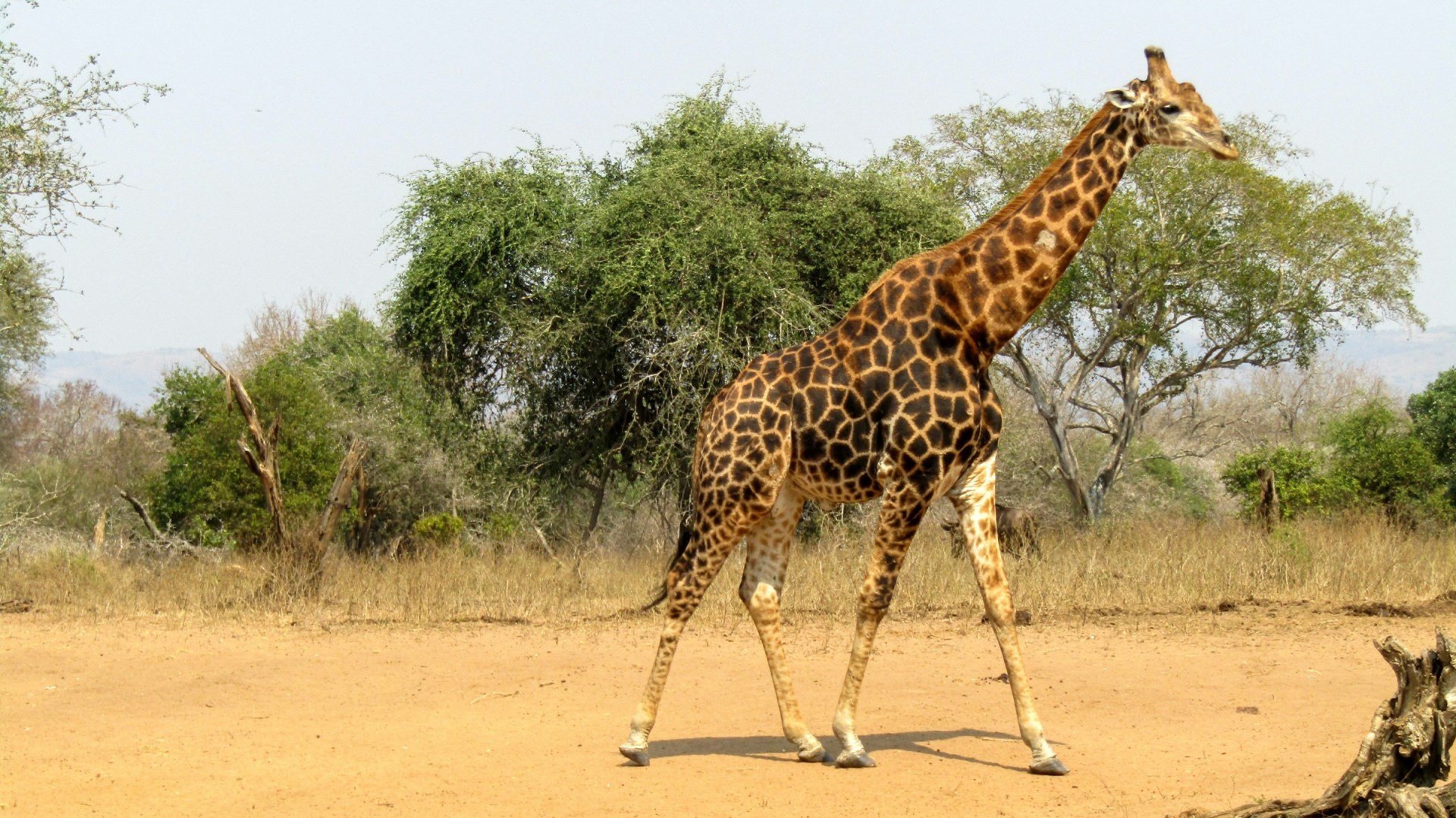
Mkuze
Mkuze is a small town in northern KwaZulu-Natal, situated within the uMkhanyakude District near the Lebombo Mountains and the eastern edge of the Pongola River system. It serves as a regional centre for the surrounding rural communities and provides access to some of the province’s important wildlife areas.