Chiba
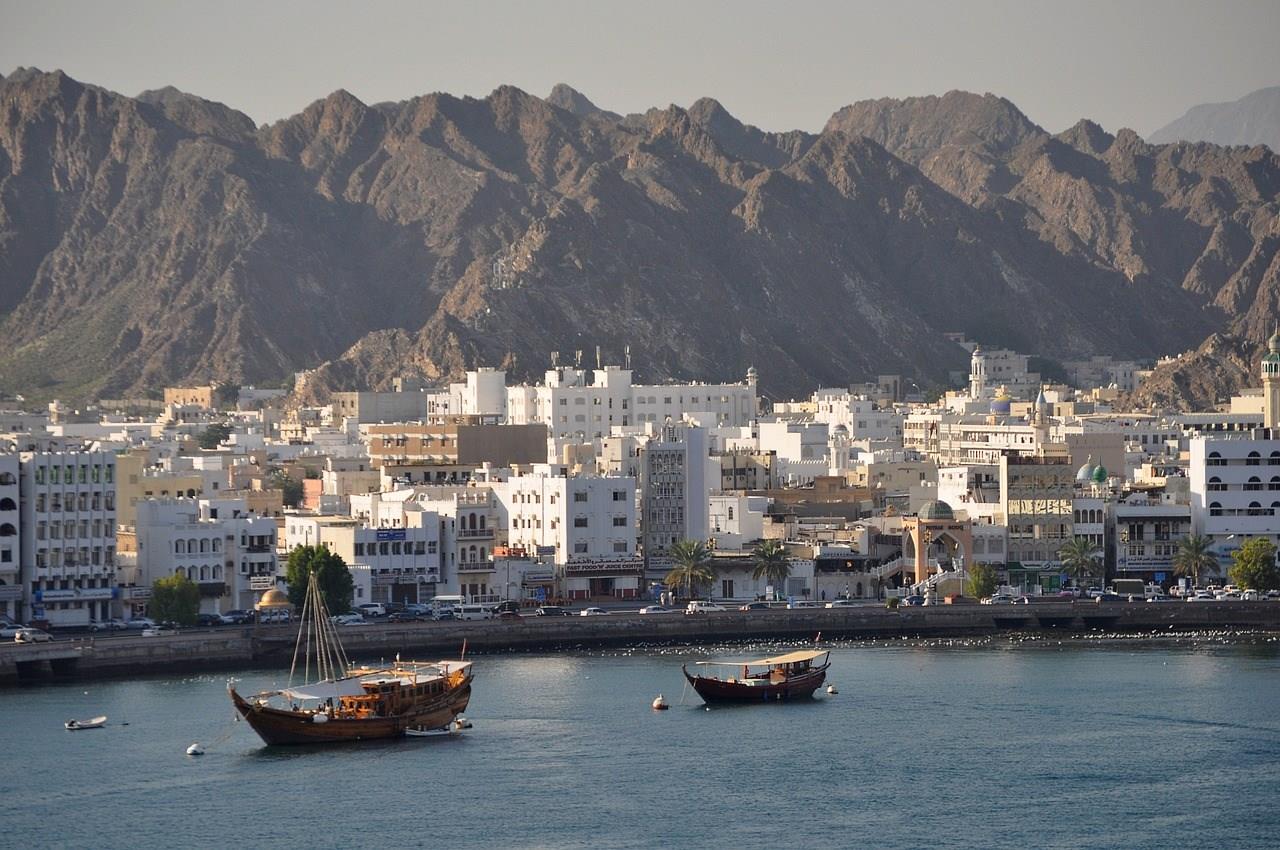
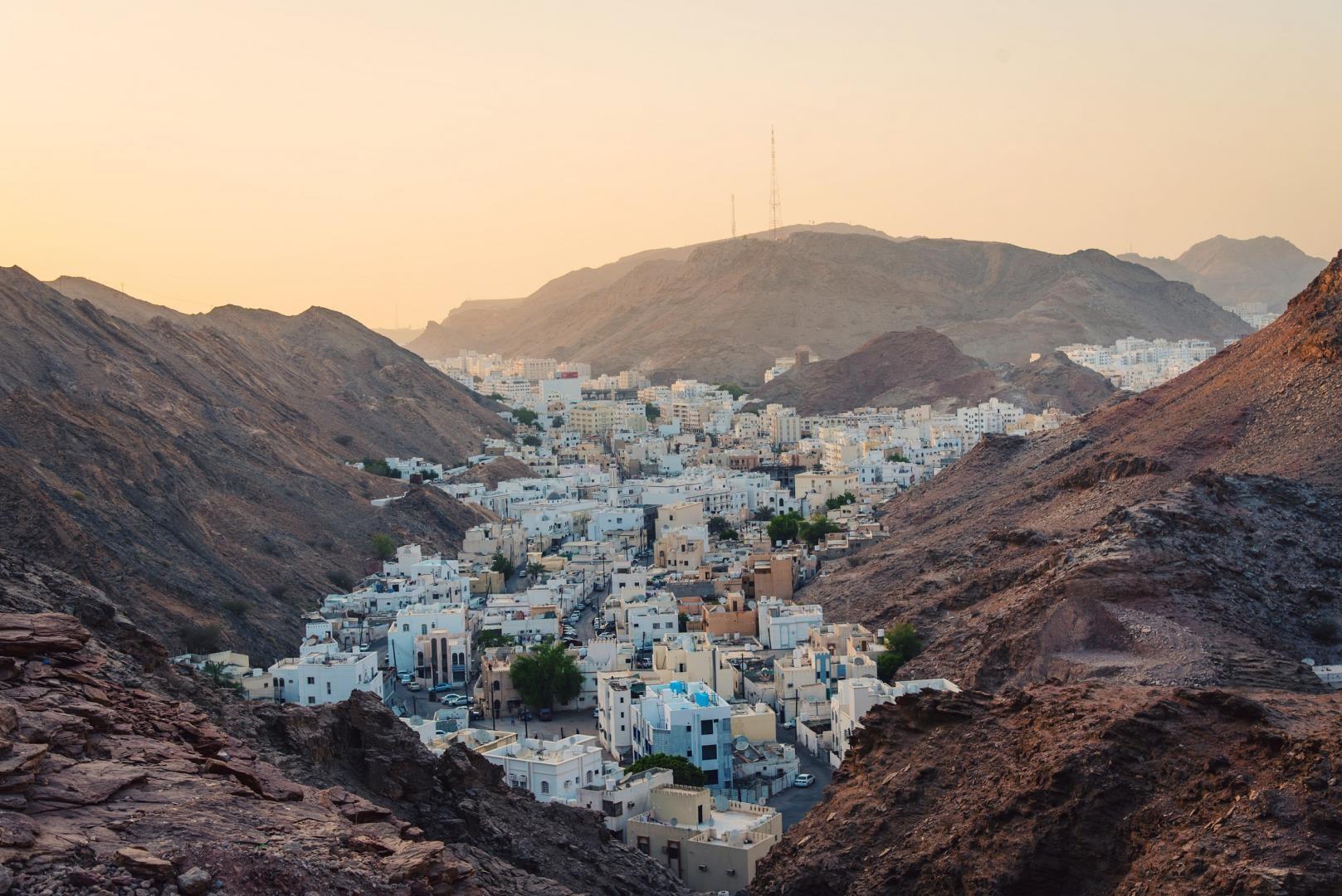
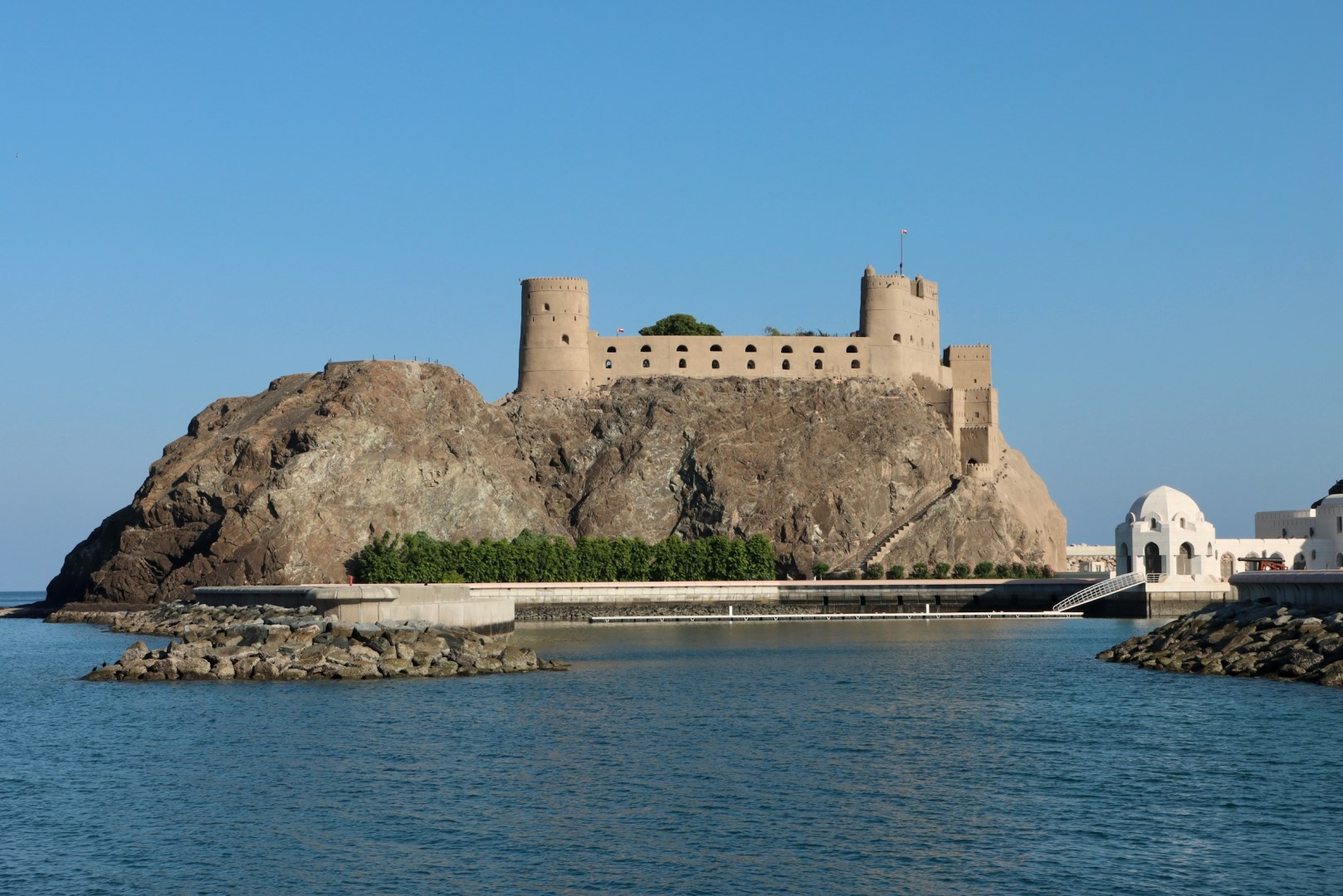
Chiba, located just east of Tokyo, is a dynamic prefecture that blends modern attractions with serene coastal and rural landscapes. Known for its role as the gateway to Japan’s capital, home to Narita International Airport, Chiba also stands on its own as a destination rich in culture, history, and nature.

Tbilisi
Tbilisi, the capital of Georgia, is a city where tradition and modern life blend seamlessly. Set along the banks of the Kura River and surrounded by hills, its layout reflects centuries of change and cultural exchange. The Old Town, with its cobbled lanes and wooden balconies, is a living museum of architecture, showcasing influences from Persian, Ottoman, and Russian eras. Above it all, the Narikala Fortress stands watch, offering sweeping views of the city below.
Sidemen
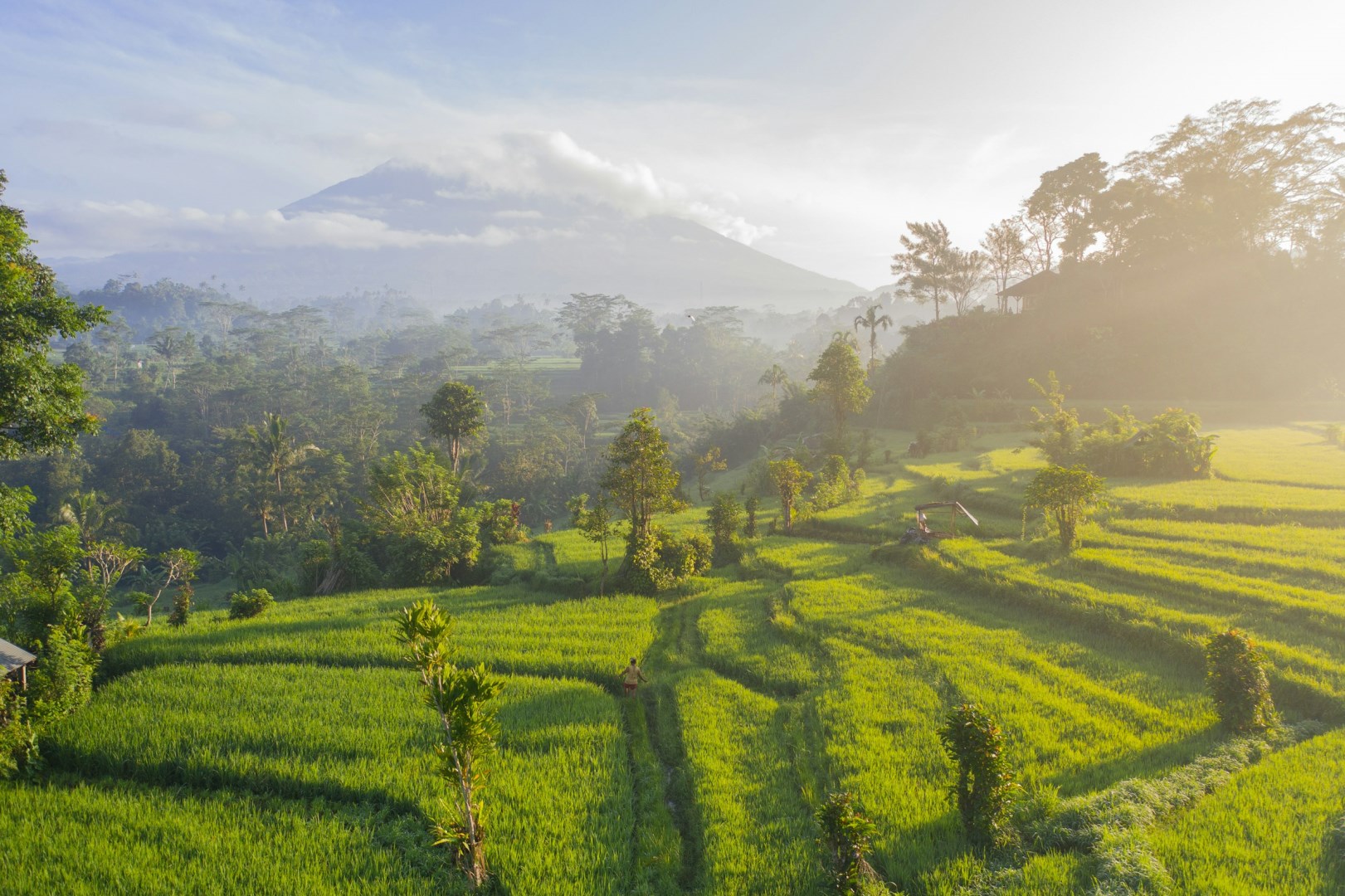
Sidemen is a rural valley in eastern Bali, surrounded by rice fields, wooded hills, small villages, and views toward Mount Agung. Located in Karangasem Regency, the area is known for its agricultural landscape and traditional village setting rather than a large urban center. Narrow roads and walking paths pass through cultivated fields, irrigation channels, gardens, and settlements, providing a close view of everyday life in Bali's countryside.

Inca Trail
The Inca Trail is a historic mountain route in Peru’s Cusco Region that leads through the Andes to Machu Picchu. The best-known route begins near Piscacucho, follows a network of stone paths through high valleys and mountain passes, and ends at Intipunku, or the Sun Gate, overlooking the archaeological site.
Piti
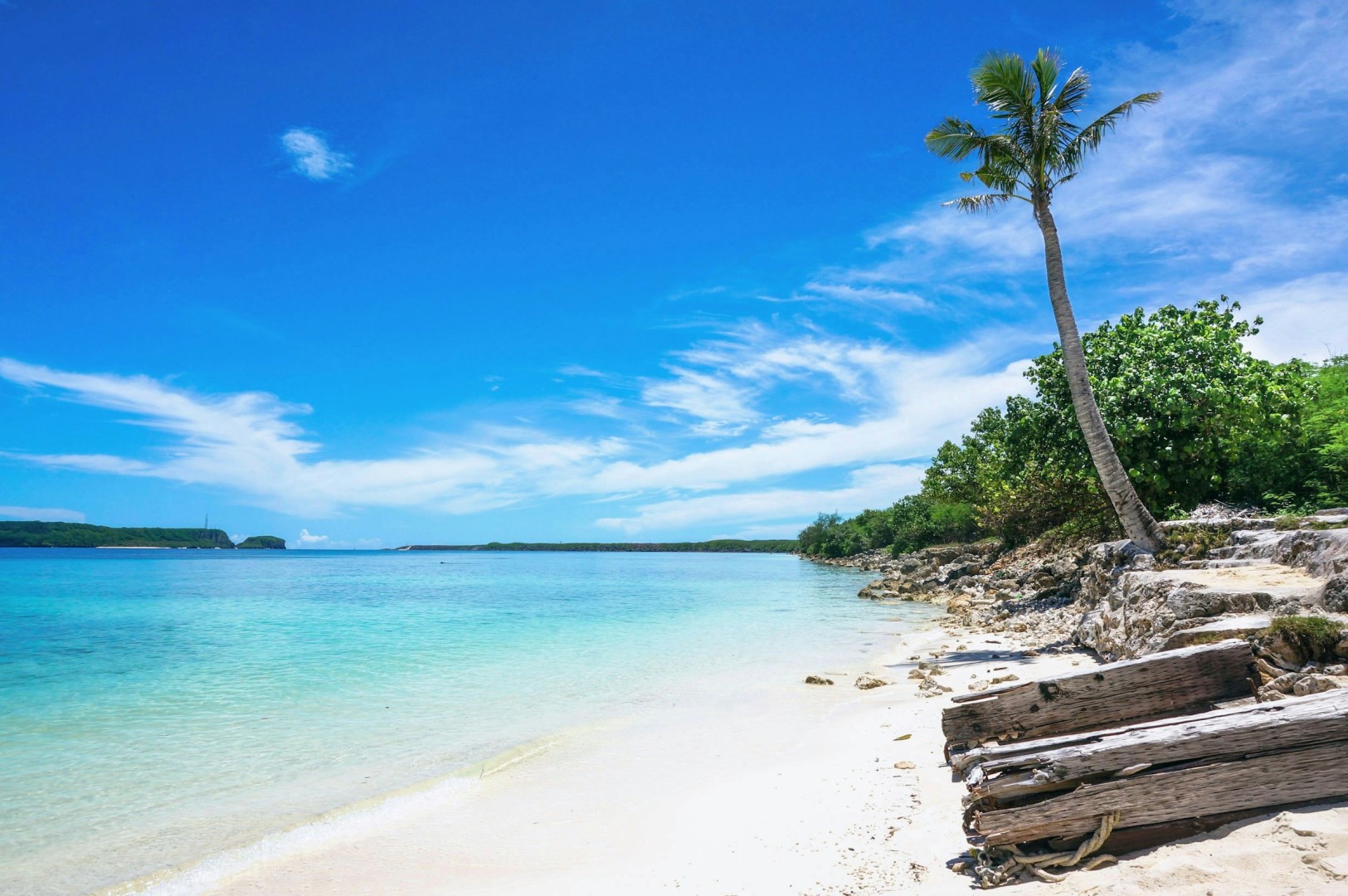
Piti is a coastal village on the western side of Guam, located around Apra Harbor and the island’s central western shoreline. Its landscape includes limestone hills, mangrove areas, coral reefs, and sheltered coastal waters, while the village itself contains residential neighborhoods, historic sites, and small commercial areas.