The Coromandel Peninsula on New Zealand’s North Island is a place where coastline and culture come alive in ways that stay with visitors long after they’ve left. Stretching for about 110 kilometers between the Hauraki Gulf and the Bay of Plenty, this region has deep roots that go back to the arrival of Māori long before Europeans stepped ashore.
Lusaka, the capital of Zambia, is a city that blends modern energy with authentic African culture. As the country’s largest urban center, it serves as the gateway for travelers exploring Zambia’s natural wonders while also offering its own dynamic experiences.
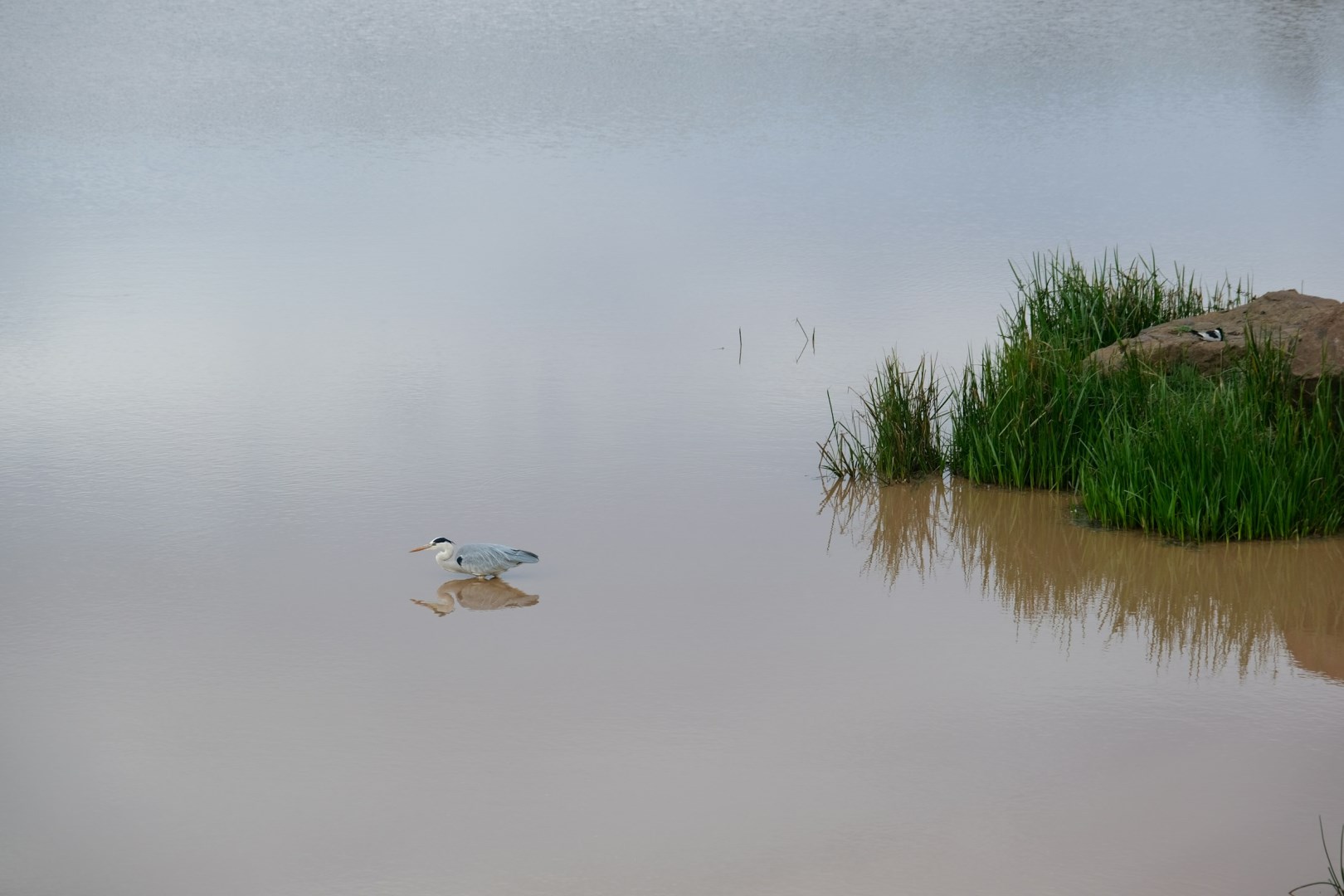
Aberdare National Park is a 311 square mile sanctuary on an isolated volcanic massif which forms part of the eastern wall of the Rift Valley. Part of the larger forest reserve, the Aberdares are covered with a dense rainforest and provide spectacular views over the Rift Valley. Bird life is abundant with more than 200 species.
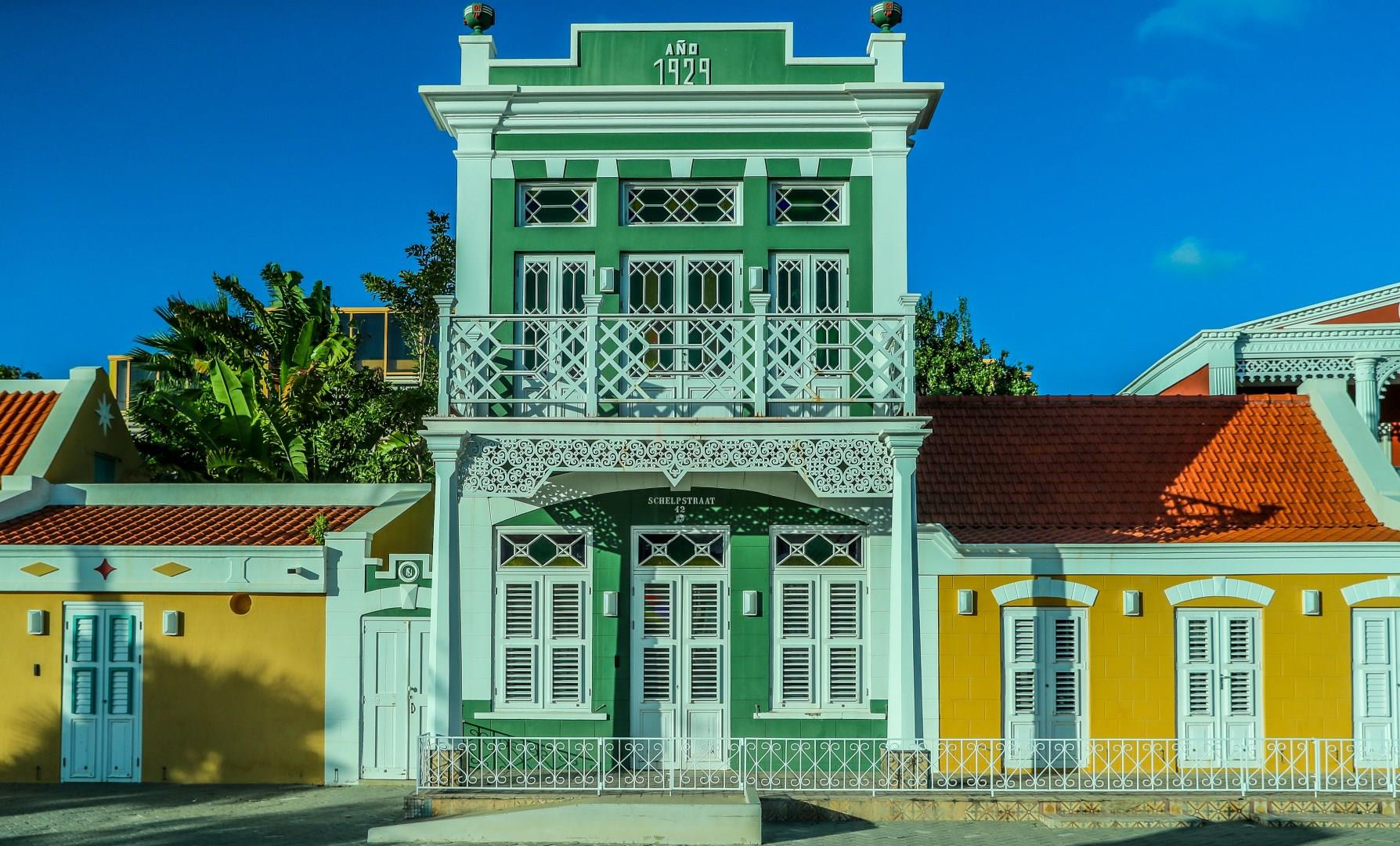
Oranjestad, Aruba’s colorful capital, blends Dutch colonial charm with the island’s easygoing Caribbean character. The city’s pastel-painted buildings, adorned with gables and decorative facades, recall its Dutch heritage while housing modern boutiques, cafés, and museums.
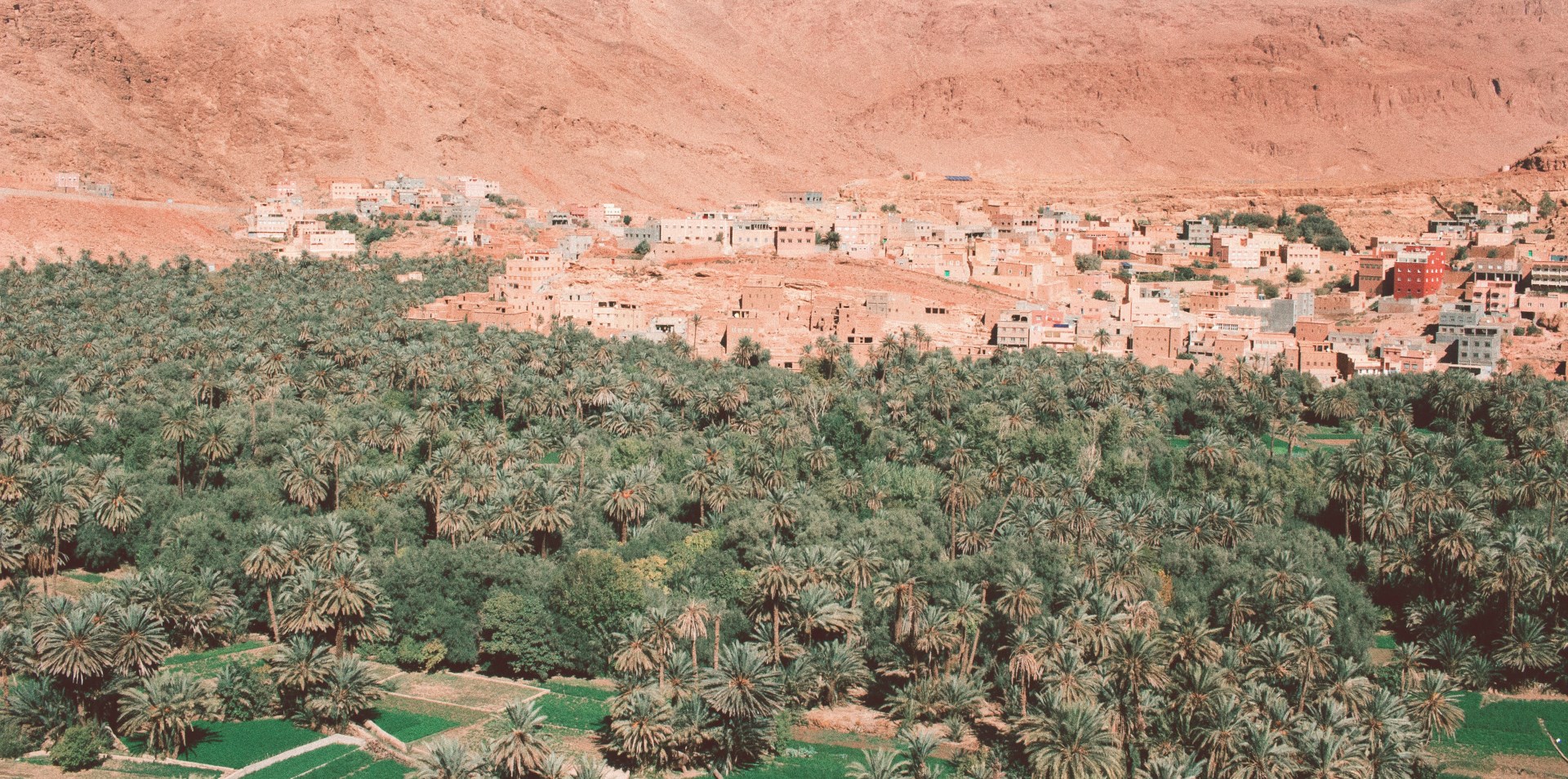
At the edge of the High Atlas Mountains, Boumalne Dades stands as a gateway to one of Morocco’s most striking landscapes. The town stretches along a broad valley where the Dades River cuts through layers of red and ochre rock. This setting creates a dramatic backdrop that shifts in color throughout the day. Travelers often arrive here as a stopping point, but many stay longer after discovering the slower rhythm of village life and the easy access to nearby valleys and gorges.
Photo Credit: Photo by Fabien BELLANGER on Unsplash
Photo Credit: Photo by Baptiste RIFFARD on Unsplash
Photo Credit: Photo by Nico Smit on Unsplash
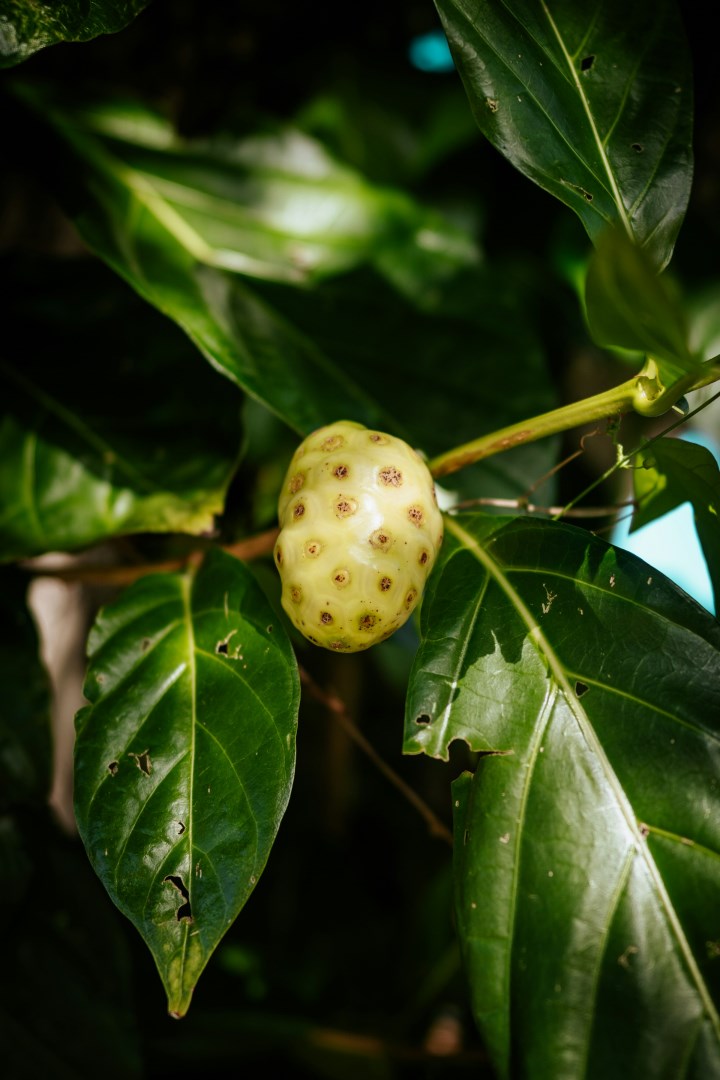
Noni Fruit
Photo Credit: Photo by Localize on Unsplash
Photo Credit: Photo by Roman Bürki on Unsplash
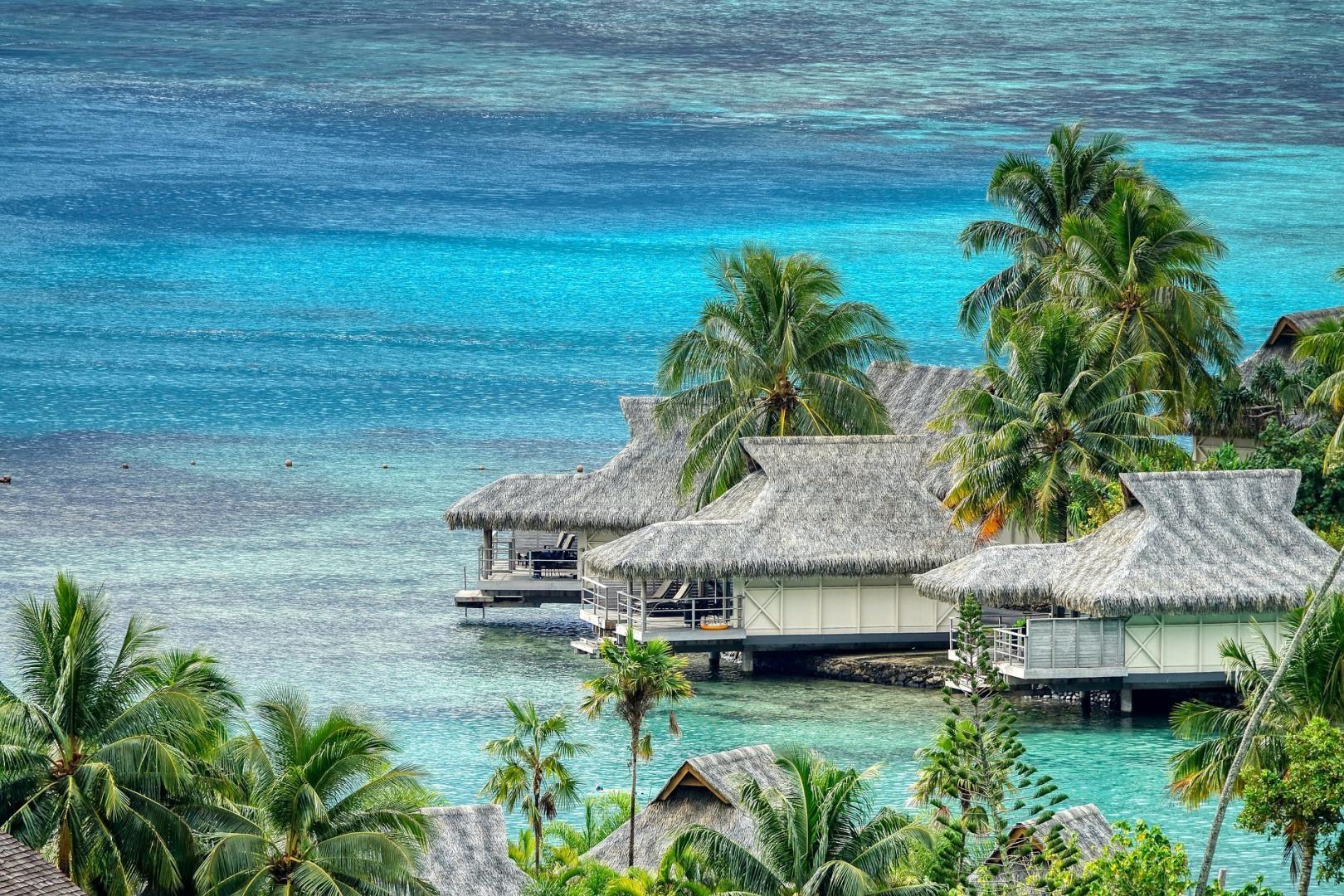
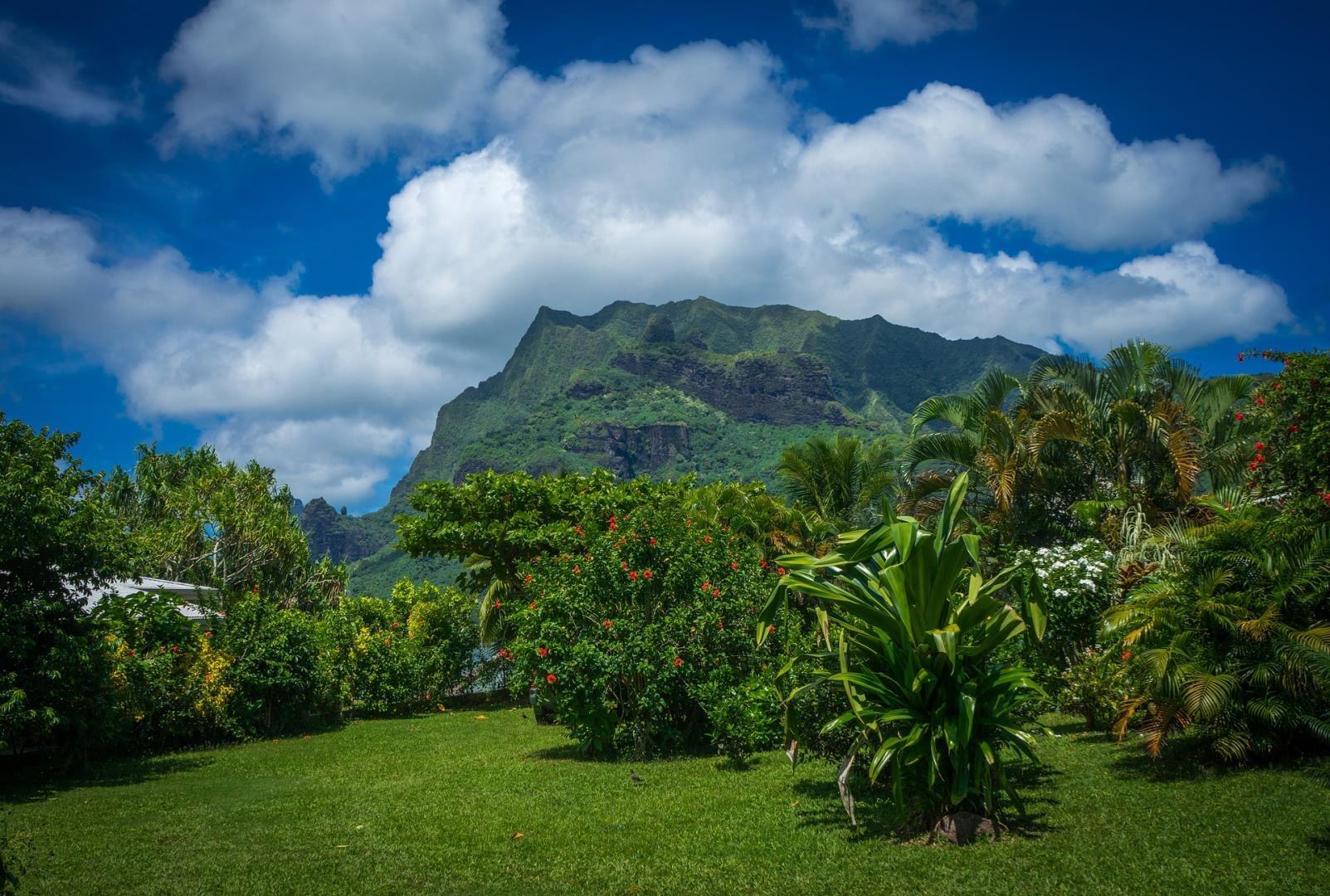
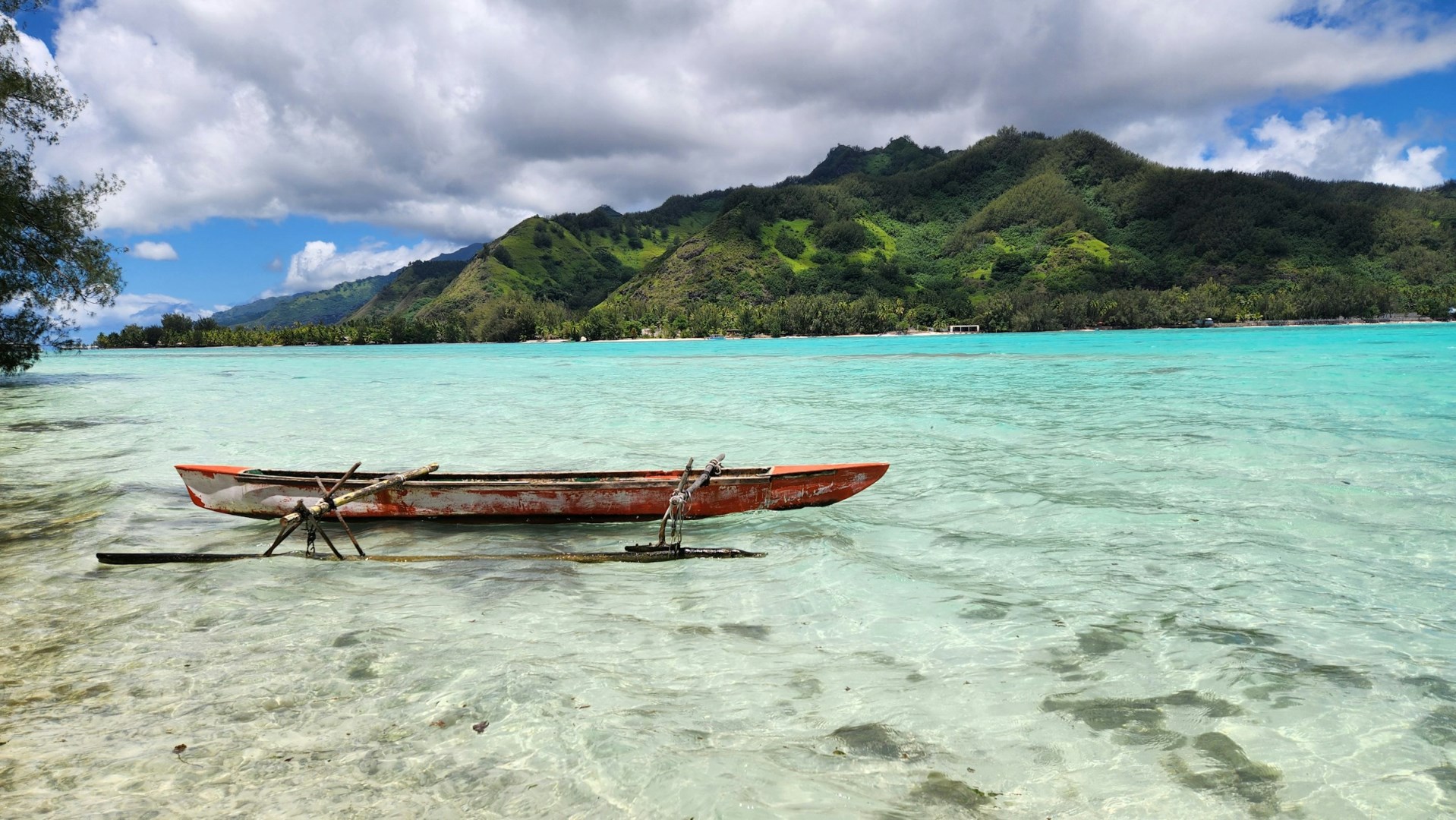
Moorea, the heart-shaped island of French Polynesia, is a paradise that captivates the senses with its striking natural beauty and vibrant culture. Just a short ferry ride from Tahiti, Moorea offers a breathtaking landscape of jagged volcanic peaks, lush valleys, and pristine lagoons. The island’s iconic views are best experienced from the Belvedere Lookout, where visitors can marvel at the panoramic vistas of Opunohu and Cook’s Bays, two deep blue bays framed by towering green mountains. This vantage point is a must-see, providing an unforgettable introduction to the island’s dramatic scenery.
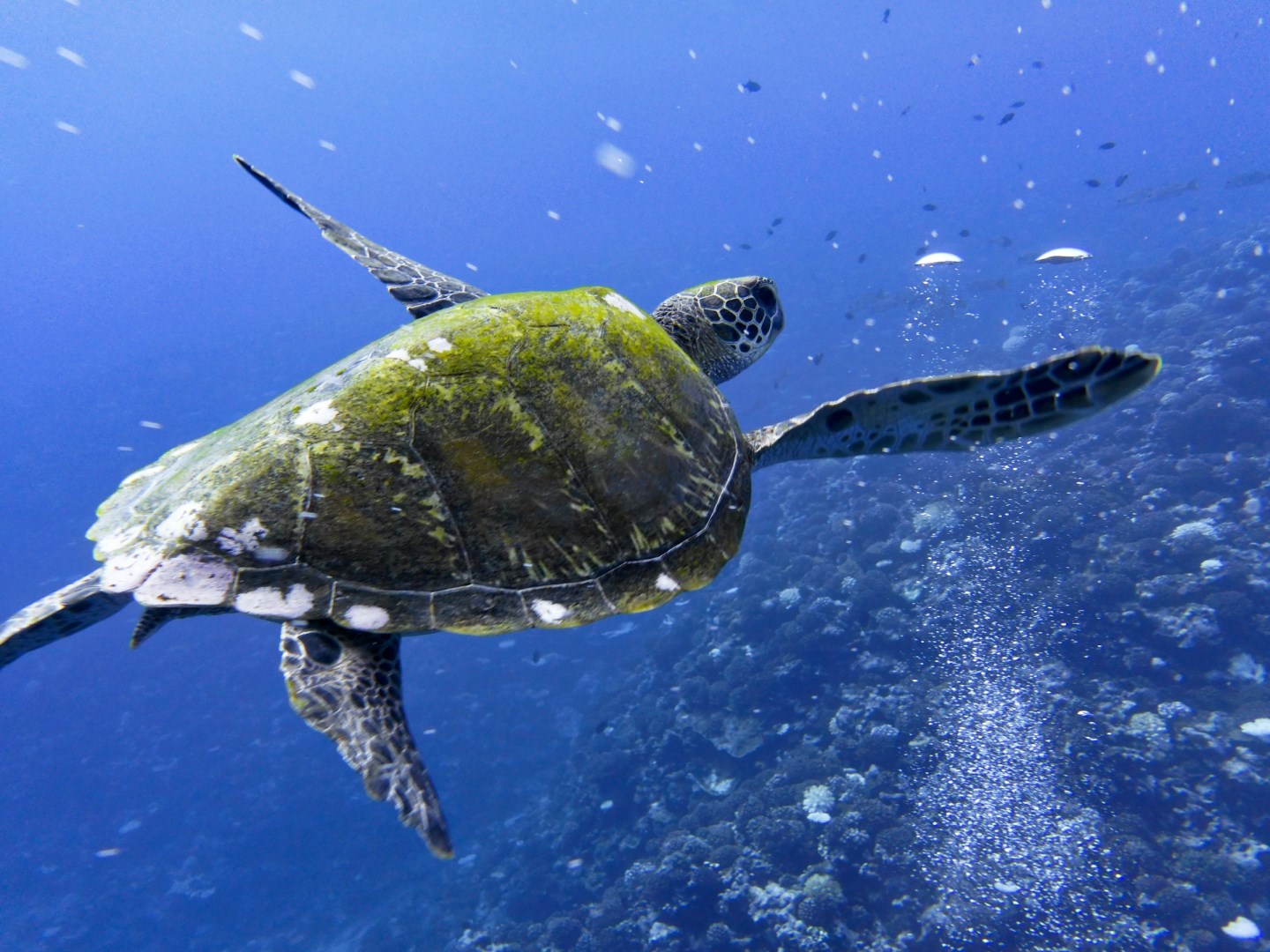
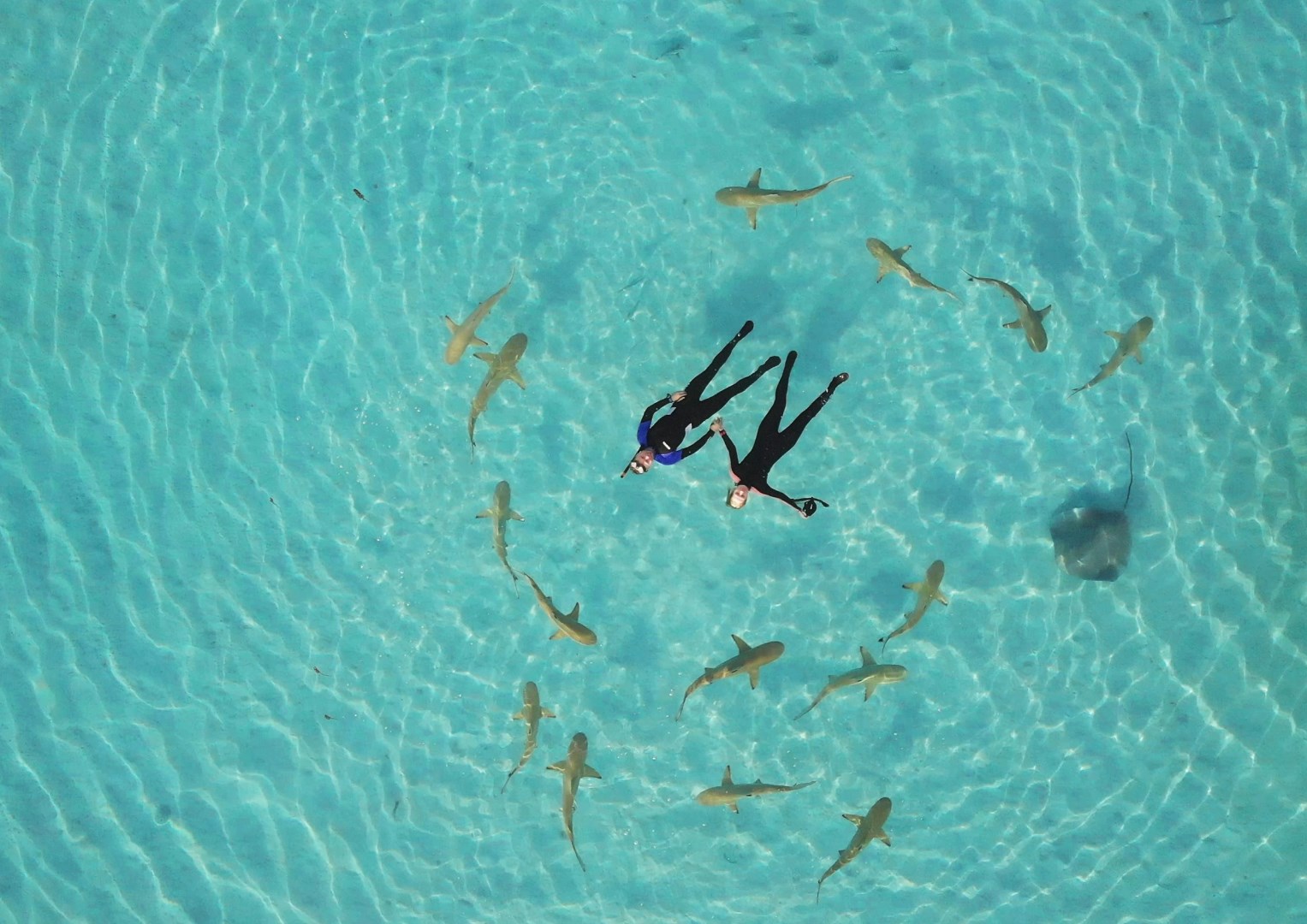
Moorea is also a haven for outdoor enthusiasts, offering a variety of activities that showcase the island’s diverse ecosystems. Snorkeling in the crystal-clear waters of the lagoon reveals a vibrant underwater world teeming with colorful coral reefs and exotic marine life, including rays and reef sharks. For a more immersive experience, take a kayak tour to explore the secluded beaches and hidden coves that dot the coastline. On land, the island’s numerous hiking trails lead through tropical forests to ancient marae (temples), where visitors can learn about the rich Polynesian culture and history that permeates the island.
Cultural experiences on Moorea are equally enchanting. The island is home to a number of traditional Polynesian villages where visitors can experience local customs, crafts, and dance. The Tiki Village Cultural Center offers an immersive journey into the world of ancient Polynesia, with traditional tattooing, weaving, and carving demonstrations, as well as captivating performances of Polynesian dance and music. Don’t miss the chance to try some of the island’s local delicacies, such as poisson cru (raw fish marinated in coconut milk and lime), which can be enjoyed at beachfront restaurants while watching the sun set over the Pacific.
Learn More About Mo'orea
Belvedere Lookout
Gaze upon a dramatic vista of the bay and mountains from this lookout point.
Tiki Village
This Tahitian cultural center features live shows.