
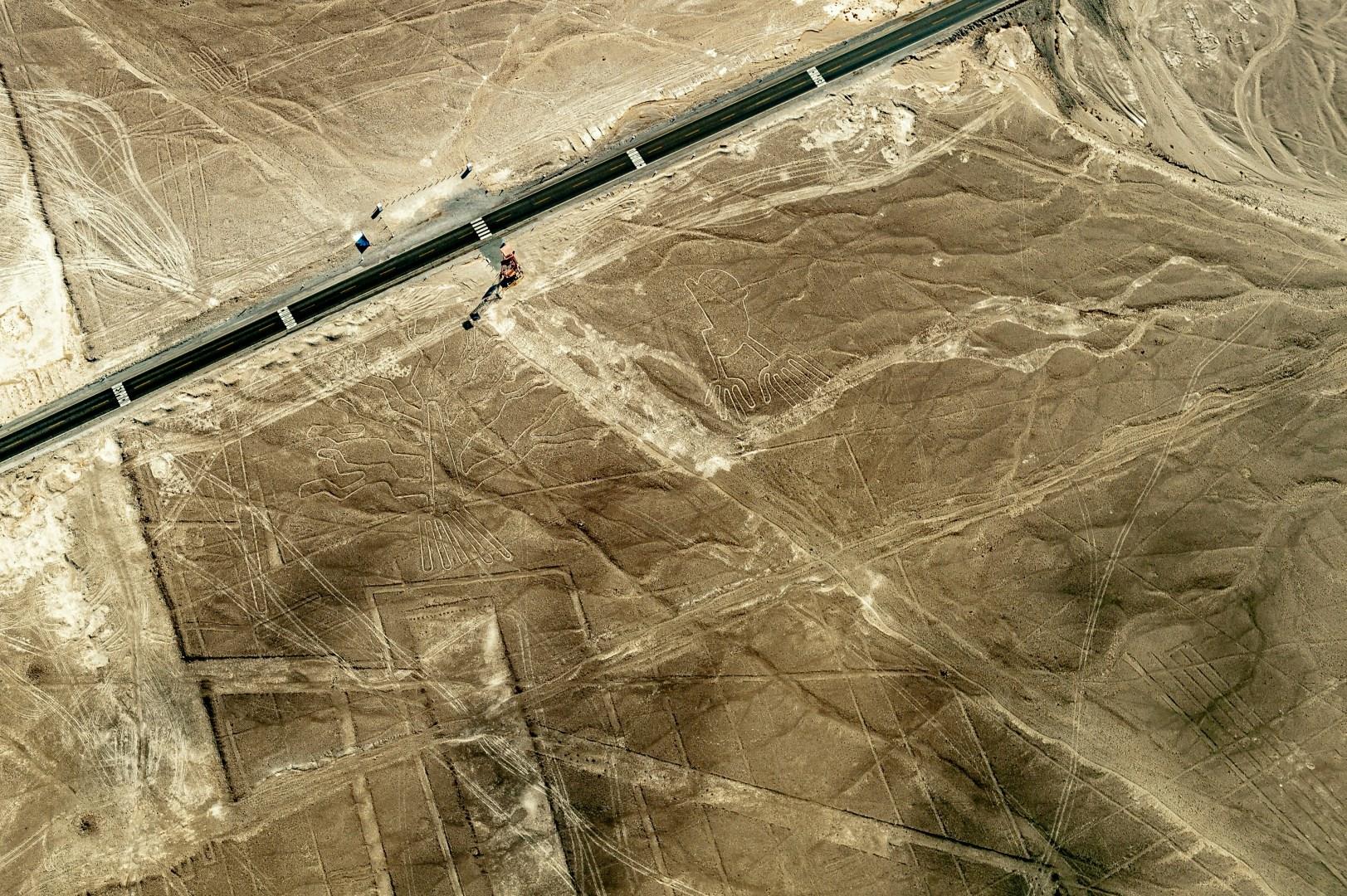
Nazca
In the southern deserts of Peru, Nazca invites visitors to look beyond the horizon. This small city is world-famous for the mysterious Nazca Lines, enormous geoglyphs etched into the desert floor more than 1,500 years ago. From the air, shapes like hummingbirds, monkeys, and even a stylized astronaut come into view, some stretching over 300 meters. Their exact purpose remains a mystery, fueling decades of theories.

Caldas de Reis
Caldas de Reis is a small spa town in Galicia, Spain, located along the Umia River on the Portuguese route of the Camino de Santiago. It is known for its thermal waters, which have shaped the town’s identity and layout.

Lake Titicaca
Lake Titicaca, perched at over 3,800 meters above sea level, is the highest navigable lake in the world and a place where ancient stories still echo across the water. Shared by Bolivia and Peru, this lake has long been considered sacred by the Andean peoples. According to Inca legend, it was from Titicaca’s deep blue waters that the first humans were created. Today, the lake remains a center of cultural tradition, spiritual significance, and daily life for many who live along its shores.

Cozumel
A Caribbean island paradise, Cozumel lies a short distance from Mexico's Yucatán Peninsula. Visitors can enjoy a variety of activities, whether taking advantage of world-class snorkeling and scuba diving, swimming with dolphins, or lounging with a drink at one of the island's seaside resorts.
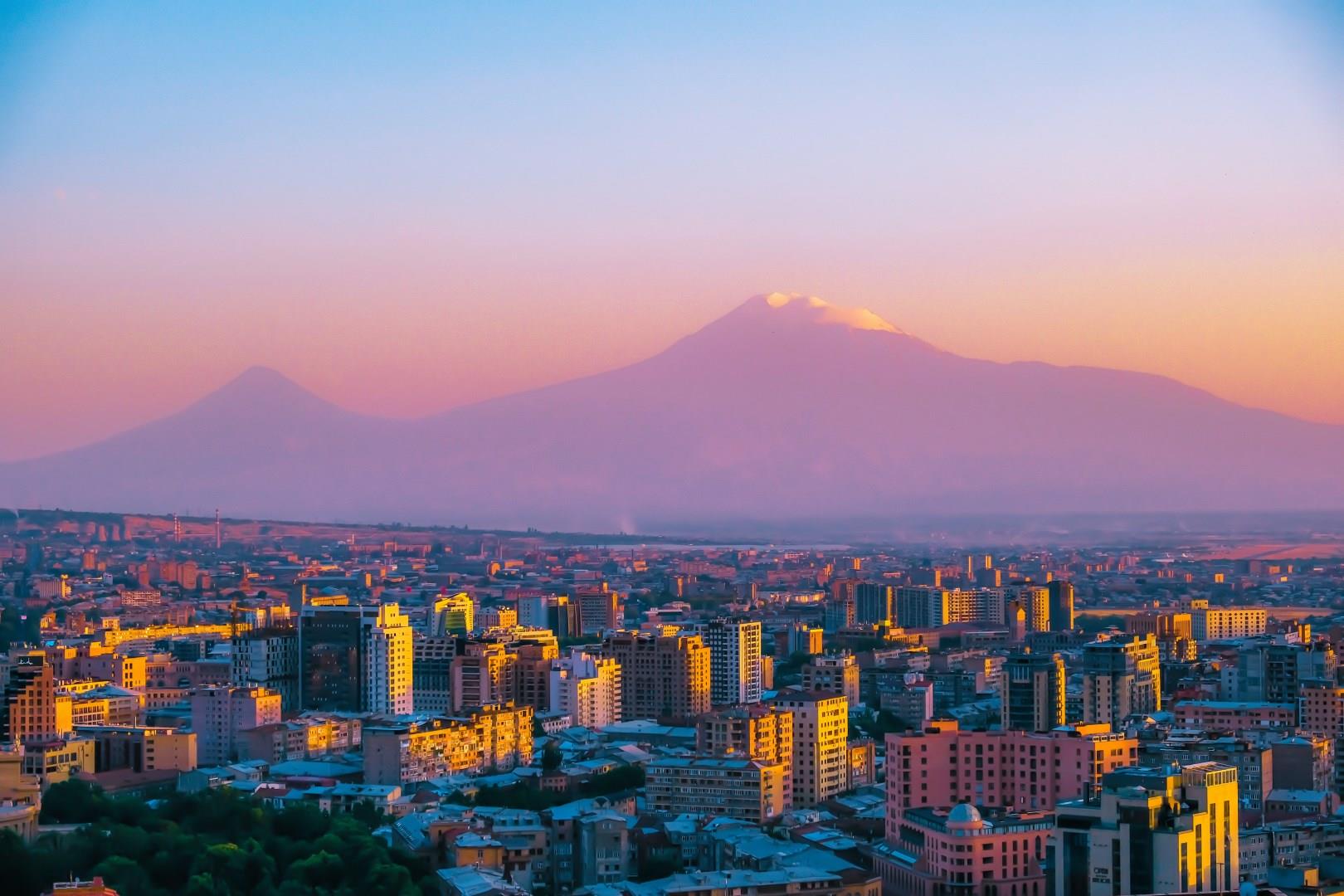
Yerevan
Yerevan, the capital of Armenia, is one of the oldest continuously inhabited cities in the world, with a history stretching back more than 2,800 years. Despite its ancient roots, it feels vibrant and modern, with wide boulevards, lively cafes, and an ever-present view of the majestic Mount Ararat on the horizon.


