Perched on a clifftop overlooking the Mediterranean Sea, Sidi Bou Said is a postcard-perfect village in Tunisia that enchants visitors with its striking white and blue architecture. Known for its iconic Andalusian-style buildings, Sidi Bou Said is a haven for artists, poets, and those seeking tranquility. Strolling through its narrow cobblestone streets, you’ll be greeted by the scent of jasmine and the vibrant colors of bougainvillea cascading from balconies.
This southern Mexican state borders Guatemala. Its mountainous highlands and dense rainforest are dotted with several Mayan archaeological sites and Spanish colonial towns.
Stowe, Vermont, nestled in the Green Mountains, is a quintessential New England destination that captivates visitors year-round with its charming village atmosphere, outdoor adventures, and vibrant arts scene. Often referred to as the “Ski Capital of the East,” Stowe offers world-class skiing and snowboarding at Stowe Mountain Resort, which boasts over 485 acres of skiable terrain, including trails on Vermont's highest peak, Mount Mansfield.
Padua, a hidden gem in Northern Italy’s Veneto region, is a city where medieval splendor meets a vibrant modern atmosphere. Known for its ancient university, founded in 1222, Padua is one of the oldest and most prestigious in the world, having nurtured the minds of great scholars like Galileo Galilei.
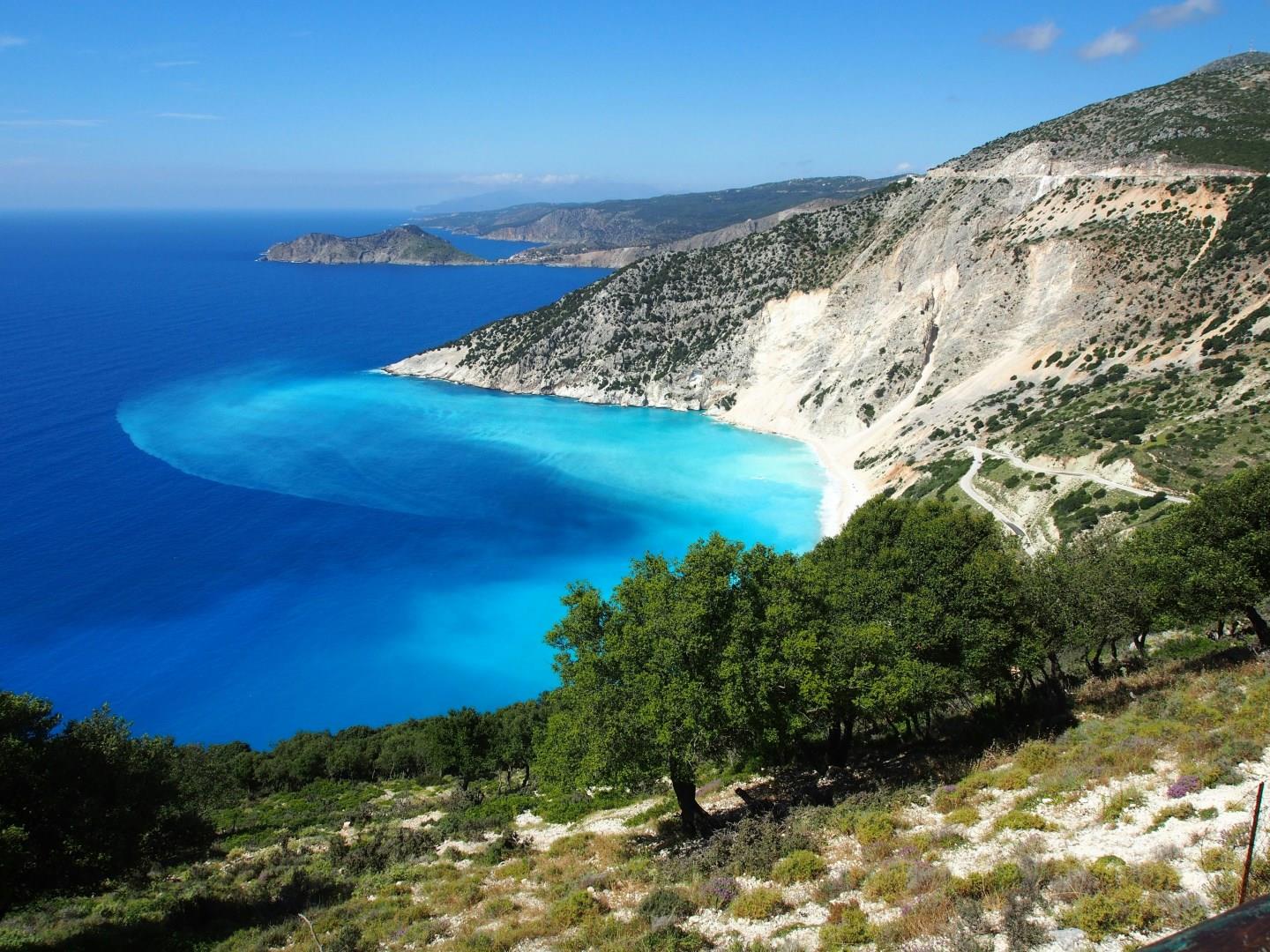
Adara is a small, remote village on Atauro Island in Timor-Leste, known for its quiet charm and deep connection to the sea. Nestled between steep mountain slopes and the turquoise waters of the Wetar Strait, the community lives largely from fishing and small-scale agriculture.
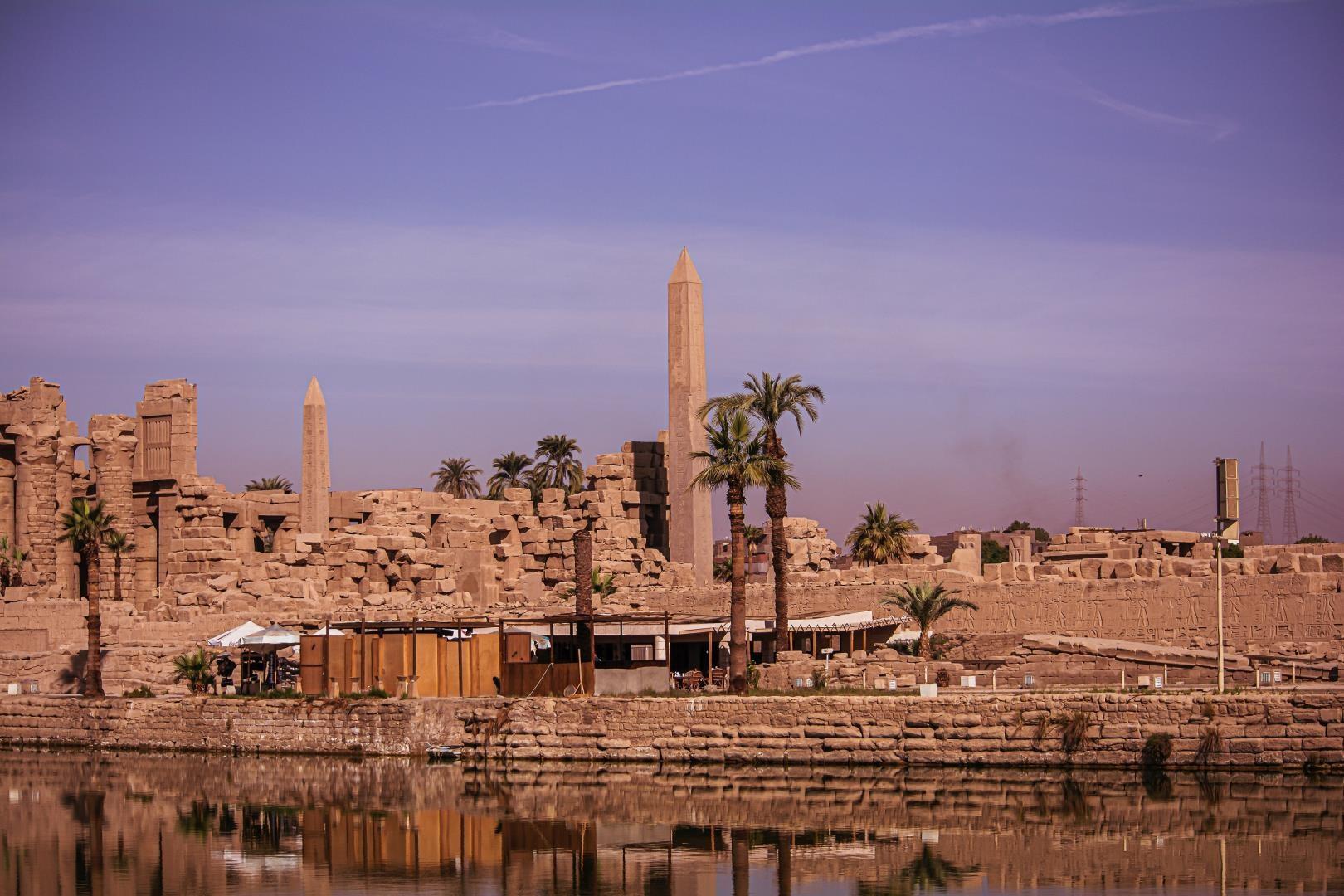
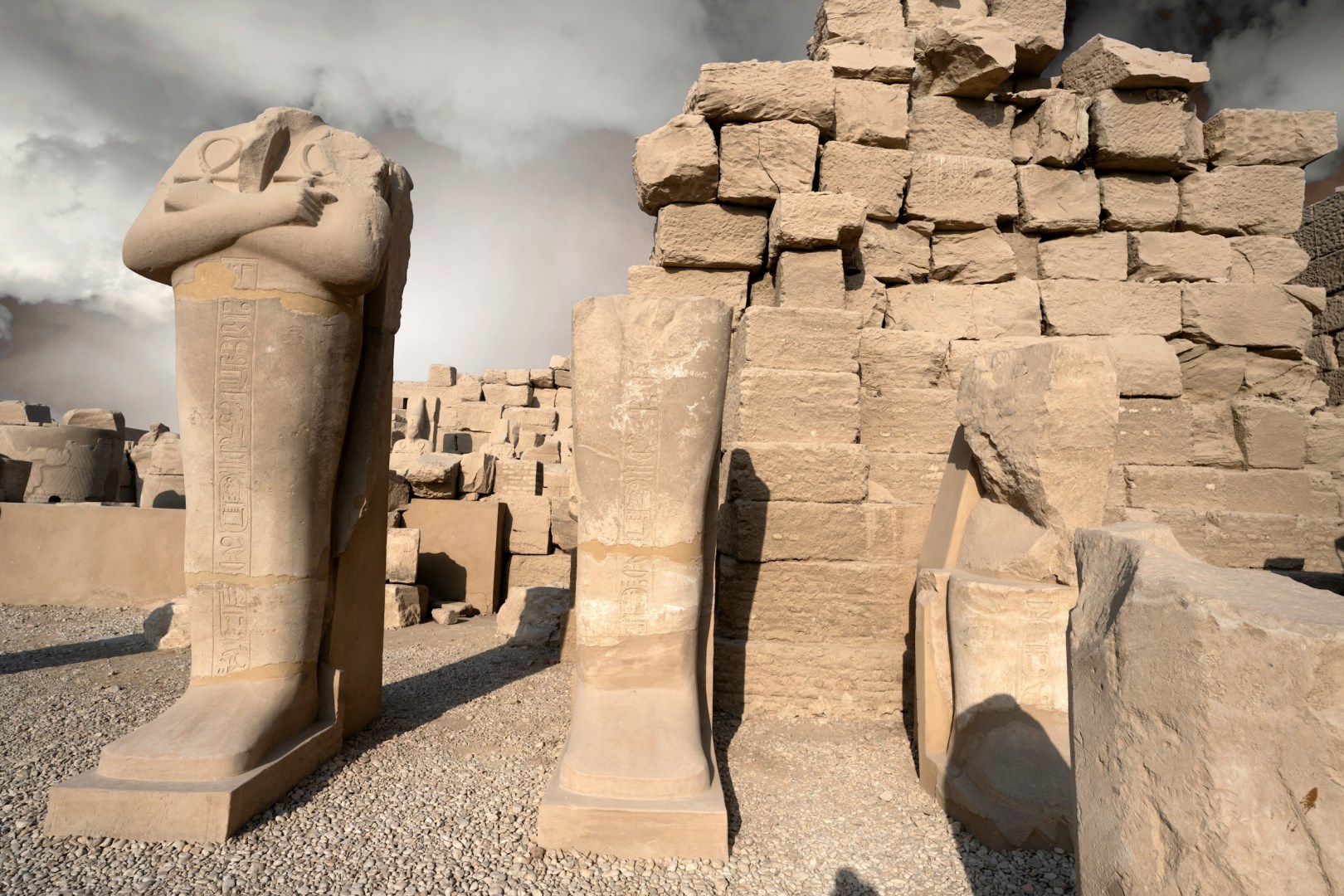
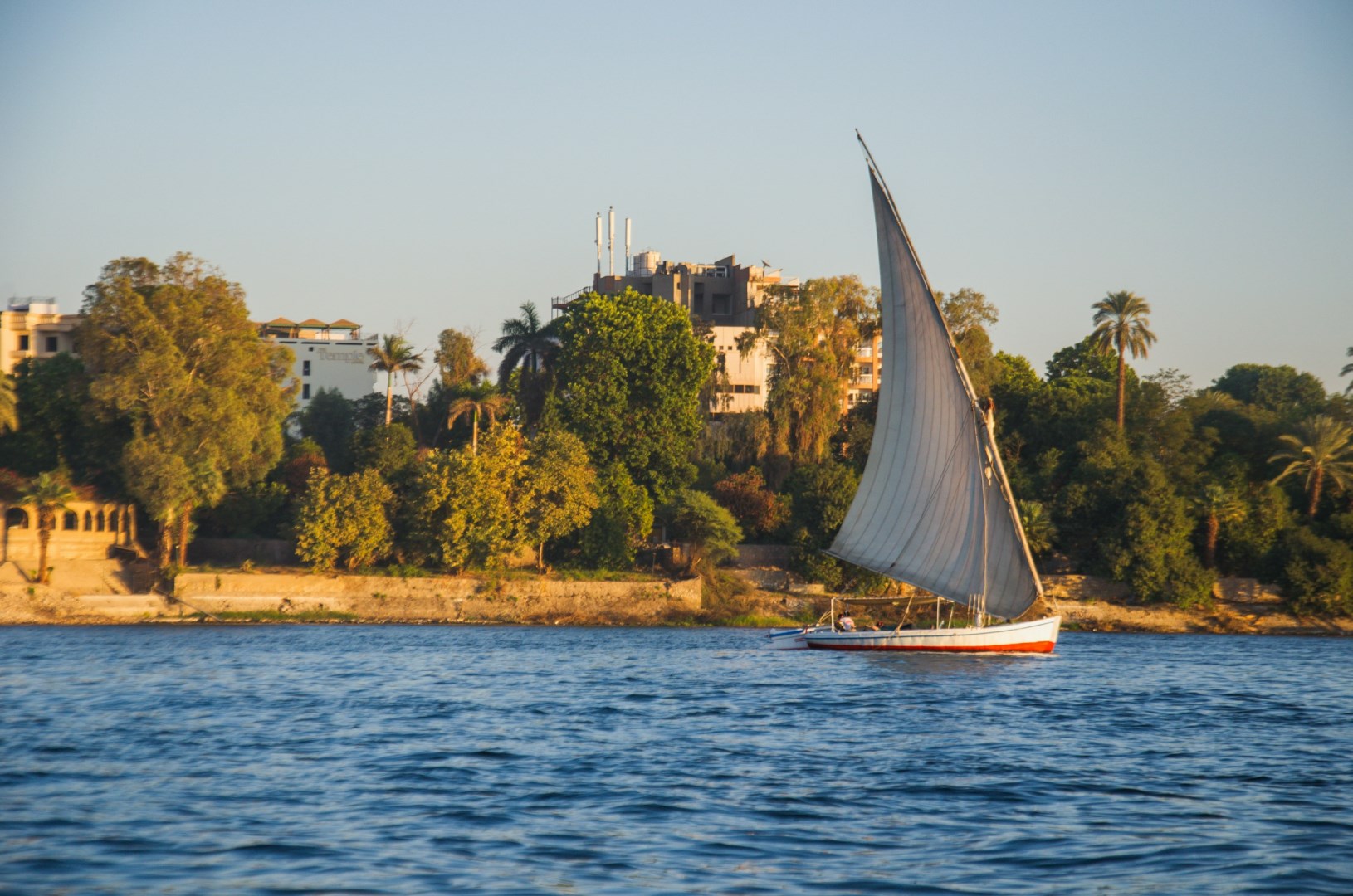
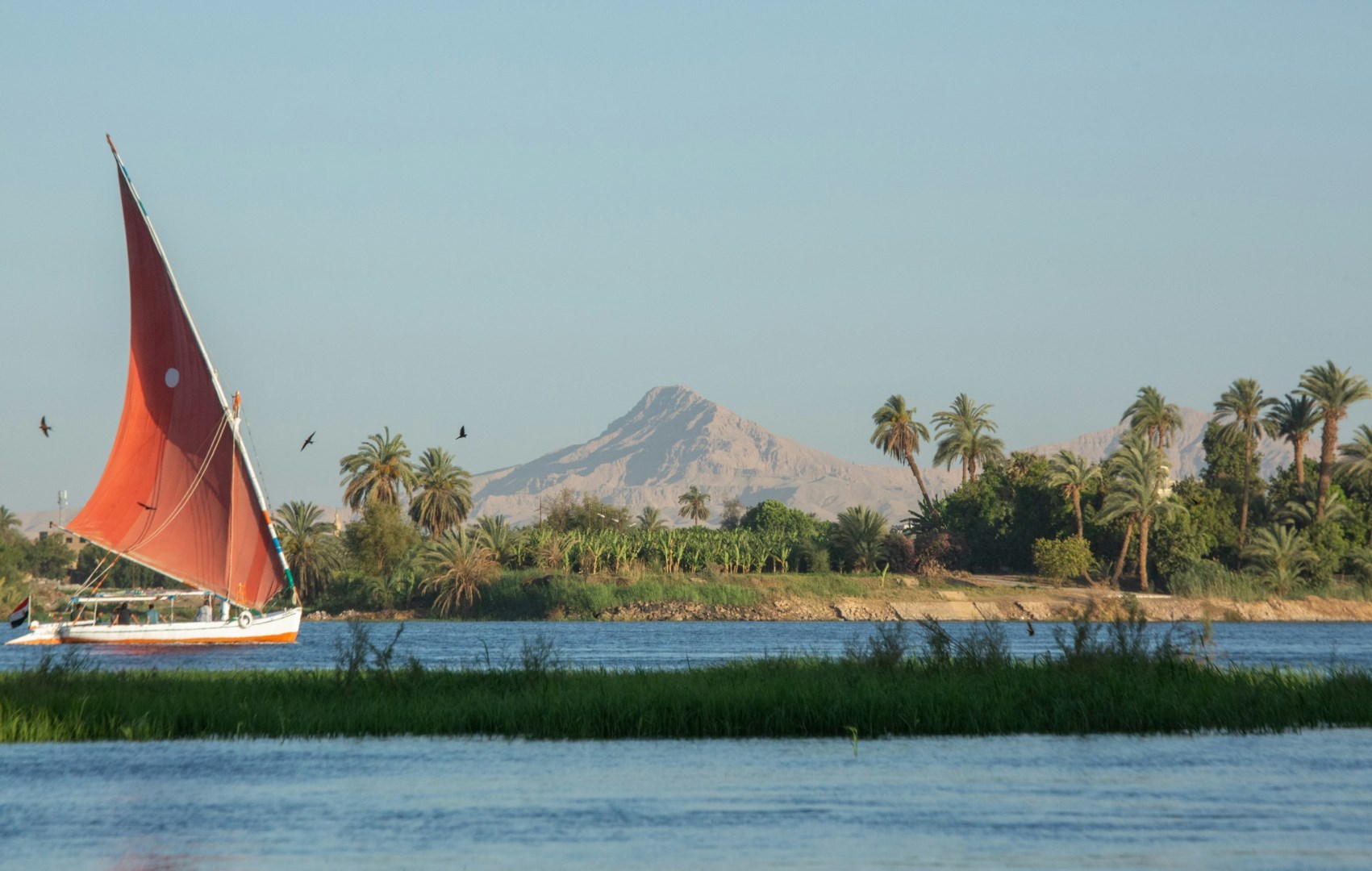
Luxor, often referred to as the world’s greatest open-air museum, is a city where ancient history and breathtaking archaeology converge. Nestled along the eastern bank of the Nile River, Luxor is home to some of the most remarkable and well-preserved relics of ancient Egypt. A visit to the Karnak Temple Complex, an expansive and awe-inspiring site dedicated to the Theban triad of gods, reveals the grandeur of ancient Egyptian architecture and religious practices. The massive columns, obelisks, and the Sacred Lake offer a glimpse into the grandeur of one of the most influential religious centers of ancient Egypt.
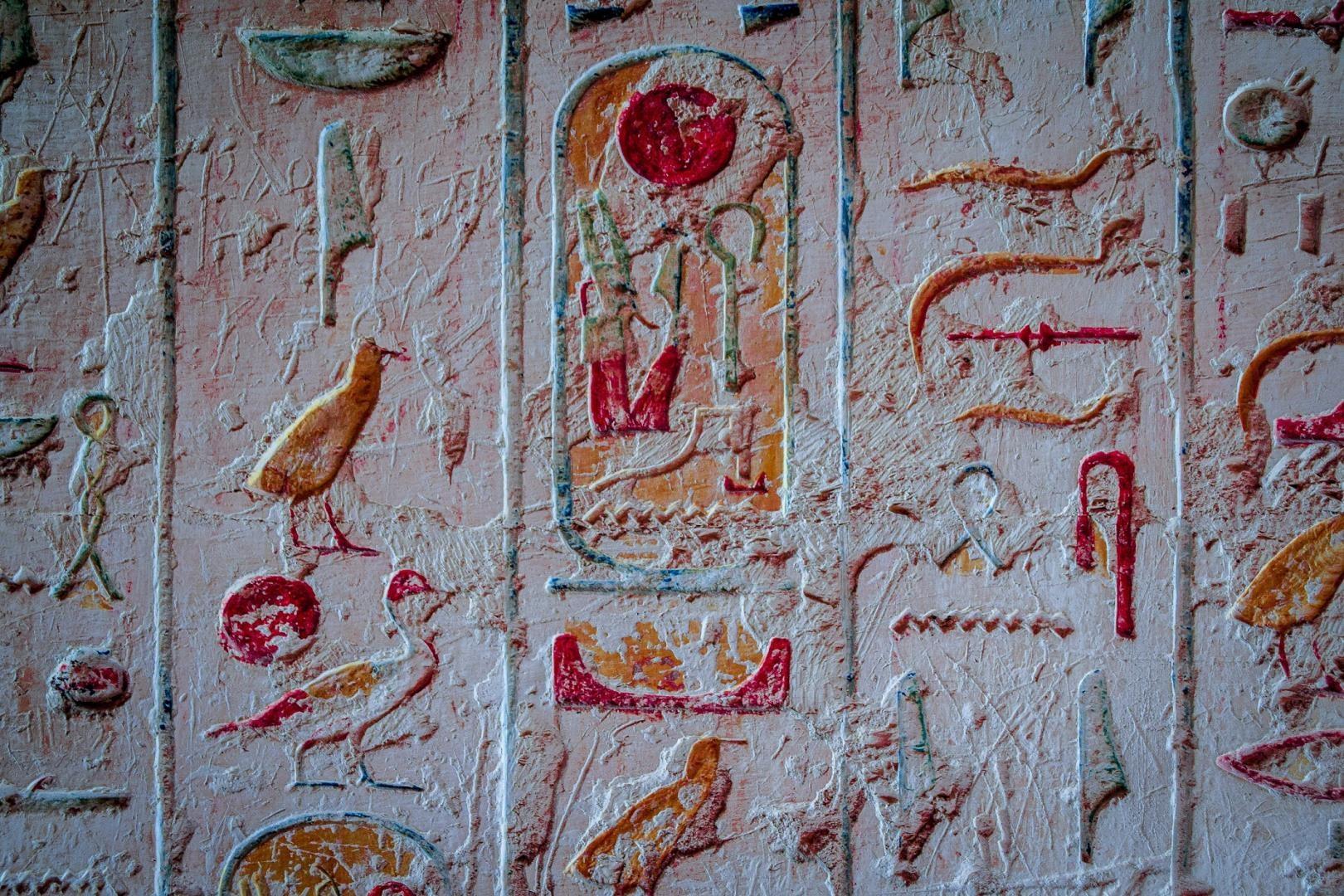
Just a short distance away lies the Valley of the Kings, a necropolis that served as the final resting place for many of Egypt’s pharaohs, including Tutankhamun. The richly decorated tombs, including the famous Tomb of Tutankhamun, provide unparalleled insights into the burial practices and art of ancient Egypt. Visitors can marvel at the intricate wall paintings and hieroglyphs that have been remarkably preserved over millennia.
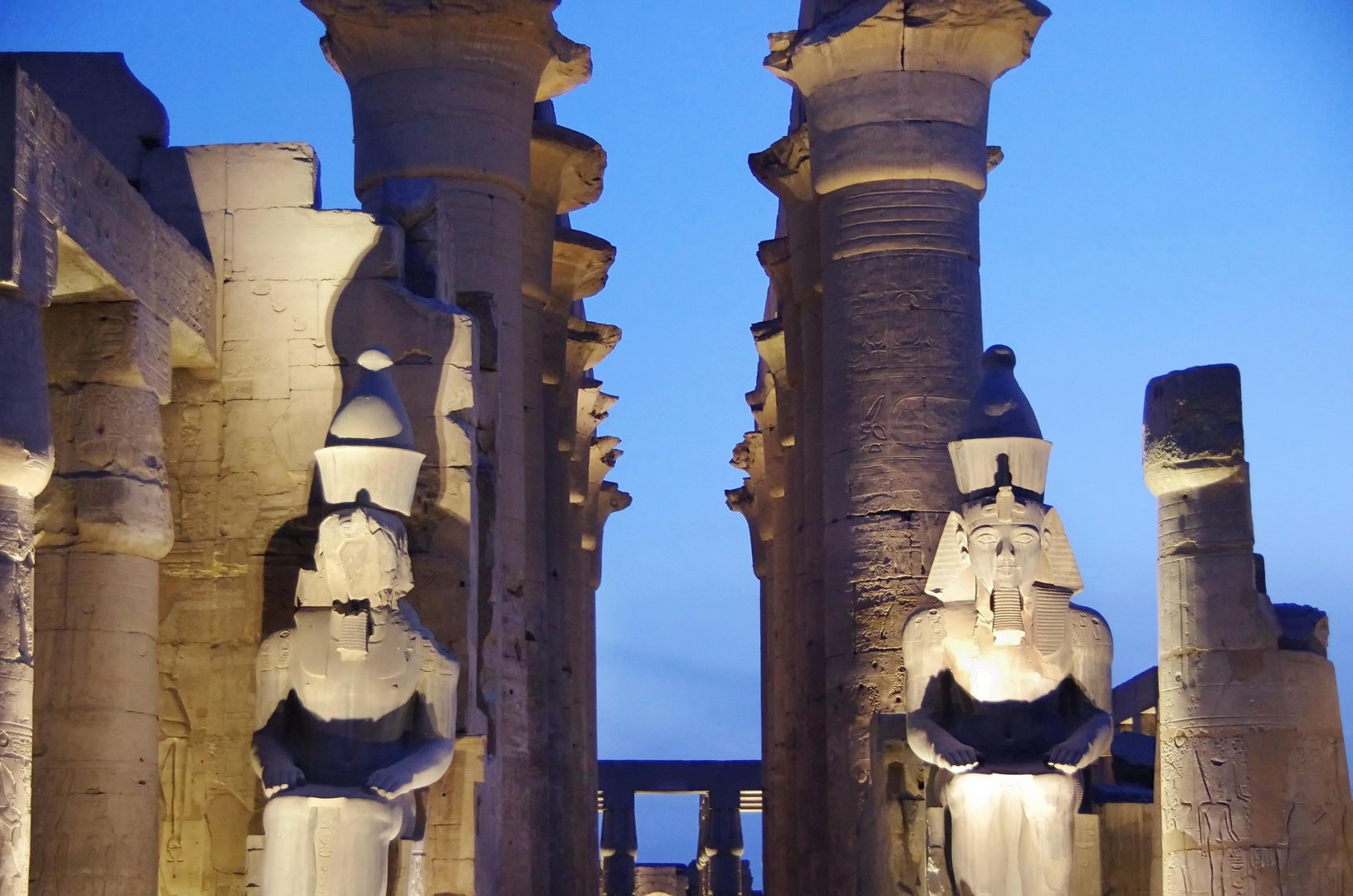
The Temple of Luxor, situated on the city’s main thoroughfare, offers another fascinating glimpse into ancient Egyptian religion and architecture. Originally built by Amenhotep III and later expanded by Ramesses II, this temple stands as a testament to the artistic and architectural achievements of ancient Egypt. The grand avenue of sphinxes that once connected it to Karnak Temple adds to the allure and historical significance of the site.
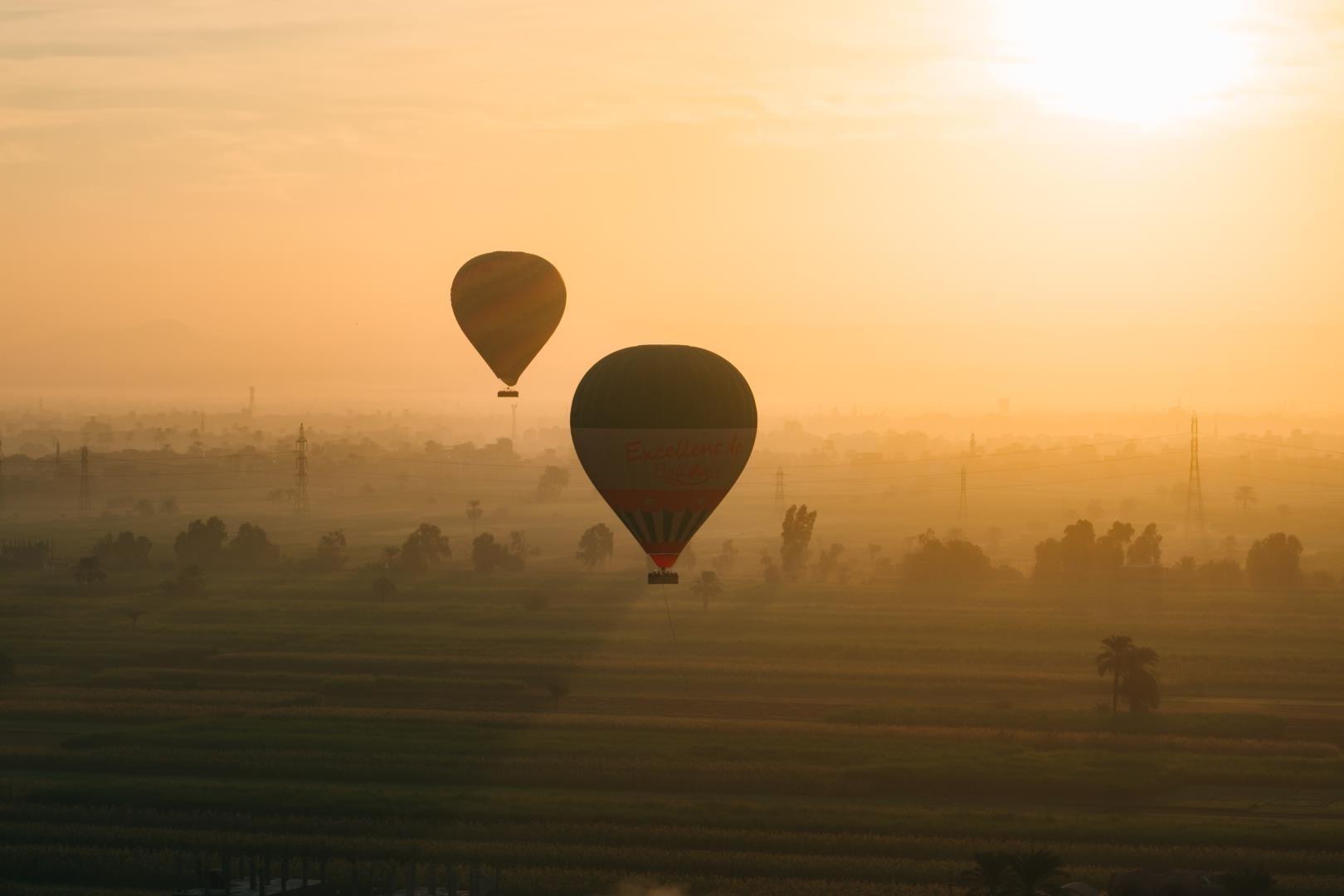
Fun Fact: Luxor was once known as Thebes and served as the capital of Egypt during the New Kingdom. The city’s rich history and architectural wonders make it a captivating destination for history enthusiasts and travelers alike. For a truly memorable experience, consider visiting Luxor between October and April when the weather is pleasant and ideal for exploring its ancient treasures.